
How to Duplicate a Car Key

Duplicating a car key doesn’t have to be complicated or expensive. Whether you’re dealing with a basic metal key or a high-tech transponder fob, this guide walks you through every step—from identifying your key type to choosing between DIY and professional services—so you can get a spare key fast, safely, and without breaking the bank.
Key Takeaways
- Identify your key type first: Knowing whether you have a standard key, transponder key, remote key fob, or smart key determines the duplication method and cost.
- DIY duplication works for basic keys: Simple metal keys can often be copied at hardware stores, big-box retailers, or online using mail-in services—no special tools needed.
- Modern keys require professional programming: Transponder and smart keys need specialized equipment to sync with your car’s immobilizer system; this usually requires a locksmith or dealership.
- Dealerships are reliable but pricey: Going through your car manufacturer ensures compatibility but often comes with high fees and longer wait times.
- Mobile locksmiths offer convenience and value: Licensed mobile locksmiths can come to you, cut and program keys on-site, and often charge less than dealerships.
- Always test your new key before relying on it: Verify that it starts the car, unlocks doors, and operates all remote functions to avoid being stranded later.
- Keep your original key secure: Never lose your only working key—duplication is much harder (and more expensive) if you don’t have a functional original.
📑 Table of Contents
- Why You Should Duplicate Your Car Key Now—Not Later
- Understanding Your Car Key: Types and Technology
- DIY vs. Professional Duplication: Which Is Right for You?
- Step-by-Step Guide to Duplicating Your Car Key
- Cost Breakdown: What to Expect When Duplicating a Car Key
- Common Mistakes to Avoid When Duplicating Car Keys
- Final Thoughts: Stay Prepared, Stay Safe
Why You Should Duplicate Your Car Key Now—Not Later
Losing your car keys is one of those frustrating moments that can throw your entire day off track. Whether you’ve misplaced them during a busy morning rush or accidentally locked them inside your vehicle, being without a spare key is a recipe for stress. That’s why duplicating a car key isn’t just a convenience—it’s a smart, proactive step every car owner should take.
Think about it: if you had a spare key tucked away in your wallet, glove box, or with a trusted family member, you’d never have to worry about being locked out or late for work again. Plus, modern cars come with increasingly complex key systems—from basic metal blades to advanced smart fobs—that make replacement both costly and time-consuming if you wait until an emergency. By duplicating your car key ahead of time, you save money, reduce anxiety, and gain peace of mind knowing you’re prepared for the unexpected.
Understanding Your Car Key: Types and Technology
Before you can duplicate a car key, you need to know exactly what kind of key you’re working with. Not all car keys are created equal, and the method you use to copy yours will depend heavily on its design and technology. Let’s break down the most common types so you can identify yours and choose the right duplication path.
Visual guide about How to Duplicate a Car Key
Image source: americanlockandkey.com
Standard Metal Keys
The simplest and oldest type of car key is the standard metal key—also known as a mechanical or cut key. These keys have a plain metal blade with ridges and grooves that match your car’s ignition and door locks. If your car was made before the mid-1990s, chances are it uses this type. They’re easy to duplicate, usually costing between $2 and $10 at most hardware stores or big-box retailers like Walmart or Home Depot. No programming is needed—just a steady hand and a good cutting machine.
Transponder Keys
Introduced in the late 1990s to deter theft, transponder keys contain a small electronic chip embedded in the plastic head. When you insert the key into the ignition, the chip sends a unique code to your car’s immobilizer system. If the code doesn’t match, the engine won’t start—even if the key physically turns the lock. This added security means you can’t just cut a new blade; the chip must also be programmed to your vehicle. Most transponder keys require professional duplication, though some newer models allow limited self-programming if you have two working keys already.
Remote Key Fobs
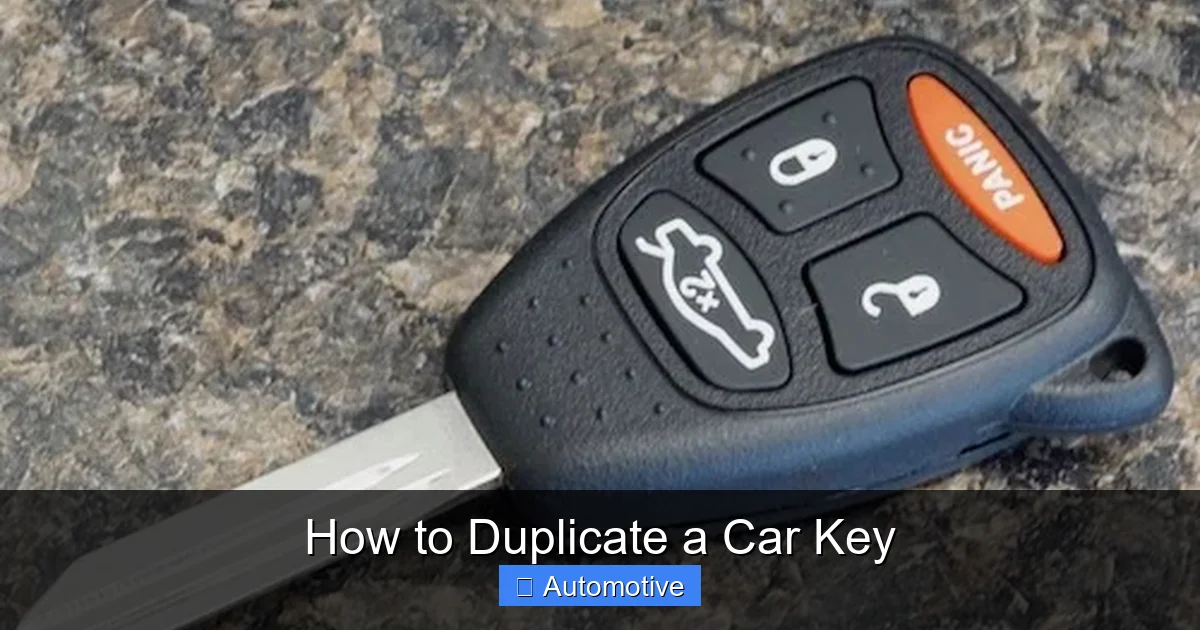
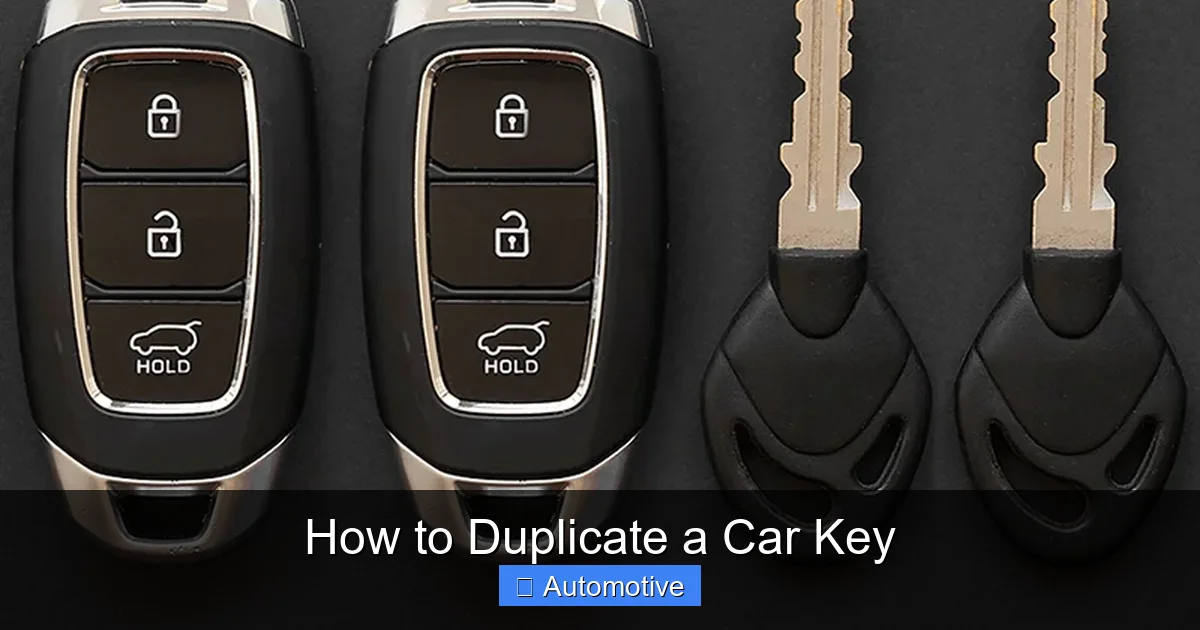
Remote key fobs combine a traditional key (often with a transponder chip) with buttons that let you lock, unlock, and sometimes even start your car from a distance. These are common in vehicles from the 2000s onward. While the physical key can sometimes be cut at a hardware store, the remote functions almost always need to be programmed using specialized equipment. Some fobs also include panic buttons, trunk releases, or proximity sensors, adding another layer of complexity.
Smart Keys (Keyless Entry & Push-Button Start)
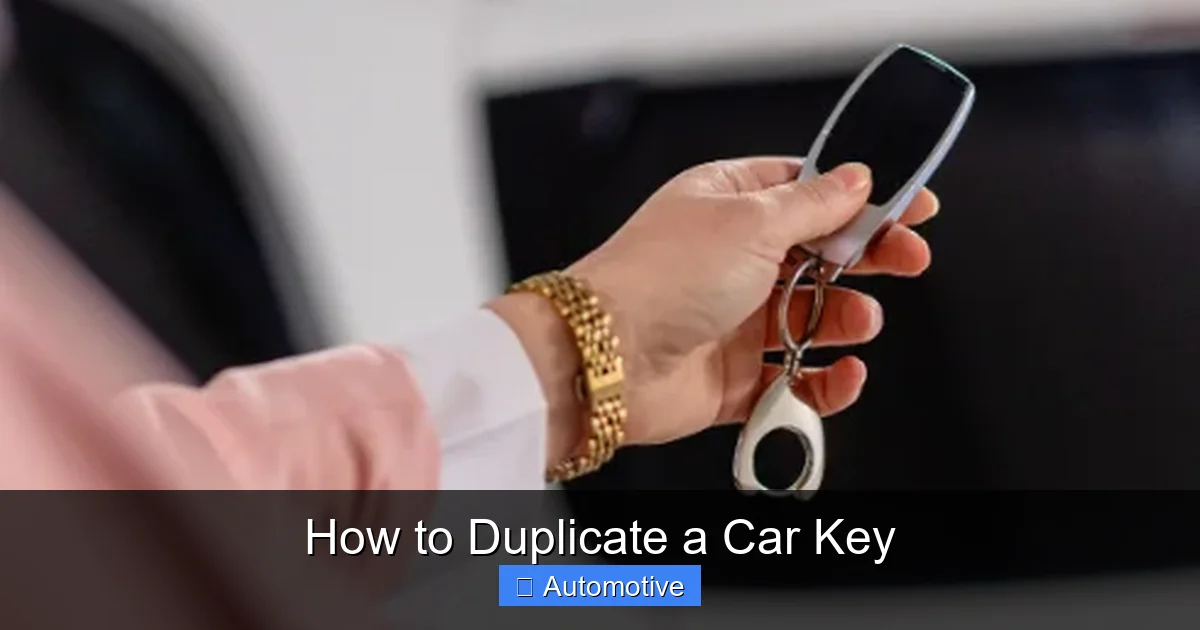
Smart keys represent the latest evolution in automotive security. These sleek, credit-card-sized devices don’t require you to insert anything into the ignition—you simply carry the key fob in your pocket or purse. When you approach the car, sensors detect the fob and allow you to unlock the doors by touching a handle. Pressing a button on the dashboard starts the engine. Because smart keys communicate wirelessly with your car’s computer system, duplicating them is the most complex and expensive option—typically requiring dealership-level tools and software.
DIY vs. Professional Duplication: Which Is Right for You?
Once you’ve identified your key type, the next decision is whether to tackle duplication yourself or call in the pros. Both approaches have pros and cons, and the best choice depends on your budget, technical comfort level, and urgency.
Visual guide about How to Duplicate a Car Key
Image source: nassausuffolklocksmith.com
DIY Duplication: Fast, Cheap, and Simple (For Basic Keys)
If you have a standard metal key, duplicating it yourself is often the quickest and most affordable route. Many national chains—including Walmart, Home Depot, Lowe’s, and Ace Hardware—offer key-cutting services right in-store. All you need is your original key, and within minutes, you’ll have a working copy. Prices typically range from $2 to $8, making this an excellent option for budget-conscious drivers.
For added convenience, some companies now offer online key duplication. You mail in your original key, they cut a copy using precision machinery, and send it back to you—all within a few days. Services like KeyMe and Keys Duplicated specialize in this model and even store digital copies of your key (encrypted and secure), so you can order replacements anytime. Just remember: DIY only works for non-electronic keys. Attempting to copy a transponder or smart key without proper tools will result in a key that fits the lock but won’t start the car.
Professional Duplication: Essential for Modern Keys
When your key includes electronics—like a transponder chip or remote functions—professional help is almost always required. That’s because these systems rely on encrypted communication between the key and your car’s onboard computer. Without the right diagnostic tools and software, you simply can’t “clone” the signal.
You have two main professional options: dealerships and independent locksmiths. Dealerships use OEM (original equipment manufacturer) parts and have direct access to your vehicle’s programming protocols, ensuring perfect compatibility. However, this reliability comes at a steep price—expect to pay $100 to $400 or more, depending on your car’s make and model. You may also need to schedule an appointment and wait several days.
Independent automotive locksmiths, especially mobile ones, offer a compelling alternative. Licensed and insured professionals can come to your home, office, or even the roadside with portable programming equipment. They’re often significantly cheaper than dealerships (typically $50–$200) and can complete the job in under an hour. Just be sure to verify their credentials and read reviews—some unscrupulous operators may use low-quality blanks or incomplete programming, leading to future issues.
Step-by-Step Guide to Duplicating Your Car Key
Ready to get your spare key made? Follow this straightforward process tailored to your key type. Always start by gathering your original key and confirming your vehicle’s year, make, and model—this info is crucial for accurate duplication.
Visual guide about How to Duplicate a Car Key
Image source: europeancarkeys.com
For Standard Metal Keys
- Visit a local hardware store, big-box retailer, or key-cutting kiosk.
- Insert your original key into the machine’s guide slot.
- Place a blank key into the cutting position.
- The machine will trace the original’s grooves and cut the blank to match.
- Test the new key in your door and ignition before leaving the store.
Tip: Bring your driver’s license—some stores require ID to prevent unauthorized key copying.
For Transponder Keys
- Contact a reputable automotive locksmith or visit your dealership.
- Provide your vehicle details and original key.
- The technician will cut a new blade and program the transponder chip.
- Some vehicles allow “on-board programming” if you have two working keys—check your owner’s manual.
- Test the new key to ensure it starts the engine and disarms the immobilizer.
Note: If you only have one working key, professional programming is mandatory—you cannot self-program most transponder systems.
For Remote Key Fobs and Smart Keys
- Schedule an appointment with a dealership or certified mobile locksmith.
- Bring your original fob, vehicle registration, and proof of ownership.
- The technician will sync the new fob to your car’s security system using OEM software.
- Verify all functions: locking, unlocking, trunk release, panic alarm, and push-button start (if applicable).
- Ask for a demonstration and keep the receipt for warranty purposes.
Pro Tip: Some luxury brands (like BMW or Mercedes) require dealership-only programming due to proprietary encryption—don’t waste time with generic locksmiths.
Cost Breakdown: What to Expect When Duplicating a Car Key
Budgeting for a spare key? Costs vary widely based on key complexity, service provider, and location. Here’s a realistic breakdown to help you plan:
- Standard Metal Key: $2–$10 at retail stores; up to $25 at specialized kiosks.
- Transponder Key: $50–$150 with a locksmith; $100–$300 at a dealership.
- Remote Key Fob: $80–$200 for cutting and programming; dealerships may charge $200–$400.
- Smart Key: $150–$400+ depending on brand; luxury vehicles can exceed $500.
Keep in mind that emergency services (like roadside assistance or after-hours locksmith calls) often include a service fee on top of the key cost. To avoid surprise charges, always ask for a quote upfront and confirm whether programming is included. Also, check if your auto insurance or roadside assistance plan covers key replacement—some premium plans do!
Common Mistakes to Avoid When Duplicating Car Keys
Even with the best intentions, it’s easy to make errors that lead to wasted time, money, or a non-functional key. Steer clear of these common pitfalls:
- Assuming all keys are the same: A key that looks identical might have a different chip frequency or cutting pattern. Always match your exact key model.
- Using unlicensed locksmiths: Cheap isn’t always better. Unqualified technicians may damage your car’s electronics or provide keys that fail prematurely.
- Skipping the test drive: Never assume your new key works. Always test it in the ignition, doors, and remote functions before relying on it.
- Waiting until you’re locked out: Emergency duplication is almost always more expensive and stressful. Plan ahead!
- Losing your only working key: If you don’t have an original, many modern cars require a full immobilizer reset—costing hundreds extra.
Final Thoughts: Stay Prepared, Stay Safe
Duplicating a car key is one of those small tasks that pays huge dividends in convenience and security. Whether you opt for a quick $5 copy at the hardware store or invest in a professionally programmed smart fob, having a spare key means you’re never truly stranded. More importantly, it protects you from the frustration, cost, and downtime of emergency key replacement.
Take a few minutes today to identify your key type, research local options, and get that spare made. Your future self—rushing to a meeting, picking up kids, or heading out on a road trip—will thank you. And remember: a little preparation today can prevent a major headache tomorrow.
Frequently Asked Questions
Can I duplicate a car key myself if it has a chip?
Generally, no. Transponder and smart keys require specialized equipment to program the electronic chip. While you can sometimes cut the physical blade yourself, the key won’t start the car without proper programming—which usually needs a professional.
How long does it take to duplicate a car key?
Standard metal keys take just 2–5 minutes at most retail stores. Transponder and remote keys typically take 15–60 minutes when done by a locksmith or dealership, depending on programming complexity and vehicle make.
Is it cheaper to go to a locksmith or dealership?
In most cases, yes—independent automotive locksmiths charge significantly less than dealerships for the same service. However, for high-end or luxury vehicles with proprietary systems, dealerships may be the only reliable option.
What if I’ve lost all my keys?
If you have no working key, you’ll likely need a full immobilizer reset, which requires proof of ownership and can cost $200–$500+. Always keep at least one spare key in a secure location to avoid this scenario.
Can I use a copied key from an online service?
Yes, but only for non-electronic keys. Services like KeyMe work well for standard metal keys and even store encrypted digital copies. However, they cannot replicate transponder chips or remote functions.
Do I need my car present to duplicate a key?
For standard keys, no. But for transponder, remote, or smart keys, most professionals will need access to your vehicle to program the key correctly and verify functionality.