
How to Program a Key to a Car

Programming a car key doesn’t have to be complicated or expensive. Whether you’ve lost your key or just need a spare, understanding the process can save you hundreds at the dealership. This guide walks you through everything from basic onboard methods to using professional tools.
Key Takeaways
- Know your car’s year, make, and model: Programming methods vary widely depending on the vehicle. Older cars may allow manual programming, while newer ones require specialized equipment.
- Check if your key has a transponder chip: Most modern keys contain a chip that communicates with the car’s immobilizer system. Without it, the engine won’t start.
- Use the owner’s manual first: Many manufacturers include simple programming steps for adding keys. Always start here before spending money.
- Consider OBD2 key programmers: These affordable tools plug into your car’s diagnostic port and can program keys for many makes and models.
- Dealerships aren’t your only option: Locksmiths and auto parts stores often offer key programming at lower prices than dealerships.
- Keep spare keys programmed: Having at least one working spare prevents being locked out and reduces emergency costs.
- Battery matters: A weak car battery can interfere with key programming. Ensure your battery is fully charged before starting.
📑 Table of Contents
- Why You Might Need to Program a Car Key
- Understanding Car Key Types and Technology
- Tools and Equipment Needed for Key Programming
- Step-by-Step Guide to Programming a Car Key
- Common Mistakes to Avoid When Programming a Key
- When to Call a Professional
- Tips for Maintaining and Managing Your Car Keys
- Conclusion
Why You Might Need to Program a Car Key
Losing your car key—or realizing you only have one—is more stressful than it sounds. You’re stuck, late for work, or worse, stranded in a parking lot. But here’s the good news: programming a key to a car is often easier and cheaper than you think. Whether you’ve misplaced your original, bought a used car with only one key, or simply want a backup, knowing how to program a key gives you control and peace of mind.
Modern cars rely heavily on electronic security systems. Gone are the days when a simple metal cut would get you back on the road. Today’s keys often include transponder chips, remote fobs, or even smart keys that communicate with your vehicle’s immobilizer. This added security is great for preventing theft, but it also means you can’t just duplicate a key at any hardware store. That’s why understanding how to program a key to a car is essential for every driver.
The process varies depending on your vehicle’s age and technology. Some cars let you program a new key yourself using a sequence of ignition turns and button presses. Others require specialized tools or professional help. But don’t worry—this guide will walk you through every option, from DIY methods to when it’s time to call in the pros. By the end, you’ll know exactly what to do the next time you need a new key.
Understanding Car Key Types and Technology
Before you can program a key, you need to know what kind of key you’re dealing with. Not all car keys are created equal. The type of key determines the programming method, cost, and tools required. Let’s break down the most common types you’ll encounter.
Visual guide about How to Program a Key to a Car
Image source: purepng.com
Traditional Mechanical Keys
These are the simplest keys—just a metal blade that fits into the ignition. Found in older vehicles (typically pre-1995), they don’t have any electronics. While easy to duplicate at a hardware store, they offer no anti-theft protection. If your car uses this type, programming isn’t needed—just cutting a new key to match the locks.
Transponder Keys
Introduced in the mid-1990s, transponder keys contain a small electronic chip embedded in the plastic head. When you insert the key into the ignition, the car sends a radio signal to the chip. If the chip responds with the correct code, the engine starts. If not, the immobilizer system blocks fuel and spark. These keys require programming to sync with your vehicle’s computer. Most cars from the late ’90s to early 2010s use transponder keys.
Remote Key Fobs
These keys combine a transponder chip with a remote control for locking, unlocking, and sometimes starting the car. The remote part uses radio frequencies to communicate with the car’s door locks and alarm system. Programming these keys involves syncing both the chip and the remote functions. Many modern vehicles use this type.
Smart Keys (Keyless Entry and Push-Button Start)
Smart keys, also known as proximity keys, allow you to start your car with the push of a button while the key remains in your pocket or bag. They use advanced encryption and bidirectional communication with the car. Programming these keys is complex and usually requires professional tools or dealership assistance. Found in most cars from 2010 onward, especially luxury models.
Flip Keys and Blade Keys
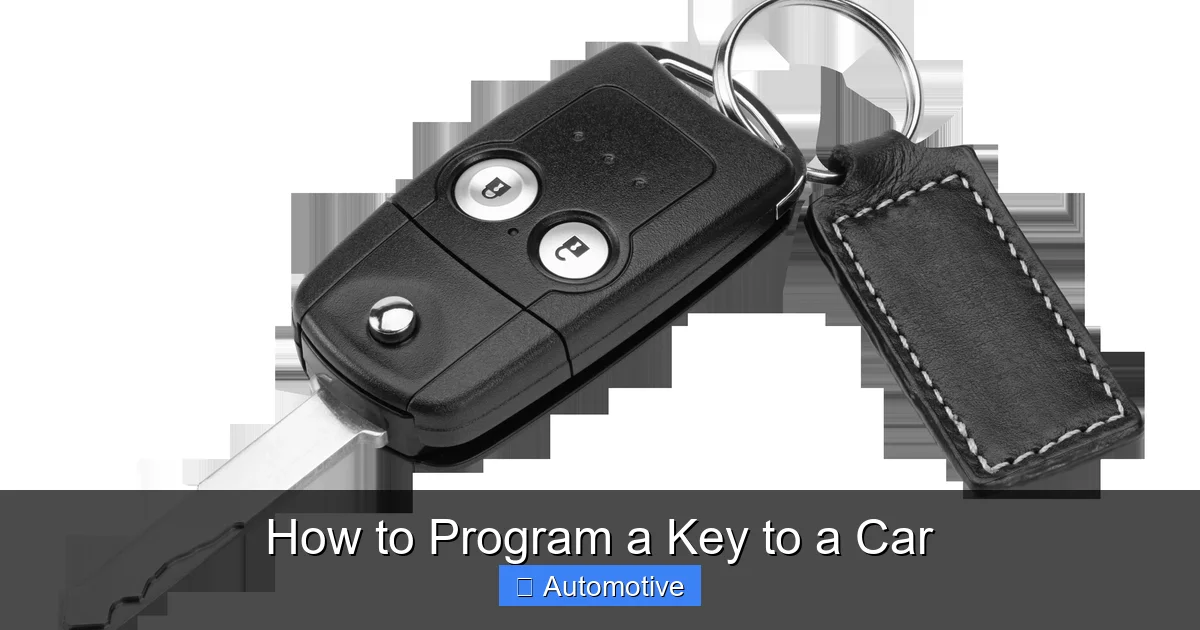
These are variations of remote or smart keys where the metal blade folds into the fob. They’re common in brands like Honda, Toyota, and Ford. The programming process is similar to standard remote keys, but the physical design may require specific cutting tools.
Understanding your key type is the first step. Check your owner’s manual or look up your vehicle’s specifications online. If you’re unsure, visit an auto parts store—they can often identify the key type by scanning the existing one.
Tools and Equipment Needed for Key Programming
Once you know your key type, it’s time to gather the right tools. The equipment needed depends on whether you’re doing it yourself or seeking professional help. Here’s what you might need.
Visual guide about How to Program a Key to a Car
Image source: lincolncarkeyman.co.uk
Basic Tools for DIY Programming
For older vehicles with simple transponder keys, you might not need anything more than the keys themselves and your car. Many cars allow onboard programming using a sequence of ignition cycles and door operations. For example, some GM models let you program a new key by turning the ignition on and off in a specific pattern. Always check your owner’s manual for these procedures—they’re often listed under “Adding Keys” or “Key Programming.”
OBD2 Key Programmers
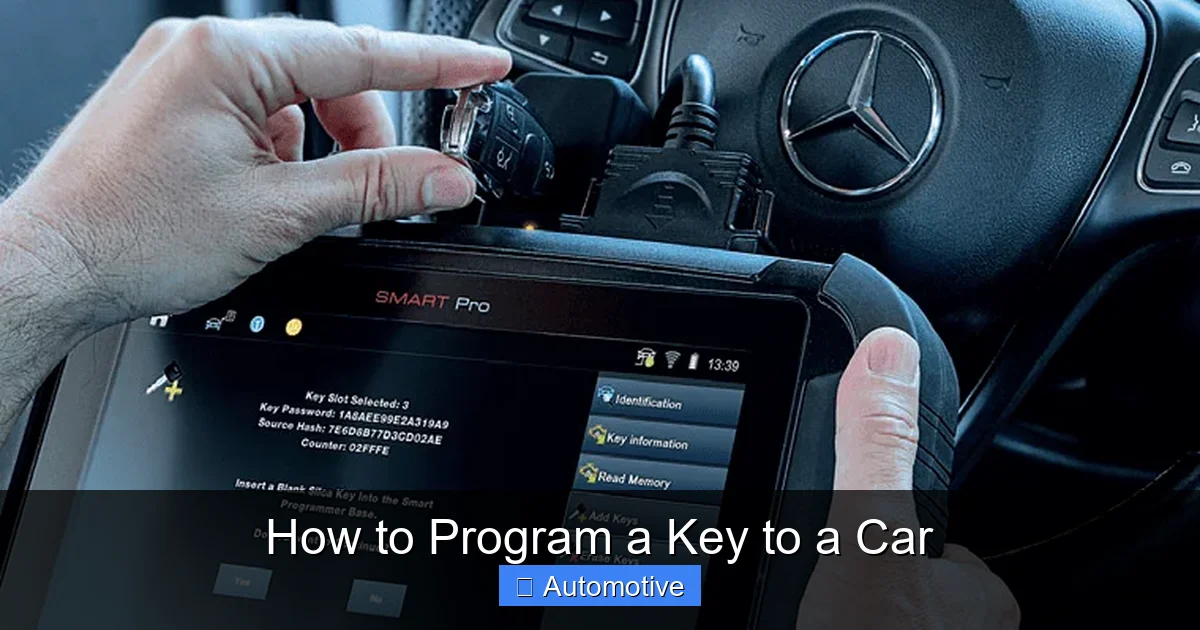
For more advanced programming, an OBD2 key programmer is your best friend. These devices plug into your car’s OBD2 port—usually located under the dashboard near the steering wheel. They communicate directly with the vehicle’s computer to add or sync new keys. Popular models include the Autel MaxiIM IM508, XTool X100 Pro, and Car Key Pro. Prices range from $100 to $500, depending on features.
These tools work with a wide range of vehicles and can program transponder keys, remote fobs, and even some smart keys. They’re especially useful if you’re a DIY enthusiast or run a small auto repair shop. Many come with step-by-step instructions and vehicle-specific guides.
Key Cutting Machines
If your new key needs a physical blade, you’ll need a key cutting machine. These devices duplicate the shape of your existing key. Some OBD2 programmers include built-in cutters, while others require a separate machine. For home use, portable key cutters like the Silca Futura or Keyline Ninja are available, but they’re an investment.
Software and Apps
Some key programmers require companion software or mobile apps. These help you select your vehicle, follow programming steps, and troubleshoot errors. Make sure your device is compatible with your smartphone or computer before purchasing.
Professional Equipment
Dealerships and locksmiths use high-end tools like the Advanced Diagnostics T-Code Pro or MVP Pro. These can handle nearly any vehicle, including luxury brands with encrypted systems. While expensive, they’re essential for complex programming jobs.
Before buying any tool, research compatibility with your car. Many manufacturers list supported vehicles on their websites. Also, consider whether you’ll use the tool more than once—if not, renting or hiring a pro might be more cost-effective.
Step-by-Step Guide to Programming a Car Key
Now that you understand the basics, let’s walk through the actual process. The steps vary by vehicle, but here’s a general guide that covers the most common scenarios. Always start with your owner’s manual—it’s the most reliable source for your specific car.
Visual guide about How to Program a Key to a Car
Image source: d1ihv1nrlgx8nr.cloudfront.net
Method 1: Onboard Programming (No Tools Required)
Many older and some newer vehicles allow you to program a new key using a simple sequence. This method works for basic transponder keys and remote fobs. Here’s how it typically works:
- Insert your existing working key into the ignition and turn it to the “On” position (don’t start the engine).
- Wait 5–10 seconds, then turn the key back to “Off.”
- Remove the key and insert the new (unprogrammed) key within 10 seconds.
- Turn the new key to “On” and wait for a chime, light, or dashboard indicator.
- Turn it back to “Off” and remove the key.
- Test the new key by starting the car.
This method works on many Ford, GM, and Chrysler vehicles from the 2000s. For example, some Ford models require you to cycle the ignition five times within 10 seconds, then insert the new key. Always refer to your manual for exact timing.
Method 2: Using an OBD2 Key Programmer
If onboard programming isn’t an option, an OBD2 device is your next best bet. Here’s how to use one:
- Turn off the car and locate the OBD2 port (usually under the dashboard).
- Plug in the key programmer and turn the ignition to “On” (do not start the engine).
- Follow the on-screen prompts to select your vehicle make, model, and year.
- Insert the new key when prompted.
- The device will communicate with the car’s computer and program the key.
- Once complete, test the key by starting the car.
Most devices provide audio or visual confirmation when programming is successful. If it fails, double-check the key type and battery level. Some cars require all existing keys to be present during programming.
Method 3: Programming Remote Functions
If your key has a remote (lock/unlock buttons), you may need to sync it separately. Here’s a common method:
- Sit in the car with all doors closed.
- Insert the key into the ignition and turn to “On” (do not start).
- Press and hold the “Lock” and “Unlock” buttons on the remote for 10–15 seconds.
- Release and listen for a chime or see a light flash.
- Test the remote by locking and unlocking the doors.
This works on many Honda, Toyota, and Nissan models. Some vehicles require you to press the door lock switch inside the car during the process. Again, check your manual for specifics.
Method 4: Professional Programming
If DIY methods fail or your car uses a smart key, it’s time to call a professional. Dealerships can program any key, but they’re often the most expensive option—$150 to $500 or more. Independent locksmiths and auto parts stores (like AutoZone or Advanced Auto Parts) offer lower prices, typically $50 to $200.
When visiting a professional, bring your vehicle registration, proof of ownership, and any existing keys. They’ll use specialized tools to program the new key on the spot. This is the safest option for complex systems.
Common Mistakes to Avoid When Programming a Key
Even with the right tools, key programming can go wrong. Here are the most common mistakes and how to avoid them.
Using the Wrong Key Blank
Not all keys are compatible with your car. Using the wrong blank—even if it looks similar—can damage the ignition or fail to program. Always verify the key part number with your dealer or online database. For example, a 2005 Honda Civic requires a specific HON66 transponder key. Using a generic blank won’t work.
Ignoring the Battery
A weak car battery can disrupt communication between the key and the immobilizer. If your car struggles to start or the dashboard lights flicker, charge or replace the battery before programming. A stable 12.6 volts is ideal.
Skipping the Owner’s Manual
Many drivers jump straight to buying tools or calling a locksmith. But your owner’s manual often contains free, manufacturer-approved programming steps. Skipping this step could cost you time and money.
Programming Without All Keys
Some vehicles require all existing keys to be present during programming. If you only have one working key and lose it during the process, you could lock yourself out permanently. Always have backups ready.
Overlooking Security Codes
Certain cars, like some BMW and Mercedes models, require a security code (also called a PIN) to program a new key. This code is usually found in the owner’s manual or obtained from the dealer. Without it, even professionals can’t program the key.
Rushing the Process
Key programming requires precision. Rushing through steps, missing a timing window, or interrupting the process can corrupt the system. Follow instructions carefully and stay patient.
When to Call a Professional
While DIY programming is possible for many vehicles, there are times when you should leave it to the experts.
Smart Key Systems
If your car has a push-button start and keyless entry, programming usually requires advanced tools and software. Attempting it yourself could damage the immobilizer or void your warranty.
Encrypted or High-Security Keys
Luxury brands like BMW, Audi, and Mercedes use encrypted keys that are nearly impossible to clone without factory tools. Even some mainstream brands now use rolling codes that change with each use.
No Working Keys
If you’ve lost all your keys, programming a new one often requires accessing the car’s ECU (engine control unit). This is a complex procedure best handled by a locksmith or dealer.
Repeated Failures
If your DIY attempts keep failing, there may be an underlying issue—like a faulty immobilizer or damaged key reader. A professional can diagnose and fix the problem.
Remember, calling a pro isn’t a failure—it’s smart. The cost of a mistake (like bricking your immobilizer) far outweighs the price of professional service.
Tips for Maintaining and Managing Your Car Keys
Once your key is programmed, keep it in good condition to avoid future issues.
Keep Spare Keys Programmed
Always have at least one spare key that’s already programmed. Store it in a safe place—like a lockbox at home or with a trusted friend. This prevents emergencies.
Protect the Chip
Avoid exposing your key to extreme heat, water, or magnets. These can damage the transponder chip. Use a protective case if needed.
Replace Weak Key Fob Batteries
Remote functions stop working when the battery dies. Most fobs use CR2032 batteries, which are cheap and easy to replace. Check the battery every 1–2 years.
Use Key Tracking Devices
Attach a Bluetooth tracker like Tile or Apple AirTag to your keychain. This helps you locate lost keys quickly.
Document Your Key Info
Keep a record of your key part number, VIN, and immobilizer code (if applicable). Store it securely—this info is invaluable if you need a replacement.
By taking these steps, you’ll save time, money, and stress in the long run.
Conclusion
Learning how to program a key to a car empowers you as a driver. It reduces reliance on expensive dealership visits and gives you control over your vehicle’s security. Whether you use a simple ignition sequence, an OBD2 programmer, or professional help, the process is manageable with the right knowledge.
Start by identifying your key type and checking your owner’s manual. Gather the necessary tools, follow the steps carefully, and don’t hesitate to seek help when needed. With a little preparation, you’ll never be stuck without a working key again.
Frequently Asked Questions
Can I program a car key myself?
Yes, many vehicles allow you to program a key yourself using onboard methods or an OBD2 programmer. However, newer cars with smart keys often require professional tools.
How much does it cost to program a car key?
DIY programming can cost as little as $20 for a key blank. Professional programming ranges from $50 to $500, depending on the vehicle and key type.
Do I need the original key to program a new one?
It depends. Some cars require at least one working key, while others can be programmed from scratch using a PIN or diagnostic tool.
Can I use a generic key for my car?
No. Most modern cars require a specific transponder key that matches the immobilizer system. Generic keys won’t start the engine.
What if my car won’t accept the new key?
Check the battery, key type, and programming steps. If it still fails, the immobilizer or key reader may be faulty—consult a professional.
How long does key programming take?
DIY methods take 5–15 minutes. Professional programming usually takes 30–60 minutes, depending on the vehicle and key complexity.
