
How to Fix a Broken Car Key

Discover practical, step-by-step methods to fix a broken car key at home or know when to call a pro. From loose buttons to damaged transponders, this guide covers everything you need to get back on the road fast—without breaking the bank.
Key Takeaways
- Identify the type of damage: Determine if your key is physically broken, has a dead battery, or suffers from electronic failure to choose the right fix.
- DIY fixes for common issues: Simple problems like loose buttons, worn-out casings, or dirty contacts can often be repaired at home with basic tools.
- Know when to replace the battery: Many modern car keys stop working due to a drained battery—replacing it is quick and inexpensive.
- Handle transponder keys carefully: These keys contain a chip that communicates with your car’s ignition; damaging it may require professional reprogramming.
- Use a spare key if available: Always keep a backup key in a safe place to avoid being stranded during a key emergency.
- Seek professional help when needed: Complex electronic failures or ignition system issues should be handled by a locksmith or dealership.
- Prevent future damage: Store your key properly, avoid excessive force, and clean it regularly to extend its lifespan.
📑 Table of Contents
- Introduction: Why Your Car Key Broke—And What You Can Do About It
- Understanding Your Car Key: Types and Common Failure Points
- Step-by-Step Guide: How to Fix a Broken Car Key at Home
- When to Call a Professional: Recognizing Complex Key Issues
- Preventing Future Key Breakage: Maintenance and Best Practices
- Cost Comparison: DIY vs. Professional Repair
- Conclusion: Stay Prepared and In Control
Introduction: Why Your Car Key Broke—And What You Can Do About It
We’ve all been there. You’re running late, coffee in hand, rushing to your car—only to find that your key won’t turn in the ignition. Or worse, it snaps in half as you try to unlock the door. A broken car key isn’t just annoying; it can leave you stranded, stressed, and facing expensive repair bills. But before you panic, know this: many key problems are fixable—sometimes in minutes—with the right approach.
Modern car keys are more than just metal pieces. They’re sophisticated devices packed with electronics, batteries, and microchips that communicate with your vehicle’s security system. While this makes them more secure, it also means they’re more prone to failure. Whether it’s a cracked casing, a dead battery, or a damaged transponder chip, understanding the root cause is the first step toward a solution. The good news? You don’t always need a mechanic or a trip to the dealership. With a little know-how and some basic tools, you can often fix a broken car key yourself.
Understanding Your Car Key: Types and Common Failure Points
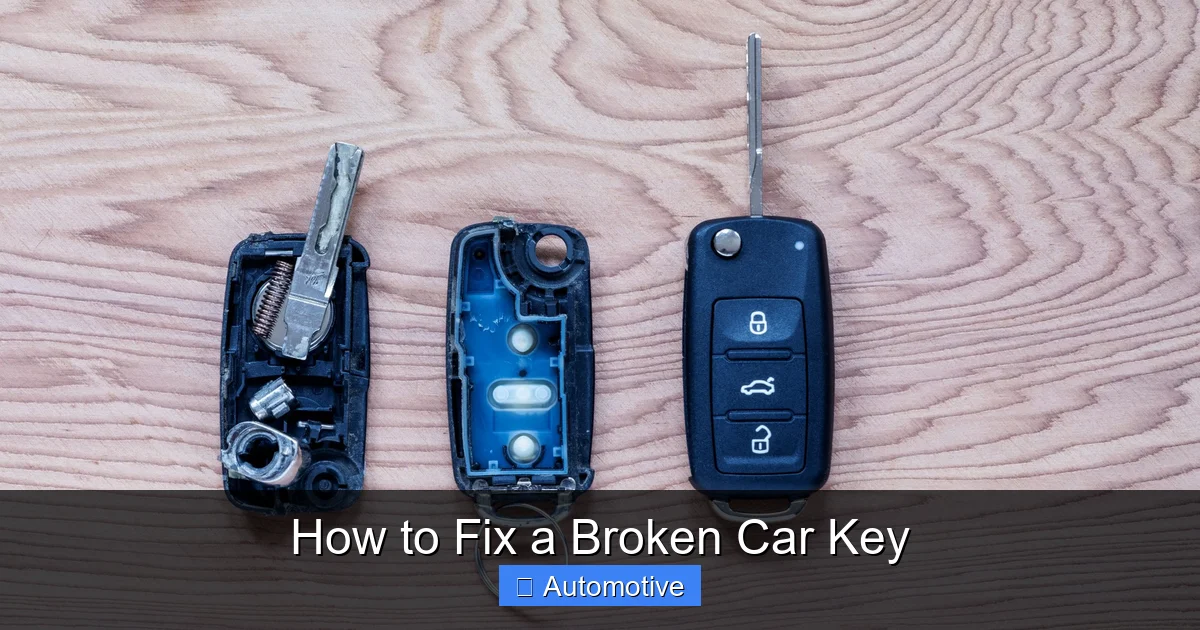
Visual guide about How to Fix a Broken Car Key
Image source: libertylocksmithsnj.com
Before diving into repairs, it’s essential to know what kind of key you’re dealing with. Car keys have evolved significantly over the past two decades, and each type has its own vulnerabilities.
Traditional Metal Keys
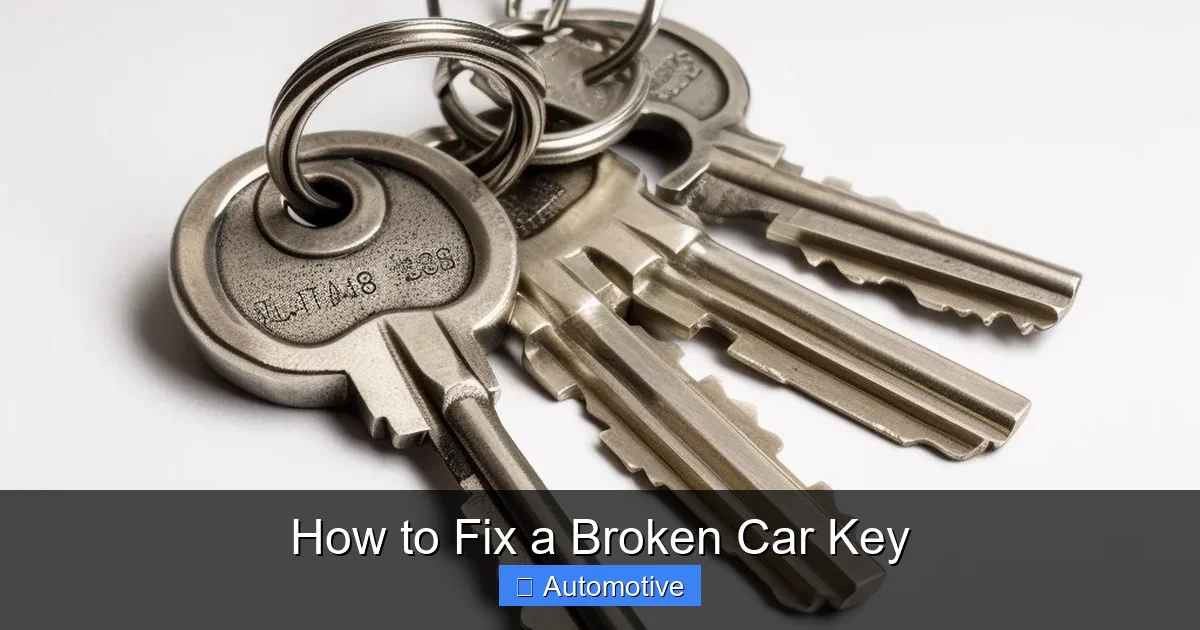
These are the simplest and oldest type—just a metal blade that fits into the ignition and door locks. While durable, they can bend, wear down, or break under stress. Over time, the teeth on the key may become smooth from repeated use, making it harder to turn the lock. If your key is purely mechanical, the fix is usually straightforward: file down rough edges, straighten a bent blade, or replace the entire key at a hardware store or locksmith.
Remote Key Fobs
Most cars today come with a remote key fob—a plastic casing with buttons for locking, unlocking, and sometimes opening the trunk or starting the engine. These fobs contain a small battery and internal circuitry. Common issues include worn-out buttons, water damage, or a drained battery. The plastic casing can also crack from drops or pressure, exposing the internal components.
Transponder Keys
Introduced in the 1990s, transponder keys have a small chip embedded in the plastic head. When you insert the key into the ignition, the car sends a radio signal to the chip. If the chip responds with the correct code, the engine starts. If not, the car won’t start—even if the key turns physically. These keys are more complex and sensitive. Damaging the chip or its antenna can render the key useless, often requiring professional reprogramming.
Smart Keys (Keyless Entry and Push-Button Start)
The most advanced type, smart keys allow you to unlock and start your car without ever taking the key out of your pocket. They use proximity sensors and encrypted signals. These keys are the most fragile and expensive to replace. They contain multiple circuits, a rechargeable or replaceable battery, and advanced electronics. Water damage, battery failure, or physical trauma can disable them entirely.
Understanding your key type helps you assess the damage accurately. For example, if your key won’t start the car but still locks the doors, the issue is likely with the transponder or ignition system—not the physical blade. On the other hand, if the key won’t unlock the door at all, the problem may be mechanical.
Step-by-Step Guide: How to Fix a Broken Car Key at Home
Visual guide about How to Fix a Broken Car Key
Image source: forgednfast.com
Many key problems can be resolved without professional help. Here’s a practical, step-by-step approach to diagnosing and fixing common issues.
Step 1: Assess the Damage
Start by examining your key closely. Look for visible cracks, loose parts, or signs of wear. Try inserting the key into the door lock and ignition. Does it turn? Does it feel loose? Press the buttons on the fob—do they respond? Note any unusual behavior, such as intermittent signals or no response at all.
If the key is physically broken—say, snapped in half—check whether both pieces are intact. Sometimes, the blade can be reattached or replaced. If the fob casing is cracked, the internal components may still be functional.
Step 2: Replace the Battery
A dead battery is one of the most common reasons a key fob stops working. Most fobs use a small coin-cell battery (like CR2032). To replace it:
1. Use a small flathead screwdriver or a butter knife to gently pry open the fob along the seam.
2. Carefully remove the old battery, noting its orientation.
3. Insert a new battery of the same type, ensuring the positive (+) side faces up.
4. Snap the fob back together and test the buttons.
Tip: If you’re unsure about the battery type, check your owner’s manual or look up your car model online. Some fobs have hidden screws—use a precision screwdriver to avoid damaging the casing.
Step 3: Clean the Contacts and Buttons
Dirt, dust, and grime can build up inside the fob, preventing buttons from making proper contact. To clean it:
1. Open the fob as described above.
2. Use a cotton swab dipped in isopropyl alcohol to gently wipe the circuit board and button contacts.
3. Let it dry completely before reassembling.
Avoid using water or harsh chemicals, as they can damage the electronics. If the buttons feel sticky or unresponsive, cleaning often restores function.
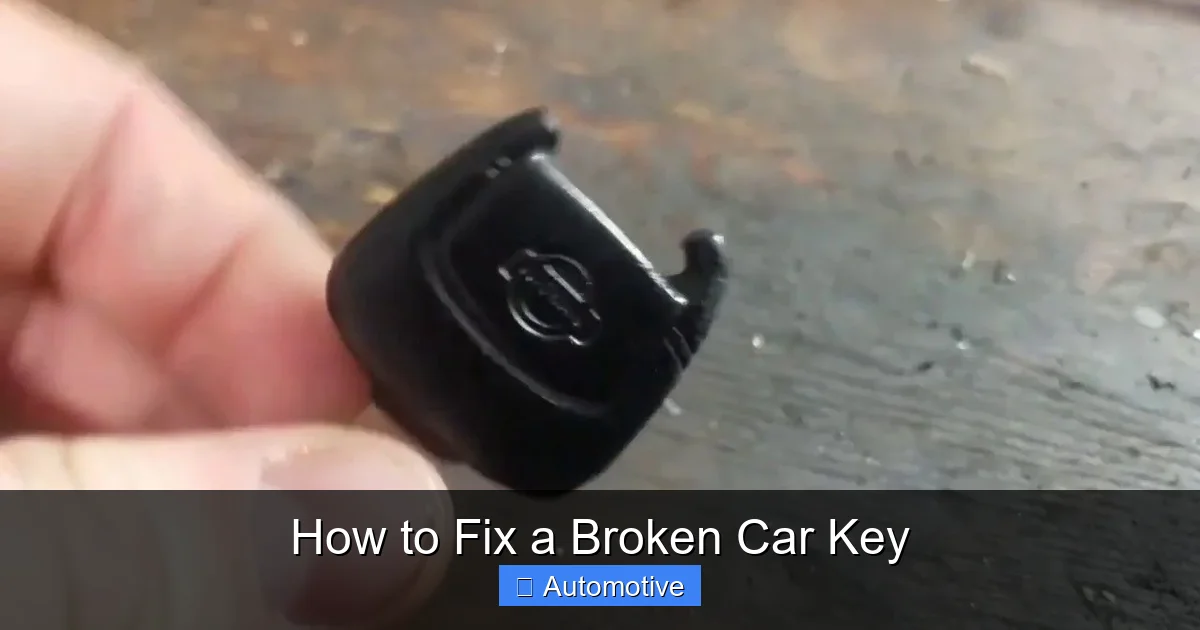
Step 4: Repair a Cracked or Broken Casing
If the plastic casing is cracked but the internal components are intact, you can often repair it with epoxy or super glue. Here’s how:
1. Clean the broken edges with alcohol.
2. Apply a small amount of epoxy or plastic glue to the crack.
3. Hold the pieces together firmly for a few minutes until the glue sets.
4. Let it cure for at least an hour before using.
For a more durable fix, consider using a key fob cover or silicone sleeve to protect the repaired area. Avoid using tape—it can interfere with button function and look unprofessional.
Step 5: Resync the Key Fob
Sometimes, after replacing the battery or opening the fob, the remote may lose sync with the car. To resync it, follow your vehicle’s specific procedure—this varies by make and model. Common methods include:
– Turning the ignition on and off several times while pressing a button.
– Holding the lock and unlock buttons simultaneously for 10–30 seconds.
– Using the car’s onboard menu (for smart keys).
Check your owner’s manual or search online for your car’s resync instructions. This step is crucial for restoring remote functionality.
Step 6: Repair or Replace the Key Blade
If the metal blade is bent or broken, you may be able to straighten it with pliers. Be gentle—excessive force can snap it completely. For worn or damaged blades, visit a locksmith or dealership to get a duplicate cut from your VIN or original key code.
Some auto parts stores offer key-cutting services on the spot. Bring your broken key or, if it’s too damaged, your vehicle registration and ID to prove ownership.
When to Call a Professional: Recognizing Complex Key Issues
Visual guide about How to Fix a Broken Car Key
Image source: i.pinimg.com
While many key problems are DIY-friendly, some require expert attention. Here’s when you should seek professional help.
Damaged Transponder Chip
If your key turns in the ignition but the car won’t start, the transponder chip may be damaged. These chips are fragile and can fail if the key is dropped, exposed to moisture, or physically cracked. Unfortunately, you can’t repair a broken chip—you’ll need a new one programmed to your vehicle.
A locksmith or dealership can extract the chip from your old key (if possible) and install it in a new casing. Alternatively, they can program a new chip using your car’s immobilizer system. This process typically costs $50–$200, depending on the vehicle.
Water Damage
If your key has been submerged in water or exposed to high humidity, internal corrosion may have occurred. Even if it seems to work initially, moisture can cause long-term damage. Signs include fogging inside the fob, sticky buttons, or intermittent failure.
To dry a wet key:
1. Remove the battery immediately.
2. Shake out excess water.
3. Place the fob in a sealed container with silica gel packets or uncooked rice for 24–48 hours.
4. Reassemble and test.
However, if the key still doesn’t work after drying, the electronics may be permanently damaged. In this case, replacement is the only option.
Ignition or Lock Cylinder Problems
Sometimes, the issue isn’t the key—it’s the lock. If your key turns but the car won’t start, or if it gets stuck in the ignition, the lock cylinder may be worn or damaged. This requires professional repair or replacement, often involving the steering column.
Similarly, if the key won’t turn in the door lock, the door mechanism may need lubrication or adjustment. A locksmith can diagnose and fix these issues without damaging your vehicle.
Smart Key Malfunctions
Smart keys are the most complex and expensive to repair. If your key isn’t detected by the car, won’t start the engine, or has a cracked screen, it likely needs professional servicing. Dealerships have the tools to diagnose and reprogram smart keys, but locksmiths with advanced equipment can often do the same at a lower cost.
Preventing Future Key Breakage: Maintenance and Best Practices
An ounce of prevention is worth a pound of cure. Here’s how to keep your car key in top condition and avoid future breakage.
Store Your Key Properly
Avoid tossing your key in a purse, pocket, or drawer with heavy items. Use a dedicated keychain or pouch to protect it from scratches and impacts. Keep it away from magnets, which can interfere with electronic components.
Use a Key Fob Cover
Silicone or leather covers protect the fob from drops, spills, and UV damage. They also provide a better grip, reducing the chance of accidental drops.
Replace Batteries Proactively
Don’t wait until the key stops working. Replace the battery every 1–2 years, or when you notice reduced range or delayed response. Keep spare batteries in your glove compartment or emergency kit.
Clean Your Key Regularly
Wipe the key and fob with a damp cloth weekly to remove dirt and oils. For deeper cleaning, use a soft brush and mild soap. Avoid submerging the fob in water.
Handle with Care
Avoid using your key as a screwdriver, pry tool, or weapon. Don’t sit on it or place heavy objects on top. Treat it like the精密 electronic device it is.
Keep a Spare Key
Always have a backup key stored in a safe place—like at home or with a trusted friend. Consider a magnetic key box hidden under your car (though this is less secure). A spare can save you from being locked out or stranded.
Cost Comparison: DIY vs. Professional Repair
Understanding the costs involved can help you decide whether to fix the key yourself or call a pro.
DIY Repair Costs
– Battery replacement: $2–$5
– Cleaning supplies: $5–$10
– Epoxy or glue: $3–$8
– Key fob cover: $5–$15
Total: Under $30 in most cases.
Professional Repair Costs
– Locksmith key duplication: $20–$100
– Transponder chip programming: $50–$200
– Smart key replacement: $200–$500+
– Dealership key replacement: $100–$400
While professional services are more expensive, they offer peace of mind and guaranteed results. For complex issues, the extra cost is often worth it.
Conclusion: Stay Prepared and In Control
A broken car key doesn’t have to ruin your day. With the right knowledge and tools, many common issues can be fixed quickly and affordably at home. From replacing a dead battery to repairing a cracked fob, simple DIY solutions can save you time and money. However, it’s equally important to recognize when a problem is beyond your skill level—don’t risk damaging your car’s security system by attempting complex repairs.
By understanding your key type, practicing regular maintenance, and keeping a spare on hand, you can minimize the risk of future breakage. And when trouble strikes, you’ll be ready to act—whether that means grabbing your toolkit or calling a trusted professional.
Remember, your car key is more than just a piece of metal or plastic. It’s your gateway to freedom, convenience, and safety. Treat it well, and it will serve you reliably for years to come.
Frequently Asked Questions
Can I fix a broken car key myself?
Yes, many common issues like dead batteries, dirty contacts, or cracked casings can be fixed at home with basic tools. However, problems involving the transponder chip or smart key electronics often require professional help.
How do I know if my key’s battery is dead?
If your key fob buttons don’t respond, the range is reduced, or the car doesn’t recognize the key, the battery may be drained. Replace it with a new one of the same type and resync the fob if needed.
What should I do if my key snapped in half?
If both pieces are intact, you may be able to glue the casing or replace the blade. If the transponder chip is damaged, you’ll need a new key programmed by a locksmith or dealership.
Can a locksmith fix my car key?
Yes, most locksmiths can duplicate keys, replace batteries, repair fobs, and program transponder chips. They’re often faster and cheaper than dealerships.
How much does it cost to replace a car key?
Costs vary widely: simple metal keys cost $10–$50, while transponder keys range from $50–$200, and smart keys can cost $200–$500 or more, depending on the vehicle.
How can I prevent my car key from breaking?
Store it properly, use a protective cover, replace the battery regularly, clean it often, and avoid using it as a tool. Keeping a spare key is also a smart precaution.