
How to Start a Car with the Key Fob

Starting a car with the key fob is simple once you know the steps, but it varies by vehicle type and fob design. Whether your car uses a push-button ignition or remote start, understanding the correct procedure ensures a smooth, hassle-free experience every time.
Starting your car with a key fob might seem like second nature to some, but for new drivers or those upgrading to a modern vehicle, it can be a bit confusing. Gone are the days of fumbling with metal keys and ignition cylinders. Today’s cars rely on wireless technology, allowing you to unlock, start, and even drive away—all without ever touching a physical key. Whether you’re using a traditional remote key fob, a smart key with push-button ignition, or a fob with remote start capabilities, the process is designed to be seamless, secure, and convenient.
But convenience doesn’t mean complexity should be ignored. Understanding how your key fob works not only makes your daily routine smoother but also helps prevent frustrating situations—like standing in the rain because your car won’t start. Maybe your fob battery died, or you’re not pressing the right buttons in the right order. Perhaps you’re trying to remote start your car from inside your house, but it’s not responding. These are common issues, and they’re usually easy to fix once you know what to look for.
In this guide, we’ll walk you through everything you need to know about how to start a car with the key fob. We’ll cover different types of fobs, step-by-step instructions for various starting methods, troubleshooting tips, and best practices to keep your vehicle secure. Whether you drive a Toyota, Ford, BMW, or Tesla, the principles are similar—but the details matter. By the end of this article, you’ll feel confident starting your car anytime, anywhere, with just the press of a button.
Key Takeaways
- Know your key fob type: Modern fobs range from basic remote locks to advanced smart keys with push-button start or remote engine activation.
- Ensure the fob battery is charged: A weak or dead battery can prevent the car from recognizing the fob, even if it’s inside the vehicle.
- Use the brake pedal for push-button start: Most vehicles require you to press the brake before pressing the start button when using the key fob.
- Remote start works within range: You can start your engine from outside the car using the fob, but only within a limited distance (usually 50–200 feet).
- Keep the fob accessible: The car must detect the fob inside the cabin—avoid storing it in metal containers or near electronic interference.
- Follow manufacturer instructions: Each automaker has slight variations in fob operation, so consult your owner’s manual for model-specific steps.
- Practice safety and security: Never leave your fob in an unattended running vehicle, and always lock doors after remote starting.
📑 Table of Contents
Understanding Your Key Fob: Types and Functions
Before diving into how to start your car, it’s important to understand what kind of key fob you have. Not all fobs are created equal, and their capabilities depend on your vehicle’s make, model, and year. Most modern cars come with one of three main types of key fobs: basic remote, smart key, or remote start fob. Each offers different levels of convenience and functionality.
The most basic type is the traditional remote key fob. This fob allows you to lock and unlock your doors, open the trunk, and sometimes activate a panic alarm—all from a distance. However, it doesn’t start the engine remotely. To start the car, you still need to insert a physical key into the ignition or use a push-button system while the fob is inside the vehicle. These fobs are common in older or budget-friendly models.
Next up is the smart key fob, also known as a proximity key. This fob doesn’t require you to insert a key at all. As long as the fob is inside the car—usually in your pocket or purse—you can press a button on the dashboard to start the engine. The car detects the fob via radio frequency identification (RFID) and allows ignition. Many luxury and mid-range vehicles, such as Honda, Hyundai, and Mercedes-Benz, use smart keys.
Finally, there’s the remote start key fob. This advanced fob lets you start your engine from outside the vehicle, often from up to 200 feet away. It’s perfect for warming up your car on a cold winter morning or cooling it down on a hot summer day. Remote start fobs usually have a dedicated button, often labeled with a circular arrow or “START.” Some even allow you to control climate settings, lock/unlock doors, and monitor vehicle status through a mobile app.
How Key Fobs Communicate with Your Car
Key fobs work by sending encrypted signals to your vehicle’s onboard computer. When you press a button—like “Unlock” or “Start”—the fob transmits a unique code via radio waves. The car’s receiver picks up this signal and verifies it matches the stored code. If it does, the requested action is performed.
For smart keys, the communication is bidirectional. The car sends out a low-frequency signal to detect if the fob is nearby. When you approach the vehicle, the doors unlock automatically (if equipped with keyless entry). When you’re inside and press the start button, the car confirms the fob is present before allowing ignition. This prevents theft—someone can’t drive off with your car unless the fob is inside.
Remote start fobs use a similar principle but operate over longer distances. They often use higher-power transmitters and may require you to press the lock button first, then the start button twice, to prevent accidental activation.
How to Start a Car with a Push-Button Ignition Key Fob
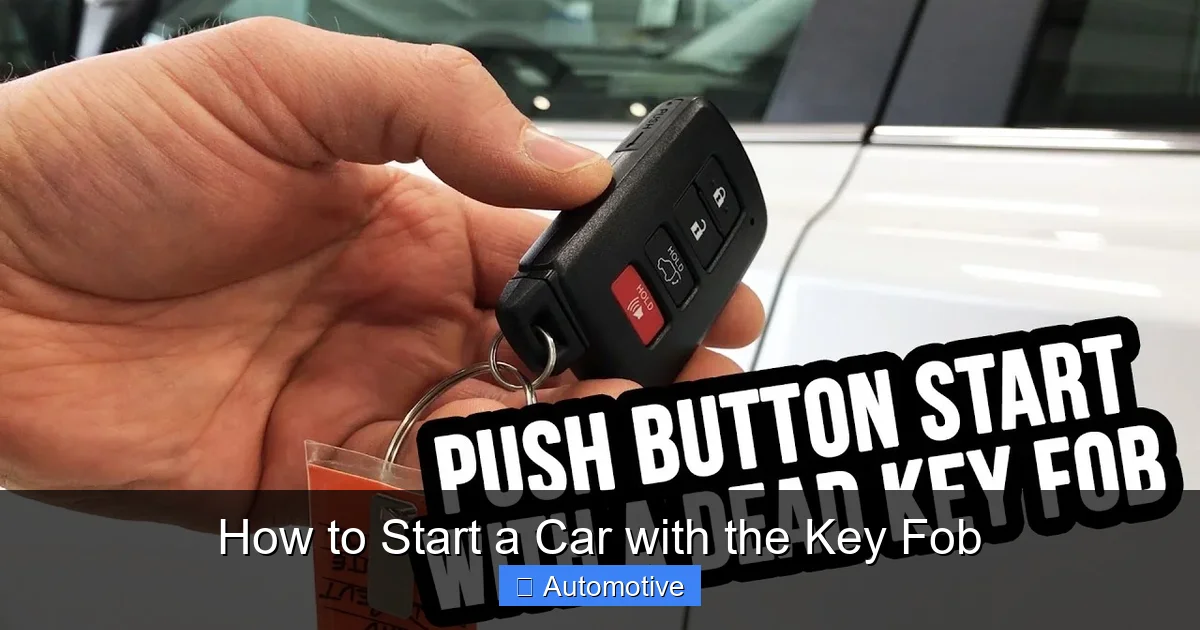
Visual guide about How to Start a Car with the Key Fob
Image source: i.ytimg.com
If your car has a push-button start system, starting the engine is as simple as pressing a button—but only if you follow the right steps. This method is common in vehicles from brands like Nissan, Subaru, Mazda, and many others. Here’s how to do it correctly.
First, make sure your key fob is inside the vehicle. The car won’t start if it can’t detect the fob. You don’t need to hold it up to the dashboard or place it in a special slot—just having it in your pocket, purse, or on the seat is usually enough. However, if the fob battery is weak, you may need to hold it near the start button or use a backup method (more on that later).
Next, press and hold the brake pedal. This is a critical step that many people overlook. Most push-button systems require the brake to be depressed before the engine will start. If you press the start button without pressing the brake, the car may enter “accessory” mode—turning on the radio and dashboard lights—but the engine won’t crank.
Once your foot is on the brake, press the start button firmly. You’ll hear the engine turn over and start. Release the button once the engine is running. Some vehicles have a “Start/Stop” button that you press once to start and again to shut off. Others may require you to hold the button for a second or two.
What If the Car Doesn’t Start?
If pressing the start button doesn’t work, don’t panic. There are a few common reasons this might happen. First, check if the fob battery is dead. A weak battery can prevent the car from detecting the fob, even if it’s inside. Many modern fobs have a small LED light that flashes when you press a button—if it doesn’t light up, the battery may need replacing.
Another possibility is that the fob is too far from the start button. In some cars, especially older models, the fob needs to be within a few inches of the button to be recognized. Try holding the fob directly against the start button or placing it in the designated fob slot (if your car has one).
Also, ensure you’re pressing the brake pedal fully. If your foot slips or you’re wearing thick shoes, the sensor might not register the pressure. Try pressing harder or adjusting your foot position.
Finally, check if the car is in “Park” or “Neutral.” Most vehicles won’t start if the transmission is in “Drive” or “Reverse.” Make sure the gear selector is in the correct position before attempting to start.
How to Start a Car with Remote Start Using the Key Fob
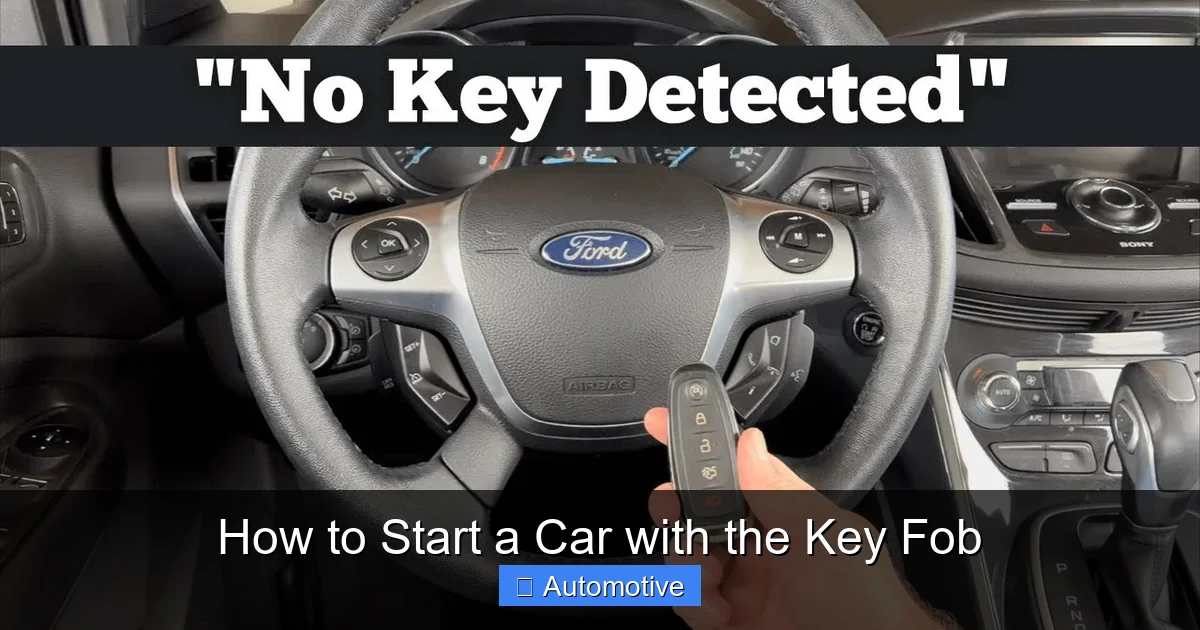
Visual guide about How to Start a Car with the Key Fob
Image source: i.ytimg.com
Remote start is one of the most convenient features of modern key fobs. It allows you to start your engine from outside the vehicle, so your car is already running and climate-controlled by the time you get in. This is especially useful in extreme weather—imagine stepping into a warm car on a freezing morning or a cool car on a scorching afternoon.
The exact steps for remote starting vary by manufacturer, but the general process is similar across most vehicles. First, make sure your car is locked and in “Park.” Remote start won’t work if the doors are unlocked or the transmission is in gear.
Next, stand within range of your vehicle—usually between 50 and 200 feet, depending on the fob and environmental conditions. Tall buildings, metal structures, and electronic interference can reduce the effective range.
Now, press the “Lock” button on your fob once. This ensures the car is secure before starting. Then, press and hold the “Remote Start” button (often labeled with a circular arrow or “2X”). Hold it for 3–5 seconds until you see the car’s lights flash or hear the engine start.
Some fobs require a two-step process: press “Lock,” then press “Remote Start” twice quickly. This prevents accidental activation. For example, on many Ford vehicles, you press “Lock,” then press “Remote Start” twice within five seconds.
Once the engine starts, it will run for a preset time—usually 5, 10, or 15 minutes—before automatically shutting off. You can often extend this time by pressing the remote start button again. When you’re ready to drive, simply unlock the doors (the car will remain running), get in, and press the brake pedal to disengage remote start mode.
Safety and Security Tips for Remote Start
While remote start is convenient, it’s important to use it safely. Never remote start your car in an enclosed space like a garage—carbon monoxide can build up and become deadly. Always start your car in a well-ventilated area.
Also, be aware of your surroundings. Starting your car remotely can attract attention, especially if the engine revs or the lights flash. Avoid using remote start in high-crime areas or when you’re unsure of who’s nearby.
Most modern systems include safety features to prevent theft. For example, if someone tries to drive off without the key fob, the engine will shut off once the brake is released. Some vehicles also require you to press the brake and start button to take control after remote starting.
Finally, remember that remote start doesn’t unlock the doors. You’ll still need to use the fob or keyless entry to get in. And if you don’t enter the car within the allotted time, the engine will shut off automatically.
Troubleshooting Common Key Fob Issues

Visual guide about How to Start a Car with the Key Fob
Image source: article.images.consumerreports.org
Even the most reliable key fobs can run into problems. Whether it’s a dead battery, signal interference, or a malfunctioning button, these issues can leave you stranded. The good news is that most problems are easy to fix with a little know-how.
One of the most common issues is a dead or weak fob battery. Most key fobs use a small coin-cell battery (like a CR2032), which lasts 2–5 years. When the battery starts to die, you might notice the fob’s range decreases, the buttons become unresponsive, or the LED light doesn’t flash. Replacing the battery is usually simple—just pop open the fob with a small screwdriver or your fingernail, swap out the old battery, and reassemble.
Another issue is signal interference. Electronic devices like smartphones, tablets, and even other key fobs can interfere with the fob’s signal. If your car isn’t responding, try moving away from potential sources of interference or holding the fob closer to the door handle or start button.
Sometimes, the fob itself may be damaged. Dropping it, exposing it to water, or leaving it in extreme temperatures can affect its performance. If the fob is cracked or the buttons are sticky, it may need to be replaced. Contact your dealership or a qualified locksmith for a new one—aftermarket fobs may not work with your vehicle’s security system.
What to Do If Your Fob Is Lost or Stolen
Losing your key fob can be stressful, but it’s not the end of the world. Most modern vehicles have backup methods to start the car. For example, many smart keys have a physical key hidden inside the fob that can be used to unlock the door. Once inside, you can often start the car by placing the fob in a designated slot or holding it near the start button.
If your fob is stolen, contact your dealership immediately. They can deactivate the old fob and program a new one, ensuring the thief can’t use it to access your vehicle. Some manufacturers also offer mobile apps that allow you to disable the fob remotely.
In the meantime, avoid leaving your car unattended and consider using a steering wheel lock or GPS tracker for added security.
Best Practices for Key Fob Maintenance and Security
To keep your key fob working reliably and your car secure, follow these best practices. First, replace the battery regularly—don’t wait until it dies completely. Keep a spare battery in your glove compartment or emergency kit.
Store your fob in a safe place when not in use. Avoid leaving it on a windowsill, near a microwave, or in a metal box—these can block the signal or drain the battery. A Faraday pouch or RFID-blocking wallet can protect your fob from electronic theft, where criminals use devices to amplify the signal and unlock your car.
Also, be mindful of where you leave your car. Parking in well-lit, secure areas reduces the risk of theft. If you use remote start, always check your surroundings before activating it.
Finally, keep your owner’s manual handy. It contains valuable information about your specific fob, including battery replacement instructions, remote start procedures, and troubleshooting tips.
Conclusion
Starting a car with the key fob is a simple yet powerful feature that enhances convenience, comfort, and security. Whether you’re using a push-button ignition, remote start, or a smart key, understanding how your fob works ensures a smooth experience every time you get behind the wheel.
By knowing the different types of fobs, following the correct starting procedures, and maintaining your device properly, you can avoid common pitfalls and enjoy the full benefits of modern automotive technology. Remember to keep your fob charged, stay within range, and always prioritize safety—especially when using remote start.
With this guide, you’re now equipped to start your car confidently, no matter the weather, time of day, or situation. So the next time you press that button, you’ll know exactly what’s happening—and why it works.
Frequently Asked Questions
Can I start my car if the key fob battery is dead?
Yes, in most cases. Many vehicles have a backup method, such as a physical key hidden in the fob or a designated fob slot near the start button. You can also try holding the fob directly against the start button to boost the signal.
How far away can I remote start my car?
Most remote start fobs work within 50 to 200 feet, but range can be reduced by walls, metal objects, or electronic interference. For best results, stand in direct line of sight with your vehicle.
Why won’t my car start even though the fob is inside?
This could be due to a weak fob battery, signal interference, or not pressing the brake pedal. Try replacing the battery, holding the fob near the start button, or ensuring your foot is firmly on the brake.
Is it safe to remote start my car in a garage?
No, it’s dangerous. Remote starting in an enclosed space can lead to carbon monoxide buildup, which is deadly. Always start your car in a well-ventilated area.
Can someone steal my car using my key fob?
Modern key fobs use encrypted signals and proximity detection, making theft difficult. However, always keep your fob secure and consider using a Faraday pouch to block unauthorized signals.
Do I need to reprogram my fob after replacing the battery?
In most cases, no. Simply replacing the battery won’t affect the fob’s programming. However, if the fob stops working after a battery change, consult your owner’s manual or dealership for troubleshooting steps.
