
How Often Should Change Fuel Filter

Changing your fuel filter at the right interval is crucial for optimal engine performance and fuel efficiency. Most manufacturers recommend replacing it every 30,000 to 60,000 miles, but driving conditions and fuel quality can affect this timeline.
Key Takeaways
- Replace every 30,000–60,000 miles: This is the standard recommendation from most automakers for gasoline-powered vehicles.
- Diesel engines need more frequent changes: Diesel fuel filters should typically be replaced every 10,000 to 25,000 miles due to higher contamination levels.
- Watch for warning signs: Hard starting, engine stalling, or reduced power may indicate a clogged fuel filter.
- Poor fuel quality shortens lifespan: If you frequently fill up at low-quality stations, consider changing the filter sooner.
- Follow your owner’s manual: Always check your vehicle’s specific maintenance schedule for accurate guidance.
- DIY vs. professional service: While some filters are accessible for DIY replacement, others require special tools and expertise.
- Preventive maintenance saves money: A clean fuel filter protects fuel injectors and the fuel pump, avoiding costly repairs.
📑 Table of Contents
- How Often Should Change Fuel Filter: A Complete Guide
- What Does a Fuel Filter Do?
- Manufacturer Recommendations: The Baseline
- Factors That Affect Fuel Filter Lifespan
- Signs Your Fuel Filter Needs Replacing
- DIY vs. Professional Replacement: What You Need to Know
- Tips for Maintaining a Healthy Fuel System
- Conclusion: Don’t Ignore the Fuel Filter
How Often Should Change Fuel Filter: A Complete Guide
You probably don’t think about your car’s fuel filter until something goes wrong—like your engine sputtering at a red light or struggling to start on a cold morning. But that small, often-overlooked component plays a huge role in keeping your vehicle running smoothly. The fuel filter is like the kidney of your engine’s fuel system: it filters out dirt, rust, water, and other contaminants before they reach the fuel injectors and combustion chamber.
So, how often should change fuel filter? It’s a question more drivers should be asking. Ignoring this simple maintenance task can lead to poor performance, reduced fuel economy, and even engine damage over time. While the answer isn’t one-size-fits-all, understanding your vehicle’s needs, driving habits, and fuel quality can help you determine the right replacement schedule. In this guide, we’ll break down everything you need to know—from manufacturer recommendations to real-world signs that your filter needs attention.
What Does a Fuel Filter Do?
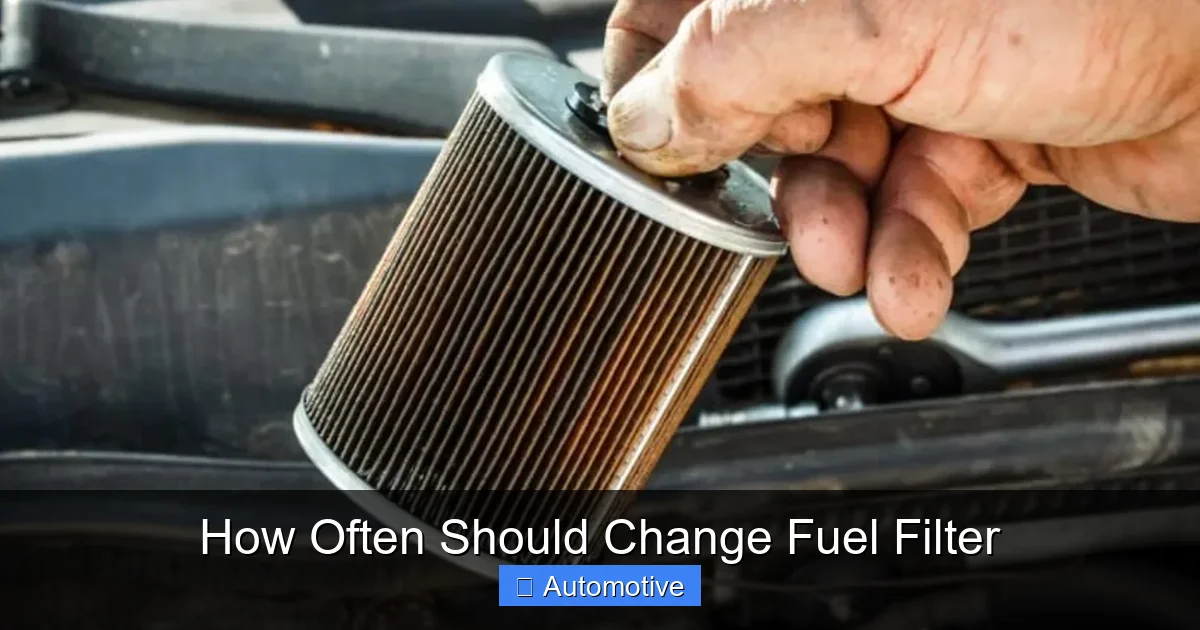
Before diving into replacement intervals, it’s important to understand what the fuel filter actually does. Think of it as a protective barrier between your gas tank and your engine. As fuel travels from the tank to the engine, it passes through the filter, which traps particles and impurities that could harm sensitive components like fuel injectors and the fuel pump.
Visual guide about How Often Should Change Fuel Filter
Image source: res.cloudinary.com
How It Works
Modern fuel filters are typically made of pleated paper or synthetic media housed in a metal or plastic casing. The design allows fuel to flow through while capturing contaminants. Over time, these trapped particles build up, gradually restricting fuel flow. When the filter becomes clogged, your engine doesn’t get the fuel it needs to run efficiently.
Why It Matters
A clean fuel filter ensures consistent fuel delivery, which is essential for smooth acceleration, optimal combustion, and overall engine health. Without it, contaminants can cause injector clogging, leading to misfires, rough idling, and even engine failure in extreme cases. In diesel engines, water contamination is especially dangerous—water in the fuel can cause corrosion and damage high-pressure fuel systems.
Location Matters
Fuel filters are usually located along the fuel line, either under the vehicle near the fuel tank or inside the engine bay. Some vehicles have in-tank filters that are part of the fuel pump assembly, making replacement more complex. Knowing where your filter is located can help you assess how easy (or difficult) it will be to replace it yourself.
Manufacturer Recommendations: The Baseline
When it comes to how often should change fuel filter, the best starting point is your vehicle’s owner’s manual. Most automakers provide a recommended maintenance schedule based on extensive testing and real-world data. These guidelines are designed to keep your vehicle performing at its best under normal driving conditions.

Visual guide about How Often Should Change Fuel Filter
Image source: germanformula.com
Gasoline Engines: 30,000 to 60,000 Miles
For most gasoline-powered cars, trucks, and SUVs, manufacturers typically recommend replacing the fuel filter every 30,000 to 60,000 miles. For example, Honda suggests replacement every 30,000 miles, while Toyota often extends it to 60,000 miles. Luxury brands like BMW and Mercedes-Benz may recommend changes every 40,000 to 50,000 miles, depending on the model.
Diesel Engines: More Frequent Changes
Diesel engines are more sensitive to fuel contamination due to their high-pressure fuel systems. As a result, diesel fuel filters usually need to be replaced more often—typically every 10,000 to 25,000 miles. Some heavy-duty diesel trucks may require changes as frequently as every 15,000 miles, especially if they’re used for towing or off-road driving.
Hybrid and Modern Vehicles
Many newer vehicles, especially hybrids and those with direct injection systems, have sealed fuel systems with filters that are designed to last the life of the vehicle. In these cases, the filter may not be serviceable by the owner and is only replaced if a problem is detected. Always check your manual—some automakers list the fuel filter under “lifetime” components, but that doesn’t mean it never needs attention.
Factors That Affect Fuel Filter Lifespan
While manufacturer recommendations are a great starting point, real-world conditions can shorten or extend your fuel filter’s lifespan. Understanding these factors can help you adjust your maintenance schedule accordingly.

Visual guide about How Often Should Change Fuel Filter
Image source: bostechauto.com
Fuel Quality and Source
Not all gas stations are created equal. If you frequently fill up at discount stations or in areas with known fuel quality issues, your filter may clog faster. Contaminants like dirt, rust, and ethanol byproducts can accumulate more quickly in lower-quality fuel. If you notice your car running poorly after filling up at a particular station, it might be time to switch brands or locations.
Driving Conditions
Your driving habits and environment also play a role. Short trips, stop-and-go traffic, and extreme temperatures can increase engine strain and fuel system wear. For example, if you mostly drive in city traffic with frequent idling, your engine may draw more contaminated fuel, accelerating filter clogging. Similarly, dusty rural roads or construction zones can introduce more particles into the fuel system.
Age and Mileage of the Vehicle
Older vehicles with high mileage are more prone to fuel system issues. Over time, the fuel tank can develop rust or sediment, which increases the load on the filter. If you drive a classic car or a high-mileage vehicle, consider inspecting or replacing the fuel filter more frequently—even if you haven’t hit the mileage recommendation.
Ethanol-Blended Fuels
Most gasoline sold in the U.S. contains up to 10% ethanol (E10), and some stations offer higher blends like E15. While ethanol is cleaner-burning, it can attract moisture and promote the growth of bacteria and sludge in the fuel system. This can lead to faster filter clogging, especially in vehicles that sit for long periods. If you use ethanol-blended fuels regularly, consider more frequent filter checks.
Signs Your Fuel Filter Needs Replacing
Even if you’re following the recommended schedule, it’s smart to watch for symptoms that your fuel filter may be failing. Early detection can prevent more serious issues down the road.
Engine Hard Starting or No Start
If your engine cranks but won’t start, or takes longer than usual to fire up, a clogged fuel filter could be the culprit. Restricted fuel flow means the engine isn’t getting enough fuel to ignite, especially when cold. This is one of the most common signs of a failing filter.
Rough Idling or Stalling
A dirty fuel filter can cause inconsistent fuel delivery, leading to rough idling, hesitation, or even stalling—especially at low speeds or when coming to a stop. You might notice the engine “chugging” or feeling like it’s about to die.
Loss of Power Under Load
If your car struggles to accelerate, especially when climbing hills or towing, it could be due to insufficient fuel flow. A clogged filter restricts the amount of fuel reaching the engine, reducing power and performance. This is often mistaken for transmission or ignition problems.
Decreased Fuel Economy
When the engine isn’t getting enough fuel, it may compensate by running richer (burning more fuel), which lowers gas mileage. If you notice your MPG dropping without any other explanation, a dirty fuel filter could be to blame.
Check Engine Light
In some cases, a severely clogged fuel filter can trigger the check engine light. Modern vehicles monitor fuel pressure and airflow, and if the system detects a drop in performance, it may store a diagnostic trouble code (DTC). Common codes related to fuel delivery include P0171 (system too lean) or P0300 (random misfire).
Unusual Engine Noises
A failing fuel pump—often caused by a clogged filter—can produce a whining or humming noise from the fuel tank area. The pump has to work harder to push fuel through a restricted filter, which can lead to premature wear and noise.
DIY vs. Professional Replacement: What You Need to Know
Replacing a fuel filter can be a straightforward task for some vehicles, but a complex job for others. Knowing whether to tackle it yourself or visit a mechanic can save you time, money, and frustration.
DIY Replacement: When It’s Feasible
If your fuel filter is easily accessible—usually under the car along the fuel line—you may be able to replace it yourself. You’ll need basic tools like wrenches, safety glasses, and a container to catch any spilled fuel. Always relieve fuel system pressure before starting (consult your manual for instructions), and work in a well-ventilated area.
For example, many older Ford and GM trucks have inline fuel filters that can be replaced in under an hour with basic tools. Just remember to disconnect the battery, wear gloves, and avoid open flames or sparks.
When to Call a Professional
Some fuel filters are located inside the fuel tank or integrated with the fuel pump, requiring special tools and expertise to access. Modern vehicles with returnless fuel systems or high-pressure direct injection often fall into this category. Attempting to replace these filters without proper training can damage the fuel system or void your warranty.
Additionally, if you’re unsure about the process or don’t have the right tools, it’s safer to let a certified technician handle it. A professional can also inspect the entire fuel system for leaks, pressure issues, or other problems while they’re under the hood.
Cost Considerations
The cost of a fuel filter replacement varies widely. A basic inline filter might cost $15–$50 for the part, while labor can add $50–$150 depending on accessibility. In-tank filters or those requiring fuel pump removal can cost $200–$500 or more. While DIY can save money, weigh the risk of mistakes against the cost of professional service.
Tips for Maintaining a Healthy Fuel System
Replacing the fuel filter is just one part of keeping your fuel system in top shape. A few simple habits can extend the life of your filter and protect your engine.
Use High-Quality Fuel
Choose reputable gas stations with clean pumps and good turnover. Top-tier gasoline brands often include additional detergents that help keep fuel injectors and filters cleaner. Avoid filling up when a tanker is delivering fuel—stirring up sediment in the underground tank can send debris into your car.
Keep Your Fuel Tank Above a Quarter Full
Running your tank too low increases the risk of drawing in sediment and moisture that settle at the bottom. Keeping it above a quarter full also helps prevent condensation, which can lead to water contamination—especially in humid climates.
Inspect During Regular Maintenance
Ask your mechanic to check the fuel filter during oil changes or inspections, even if it’s not due for replacement. A visual inspection can reveal signs of clogging or damage before symptoms appear.
Consider a Fuel Additive
Occasional use of a fuel system cleaner can help dissolve deposits and keep injectors clean. Look for products that are compatible with your fuel type (gasoline or diesel) and follow the instructions carefully. Avoid overuse, as some additives can damage seals or sensors.
Monitor for Recurring Issues
If you replace the fuel filter and continue to experience performance problems, there may be a deeper issue—like a failing fuel pump, clogged injectors, or a contaminated fuel tank. Don’t ignore persistent symptoms; have a professional diagnose the root cause.
Conclusion: Don’t Ignore the Fuel Filter
So, how often should change fuel filter? While the general rule is every 30,000 to 60,000 miles for gasoline engines and every 10,000 to 25,000 miles for diesels, your specific situation may call for earlier attention. Pay attention to your vehicle’s performance, driving conditions, and fuel quality to make informed decisions.
Replacing a fuel filter is a small investment that can prevent big problems. It protects your engine, improves fuel efficiency, and ensures reliable performance. Whether you do it yourself or visit a trusted mechanic, staying on top of this maintenance task is one of the simplest ways to keep your car running smoothly for years to come. Don’t wait for your engine to sputter—be proactive, stay informed, and give your fuel system the care it deserves.
Frequently Asked Questions
How often should I change my fuel filter if I drive in the city?
If you primarily drive in stop-and-go city traffic, consider replacing your fuel filter closer to the lower end of the recommended range—around 30,000 miles. Frequent idling and short trips can increase contamination and strain the fuel system.
Can a clogged fuel filter cause my car to stall?
Yes, a severely clogged fuel filter can restrict fuel flow, causing the engine to stall—especially at low speeds or when idling. This happens because the engine isn’t receiving enough fuel to maintain combustion.
Is it safe to drive with a dirty fuel filter?
Driving with a dirty fuel filter is not recommended. While it may not cause immediate failure, it can lead to poor performance, reduced fuel economy, and potential damage to the fuel pump and injectors over time.
Can I clean and reuse a fuel filter?
No, fuel filters are designed for single use and cannot be effectively cleaned. Attempting to clean or reuse one can compromise its filtering ability and lead to engine problems.
Does premium fuel extend the life of my fuel filter?
Premium fuel may contain more detergents that help keep the fuel system cleaner, potentially extending filter life slightly. However, the difference is usually minimal, and regular maintenance remains the most important factor.
What happens if I never change my fuel filter?
If you never change your fuel filter, it will eventually become completely clogged, cutting off fuel flow to the engine. This can cause the engine to stall, fail to start, or suffer internal damage from running lean or with contaminated fuel.
