
How Tall Is a 285/60r20 Tire

Wondering how tall a 285/60R20 tire really is? This popular tire size measures approximately 33 inches in diameter, making it ideal for lifted trucks and rugged SUVs. It offers a balanced mix of off-road capability, on-road comfort, and aggressive styling—perfect for drivers who want performance without sacrificing practicality.
Key Takeaways
- Exact Height: A 285/60R20 tire is about 33.0 inches tall, making it a great mid-to-large size for trucks and SUVs.
- Width Matters: The tire is 285 millimeters wide (about 11.2 inches), providing excellent grip and stability on various terrains.
- Rim Compatibility: Designed for 20-inch wheels, this tire fits most modern trucks, Jeeps, and full-size SUVs with proper clearance.
- Aspect Ratio Explained: The “60” means the sidewall height is 60% of the tire’s width, balancing comfort and handling.
- Ideal for Off-Roading: With a tall, wide profile, it excels on dirt, mud, and rocky trails while still performing well on highways.
- Speed and Load Ratings: Most 285/60R20 tires support high load capacities and speed ratings up to 110 mph, suitable for heavy-duty use.
- Fuel Economy Impact: Larger tires can reduce fuel efficiency slightly, but modern designs minimize this effect with low rolling resistance.
📑 Table of Contents
- How Tall Is a 285/60R20 Tire? The Complete Breakdown
- Understanding Tire Size Notation: What Does 285/60R20 Mean?
- Why Tire Height Matters: Performance, Fit, and Function
- 285/60R20 Tire Width and Sidewall: What You Need to Know
- Vehicle Compatibility: Which Trucks and SUVs Use 285/60R20 Tires?
- Performance Benefits: Off-Road, On-Road, and Everything In Between
- Popular 285/60R20 Tire Models and What to Look For
- Installation, Maintenance, and Longevity Tips
- Conclusion: Is the 285/60R20 Tire Right for You?
How Tall Is a 285/60R20 Tire? The Complete Breakdown
If you’re shopping for new tires or upgrading your vehicle’s setup, you’ve probably come across the size “285/60R20” and wondered—just how tall is that, really? It’s a common question, especially for truck and SUV owners who want to balance performance, looks, and practicality. The short answer? A 285/60R20 tire is approximately 33 inches in diameter. But there’s a lot more to unpack behind those numbers.
Tire sizing can seem like a secret code at first glance. But once you understand what each part means, it becomes much easier to make smart choices. Whether you’re lifting your truck, prepping for off-road adventures, or just looking for a smoother ride, knowing your tire dimensions is essential. In this guide, we’ll walk you through everything you need to know about the 285/60R20 tire—its exact height, width, how it fits on your vehicle, and why it’s such a popular choice among drivers who demand both function and flair.
Understanding Tire Size Notation: What Does 285/60R20 Mean?
Visual guide about How Tall Is a 285/60r20 Tire
Image source: tiresalley.com
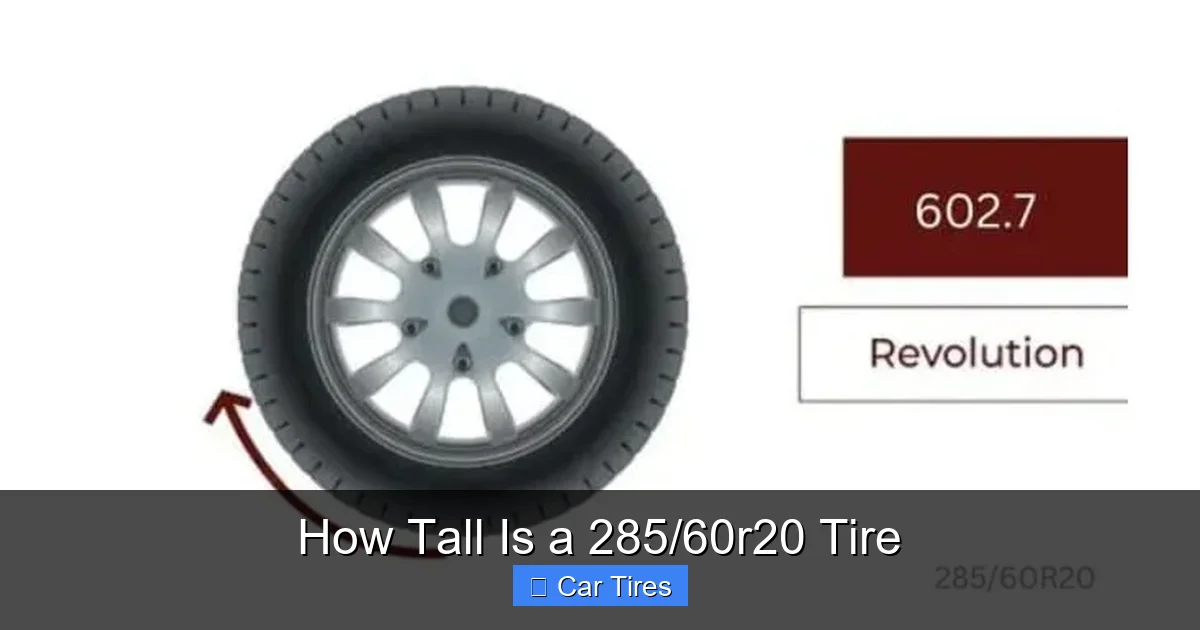
Let’s start with the basics. The code “285/60R20” might look like a random string of numbers, but each digit has a specific meaning. Breaking it down helps you understand not just the height, but the entire profile of the tire.
The first number, 285, refers to the tire’s width in millimeters. That’s the measurement from one sidewall to the other when the tire is mounted and inflated. In inches, that’s roughly 11.2 inches—a fairly wide tire that gives you solid contact with the road (or trail). Wider tires generally offer better traction, especially in off-road conditions or during sharp turns.
Next comes the aspect ratio: the “60” in 285/60R20. This number represents the height of the tire’s sidewall as a percentage of its width. So, 60% of 285 mm equals about 171 mm. That’s the distance from the rim to the tread. A lower aspect ratio means a shorter sidewall (common on performance tires), while a higher number means a taller, more flexible sidewall—great for absorbing bumps.
The “R” stands for radial construction, which is the standard for modern tires. Radial tires have layers of fabric and steel belts running radially across the tire, offering better durability, heat resistance, and fuel efficiency.
Finally, the “20” indicates the wheel diameter in inches. This tire is designed to fit on a 20-inch rim. So if you have 20-inch wheels, this size will bolt right on—assuming your vehicle has enough clearance.
Calculating the Exact Height of a 285/60R20 Tire
Now, let’s get to the main event: how tall is a 285/60R20 tire? To calculate the overall diameter, you need to consider both the wheel size and the sidewall height—twice, because the tire sits on top and bottom of the rim.
Here’s the formula:
**Overall Diameter = (Sidewall Height × 2) + Wheel Diameter**
We already know the wheel diameter is 20 inches. The sidewall height is 60% of 285 mm, which is 171 mm. Convert that to inches (171 ÷ 25.4 ≈ 6.73 inches). Multiply by two (since there’s a sidewall on top and bottom): 6.73 × 2 = 13.46 inches. Add the wheel diameter: 13.46 + 20 = 33.46 inches.
So, the exact height of a 285/60R20 tire is approximately **33.5 inches**. Most manufacturers round this to **33 inches** for simplicity, but the precise measurement is just over 33.5 inches. This makes it taller than a standard 32-inch tire but slightly shorter than a 35-inch one—placing it in a sweet spot for many drivers.
Why Tire Height Matters: Performance, Fit, and Function
Visual guide about How Tall Is a 285/60r20 Tire
Image source: tiresalley.com
Knowing the height of your tire isn’t just about numbers—it affects how your vehicle performs, looks, and even how much it costs to operate. A 33-inch tire like the 285/60R20 strikes a great balance between capability and practicality.
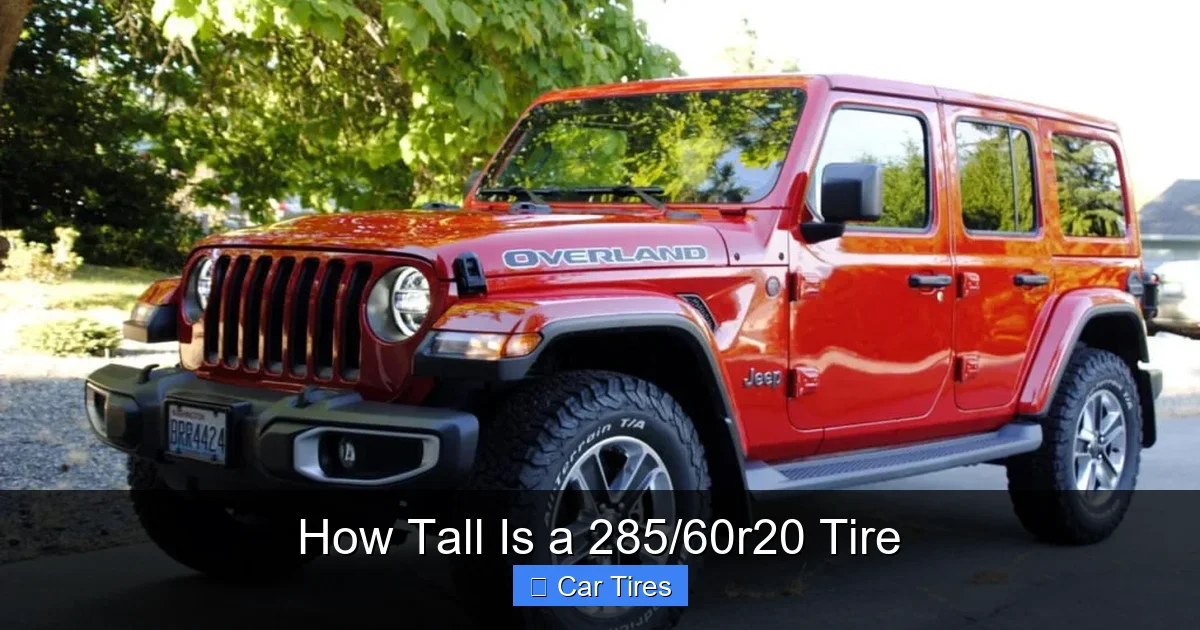
One of the biggest benefits of a taller tire is increased ground clearance. This is crucial for off-roading, where rocks, ruts, and uneven terrain can damage the undercarriage. With an extra inch or two of clearance, you’re less likely to get hung up on obstacles. That’s why many Jeep Wrangler, Ford F-150, and Chevrolet Silverado owners choose this size when upgrading from stock.
Taller tires also improve approach, departure, and breakover angles—key metrics for off-road capability. These angles determine how steep an incline your vehicle can climb without scraping the front, rear, or middle. A 33-inch tire gives you a noticeable improvement over smaller stock sizes, especially on lifted vehicles.
But height isn’t just for off-roading. On the highway, a slightly taller tire can provide a smoother ride by absorbing more road imperfections. The taller sidewall acts like a cushion, reducing the jarring feel of potholes and rough pavement. This is especially helpful for daily drivers who want comfort without giving up performance.
Impact on Speedometer and Odometer Accuracy
One thing to keep in mind: changing tire size affects your speedometer and odometer readings. Since a 285/60R20 tire is taller than many stock tires, it covers more ground per revolution. That means your vehicle will actually be going faster than the speedometer shows.
For example, if your speedometer reads 60 mph, you might actually be traveling closer to 62 or 63 mph. Over time, this can lead to inaccurate mileage tracking and even speeding tickets if you’re not careful. The good news? Most modern vehicles allow you to recalibrate the speedometer through the onboard computer or with a tuner. Some aftermarket tire shops also offer this service during installation.
It’s a small step, but an important one. Getting your speedometer recalibrated ensures your vehicle’s electronics—like cruise control, ABS, and traction control—work correctly with the new tire size.
285/60R20 Tire Width and Sidewall: What You Need to Know
Visual guide about How Tall Is a 285/60r20 Tire
Image source: tiresalley.com
While height gets a lot of attention, the width and sidewall of a 285/60R20 tire are just as important. Together, they define how the tire handles, grips, and feels on the road.
As mentioned, the width is 285 millimeters, or about 11.2 inches. That’s significantly wider than many stock truck tires, which often range from 265 to 275 mm. A wider tire means a larger contact patch—the area of the tire that touches the ground. More contact equals better traction, especially in wet, muddy, or loose conditions.
But wider isn’t always better. On paved roads, a very wide tire can increase rolling resistance, which may reduce fuel economy. It can also make steering feel heavier, especially at low speeds. However, modern tire technology—like silica-enhanced tread compounds and optimized tread patterns—helps offset these downsides. Many 285/60R20 tires are designed to be fuel-efficient without sacrificing grip.
The Role of the 60 Aspect Ratio
The “60” in 285/60R20 refers to the aspect ratio—the sidewall height as a percentage of the tire’s width. In this case, the sidewall is 60% of 285 mm, or about 171 mm (6.73 inches). This is considered a moderate aspect ratio, offering a blend of comfort and responsiveness.
Tires with a lower aspect ratio (like 50 or 45) have shorter sidewalls, which improve handling and cornering stability—great for sports cars. But they also transmit more road shock to the vehicle, leading to a harsher ride. On the other hand, higher aspect ratios (like 70 or 75) have taller sidewalls that absorb bumps better but can feel sluggish in turns.
The 60 aspect ratio strikes a middle ground. It’s tall enough to cushion the ride on rough terrain, yet short enough to maintain good steering feedback on pavement. This makes the 285/60R20 a versatile choice for drivers who split their time between city streets and backcountry trails.
Vehicle Compatibility: Which Trucks and SUVs Use 285/60R20 Tires?
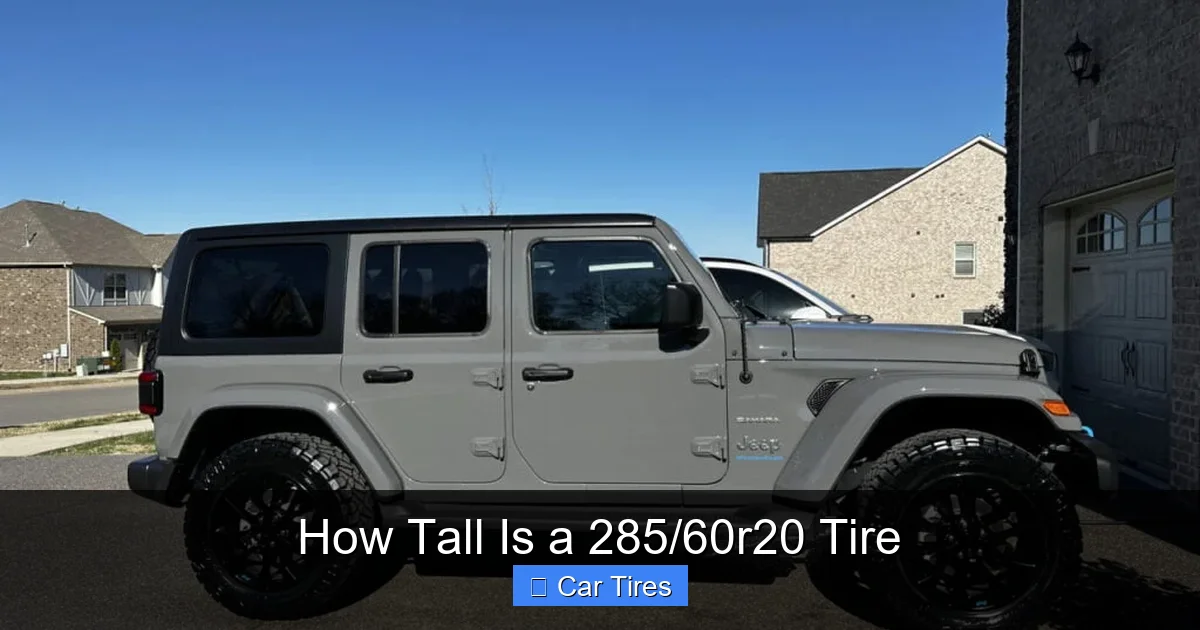
The 285/60R20 tire is a favorite among owners of full-size trucks and large SUVs. Its 33-inch height and 20-inch rim compatibility make it a natural fit for vehicles that are often lifted or used for heavy-duty tasks.
Popular models that can accommodate this tire size include:
– Ford F-150 (especially lifted or leveled versions)
– Chevrolet Silverado 1500
– GMC Sierra 1500
– Ram 1500
– Toyota Tundra
– Nissan Titan
– Jeep Wrangler (JL and JK models with lift kits)
– Ford Expedition and Lincoln Navigator
– Chevrolet Tahoe and Suburban
Most of these vehicles come with smaller stock tires—often 275/60R20 or 275/55R20—so upgrading to 285/60R20 requires checking for clearance. On stock suspensions, you might experience rubbing at full turn or when hitting bumps. That’s why many owners install a leveling kit or a 2- to 3-inch lift to create extra space.
Checking Fitment: Clearance and Suspension Upgrades
Before buying 285/60R20 tires, it’s crucial to verify that they’ll fit your vehicle without issues. Start by measuring the space around your current tires—especially the distance to the fender, suspension components, and brake lines.
A good rule of thumb: if your stock tire is 32 inches or smaller, you’ll likely need at least a 2-inch leveling kit to fit 33-inch tires comfortably. Leveling kits raise the front of the truck to match the rear, improving both appearance and clearance.
For serious off-roading, a full suspension lift (3 inches or more) gives you even more room and allows for larger tires down the road. But even a modest lift can make a big difference in fitment and performance.
Another tip: consider the tire’s load range and ply rating. The 285/60R20 comes in various load ranges (like C, D, or E), which indicate how much weight the tire can support. For trucks that tow or haul, a higher load range (like E) is recommended for safety and durability.
Performance Benefits: Off-Road, On-Road, and Everything In Between
The 285/60R20 tire isn’t just about size—it’s about performance. Whether you’re crawling over rocks, cruising down the highway, or towing a trailer, this tire delivers a well-rounded experience.
Off-Road Capability
For off-road enthusiasts, the 285/60R20 is a solid choice. The tall, wide profile provides excellent flotation over sand, mud, and snow. The large contact patch grips uneven terrain, while the flexible sidewall absorbs impacts from rocks and roots.
Many 285/60R20 tires are available in aggressive all-terrain or mud-terrain tread patterns. These designs feature deep lugs, open shoulders, and reinforced sidewalls to handle tough conditions. Brands like BFGoodrich, Goodyear, and Nitto offer popular models in this size, such as the BFGoodrich All-Terrain T/A KO2 and the Nitto Ridge Grappler.
When paired with a lifted suspension and locking differentials, these tires can tackle everything from forest trails to desert dunes. Just remember: more aggressive tread can increase road noise and reduce fuel economy on pavement.
On-Road Comfort and Handling
Despite its off-road prowess, the 285/60R20 doesn’t sacrifice on-road manners. Thanks to modern construction and tread designs, many models offer a quiet, comfortable ride on highways and city streets.
The moderate aspect ratio helps maintain responsive steering, while the wide footprint improves cornering stability. Some tires even feature noise-canceling technology or variable pitch tread blocks to reduce road hum.
Fuel economy is another consideration. Larger, heavier tires require more energy to rotate, which can lower gas mileage. However, many 285/60R20 tires are engineered with low rolling resistance compounds to minimize this effect. You might see a 1-2 mpg drop compared to stock tires, but it’s often a worthwhile trade-off for the added capability.
Towing and Hauling Performance
If you use your truck for work or recreation, the 285/60R20 can handle heavy loads with confidence. Tires in this size often come with high load indexes (like 125 or 126), meaning they can support over 3,600 pounds per tire when properly inflated.
This makes them ideal for towing trailers, boats, or campers. The wider tread and sturdy construction help maintain stability under load, reducing the risk of sway or blowouts. Just be sure to check your tire’s load range and inflation recommendations, especially when carrying heavy cargo.
Popular 285/60R20 Tire Models and What to Look For
With so many options on the market, choosing the right 285/60R20 tire can feel overwhelming. Here are some top-rated models and key features to consider.
Top All-Terrain Tires
– **BFGoodrich All-Terrain T/A KO2:** Known for durability and off-road performance, with a 50,000-mile treadwear warranty.
– **Goodyear Wrangler Duratrac:** Excellent in snow and mud, with aggressive tread and self-cleaning lugs.
– **Cooper Discoverer AT3 4S:** A balanced choice for daily driving and light off-roading, with great wet traction.
Top Mud-Terrain Tires
– **Nitto Trail Grappler:** Aggressive look and strong sidewall protection, great for rock crawling.
– **Mickey Thompson Baja Boss MTZ:** Designed for extreme conditions, with cut- and chip-resistant compound.
– **Toyo Open Country M/T:** Durable and quiet for a mud tire, with excellent tread life.
What to Look For When Buying
– **Tread Pattern:** Choose all-terrain for versatility, mud-terrain for extreme off-roading.
– **Load Range:** Match to your vehicle’s needs—E for heavy-duty, D for moderate use.
– **Speed Rating:** Most are rated for 110 mph (S or T), sufficient for highway driving.
– **Warranty:** Look for treadwear warranties of 40,000–60,000 miles.
– **Price:** Expect to pay $200–$400 per tire, depending on brand and features.
Installation, Maintenance, and Longevity Tips
Once you’ve chosen your 285/60R20 tires, proper installation and care are key to getting the most out of them.
Always have your tires installed by a professional shop that can balance them and check for proper fitment. After installation, get a wheel alignment to prevent uneven wear.
Rotate your tires every 5,000–7,000 miles to promote even tread wear. Check tire pressure monthly—underinflated tires wear faster and reduce fuel economy. Keep a tire pressure gauge in your glove box for quick checks.
Inspect tread depth regularly. Most tires have wear bars that appear when tread is worn down to 2/32 of an inch—the legal minimum. For off-road tires, consider replacing at 4/32 for better traction.
Finally, store spare tires properly if you carry one. Keep it inflated and out of direct sunlight to prevent dry rot.
Conclusion: Is the 285/60R20 Tire Right for You?
So, how tall is a 285/60R20 tire? About 33.5 inches—making it a versatile, capable, and stylish choice for trucks and SUVs. It offers a great balance of height, width, and sidewall flexibility, delivering strong performance both on and off the road.
Whether you’re upgrading for better off-road traction, a more aggressive look, or improved towing capacity, this tire size is a smart pick. Just make sure your vehicle has the right suspension setup and clearance to accommodate it.
With proper installation, maintenance, and alignment, a set of 285/60R20 tires can serve you well for tens of thousands of miles. They’re not the smallest, nor the largest, but they strike a perfect middle ground for drivers who want capability without compromise.
So if you’re ready to elevate your ride—literally and figuratively—the 285/60R20 might just be the tire you’ve been looking for.
Frequently Asked Questions
How tall is a 285/60R20 tire in inches?
A 285/60R20 tire is approximately 33.5 inches tall. Most manufacturers round this to 33 inches for simplicity, but the exact measurement is just over 33.5 inches when calculated using the sidewall height and wheel diameter.
Will 285/60R20 tires fit on my stock truck?
It depends on your vehicle. Many full-size trucks can fit 285/60R20 tires with a leveling kit or minor suspension modification. Stock suspensions may cause rubbing, so check clearance before installing.
Are 285/60R20 tires good for off-roading?
Yes, especially in all-terrain or mud-terrain tread patterns. Their 33-inch height and wide footprint provide excellent traction and ground clearance for trails, rocks, and mud.
Do larger tires like 285/60R20 reduce fuel economy?
They can, due to increased weight and rolling resistance. However, many modern 285/60R20 tires are designed with fuel-efficient compounds to minimize the impact, typically resulting in a 1-2 mpg drop.
What’s the difference between 285/60R20 and 275/60R20?
The 285 is 10 millimeters wider (about 0.4 inches), giving it a slightly larger contact patch and more aggressive look. The height is nearly identical—around 33 inches—so fitment is similar.
Can I use 285/60R20 tires for towing?
Yes, as long as the tire has a high enough load range (like E) and proper inflation. These tires are commonly used on trucks that tow trailers, boats, or campers due to their strength and stability.