
Spare Tire Well Fuel Cell

A spare tire well fuel cell replaces your vehicle’s spare tire with a high-performance, safe fuel storage system. It’s popular in racing, off-roading, and custom builds where space, weight, and safety matter.
If you’ve ever looked under the trunk of a high-performance car or a rugged off-road truck and noticed there’s no spare tire—just a sleek, rectangular tank—you’ve probably seen a spare tire well fuel cell in action. These clever devices are becoming increasingly popular among car enthusiasts, racers, and overlanders who want to optimize space, reduce weight, and boost safety without sacrificing fuel capacity.
At first glance, it might seem odd to replace a spare tire with a fuel tank. After all, isn’t the spare tire a safety essential? Well, yes—but only if you actually use it. Many modern drivers, especially those with roadside assistance plans or run-flat tires, rarely need a spare. That unused space in the wheel well becomes prime real estate for something more useful: extra fuel.
A spare tire well fuel cell is essentially a specialized fuel tank designed to fit snugly into the cavity where your spare tire would normally sit. It’s made from lightweight, durable materials like aluminum or high-density polyethylene (HDPE), and it’s engineered to meet strict safety standards. Whether you’re prepping for a desert rally, building a track-day machine, or just want more range for long road trips, this upgrade can be a smart, practical solution.
Key Takeaways
- Space-Saving Design: A spare tire well fuel cell fits perfectly into the spare tire cavity, maximizing interior or trunk space without major modifications.
- Enhanced Safety: Built with durable, puncture-resistant materials and safety features like rollover valves and foam baffling to prevent leaks and explosions.
- Weight Reduction: Lighter than traditional steel gas tanks, helping improve fuel efficiency and vehicle performance.
- Ideal for Performance Vehicles: Commonly used in race cars, off-road rigs, and custom builds where every pound and inch counts.
- Customizable Capacity: Available in various sizes to match your fuel needs, from small auxiliary tanks to full replacement systems.
- Easy Installation: Designed to bolt or fit securely into the spare tire well, often requiring minimal tools and expertise.
- Legal and DOT-Compliant Options: Many models meet Department of Transportation standards for street-legal use.
📑 Table of Contents
What Is a Spare Tire Well Fuel Cell?
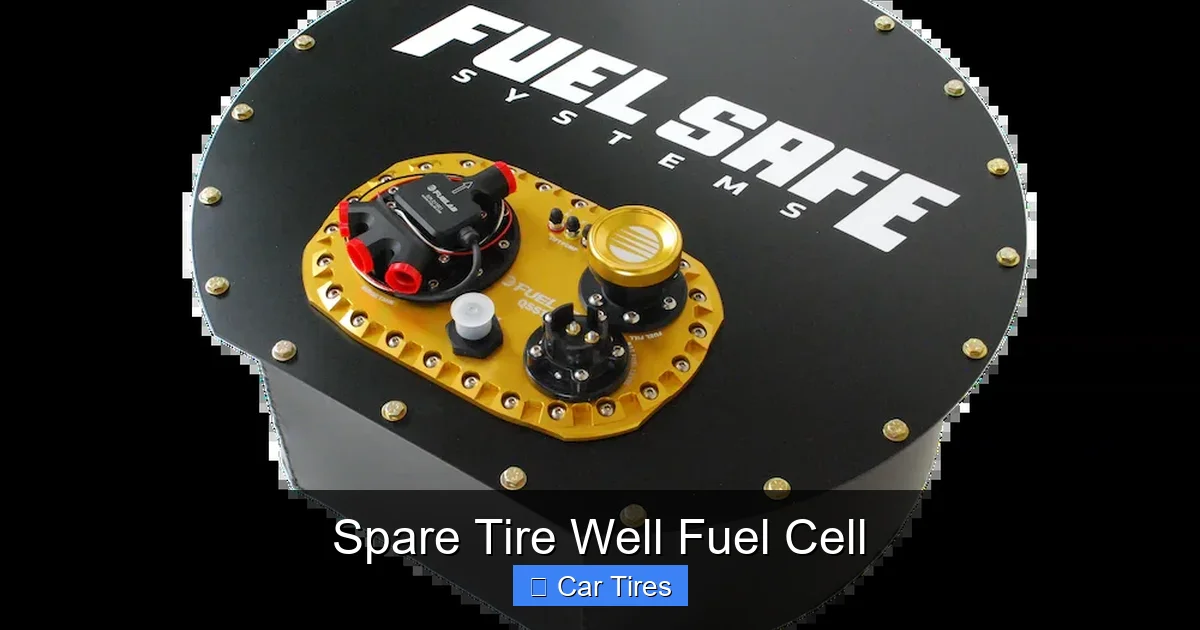
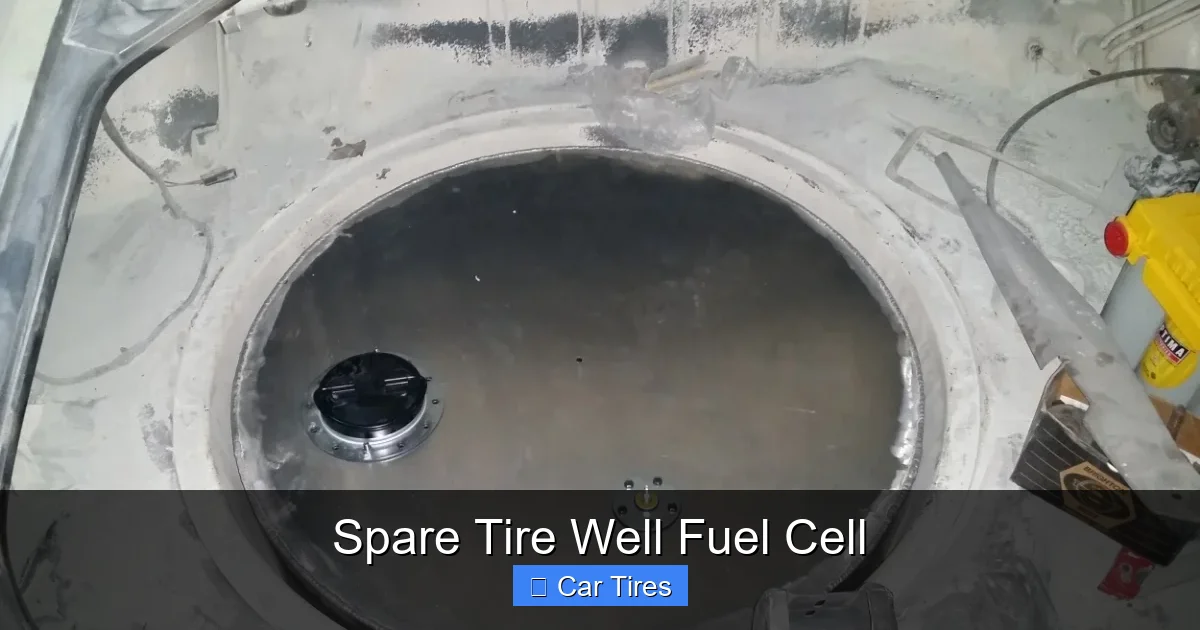
A spare tire well fuel cell is a custom-shaped fuel tank that replaces the spare tire in your vehicle’s trunk or undercarriage. It’s designed to utilize the often-wasted space in the spare tire well, turning it into a functional fuel storage system. These cells are commonly used in performance vehicles, race cars, off-road trucks, and custom builds where every ounce and inch matters.
Unlike standard gas tanks, spare tire well fuel cells are built with safety and performance in mind. They’re typically made from materials that resist corrosion, punctures, and impacts. Many also include internal foam baffling to prevent fuel sloshing, which can affect vehicle balance and even cause engine stalling during aggressive driving.
One of the biggest advantages is their shape. Because they’re molded to fit the spare tire cavity, they maximize space without requiring major modifications to your vehicle. This makes them a popular choice for drivers who want to add fuel capacity without sacrificing trunk space or aesthetics.
How It Differs from a Standard Fuel Tank
Standard fuel tanks are usually located under the vehicle, often near the rear axle. They’re designed for everyday driving and are built to last, but they’re not optimized for performance or space efficiency. In contrast, a spare tire well fuel cell is a secondary or replacement tank that’s strategically placed for better weight distribution and accessibility.
For example, in a race car, having the fuel tank closer to the center of gravity can improve handling. In an off-road vehicle, placing the tank in the spare tire well protects it from rocks and debris that might damage an underbody tank. Plus, because it’s higher up, it’s less likely to get contaminated with mud or water.
Common Uses and Applications
Spare tire well fuel cells are used in a variety of vehicles and scenarios:
- Race Cars: Lightweight and compact, they help reduce overall vehicle weight while providing reliable fuel delivery during high-speed events.
- Off-Road Vehicles: Overlanders and rock crawlers use them to carry extra fuel for long, remote trips where gas stations are scarce.
- Custom Builds: Car enthusiasts modifying their vehicles for performance or aesthetics often install these cells to free up trunk space or improve balance.
- Street Legal Performance Cars: Some drivers replace their factory tank entirely with a DOT-approved fuel cell for better efficiency and safety.
Benefits of Using a Spare Tire Well Fuel Cell
Visual guide about Spare Tire Well Fuel Cell
Image source: fuelsafe.com
Upgrading to a spare tire well fuel cell offers several compelling advantages, especially if you’re serious about performance, safety, or long-distance travel. Let’s break down the key benefits.
Maximizes Storage Space
One of the most obvious perks is space savings. The spare tire well is often underutilized—especially if you carry a compact spare or no spare at all. By installing a fuel cell, you reclaim that area for fuel storage, which can be a game-changer for road trips or overlanding.
Imagine driving through the desert with an extra 10–20 gallons of fuel tucked neatly under your trunk floor. You don’t have to stop as often, and you’re less stressed about running low in remote areas. Plus, you still have full use of your trunk for gear, luggage, or tools.
Improves Vehicle Weight Distribution
Weight distribution plays a huge role in how a car handles, especially during cornering, braking, and acceleration. Placing a fuel cell in the spare tire well—typically near the rear axle—helps balance the vehicle’s weight more evenly.
For example, in a front-engine car, fuel is usually stored in the rear. But if the tank is too far back, it can create a tail-heavy feel. A well-placed spare tire well fuel cell can fine-tune that balance, improving traction and stability.
Enhances Safety
Safety is a major concern with any fuel system, and spare tire well fuel cells are designed with that in mind. Most are made from impact-resistant materials and include features like:
- Rollover valves: Prevent fuel from spilling if the vehicle flips.
- Foam baffling: Reduces fuel slosh and helps absorb impact.
- Sealed caps and vents: Minimize evaporation and prevent contamination.
- Fire-resistant coatings: Some high-end models include thermal protection.
These features make them far safer than makeshift fuel containers or poorly installed aftermarket tanks.
Reduces Overall Vehicle Weight
Every pound counts in performance driving. Traditional steel gas tanks are heavy, and carrying extra fuel in jerry cans adds even more weight. A spare tire well fuel cell is typically made from lightweight aluminum or composite materials, shaving off valuable pounds.
For a race car, that could mean faster lap times. For an off-roader, it means better fuel efficiency and less strain on suspension components. Even for daily drivers, a lighter vehicle means better mileage and reduced wear and tear.
Customizable and Scalable
These fuel cells come in a range of sizes, from 5-gallon auxiliary tanks to 20+ gallon full replacements. You can choose a model that fits your needs—whether you want a little extra range or a complete fuel system overhaul.
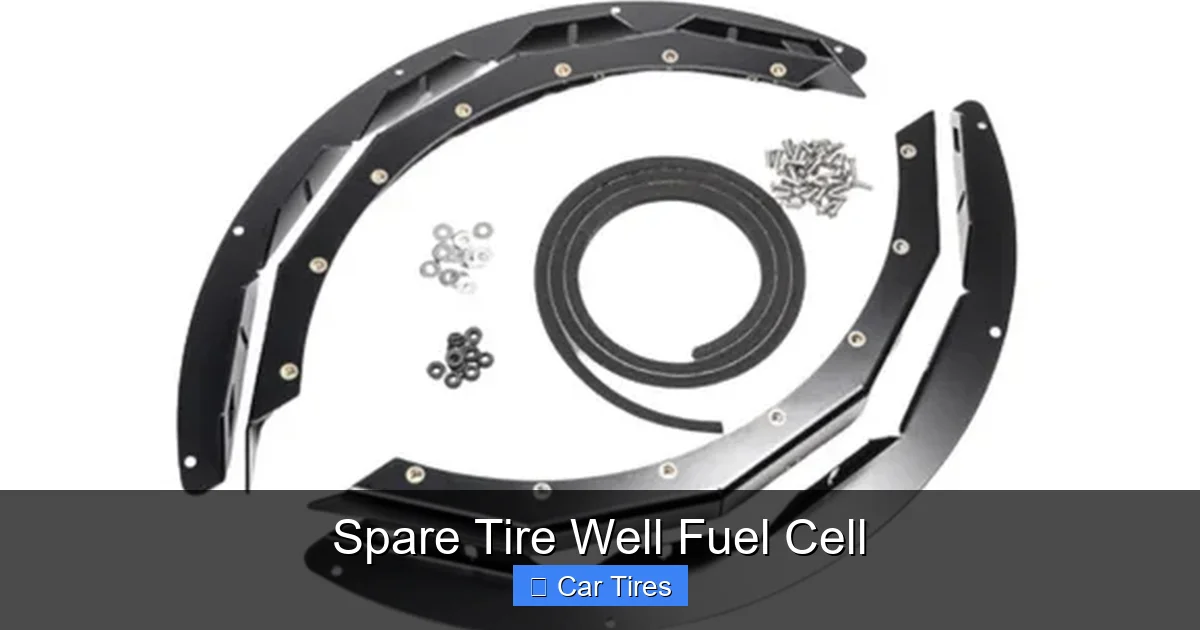
Some manufacturers even offer custom shapes and fittings to match your vehicle’s exact spare tire well dimensions. This ensures a perfect fit and easy installation.
Installation Process and Considerations
Visual guide about Spare Tire Well Fuel Cell
Image source: burton-racing.com
Installing a spare tire well fuel cell isn’t as simple as dropping in a new spare tire, but it’s definitely doable for a skilled DIYer or a professional mechanic. Here’s what you need to know before you start.
Step-by-Step Installation Overview
- Remove the Spare Tire: Start by taking out the spare tire, jack, and any related hardware.
- Clean the Well: Wipe down the area to remove dirt, rust, or debris. A clean surface ensures a proper seal.
- Test Fit the Fuel Cell: Place the fuel cell in the well to confirm it fits without interference.
- Install Mounting Hardware: Most cells come with brackets or straps to secure them in place. Bolt or strap it down firmly.
- Connect Fuel Lines: Run fuel lines from the cell to the engine, using appropriate fittings and filters.
- Install a Fuel Pump (if needed): Some systems require an electric pump to move fuel from the well to the engine.
- Test for Leaks: Before driving, pressurize the system and check for leaks.
Important Safety Checks
- Ensure all connections are tight and sealed.
- Use fuel-resistant hoses and clamps.
- Install a vented cap to prevent pressure buildup.
- Ground the fuel cell to prevent static sparks.
- Follow local regulations—some areas require professional installation for street-legal vehicles.
Professional vs. DIY Installation
While some experienced mechanics can install a fuel cell themselves, it’s often safer to have it done by a professional—especially if you’re modifying the fuel system significantly. A certified technician can ensure compliance with safety standards and help avoid costly mistakes.
Types of Spare Tire Well Fuel Cells
Visual guide about Spare Tire Well Fuel Cell
Image source: images.squarespace-cdn.com
Not all fuel cells are created equal. Depending on your needs, you’ll find several types on the market, each with its own advantages.
Aluminum Fuel Cells
Aluminum is a popular choice due to its strength-to-weight ratio. These cells are lightweight, corrosion-resistant, and durable. They’re commonly used in racing and high-performance applications.
Pros: Lightweight, strong, long-lasting.
Cons: More expensive than plastic options.
Plastic (HDPE) Fuel Cells
High-density polyethylene (HDPE) is a tough, impact-resistant plastic often used in off-road and utility vehicles. It’s resistant to chemicals and won’t rust.
Pros: Affordable, corrosion-proof, easy to mold.
Cons: Can degrade over time with UV exposure.
Bladder-Style Fuel Cells
These use a flexible inner bladder housed in a protective shell. They’re common in professional racing because they can conform to irregular shapes and are highly puncture-resistant.
Pros: Extremely safe, customizable shape.
Cons: Complex installation, higher cost.
Street-Legal vs. Race-Only Models
Some fuel cells are DOT-approved for street use, meaning they meet federal safety standards. Others are designed solely for track or off-road use and may not be legal on public roads. Always check local laws before installing.
Maintenance and Care Tips
Like any fuel system component, a spare tire well fuel cell needs regular maintenance to perform safely and efficiently.
Regular Inspections
Check the fuel cell every few months for:
- Cracks or dents in the tank.
- Loose fittings or leaking connections.
- Signs of corrosion or wear.
- Proper venting and cap function.
Fuel Quality Matters
Always use clean, high-quality fuel. Contaminants like water or dirt can damage the fuel pump and clog injectors. Consider using a fuel stabilizer if the vehicle will sit for long periods.
Clean the Vent System
The vent prevents pressure buildup inside the tank. If it gets clogged, you might experience fuel starvation or tank collapse. Clean it periodically with compressed air.
Replace Old Fuel
Don’t let fuel sit for more than 6–12 months. Old fuel can degrade and form varnish, which clogs lines and injectors. Drain and refill if necessary.
Real-World Examples and Success Stories
Let’s look at a few real-world applications to see how spare tire well fuel cells make a difference.
Off-Road Overlanding Rig
Sarah, an overlander from Colorado, installed a 15-gallon HDPE fuel cell in her Jeep Wrangler’s spare tire well. She uses it for weekend trips into the Rockies, where gas stations are 100+ miles apart. “I used to carry jerry cans, but they took up space and smelled awful,” she says. “Now I have extra fuel, more trunk room, and peace of mind.”
Track-Day Honda Civic
Mike, a weekend racer, replaced his Civic’s factory tank with a lightweight aluminum fuel cell. “The car feels more balanced in corners, and I shaved off 18 pounds,” he explains. “Plus, I don’t have to worry about fuel slosh during hard braking.”
Custom Muscle Car Build
Dave built a 1970 Charger with a modern LS engine. He installed a custom-shaped fuel cell in the spare tire well to keep the trunk clean and free for luggage. “It looks stock from the outside, but underneath, it’s all performance,” he says.
Conclusion
A spare tire well fuel cell is more than just a clever space-saving hack—it’s a smart upgrade for anyone who values performance, safety, and efficiency. Whether you’re racing on the track, exploring remote trails, or just want more range for long drives, this modification can make a real difference.
By replacing an unused spare tire with a purpose-built fuel tank, you gain extra capacity, better weight distribution, and enhanced safety—all without sacrificing trunk space. With a variety of materials, sizes, and designs available, there’s a fuel cell to fit nearly any vehicle and need.
Of course, installation requires careful planning and attention to safety. But with the right tools, knowledge, and possibly professional help, you can enjoy the benefits of a spare tire well fuel cell for years to come.
So, if you’ve been thinking about ditching the spare or upgrading your fuel system, now might be the perfect time to explore this innovative solution. Your car—and your next adventure—will thank you.
Frequently Asked Questions
What is a spare tire well fuel cell?
A spare tire well fuel cell is a specialized fuel tank designed to fit into the cavity where your vehicle’s spare tire is normally stored. It replaces the spare tire and provides safe, efficient fuel storage for performance, off-road, or custom vehicles.
Is it safe to install a fuel cell in the spare tire well?
Yes, when installed correctly and using DOT-compliant models, spare tire well fuel cells are very safe. They include features like rollover valves, foam baffling, and impact-resistant materials to prevent leaks and explosions.
Can I still use my trunk if I install a fuel cell?
Absolutely. Most fuel cells are installed under the trunk floor, so they don’t take up usable space. You’ll still have full access to your trunk for luggage, tools, or gear.
Do I need a mechanic to install a spare tire well fuel cell?
While experienced DIYers can install them, it’s recommended to have a professional handle the job—especially for fuel line connections and safety checks. This ensures compliance with regulations and reduces risk.
Will a fuel cell affect my vehicle’s fuel efficiency?
It can actually improve efficiency by reducing overall vehicle weight and improving weight distribution. A lighter, better-balanced car uses less fuel, especially during acceleration and cornering.
Are spare tire well fuel cells street legal?
Some are DOT-approved and street legal, while others are designed only for track or off-road use. Always check the product specifications and local laws before installation.
