
How Long Does It Take to Put a New Battery in a Car

Replacing a car battery typically takes 15 to 30 minutes for most vehicles, whether you do it yourself or go to a professional. While the physical swap is quick, preparation, safety checks, and post-installation steps can add time—especially for first-timers or complex models.
Key Takeaways
- DIY battery replacement usually takes 15–30 minutes: With the right tools and basic knowledge, most car owners can swap a battery quickly and safely at home.
- Professional installation is fast but may involve wait times: Mechanics can replace a battery in under 20 minutes, but scheduling and shop queues may extend total time.
- Older or luxury vehicles may take longer: Some cars have batteries tucked under seats, in trunks, or behind panels, requiring extra disassembly.
- Safety precautions are essential: Always disconnect the negative terminal first, wear gloves and eye protection, and avoid metal contact with terminals.
- Modern cars may need system resets: Vehicles with advanced electronics might require reprogramming after battery replacement to restore functions like radio presets or adaptive settings.
- Tools matter: A basic socket wrench, battery terminal cleaner, and torque wrench can speed up the process and prevent damage.
- Disposal matters: Old batteries must be recycled properly—most auto shops and retailers accept them for free.
📑 Table of Contents
- How Long Does It Take to Put a New Battery in a Car?
- Why Battery Replacement Time Varies
- Step-by-Step: How to Replace a Car Battery
- DIY vs. Professional Installation: Which Is Faster?
- Common Mistakes That Add Time (and Risk)
- How to Save Time When Replacing a Battery
- When to Call a Professional
- Final Thoughts: It’s Simpler Than You Think
How Long Does It Take to Put a New Battery in a Car?
So your car won’t start. You turn the key and hear that dreaded clicking sound—or worse, silence. Chances are, your battery is dead. But before you panic or rush to the mechanic, ask yourself: how long does it take to put a new battery in a car?
The good news? It’s one of the simplest car repairs you can do. For most standard vehicles, replacing a car battery takes just 15 to 30 minutes. That’s less time than it takes to watch an episode of your favorite show. Whether you’re a seasoned DIYer or a total beginner, this job is well within reach.
But like any task, the time it takes depends on several factors. Are you doing it yourself? Is your car a compact sedan or a luxury SUV with a hidden battery? Do you have the right tools? And what about safety and cleanup?
In this guide, we’ll walk you through everything you need to know about replacing a car battery—from timing and tools to tips and troubleshooting. By the end, you’ll know exactly how long it should take, what to expect, and how to do it safely and efficiently.
Why Battery Replacement Time Varies
Visual guide about How Long Does It Take to Put a New Battery in a Car
Image source: images.squarespace-cdn.com
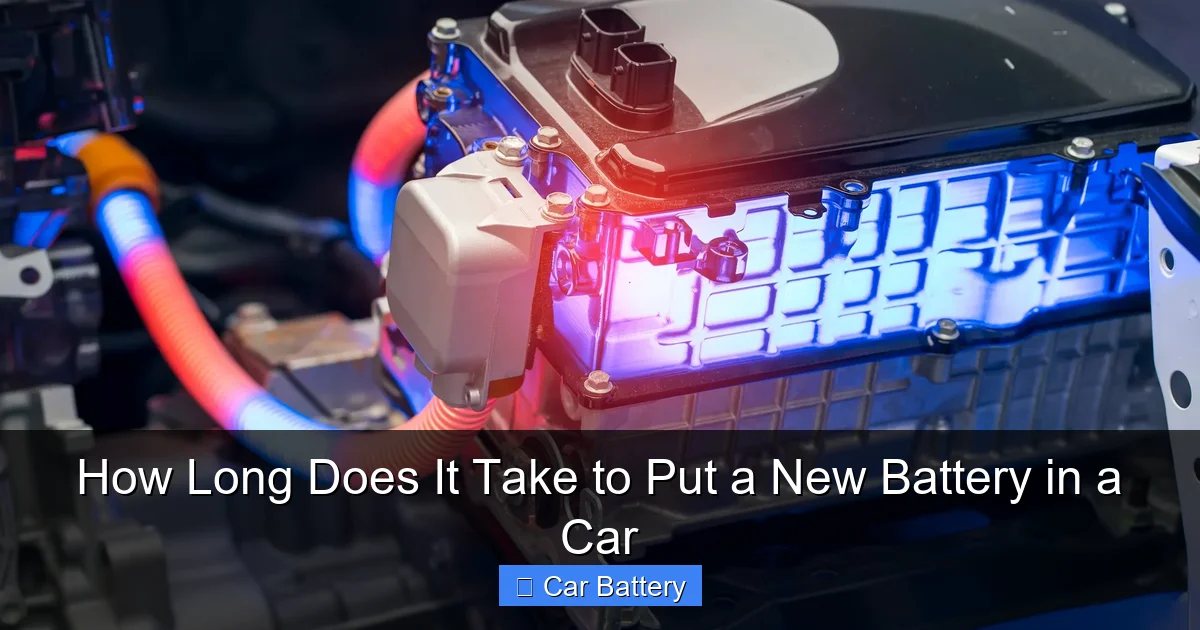
Not all cars are created equal when it comes to battery access. While some make it easy—pop the hood, undo two terminals, lift out the old battery—others hide their power source in tricky spots. That’s why the time it takes to put a new battery in a car can range from 10 minutes to over an hour.
Let’s break down the main factors that affect replacement time.
Vehicle Make and Model
Most standard sedans, hatchbacks, and compact SUVs have batteries located in the engine bay, usually near the front. These are the easiest to access. For example, a Honda Civic or Toyota Camry typically has a straightforward setup—just remove the hold-down clamp, disconnect the terminals, and lift out the old battery.
But things get more complicated with luxury or performance vehicles. Some BMWs, Audis, and Mercedes-Benz models place the battery in the trunk or under the rear seat. Why? To improve weight distribution or save space in the engine compartment. While this design has its benefits, it means you’ll need to remove floor panels or trunk liners to reach the battery—adding 10 to 20 minutes to the job.
Battery Access and Location
Even within the same model, battery placement can vary by year or trim. For instance, some Ford F-150 trucks have the battery under the hood, while others—especially newer models—have dual batteries or relocated units in the cabin.
Another common challenge? Tight engine bays. In sports cars or vehicles with turbocharged engines, space is at a premium. You might need to remove air intake ducts, coolant reservoirs, or even the air filter housing just to get a clear path to the battery.
Your Experience Level
If you’ve replaced a battery before, you’ll likely finish in 15 minutes or less. But if it’s your first time, expect to spend closer to 30–45 minutes. That includes reading the manual, gathering tools, double-checking connections, and cleaning up.
Don’t worry—mistakes are rare, and most people get the hang of it after one try. The key is to go slow, stay safe, and follow the steps in order.
Tools and Preparation
Having the right tools on hand can cut your time in half. A basic socket wrench set (usually 10mm or 13mm sockets), a battery terminal cleaner, and a torque wrench are ideal. If you’re missing tools, a trip to the hardware store could add 20 minutes to your total time.
Also, consider whether you need to reset any vehicle systems. Modern cars with advanced electronics—like infotainment systems, adaptive cruise control, or keyless entry—may require a reset or reprogramming after the battery is replaced. This can add 5 to 15 minutes, depending on the complexity.
Step-by-Step: How to Replace a Car Battery
Visual guide about How Long Does It Take to Put a New Battery in a Car
Image source: dalehoward.com
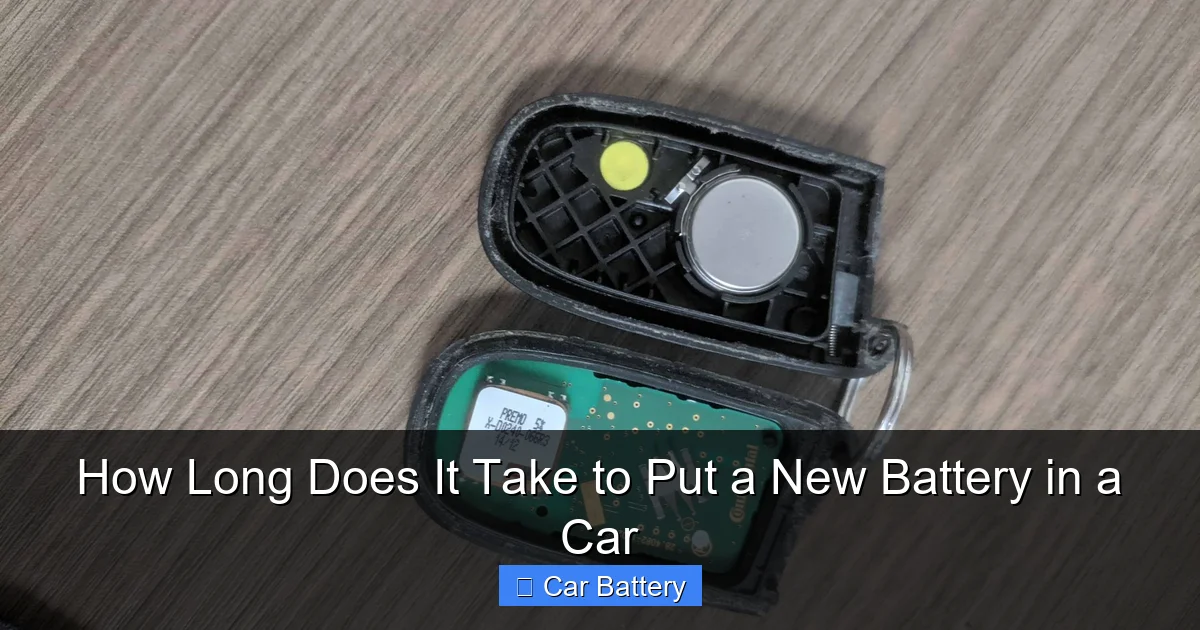
Now that you know what affects the time, let’s walk through the actual process. Whether you’re doing it in your driveway or at a repair shop, these steps apply to most vehicles.
Step 1: Gather Your Tools and Safety Gear
Before you start, make sure you have:
– A new battery (correct size and type for your vehicle)
– Socket wrench or combination wrench (usually 10mm or 13mm)
– Battery terminal cleaner or wire brush
– Safety gloves and goggles
– Optional: Torque wrench, battery hold-down clamp tool, dielectric grease
Safety first: Wear gloves and eye protection. Car batteries contain sulfuric acid and can produce explosive hydrogen gas. Even a small spark near the terminals can be dangerous.
Step 2: Turn Off the Engine and Open the Hood
Make sure the car is off, the keys are out of the ignition, and the parking brake is engaged. Pop the hood and secure it with the prop rod.
Locate the battery. It’s usually a rectangular black or gray box with two thick cables attached—one red (positive), one black (negative).
Step 3: Disconnect the Negative Terminal First
This is critical. Always disconnect the negative (black) terminal first. Why? It reduces the risk of short circuits. If your wrench touches both the positive terminal and a metal part of the car while the negative is still connected, you could create a spark or damage electronics.
Use your wrench to loosen the nut on the negative terminal clamp. Once it’s loose, wiggle the clamp gently and remove it from the battery post. Tuck it away from the battery so it doesn’t accidentally touch the post.
Step 4: Disconnect the Positive Terminal
Now do the same for the positive (red) terminal. Loosen the nut, remove the clamp, and set it aside.
Some batteries also have a hold-down clamp or bracket securing them in place. If so, use your wrench to remove the bolts or nuts holding it down. This keeps the battery from shifting while you work.
Step 5: Remove the Old Battery
Carefully lift the old battery out of the tray. Car batteries are heavy—typically 30 to 50 pounds—so use your legs, not your back. If it’s stuck, gently rock it back and forth to break any corrosion seal.
Place the old battery on a stable surface, away from children and pets. Never lay it on its side—acid can leak out.
Step 6: Clean the Battery Tray and Terminals
While the battery is out, take a moment to clean the tray and cable clamps. Use a mixture of baking soda and water (about 1 tablespoon per cup) and a wire brush to neutralize any corrosion. Rinse with water and dry thoroughly.
Corrosion looks like a white or green powdery substance around the terminals. If left unchecked, it can cause poor connections and starting problems.
Step 7: Install the New Battery
Place the new battery into the tray, making sure it’s oriented correctly. The positive and negative terminals should match the cable positions. Most batteries have labels or markings to help.
Reinstall the hold-down clamp and tighten it securely. You don’t want the battery shifting around while driving.
Step 8: Reconnect the Terminals
This time, connect the positive terminal first. Slide the clamp over the positive post and tighten the nut. Then do the same for the negative terminal.
Use a torque wrench if you have one—most manufacturers recommend tightening terminal nuts to 40–60 inch-pounds. Over-tightening can crack the terminal; under-tightening can cause loose connections.
Optional: Apply a thin layer of dielectric grease to the terminals. This helps prevent future corrosion and makes future replacements easier.
Step 9: Test the Installation
Close the hood, get in the driver’s seat, and turn the key. The engine should start smoothly. If it doesn’t, double-check your connections.
Turn on the headlights, radio, and air conditioning to make sure all systems are working. Listen for any unusual sounds or warning lights on the dashboard.
Step 10: Reset Vehicle Systems (If Needed)
Some cars will need a reset after battery replacement. For example:
– Radio presets may be lost—reprogram your favorite stations.
– Power windows might need to be recalibrated (hold the switch up/down for a few seconds).
– Adaptive systems like throttle response or transmission shift points may need to relearn—drive normally for 10–15 miles.
Check your owner’s manual for specific reset procedures.
DIY vs. Professional Installation: Which Is Faster?
Visual guide about How Long Does It Take to Put a New Battery in a Car
Image source: askmyauto.com
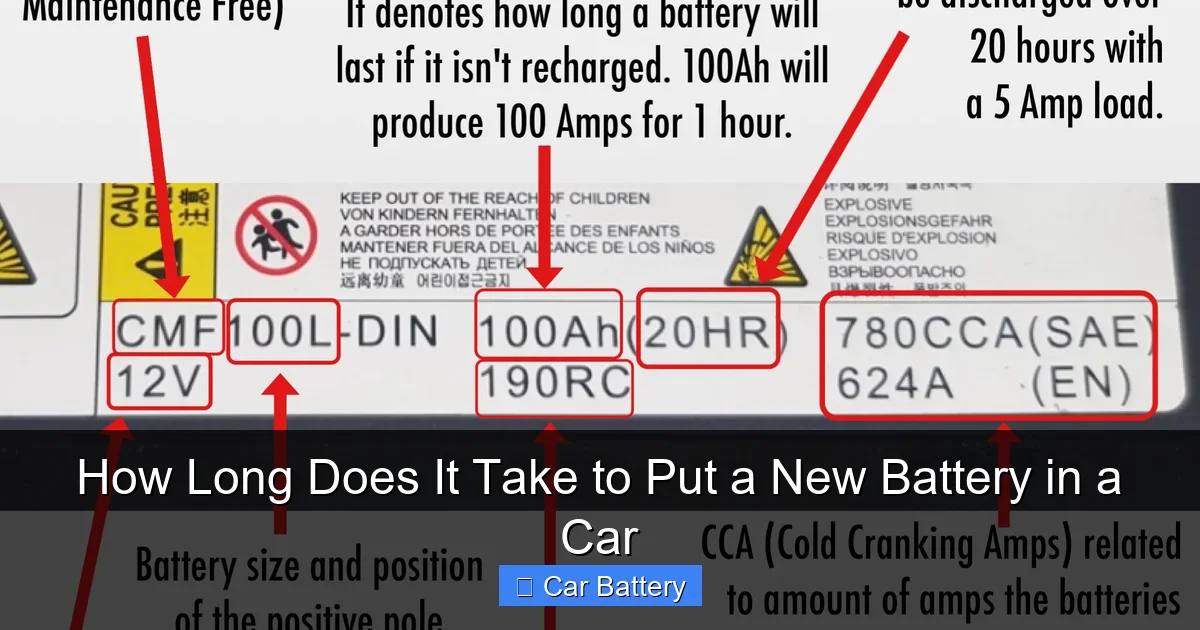
So, should you do it yourself or let a pro handle it? Let’s compare the time and convenience.
DIY Installation: 15–45 Minutes
Doing it yourself is usually faster if you’re prepared. With the right tools and a clear workspace, most people can finish in under 30 minutes.
Pros:
– Saves money (no labor charges)
– You control the process
– Great learning experience
Cons:
– Risk of mistakes if you’re inexperienced
– Need to dispose of the old battery properly
– May need to reset systems manually
Tip: Watch a YouTube video for your specific car model before starting. Seeing it done once can save you time and confusion.
Professional Installation: 10–20 Minutes (Plus Wait Time)
Auto parts stores like AutoZone, O’Reilly, or Advance Auto Parts often offer free battery installation. Mechanics at dealerships or independent shops can also do it quickly—usually in 10 to 20 minutes.
Pros:
– Fast and reliable
– Often includes battery testing and recycling
– May come with a warranty
Cons:
– You may need to wait for an appointment
– Some shops charge a small fee (though many don’t)
– Less control over the process
If you’re in a hurry and don’t mind waiting in line, professional installation is a solid choice. But if you’re comfortable with basic tools, DIY is just as effective—and often faster once you factor in travel and wait times.
Common Mistakes That Add Time (and Risk)
Even simple jobs can go wrong if you’re not careful. Here are some common mistakes that can slow you down or cause problems.
Disconnecting the Positive Terminal First
We mentioned this earlier, but it’s worth repeating. Always disconnect the negative terminal first. Reversing the order increases the risk of short circuits, sparks, and even battery explosions.
Not Cleaning the Terminals
Skipping the cleaning step might save 5 minutes now, but it can lead to poor connections later. Corrosion builds up over time, causing starting issues and reduced battery life.
Over-Tightening Terminal Nuts
Using a regular wrench and cranking it down can crack the battery terminal. This isn’t just a cosmetic issue—it can cause electrical problems and require a new battery. Use a torque wrench or tighten by hand until snug, then give it a quarter-turn more.
Installing the Battery Upside Down
It sounds silly, but it happens. If the terminals don’t line up with the cables, you might have the battery backwards. Double-check the orientation before securing it in place.
Forgetting to Reconnect the Hold-Down Clamp
A loose battery can shift during driving, potentially damaging cables or spilling acid. Always reinstall the clamp and tighten it securely.
Not Testing After Installation
Just because the car starts doesn’t mean everything is working. Test lights, wipers, radio, and climate control to ensure all systems are functioning.
How to Save Time When Replacing a Battery
Want to cut your replacement time in half? Here are some pro tips.
Prepare Ahead of Time
Before you start, gather all your tools and read your owner’s manual. Knowing where the battery is and what size you need saves time and frustration.
Use the Right Tools
A socket wrench with a ratchet is faster than a standard wrench. A torque wrench ensures proper tightness without overdoing it. A battery carrier strap can make lifting easier.
Work in a Well-Lit, Dry Area
Good lighting helps you see connections clearly. Avoid working in the rain or on wet pavement—water and electricity don’t mix.
Label the Cables (If Needed)
If you’re worried about mixing up the terminals, use tape to label them before disconnecting. But remember: red is positive, black is negative.
Recycle the Old Battery Responsibly
Most auto parts stores and repair shops accept old batteries for free recycling. Don’t toss it in the trash—car batteries are highly toxic and illegal to dispose of improperly.
When to Call a Professional
While most people can replace a battery at home, there are times when it’s better to call a pro.
– Your car has a start-stop system or advanced electronics that require reprogramming.
– The battery is located in a hard-to-reach area (e.g., under the rear seat or behind panels).
– You’re not comfortable working with car electronics or heavy parts.
– The old battery is leaking or damaged.
In these cases, a professional can ensure the job is done safely and correctly—often with a warranty on both parts and labor.
Final Thoughts: It’s Simpler Than You Think
So, how long does it take to put a new battery in a car? For most people, the answer is: not long at all. With a little preparation and the right approach, you can have a new battery installed in under half an hour.
Whether you choose DIY or professional help, the key is to stay safe, follow the steps, and take your time. A well-installed battery not only gets your car running again—it can extend the life of your vehicle’s electrical system and prevent future issues.
And remember: a dead battery doesn’t have to mean a trip to the shop. With this guide, you’re ready to handle it yourself—quickly, safely, and confidently.
Frequently Asked Questions
How long does it take to replace a car battery yourself?
Most people can replace a car battery in 15 to 30 minutes if they have the right tools and basic knowledge. First-timers may take up to 45 minutes due to unfamiliarity with the process.
Can I replace a car battery in 10 minutes?
Yes, if you’re experienced and the battery is easily accessible. Mechanics often complete the job in under 10 minutes, but DIYers should allow extra time for safety and cleanup.
Do I need special tools to replace a car battery?
Basic tools like a socket wrench, wire brush, and safety gloves are usually sufficient. A torque wrench is helpful but not required for most home repairs.
What happens if I connect the battery terminals in the wrong order?
Connecting the positive terminal first increases the risk of short circuits and sparks. Always disconnect and reconnect the negative terminal first to stay safe.
Do modern cars need a reset after battery replacement?
Some do. Vehicles with advanced electronics may lose radio presets, window settings, or adaptive functions. Check your owner’s manual for reset procedures.
Can I recycle my old car battery?
Yes—most auto parts stores and repair shops accept old batteries for free recycling. Never throw them in the trash, as they contain hazardous materials.
