
Top Reasons Your Car Battery Overcharges Explained

A car battery overcharges primarily due to a failure in the vehicle’s charging system, which is designed to regulate voltage. The most common culprit is a faulty voltage regulator, often built into the alternator, which gets stuck at a high voltage setting. Other key reasons include a malfunctioning alternator, poor electrical connections, and using an incorrect battery charger.
You know that feeling. You turn the key, and instead of a healthy roar, you get a weak click. A dead battery is a universal headache for drivers. We often blame the battery itself, thinking it’s just old and tired. But what if the problem isn’t that the battery is undercharged, but that it’s being overcharged to death?
An overcharging car battery is a silent killer. It doesn’t always give clear warnings until it’s too late. While we worry about our batteries dying, we rarely think they can get too much of a good thing. The truth is, an overcharged battery is a damaged battery. It can lead to a sudden failure, a dangerous leak, or even a rupture.
So, what’s behind this electrical overkill? It’s almost never the battery’s fault. The battery is a victim. The crime scene is your car’s charging system. In this article, we’ll walk through the top reasons your car battery overcharges. We’ll explain it in simple terms, just like a friend explaining it over the hood of your car. You’ll learn how to spot the signs and, more importantly, how to prevent it.
Key Takeaways
- Faulty Voltage Regulator: This is the #1 cause. It’s the component that tells the alternator when to stop charging, and when it fails, it can send constant, excessive voltage to the battery.
- Alternator Malfunction: A failing alternator, especially with damaged diodes, can produce AC ripple or unregulated DC voltage that cooks the battery.
- Bad Connections & Corrosion: Loose or corroded battery cables and grounds can create high resistance, fooling the regulator into overworking and overcharging.
- Incorrect Charger Use: Using an improper or faulty manual battery charger, especially non-smart chargers left on too long, can easily overcharge a battery.
- Computer System Faults: In modern cars, a faulty Engine Control Module (ECM) or Body Control Module (BCM) can send incorrect signals to the charging system.
- Heat Accelerates Damage: Overcharging causes excessive heat, which warps plates and boils off electrolyte, leading to permanent battery failure and safety risks.
- Prevention is Key: Regular voltage checks, clean terminals, and professional diagnostics can catch charging system issues before they destroy your battery.
📑 Table of Contents
- The Heart of the Matter: How Your Charging System Should Work
- Top Reason #1: A Failed Voltage Regulator
- Top Reason #2: A Malfunctioning Alternator
- Top Reason #3: Poor Electrical Connections and Corrosion
- Top Reason #4: Improper Use of a Battery Charger
- Top Reason #5: Faulty Vehicle Computer (ECM/BCM)
- The Dangerous Consequences of an Overcharged Battery
- How to Diagnose and Prevent Overcharging
- Conclusion: Protect Your Battery and Your Wallet
The Heart of the Matter: How Your Charging System Should Work
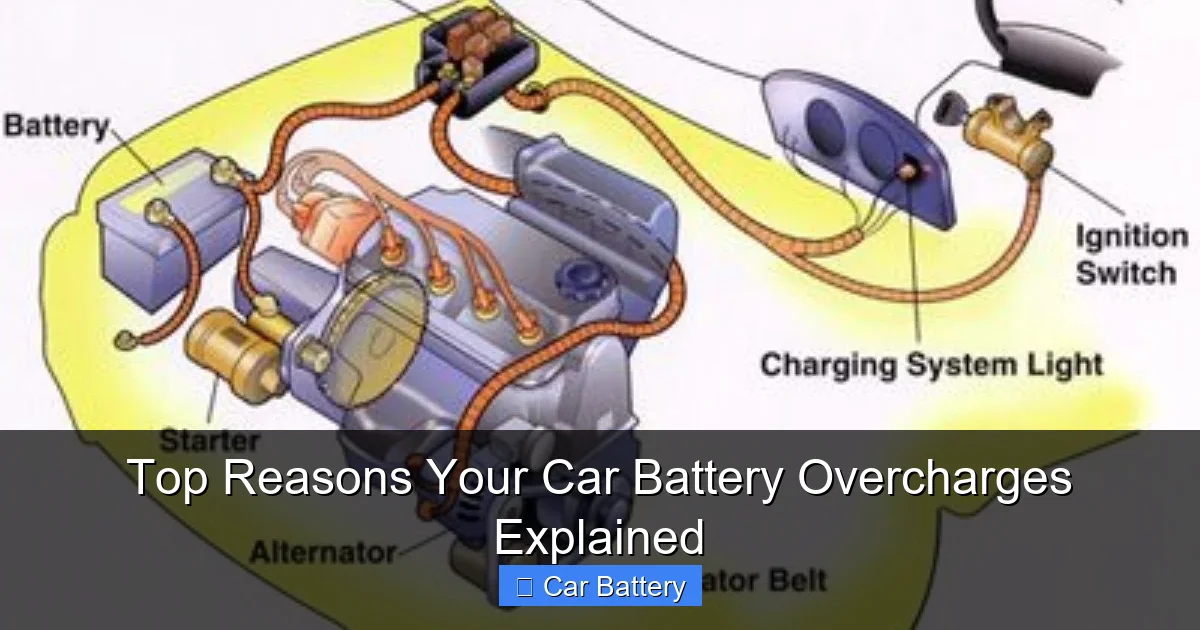
First, let’s understand the normal process. Think of your car’s electrical system like a sophisticated water circuit. The battery is the storage tank. The alternator is the pump. And the voltage regulator is the smart valve controlling the pump.
When your engine is off, the battery supplies all the power. It runs the lights, the radio, and most importantly, the starter motor. Once the engine is running, the alternator kicks in. It’s driven by a belt and generates electricity to power the car’s systems and recharge the battery.
The Critical Role of the Voltage Regulator
Here’s the key part. The alternator could produce way more voltage than the battery can handle. That’s where the voltage regulator comes in. This little brain monitors the system’s voltage. Its only job is to tell the alternator, “That’s enough, slow down,” or “We need more, speed up.”
It constantly adjusts the alternator’s output to maintain a safe, steady charge. This is usually between 13.5 and 14.8 volts when the engine is running. This sweet spot keeps the battery happy and full without cooking it. When this system fails, overcharging begins.
Top Reason #1: A Failed Voltage Regulator
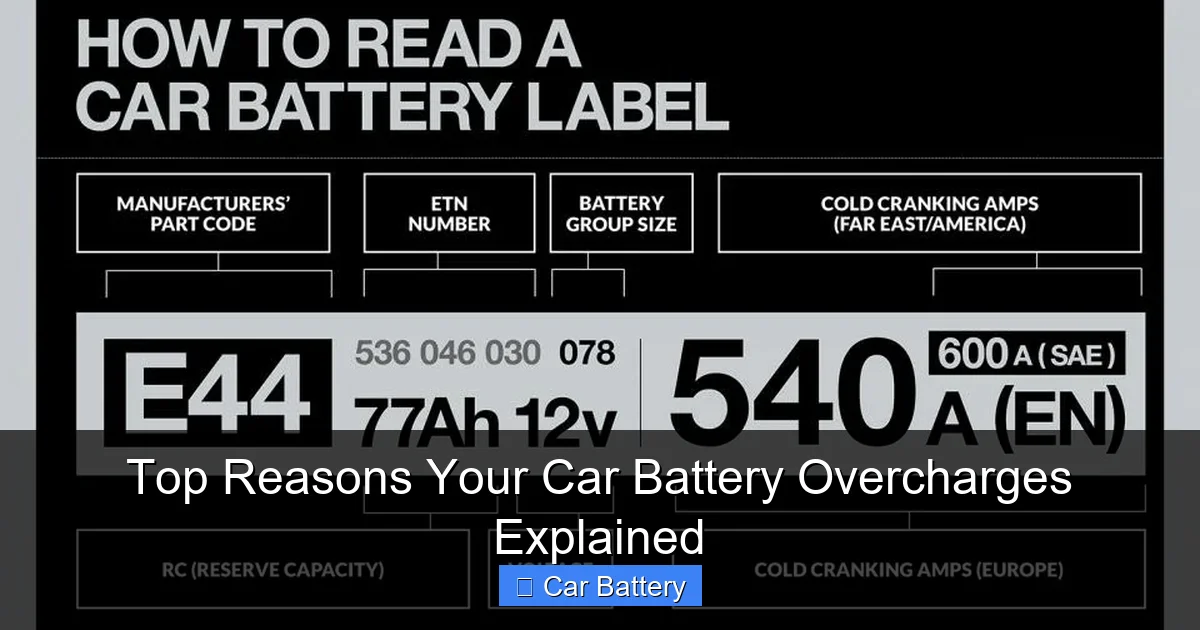
This is the most common cause of an overcharged battery. The regulator fails in the “on” position. It gets stuck telling the alternator, “Give me everything you’ve got!” all the time.
Visual guide about Top Reasons Your Car Battery Overcharges Explained
Image source: askmyauto.com
The alternator then sends a constant stream of high voltage—15 volts or more—directly into the battery. Imagine trying to fill that water tank with a firehose with no shutoff. The tank will burst. In a battery, this means destroyed internal components.
Signs of a Bad Voltage Regulator
- Consistently High Voltage: A multimeter reading at the battery terminals showing over 15 volts with the engine running is a huge red flag.
- Frequent Bulb Burnouts: Headlights, tail lights, and dash lights burning out much faster than normal because they’re getting too much voltage.
- Battery Warning Light: Sometimes, but not always, the battery or charging system light on your dash may flicker or come on.
- Swollen or Hot Battery: The battery case may bulge, and it will often feel very warm or hot to the touch, even after a short drive.
Top Reason #2: A Malfunctioning Alternator
The alternator and regulator work as a team. Often, the regulator is built right into the alternator (this is called an “internal regulator”). So when we say “bad alternator,” we often mean the regulator inside it has failed. But the alternator itself can cause overcharging too.
Visual guide about Top Reasons Your Car Battery Overcharges Explained
Image source: motoroctane.com
The Diode Trio Problem
Inside the alternator are components called diodes. Their job is to convert the alternator’s alternating current (AC) into the direct current (DC) that your car uses. If one or more of these diodes fail, they can allow AC current to “leak” into the system. This is called AC ripple or diode ripple.
This dirty, pulsing current is terrible for your battery and electronics. It effectively causes a form of overcharging and undercharging at a rapid rate, creating immense heat and stress inside the battery. You might notice a whining noise from the alternator or see flickering lights at idle if diodes are bad.
Top Reason #3: Poor Electrical Connections and Corrosion
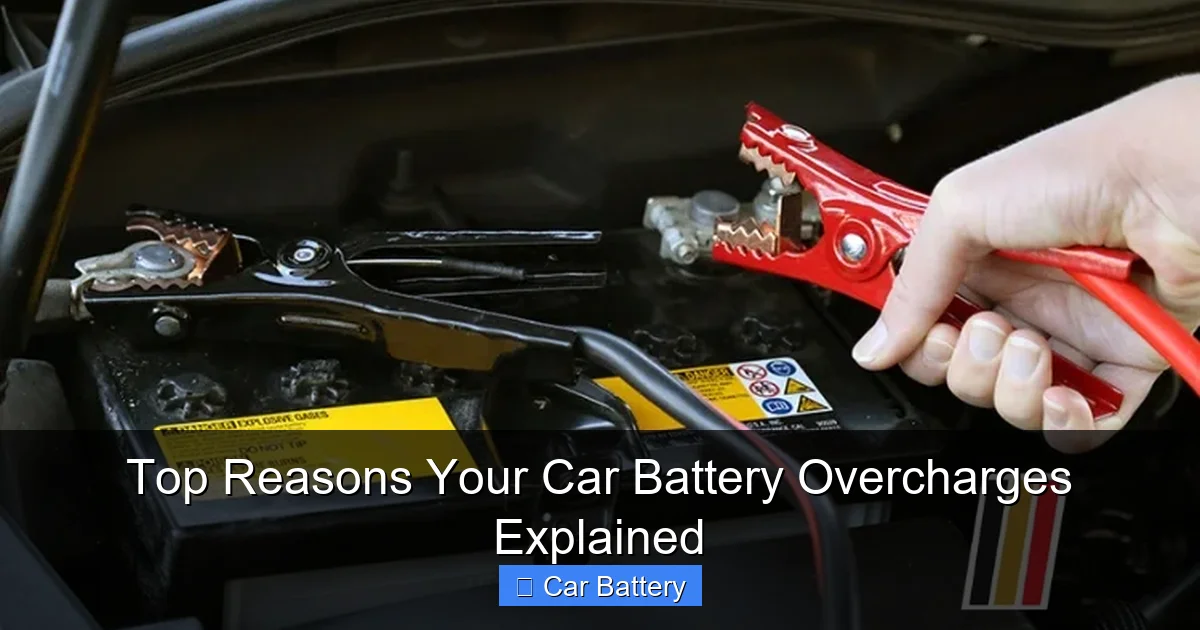
This cause surprises many people. It’s not always a broken part. Sometimes, it’s a dirty or loose connection. The battery cables and ground connections are crucial for accurate voltage sensing.
Visual guide about Top Reasons Your Car Battery Overcharges Explained
Image source: londonmotorsports.co.uk
The voltage regulator needs to “see” the true system voltage to do its job. If the connection between the alternator and the battery is corroded or loose, it creates high resistance. Think of it as a kinked garden hose.
How Bad Wiring Tricks the System
Because of this resistance, the voltage at the alternator end might be 14.5 volts (perfect), but by the time it fights through the bad connection, only 13.0 volts reach the battery. The regulator senses the 14.5 at its source and thinks, “The battery is low, I need to send more power!” It then cranks up the output to 15+ volts to try and get 14.5 to the battery. This constant over-effort leads to overcharging at the battery posts.
Simple Tip: Regularly clean your battery terminals with a wire brush and a mix of baking soda and water. Ensure cable connections are tight. This free fix can prevent a world of charging problems.
Top Reason #4: Improper Use of a Battery Charger
Overcharging doesn’t only happen while driving. It can happen in your garage. Using a manual, non-smart battery charger is a common way to overcharge a battery. These old-school chargers pump out a fixed high current and don’t automatically shut off or switch to a maintenance “float” mode.
Leaving a battery on a manual charger for too long—like overnight or for days—will absolutely overcharge it. The electrolyte will bubble and boil away, leaving dry, damaged lead plates inside.
Invest in a Smart Charger
The solution is to use a modern “smart” or “automatic” charger/maintainer. These devices have microprocessors that monitor the battery. They charge it quickly at first, then taper off, and finally switch to a harmless trickle or pulse mode to keep it full without risk of overcharging. They are a must-have for seasonal vehicles or cars that sit a lot.
Top Reason #5: Faulty Vehicle Computer (ECM/BCM)
Modern cars are rolling computers. The charging system is often managed by the Engine Control Module (ECM) or a dedicated Body Control Module (BCM). These computers receive data from sensors and control the alternator’s output field.
If there’s a fault in the computer itself, or in a sensor it relies on (like a temperature sensor), it can send the wrong command. It might tell the alternator to produce maximum charge all the time, thinking the battery is constantly depleted. Diagnosing this requires a professional scan tool to read live data and fault codes from the computer.
The Dangerous Consequences of an Overcharged Battery
Why is this such a big deal? An overcharged battery isn’t just an inconvenience; it’s a hazard.
- Internal Damage: Excessive voltage causes the battery’s water (electrolyte) to break down into hydrogen and oxygen gas—it literally boils. This leads to low fluid levels, exposing and warping the lead plates, which kills the battery’s ability to hold a charge.
- Swelling and Rupture: The heat and gas buildup can cause the plastic battery case to swell, crack, or even explode, spraying corrosive sulfuric acid everywhere.
- Fire Risk: The hydrogen gas released is highly flammable. A single spark from a loose cable can ignite it.
- Electrical System Damage: The high voltage can fry expensive electronics in your car, like the ECM, infotainment system, or sensitive lighting modules.
How to Diagnose and Prevent Overcharging
You can be proactive. Here’s a simple check anyone can do with a cheap digital multimeter.
- Test Battery Voltage (Engine Off): A healthy, rested battery should read about 12.4 to 12.7 volts.
- Test Charging Voltage (Engine Running): Start the car. Turn on headlights and the AC to create a load. Measure the voltage at the battery terminals. It should be between 13.5 and 14.8 volts. Anything consistently above 15.0 volts indicates an overcharging condition.
- Listen and Look: Smell for a sour, rotten egg smell (sulfur). Look for bubbling in the battery cells (if it’s not sealed). Feel the battery case for excessive heat.
Prevention is straightforward: Keep connections clean. Have your charging system tested annually, especially before long trips. If your battery seems to be dying young or needs constant water, don’t just replace the battery—get the charging system checked. You’re likely treating a symptom, not the disease.
Conclusion: Protect Your Battery and Your Wallet
An overcharging car battery is a clear sign that something is wrong upstream. The battery is the canary in the coal mine for your alternator, regulator, and wiring. Ignoring the signs—like hot batteries, burning smells, or constantly dead batteries—leads to a much more expensive repair bill down the line.
Remember, the goal is a balanced system. Your battery wants a steady, regulated flow of energy, not a violent surge. By understanding these top reasons, you can have an informed conversation with your mechanic, perform basic checks yourself, and ultimately ensure your car’s heart keeps beating reliably for miles to come. Listen to your car. It’s usually trying to tell you something.
Frequently Asked Questions
Can an overcharged battery be fixed?
No, an overcharged battery is typically permanently damaged. The internal heat warps the lead plates and boils off the electrolyte. While you might recharge it temporarily, its capacity and lifespan are severely reduced. The battery should be replaced, and the root cause of the overcharging must be fixed.
What should I do if I suspect my battery is overcharging?
First, perform a simple voltage test with a multimeter with the engine running. If it reads over 15 volts, stop using the car for long drives to prevent damage. Have your vehicle inspected by a professional mechanic as soon as possible to diagnose the faulty component (regulator, alternator, wiring) before it ruins the battery or other electronics.
Will a bad battery cause overcharging?
Almost never. A bad or weak battery is usually a result, not a cause, of overcharging. However, a battery with an internal short can sometimes draw excessive current, making it seem like the charging system is working overtime. A professional test can determine if the battery is the cause or the victim.
How long does it take for a battery to overcharge?
The time varies. With a severely faulty regulator, a battery can overcharge and show damage within a 30-minute drive. With a slow overcharge from a bad connection or a manual charger left on, it might take several hours or days. Any extended period of voltage over 15 volts is harmful.
Can I drive with an overcharging alternator?
It is not safe or advisable. Driving risks destroying the battery, which could rupture, and damaging expensive electronic control units in your car. The high voltage is a hazard. You should address the issue immediately rather than continuing to drive.
Is the alternator or regulator usually to blame for overcharging?
The voltage regulator is the component most directly responsible for controlling voltage, so it is the most common point of failure. Since on most modern cars the regulator is integrated into the alternator assembly, the entire alternator is typically replaced as a unit. So in practice, a “bad alternator” is often the fix.
