
Summer Car Cover Maintenance: How to Clean, Protect, and Store Your Cover

Quick Answer
Summer car cover maintenance means keeping the cover clean, dry, correctly fitted, and free of abrasive debris while protecting the vehicle from heat, dust, bird droppings, tree sap, and intense sunlight. Inspect the cover regularly, follow its manufacturer’s cleaning instructions, and never trap moisture or grit between the fabric and your paintwork. For additional vehicle care guidance, consult the Edmunds car maintenance resources.
Essential Summer Maintenance Tasks
- Remove loose dirt: Shake off dust and grit before cleaning or folding the cover.
- Wash gently: Use the cleaning method and detergent approved by the cover manufacturer.
- Dry completely: Prevent trapped moisture, mildew, and unpleasant odors before storage.
- Check the fit: Inspect straps, elastic hems, seams, and mirror pockets for wear or damage.
- Protect the paint: Clean the vehicle and cover contact surfaces before installation to reduce scratching.
- Store it properly: Fold the dry cover in a clean bag away from direct sunlight and sharp objects.
A Simple Rule to Remember
- Inspect the cover weekly during frequent outdoor use and after storms, heavy dust, or contamination.
- Never assume a cover is safe for hot paint, wet storage, or machine washing unless its instructions confirm it.
Summer puts a car cover through a different set of challenges than winter. Strong sunlight, hot body panels, airborne dust, tree sap, and sudden thunderstorms can all affect how well it protects your vehicle.
As a car enthusiast who favors practical, do-it-yourself maintenance, I focus on three things: keeping the cover clean, preventing paint damage, and catching wear before it becomes a problem. This guide explains how to care for indoor and outdoor covers, choose appropriate cleaning methods, and decide when a cover needs replacing.
In This Guide
What Summer Conditions Do to a Car Cover
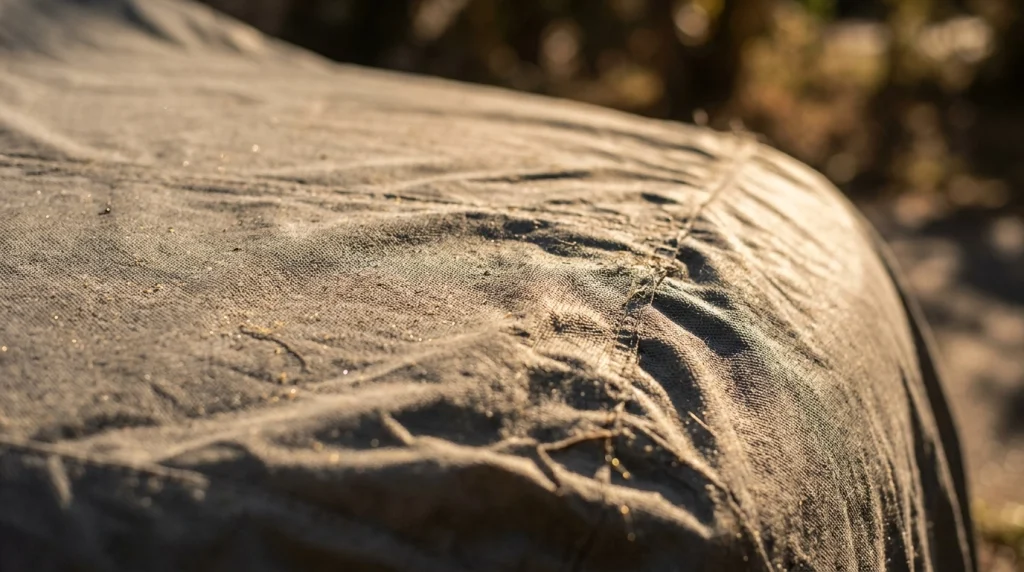
Summer car cover maintenance is the routine of cleaning, inspecting, drying, fitting, and storing a protective vehicle cover so it continues to perform as intended. The right routine depends on the cover’s material, construction, and exposure to weather.
Heat alone doesn’t automatically ruin a quality cover. However, prolonged ultraviolet exposure, abrasive dirt, repeated wetting, and movement against the paint can gradually reduce its usefulness.
How sunlight and heat affect cover materials
Ultraviolet (UV) radiation is energy from sunlight that can contribute to fading and material degradation. Manufacturers may use UV-resistant fabrics or coatings, but those features don’t make every cover immune to prolonged exposure.
A dark cover can also become hot in direct sunshine. If the vehicle has recently been driven, allow its body panels to cool as appropriate for the cover manufacturer’s instructions before installation.
Check the product label for its intended temperature range and outdoor suitability. A lightweight indoor dust cover isn’t necessarily suitable for prolonged exposure to direct summer sun.
Why dust, pollen, and sand matter
Fine particles can collect on the fabric and become abrasive when the cover moves against the paint. Wind makes this risk more significant because it can repeatedly shift a loosely fitted cover across body panels.
Tree sap, bird droppings, and insect residue create a different problem. These contaminants can adhere to fabric, attract dirt, and potentially transfer onto the vehicle.
Pay particular attention to dusty parking areas, trees that drip sap, and locations where birds regularly perch. Removing contamination early is easier than allowing it to accumulate through an entire season.
Can summer rain damage a car cover?
Rain isn’t automatically harmful, but moisture management matters. A breathable cover designed for outdoor use may allow water vapor to escape, while some indoor covers aren’t intended to withstand rain at all.
Water can also remain trapped between the cover and vehicle, particularly when the cover is poorly fitted or the car is parked in a humid, shaded location. Persistent dampness can encourage mildew on the fabric and create unfavorable conditions around the vehicle’s finish.
Section Takeaway: Choose a cover designed for your parking conditions, and manage heat, contamination, moisture, and wind before they become recurring problems.
How to Clean a Car Cover Safely
Clean a summer car cover according to its manufacturer’s instructions, using the gentlest effective method. Remove loose debris first, treat localized stains carefully, and let the fabric dry completely before folding it away.
Step 1: Check the care label
Before adding water or detergent, identify the cover’s material and cleaning restrictions. Some covers are machine washable, while others require hand washing or professional cleaning.
Check whether the manufacturer prohibits bleach, fabric softener, strong solvents, high-pressure washing, or tumble drying. These products and methods can damage coatings, waterproofing treatments, elastic components, or laminated layers.
Step 2: Remove loose dust and debris
- Move the cover to a clean area with enough room to handle it without dragging it across the ground.
- Shake it gently to dislodge loose dust, dried leaves, and grit.
- Brush away stubborn loose debris with a soft brush if the material permits.
- Inspect folds and seams, where sand and small particles often collect.
Don’t scrub gritty fabric aggressively. The goal is to remove particles without grinding them deeper into the material or damaging its surface.
Step 3: Wash using an approved method
For a washable cover, follow the specified water temperature, detergent type, and washing method. If the instructions permit hand washing, use clean water and a mild, approved detergent.
- Clean a small, inconspicuous area first if the manufacturer allows spot testing.
- Work gently around stains rather than using a stiff brush or abrasive pad.
- Rinse thoroughly when the care instructions call for rinsing.
- Keep dirty wash water away from the vehicle’s clean paintwork.
Don’t assume that a waterproof cover can tolerate a pressure washer or a standard washing-machine cycle. Strong mechanical action may damage seams, membranes, and protective finishes.
Step 4: Deal with sap and bird droppings
Remove contamination promptly when practical. If material has dried onto the cover, soften it using only a method approved for that fabric, then lift it gently without scraping.
Avoid household solvents unless the manufacturer specifically approves them. A chemical that removes sticky residue may also discolor fabric or damage its water-resistant coating.
Step 5: Dry the cover completely
Air-dry the cover in a clean, well-ventilated area, following its care instructions. Keep it away from sharp edges, dirty floors, and any drying method that could expose it to excessive heat.
Check the folds, hems, pockets, and thicker seams before storage. These areas may retain moisture after the outer surface feels dry.
Maintenance tip: Don’t put a damp cover into a closed storage bag. Give it more drying time, especially after humid weather or a heavy wash.
Section Takeaway: The safest cleaning method is the one approved for your specific cover, followed by thorough drying and a final inspection.
How to Fit and Inspect a Car Cover in Hot Weather
A properly fitted car cover should protect the vehicle without dragging excessively across its paint. Before installation, check the vehicle’s cleanliness, allow hot components to cool, and secure the cover according to its instructions.
Prepare the vehicle before covering it
Start with a clean vehicle whenever possible. Dust, sand, and dried mud can become trapped between the fabric and paint, especially around the hood, roof, mirrors, and trunk.
If the car has just been washed, allow it to dry thoroughly. Water can remain around mirrors, door handles, trim, and other areas even when the main panels look dry.
After driving, let the vehicle cool before covering it. Pay particular attention to the exhaust system and other components that can retain substantial heat.
For example, don’t pull a synthetic cover over a hot exhaust outlet simply because the body panels feel comfortable to touch. The fabric may have a lower heat tolerance than the surrounding metal.
Fit the cover without stretching or dragging it
- Identify the front and rear of the cover before unfolding it.
- Position it gently over the roof and work toward the front and rear bumpers.
- Align mirror pockets and other shaped sections without forcing them.
- Secure elastic hems and designated straps according to the instructions.
- Check that the fabric doesn’t hang near hot exhaust components or obstruct anything unexpectedly.
A cover that’s too loose can flap in the wind and rub against the finish. An excessively tight cover can strain seams, elastic sections, and attachment points.
Don’t assume that additional straps will improve every cover. Use the provided attachment system and avoid improvised ties that could damage paint or trim.
What should you inspect every week?
During regular summer use, inspect the cover at least weekly and after severe weather. Some manufacturers recommend more frequent checks in wet, shaded, or humid conditions.
| Inspection point | What to look for | What to do |
|---|---|---|
| Outer fabric | Fading, brittle areas, holes, or tears | Clean, assess damage, and check repair options |
| Inner surface | Grit, stains, dampness, or mildew | Clean and dry before reuse |
| Seams and hems | Loose stitching, stretched elastic, or separation | Repair with an approved method or replace |
| Straps and buckles | Fraying, cracks, or loose connections | Replace damaged components before use |
| Vehicle underneath | Moisture, new scratches, or transferred residue | Remove the cover and investigate the cause |
Look for standing water after thunderstorms. If water pools on the cover, remove it safely according to the manufacturer’s guidance and correct any recurring fit or drainage problem.
For long-term outdoor use, periodically uncover the vehicle when conditions allow. This gives you an opportunity to inspect the finish, ventilate the covered area, and identify problems that the fabric might conceal.
Section Takeaway: A clean vehicle, a secure fit, and weekly inspections help reduce preventable wear and reveal moisture or paint problems early.
Indoor vs. Outdoor Car Cover Maintenance
Indoor and outdoor car covers need different care because their fabrics serve different purposes. An indoor cover often prioritizes a soft surface and dust protection, while an outdoor cover must handle environmental exposure according to its design.
How should you maintain an outdoor cover?
Outdoor covers face sunlight, airborne contamination, rain, wind, and temperature changes. Clean accumulated dirt, inspect weather-exposed seams, and check the vehicle beneath the cover regularly.
Breathability and water resistance are not interchangeable. A water-resistant cover may shed light rain but allow moisture through under certain conditions, while a waterproof construction may manage vapor differently.
Don’t add a waterproofing spray just because water no longer beads as it once did. Dirt, aging, or coating wear may explain the change, and an incompatible treatment could affect breathability.
Check the product’s care instructions before applying any aftermarket treatment. Manufacturer-approved maintenance products are the safer starting point.
How should you maintain an indoor cover?
Indoor covers usually collect dust, lint, and garage debris rather than rain or outdoor grime. Gentle cleaning and careful handling help preserve their inner surfaces.
Keep the garage floor and storage area clean when handling the cover. Even an indoor cover can collect abrasive particles if you drag it across concrete or leave it in a dusty corner.
If your garage gets hot and humid, check for condensation and musty smells. Indoor parking doesn’t automatically eliminate moisture problems, particularly when the vehicle enters the garage wet.
Which maintenance tasks differ by cover type?
| Maintenance task | Indoor cover | Outdoor cover |
|---|---|---|
| Main contamination | Dust and lint | Dust, pollen, sap, bird droppings, and weather residue |
| Moisture checks | After washing or parking a wet vehicle | Regularly and after heavy rain |
| UV exposure | Usually limited in a closed garage | Often a major factor in material aging |
| Fit checks | Prevent rubbing and contact with sharp trim | Also prevent wind movement and water pooling |
| Cleaning method | Follow the specific fabric’s care label | Follow the fabric, coating, and seam restrictions |
For manufacturer-specific examples, the DS Covers use and maintenance guidance discusses cooling, moisture checks, ventilation, and storage. Its recommendations apply to its products, so don’t automatically transfer every instruction to another brand.
Section Takeaway: Match your routine to the cover’s intended environment instead of treating every fabric as washable, waterproof, or UV-proof.
What Is the Best Summer Car Cover Maintenance Schedule?
A simple maintenance schedule makes summer car cover care easier to manage. Inspect the cover weekly during regular outdoor use, clean it when needed, and adjust checks to match local weather and the manufacturer’s instructions.
After each use or removal
- Check the inside surface for dust, grit, leaves, and other debris.
- Look for fresh scratches or residue on the vehicle.
- Shake off loose contamination before folding the cover.
- Allow damp fabric to dry before putting it away.
If you remove the cover for a short drive, avoid dropping it onto a dusty driveway. A clean folding surface makes a difference when the cover goes back onto the vehicle.
Every week during outdoor use
- Inspect the cover’s fit, straps, seams, and elastic edges.
- Check for standing water, mildew, or unusual odors.
- Look beneath the cover for moisture and new paint marks.
- Remove accumulated leaves and other surface debris.
In humid climates or persistently rainy weather, inspect more frequently if moisture builds up. Don’t wait for a scheduled check if the cover has experienced a severe storm.
Monthly and seasonal maintenance
Once a month, take a closer look at wear and contamination. A cover used daily under trees may need cleaning more frequently than one used occasionally in a clean garage.
At the beginning and end of summer, inspect the entire cover and review its care instructions. This is a convenient time to assess weather resistance, check the storage bag, and plan repairs before the next season.
| Frequency | Maintenance task | Main purpose |
|---|---|---|
| After removal | Check and remove loose debris | Reduce abrasion and contamination |
| Weekly | Inspect fit, moisture, and straps | Catch early problems |
| Monthly | Review wear and accumulated dirt | Identify cleaning and repair needs |
| Seasonally | Perform a thorough inspection and cleaning as needed | Prepare for changing conditions |
| After heavy rain | Check pooling and moisture underneath | Reduce prolonged dampness |
These intervals are practical starting points, not universal manufacturer requirements. Follow any more specific schedule supplied with your cover.
For additional seasonal vehicle checks, the National Highway Traffic Safety Administration’s summer driving guidance covers heat-related vehicle maintenance, including tires, belts, hoses, and fluids.
Section Takeaway: Short, regular inspections are easier than dealing with a damaged cover or neglected moisture problem later.
How to Store, Repair, or Replace a Summer Car Cover
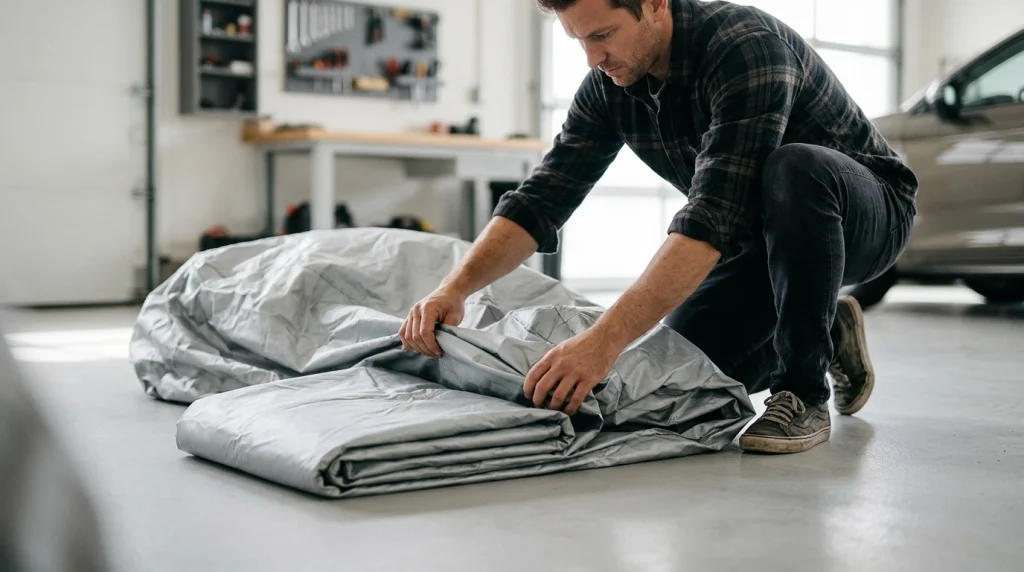
Store a car cover only after it is clean enough for storage and completely dry. Repair minor damage when the manufacturer permits it, but replace a cover when deterioration prevents it from protecting the vehicle reliably.
How do you fold and store a car cover?
Choose a clean, dry surface before folding the cover. Keep the vehicle-facing side protected from dirt, and follow any folding sequence supplied by the manufacturer.
- Remove loose debris and check for damp patches.
- Spread the cover on a clean surface or handle it carefully without dragging it.
- Fold it loosely enough to avoid unnecessary strain on seams and elastic sections.
- Place it in its supplied storage bag or another clean, suitable container.
- Store it away from direct sunlight, sharp tools, chemicals, and excessive heat.
Avoid leaving the folded cover on a garage floor where it can collect oil, grease, grit, or moisture. Keep the storage bag clean as well.
Can you repair a torn or faded cover?
Small tears or loose seams may be repairable, depending on the material and location of the damage. Use only a repair method approved by the manufacturer because ordinary adhesive tape or incompatible patches may leave residue or affect coatings.
Fading alone doesn’t always mean the cover has failed. However, fading accompanied by brittle fabric, cracking, leaks, or weakened stitching deserves closer attention.
Don’t assume that a cover remains weather-resistant simply because it still fits the vehicle. Protective coatings and materials can deteriorate even when the overall shape looks normal.
When should you replace a car cover?
Replacement becomes sensible when the cover can no longer protect the vehicle without creating new risks. Consider these warning signs:
- Extensive tears: Large openings expose areas that should remain covered.
- Damaged inner lining: Rough or deteriorating sections may rub against the paint.
- Failed seams: Separation makes the cover difficult to secure correctly.
- Persistent mildew: Strong odors or recurring growth may indicate ongoing moisture problems.
- Lost weather resistance: The fabric no longer performs as intended despite approved cleaning and maintenance.
- Poor fit: Stretched elastic or damaged straps allow excessive movement in the wind.
There is no universal replacement interval for every car cover. Service life depends on the fabric, construction, exposure, frequency of use, and care routine.
What if the cover leaves marks on your paint?
Remove the cover and inspect the affected area before using it again. Look for trapped grit, sticky residue, dampness, or rough sections on the inside surface.
Clean the vehicle using a suitable automotive wash method and inspect the finish in good lighting. If the mark persists or appears to be a scratch, seek advice from a qualified automotive detailing professional before attempting aggressive polishing.
For general exterior-care guidance, the Kelley Blue Book car advice resources provide broader vehicle ownership information. For paint damage, use advice appropriate to your vehicle’s specific finish.
Section Takeaway: Clean, dry storage helps preserve the cover, but visible deterioration, failed seams, and paint-damaging contact are reasons to repair or replace it promptly.
Summer Car Cover Maintenance: Frequently Asked Questions
How often should I wash my car cover in summer?
Wash your cover when dirt accumulates, contamination sticks to the fabric, or its manufacturer recommends cleaning. There is no universal weekly or monthly washing requirement because materials and parking conditions vary. Frequent light inspections can help you avoid unnecessary washing.
Can I put a car cover on a hot car?
Allow the vehicle to cool before covering it, especially after driving. Exhaust components and other hot parts can damage some fabrics, while temperature differences may contribute to condensation. Follow the cover manufacturer’s instructions for safe installation.
Can I leave my car cover on during summer rain?
Only if the cover is designed for the expected outdoor conditions. Check it after heavy rain for pooling, dampness underneath, and signs of poor ventilation. A cover intended for indoor dust protection should not be treated as a weatherproof outdoor cover.
Does a car cover protect paint from UV damage?
A suitable outdoor car cover can reduce direct sunlight exposure and help protect the finish. The amount of protection depends on its material, construction, fit, and condition. A cover’s UV resistance can also decline with age and prolonged environmental exposure.
Can I machine-wash my outdoor car cover?
Some covers can be machine-washed, but others require hand washing or gentle surface cleaning. Check the manufacturer’s instructions before choosing a washing method. Never assume that a waterproof coating, lining, or seam construction can tolerate a standard wash cycle.
Should I use a car cover if my vehicle is parked under a tree?
A suitable cover can help shield the vehicle from leaves, bird droppings, and some tree-related contamination. However, falling branches, sap, and wind-driven movement can still cause problems. Clean the cover regularly and check the vehicle for trapped debris.
How can I stop mildew from developing under a car cover?
Start with a clean, dry vehicle and a cover suitable for your parking environment. Inspect for condensation, remove the cover periodically when conditions permit, and dry it fully before storage. If mildew keeps returning, investigate persistent moisture and whether the cover provides suitable ventilation.
Final Takeaway: Keep Your Car Cover Ready for Summer
Effective summer car cover maintenance doesn’t require expensive equipment or complicated procedures. A consistent routine of gentle cleaning, careful fitting, moisture checks, and proper storage can help preserve the cover and reduce the risk of paint damage.
Start with the manufacturer’s care instructions, then adapt your inspection schedule to your climate and parking conditions. If your vehicle sits outdoors in strong sunlight or humid weather, regular checks deserve particular attention.
Before the next hot day, inspect your cover, clean away loose grit, check the straps, and confirm that both the vehicle and cover are ready for use. These small steps can help you get more reliable service from your cover throughout the summer and beyond.
Editorial note: Cleaning and storage recommendations vary by product. Always prioritize the instructions supplied with your specific car cover.