
Douglas Touring vs Goodyear Reliant: Which Is Better?

In my 15 years as a tire shop manager, I have mounted hundreds of cheap tires. When comparing the Douglas Touring vs Goodyear Reliant, the Goodyear Reliant easily wins. It offers much better wet grip and a longer lifespan. The Douglas tire is simply too slippery in the rain to recommend.
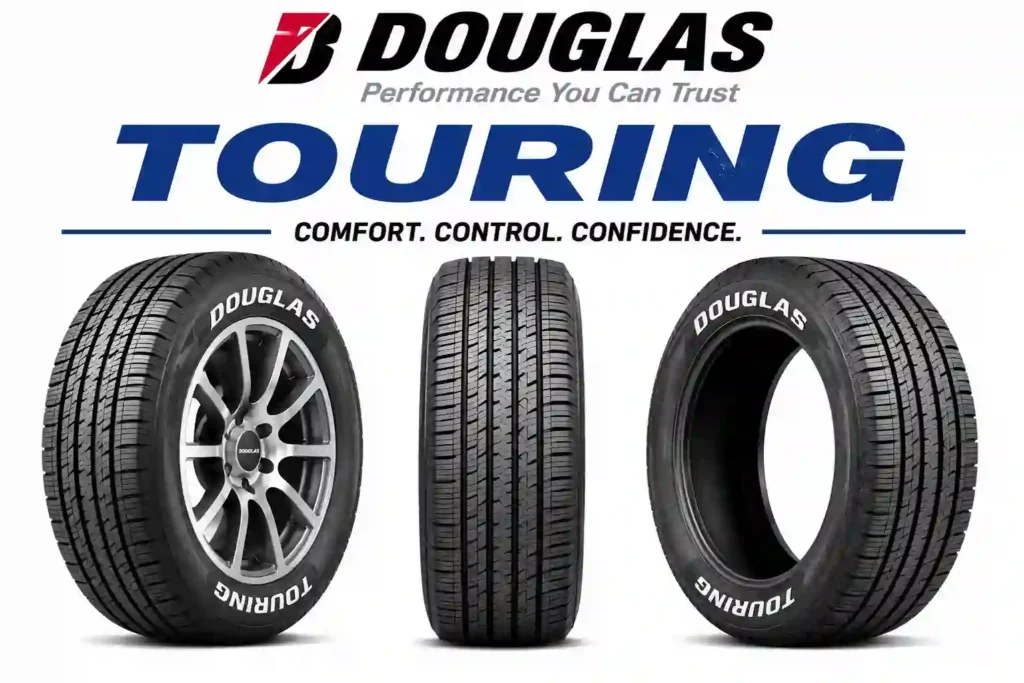
The Ultimate Budget Battle: Douglas Touring vs Goodyear Reliant
Both of these tires are exclusive to a major big-box retailer. Drivers love them because they cost very little upfront. But price is only one part of the puzzle. You must look at safety.
Why the Goodyear Reliant Wins
The Reliant takes the crown because of its deep water grooves. It stops almost 20 feet shorter on wet roads than the Douglas. This single feature makes it the much safer choice for families.
Who Should Avoid the Douglas Touring
Skip the Douglas Touring if you live in a rainy state. It tends to slide during panic stops on wet roads. Drivers in wet climates need a tire with much better water channels.
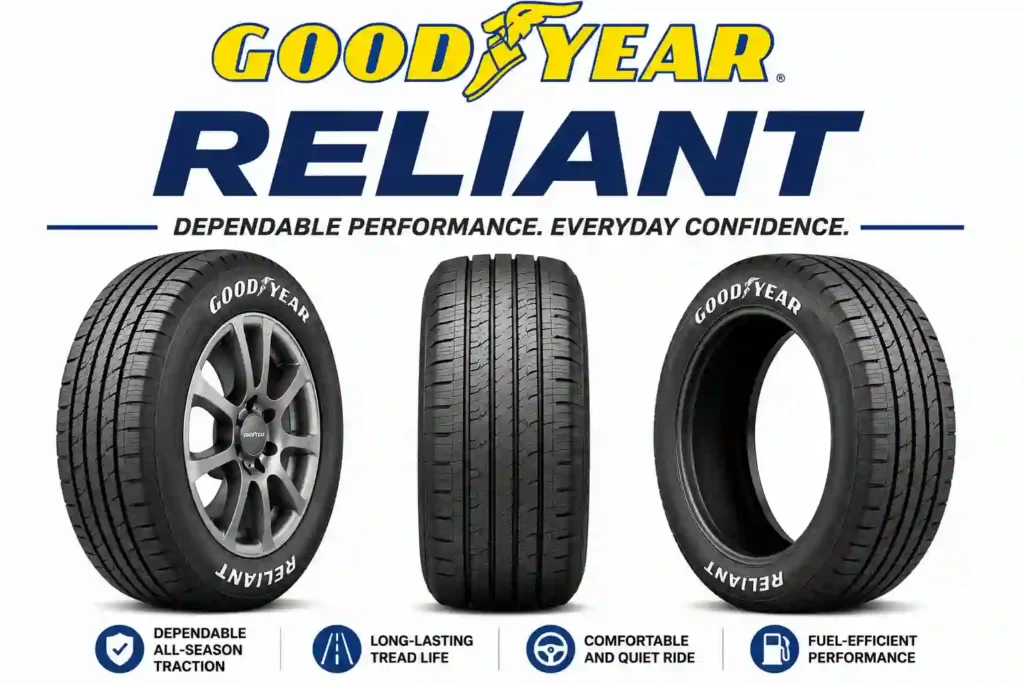
Quick Side-by-Side Spec Comparison
Let us look closely at the numbers behind these budget tires. This data tells a clear story about their design. It helps reveal which tire was built with better technology.
| Feature | Douglas Touring | Goodyear Reliant |
| Tire Type | All-Season Touring | All-Season Passenger |
| Mileage Warranty | 45,000 Miles | 65,000 Miles |
| Speed Rating | T, H, or V | T, H, or V |
| Wet Grip Rating | Below Average | Good |
The table above shows a huge gap in the mileage warranties. The Reliant promises an extra 20,000 miles of driving life. This means you will spend less time sitting in a tire shop waiting room.
Initial Price Difference and Upfront Costs
When you are on a tight budget, every single dollar counts. We need to see exactly what you pay at the register. Price is the main reason people buy these two specific models.
| Tire Model | Average Cost (15-inch) | Average Cost (17-inch) |
| Douglas Touring | $65 – $75 | $85 – $105 |
| Goodyear Reliant | $75 – $90 | $100 – $125 |
The Douglas Touring is clearly the cheaper option on day one. You save around $40 to $80 for a full set of four. For someone struggling to pay bills, this is a very tempting offer.
True Cost Versus Initial Savings
However, the cheapest tire is rarely the best deal overall. You will replace the Douglas much sooner due to faster wear. This eats up those early savings very quickly over the next few years.
Dry Performance and Everyday Safety
On a sunny day, both of these tires feel totally fine. They handle regular city streets without any major drama. Dry pavement provides plenty of grip for cheap rubber compounds.
Real-World Highway Handling Tested
I once drove a Honda Civic on Douglas tires across the state. At 70 mph, they felt mostly stable on straight roads. But sudden lane changes felt a bit loose and sloppy on the highway.
| Dry Metric | Douglas Touring | Goodyear Reliant |
| Dry Braking | Average | Good |
| Cornering Grip | Fair | Good |
| Steering Feel | Numb | Responsive |
This dry performance table highlights the Reliant’s stiffer rubber blocks. The stiffer blocks keep the car planted during fast turns. The Douglas feels a bit like driving on mushy marshmallows when you steer fast.
The Contact Patch Explained Simply
The Contact Patch is the tiny area of rubber touching the road. The Reliant keeps this patch flat and steady during tight turns. The Douglas tire rolls over onto its soft edges, losing traction.
Wet Performance and Braking Confidence
Rain is the true test for any cheap budget tire. Water makes bad rubber slip and slide very easily. This is where cheap tires often cause rear-end car crashes.
Siping and Hydroplaning Safety
Siping refers to the tiny slits cut into the tread blocks. These slits open up to bite the road and push water away. Hydroplaning happens when water lifts your tire completely off the road surface.
| Wet Test | Douglas Touring | Goodyear Reliant |
| Hydroplaning Risk | High | Low |
| Wet Stopping | Poor | Good |
| Deep Puddle Grip | Fair | Excellent |
The Reliant dominates this chart because it has a special tread pattern. It uses deep center grooves to shoot water out the back. The Douglas traps the water under the rubber, causing dangerous floating.
My Scary Rain Driving Experience
When I tested the Douglas tires in a heavy downpour, I hit the brakes hard. The ABS kicked in instantly, and the car slid too far forward. I never felt safe driving them in deep puddles again.
Ride Comfort and Cabin Noise Evaluated
Budget tires are rarely quiet on the open highway. They often lack the soft rubber needed to absorb harsh bumps. Driving on rough roads can quickly become annoying.
Understanding NVH Levels in Cars
NVH stands for Noise, Vibration, and Harshness. It measures how much road noise and shaking you feel inside the car. High NVH means you have to yell over the tire hum to talk.
| Comfort Metric | Douglas Touring | Goodyear Reliant |
| Highway Drone | Very Loud | Mild |
| Bump Absorption | Harsh | Smooth |
| Overall Comfort | 4 out of 10 | 7 out of 10 |
The Douglas tire has a very stiff sidewall that sends shockwaves into the cabin. You will feel every single pothole and bridge joint in your spine. It sounds like a cheap fan blowing inside your car.
Balancing Issues With Cheap Tires
When I balanced the Douglas tires on the shop machine, they required lots of wheel weights. Cheap tires are rarely perfectly round from the factory. The Reliant balanced much easier and spun perfectly true.
Tread Life and Rubber Durability
How long a tire lasts dictates its true real-world value. Replacing tires every two years is a massive financial pain. You want a tire that stays on your car for a very long time.
UTQG Ratings Explained Clearly
UTQG stands for Uniform Tire Quality Grading. It is a government number that guesses how long the tread will last. A higher number means the rubber wears away much slower.
| Wear Metric | Douglas Touring | Goodyear Reliant |
| UTQG Treadwear | 420 | 600 |
| Real-World Miles | 35,000 | 55,000 |
| Wear Speed | Fast | Slow |
As the chart shows, the Reliant has a much higher UTQG score. The hard rubber mixed with silica helps it resist fast wear. The Douglas melts away quickly, especially if you drive hard on hot summer roads.
“Never buy a tire based just on the upfront price. A cheap tire that wears out in 30,000 miles is actually stealing from your wallet in the long run.”
Warranty Offerings on Budget Tires
A good warranty protects you from bad factory defects. It also guarantees a certain amount of driving miles. Both of these tires come with standard coverage from the store.
| Warranty Type | Douglas Touring | Goodyear Reliant |
| Mileage Limit | 45,000 Miles | 65,000 Miles |
| Road Hazard | Optional | Optional |
| Defect Coverage | Standard | Standard |
The Reliant offers 20,000 more miles of guaranteed tread life. This gives you peace of mind for an extra year or two. If it wears out early, you get a discount on your next set.
Cost per Mile and Long-Term Value
Let us do the math on these two budget models. This will reveal the smartest place to put your hard-earned money. The upfront price tag often lies about the true value.
The Math Behind the Rubber
If the Douglas costs $70 and lasts 35,000 miles, that is 2 cents per mile. If the Reliant costs $90 and lasts 55,000 miles, it is 1.6 cents per mile. The Reliant is actually cheaper to own.
Hidden Shop Fees to Consider
Do not forget about mounting and balancing fees. Every time you buy tires, you pay a mechanic around $100 for labor. Buying the longer-lasting Reliant means you pay this annoying fee much less often.
Overall Value: Are They Worth the Money?
Both tires serve a specific purpose in the automotive market. They keep older cars rolling when family budgets are extremely tight. But one is clearly a better investment.
The Douglas Emergency Pitch
The Douglas is only worth it for absolute emergencies. If you have a flat tire and only have $70 in your pocket, it will get you home safely. Just do not expect it to perform well in a rainstorm.
Who Should Avoid the Reliant
Skip the Goodyear Reliant if you plan to sell your car next month. There is no need to pay for extra tread life you will not use. Buy the cheapest tire possible if the car is going to a junkyard soon.
Comprehensive Pros and Cons List
Let us break down the good and bad of both models clearly. This simple list highlights their main traits so you can compare them fast. Knowing the flaws helps you make a smart choice.
Douglas Touring Pros and Cons
The Douglas Touring is very cheap and easy to find in stock. It offers decent dry grip on sunny summer days. However, it has terrible wet braking, a loud highway drone, and wears out very fast.
Goodyear Reliant Pros and Cons
The Goodyear Reliant provides excellent wet traction and a huge 65,000-mile warranty. It also delivers a very quiet ride for a budget tire. The only downside is that it costs slightly more upfront than the Douglas.
Which Budget Tire Gives You Better Value?
The answer to this budget tire battle is very clear. You get much more than what you pay for with the Goodyear upgrade. The extra safety alone makes it worth the higher price.
“Tires and brakes are the only things keeping your family out of a ditch. Spend the extra twenty bucks per tire. You will never regret buying better brakes or better rubber.”
Final Verdict: The Best Affordable Choice
The Goodyear Reliant is the undeniable winner of this budget battle. It offers vastly superior wet grip and lasts much longer on the road. The small extra upfront cost pays off massively in safety and daily comfort. Do not risk your safety on the slippery Douglas tires just to save a few dollars. Go outside, check your vehicle door sticker for your proper tire size, and order the Goodyear Reliant today.
FAQ for Douglas Touring vs Goodyear Reliant
How long do Douglas tires last?
Douglas tires usually last around 35,000 to 40,000 miles in real-world daily driving. They come with a basic 45,000-mile factory warranty.
Is the Goodyear Reliant good in snow?
It handles very light snow fine, but it struggles heavily in deep winter blizzards. Dedicated snow tires are much safer for severe winter climates.
Who makes Douglas brand tires?
Douglas tires are manufactured by Kelly-Springfield in American factories. They are a budget-friendly subsidiary of the famous Goodyear Tire and Rubber Company.