
Bridgestone Blizzak WS90 vs Michelin X Ice Snow: Which Wins?

I have spent years mounting tires and testing rubber limits. In the shop, I learned that winter tires can save your life. I have driven both of these tires on black ice and deep slush. If you want raw snow grip, the Bridgestone Blizzak WS90 wins. But if you want a tire that lasts longer, the Michelin X-Ice Snow takes the crown.
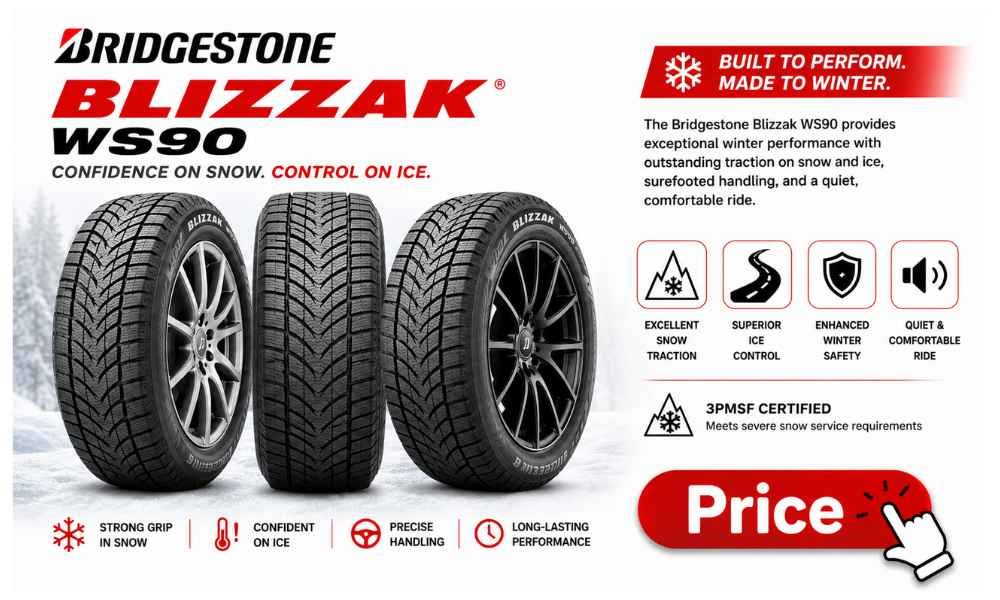
The Ultimate Winter Battle: Bridgestone Blizzak WS90 vs Michelin X Ice Snow
The Winter Tire Kings
Winter driving is scary for many drivers. You need a tire that grabs the road when things freeze. Both of these tires are the best in the business.
Why Good Rubber Matters
Standard tires get hard like plastic in the cold. Winter tires stay soft and squishy. This helps them grab ice and snow safely.
Quick Side-by-Side Spec Comparison
The Basic Stats
Looking at the raw numbers helps you decide. Each tire has a different design. Here is how they stack up on paper.
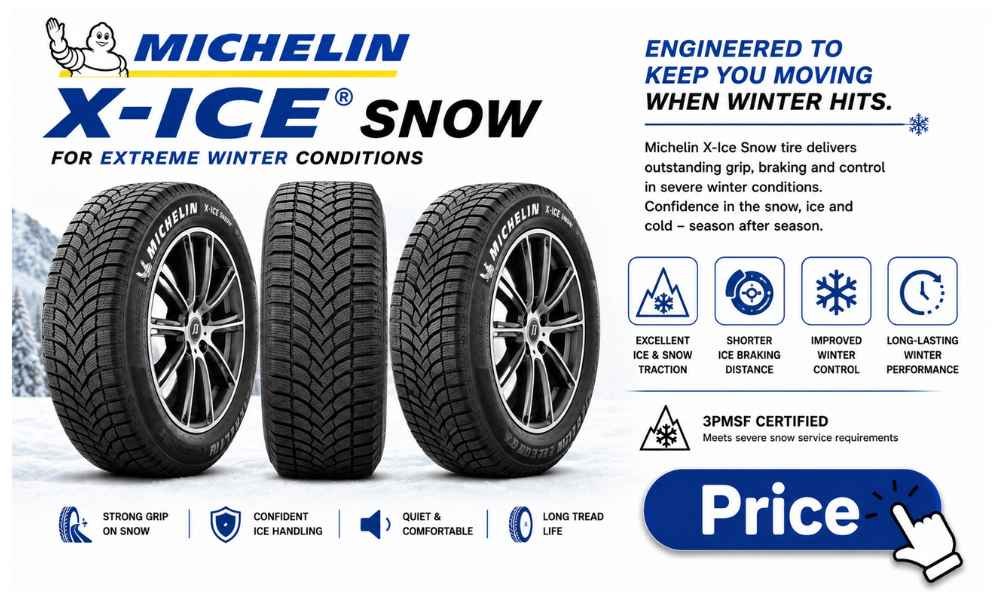
| Feature | Bridgestone Blizzak WS90 | Michelin X-Ice Snow |
| Tire Type | Studless Ice & Snow | Studless Ice & Snow |
| Warranty | None for mileage | 40,000 miles |
| Best Feature | Deep snow bite | Long tread life |
| Tread Type | Directional | Directional |
These numbers tell a clear story. Michelin offers a huge warranty for a winter tire. Bridgestone focuses purely on deep winter grip.
Complete Overview of Both Winter Tires
The Bridgestone Formula
Bridgestone made the Blizzak famous for extreme winter driving. It uses a very special rubber blend. The tire feels like a sponge on ice.
The Michelin Approach
Michelin takes a different path with the X-Ice Snow. They want you to have great grip and long life. The tire is slightly firmer but lasts much longer.
Deep Snow Traction and Slush Clearing
Digging Through the White Stuff
When the snow gets deep, you need big gaps in your tires. These gaps scoop and toss the snow away.
| Snow Condition | Bridgestone Blizzak WS90 | Michelin X-Ice Snow |
| Light Snow | 10/10 | 10/10 |
| Deep Snow | 10/10 | 9/10 |
| Heavy Slush | 9/10 | 9/10 |
The Blizzak edges out a win in deep snow. Its blocky shape bites hard into deep drifts. The Michelin still works great but is slightly less aggressive.
Slush Clearing Power
Slush can pull your car off the road. When I mounted these and took them on a wet highway, the Blizzak pushed slush away faster. You feel less pull on the steering wheel.
Black Ice Performance and Stopping Distance
Stopping on Black Ice
Ice is the true test of any winter tire. Both tires use tiny cuts in the rubber. These cuts are called sipes. Sipes act like biting teeth on slick ice.
| Ice Test | Bridgestone Blizzak WS90 | Michelin X-Ice Snow |
| Ice Braking | 10/10 | 9.5/10 |
| Ice Cornering | 9/10 | 9/10 |
| Takeoff Grip | 10/10 | 9.5/10 |
Bridgestone stops just a bit shorter on pure ice. It is a tiny difference. But that few feet can stop a crash.
The “Why It Won” Justification
The Blizzak stops faster because of its Multicell rubber. This rubber has tiny bubbles inside it. The bubbles suck up the thin layer of water on ice so the tire can grip.
Cold-Dry Pavement Handling and Cornering
Dry Road Handling
You will not drive on snow every single day. Cold, dry roads are very common. A good winter tire must handle normal dry streets well.
Cornering Stability
The Michelin feels much better on dry roads. The Bridgestone feels a bit mushy when you turn fast. Michelin uses a stiffer edge to keep the car stable.
Wet Performance During Winter Thaws
Rain and Melting Snow
Winter brings rain and melting snow. This causes hydroplaning. Hydroplaning is when water builds up under the tire and you slide out of control.
Wet Braking Distance
Both tires push rain away nicely. The Michelin feels slightly safer in heavy rain. It cuts through water well and stops fast.
Braking Confidence in Freezing Conditions
Real-World Driving Scenarios
Imagine driving down a dark road at night. The temperature drops fast. The road looks wet but it is actually frozen solid.
“Never cheap out on winter tires. A set of premium snow tires costs less than your insurance deductible after a fender bender on ice.”
If a deer jumps out, the Blizzak grabs the frozen road best. The Michelin is right behind it. Both will keep you safe.
Highway Handling and Steering Response
Steering Feel
You want your car to go exactly where you point it. Winter tires usually steer slowly. They are soft and bend easily.
Highway Stability
Michelin wins on the highway. It feels like a normal tire at high speeds. The Bridgestone wanders a little bit if you drive fast.
Road Noise Levels for Winter Rubber
Noise and Ride Comfort (NVH)
Winter tires make a humming sound on the highway. This is called Noise, Vibration, and Harshness (NVH). The deep tread catches air and makes noise.
| Comfort Test | Bridgestone Blizzak WS90 | Michelin X-Ice Snow |
| Highway Hum | Moderate | Very Quiet |
| Bump Softness | Very Soft | Firm but Smooth |
| City Driving | Quiet | Quiet |
Michelin is much quieter on long trips. Bridgestone has a low hum at 70 miles per hour. If you hate road noise, buy the Michelin.
Bumps and Potholes
Winter roads are full of deep potholes. The Bridgestone is very soft. It swallows big bumps easily and keeps your back from hurting.
Tread Life and Seasonal Durability
Tread Life & Value Analysis
Winter tires wear out fast on dry roads. Michelin changes the game here. They offer a rare 40,000-mile warranty.
| Tread Detail | Bridgestone Blizzak WS90 | Michelin X-Ice Snow |
| Tread Warranty | None | 40,000 miles |
| Rubber Life | Average | Excellent |
| Dry Road Wear | Fast | Slow |
Bridgestone tires lose their magic ice grip when half the tread is gone. The special bubble rubber runs out. Michelin stays grippy all the way down.
The Michelin Mileage Edge
I have seen Blizzaks wear down to nothing in three seasons. A customer once brought his Michelins back after four seasons. They still had plenty of deep tread left.
Price vs Winter Safety Value Breakdown
Initial Cost vs Long-Term Value
Safety is an investment. Both of these tires cost a good amount of money. You are paying for top-tier engineering and safety.
| Value Check | Bridgestone Blizzak WS90 | Michelin X-Ice Snow |
| Price per Tire | $140 – $220 | $150 – $240 |
| Years of Use | 3 to 4 seasons | 4 to 6 seasons |
| Overall Value | Great for extreme cold | Best for long life |
The Bridgestone is a bit cheaper on day one. But the Michelin lasts years longer. Michelin offers the best value over time.
Comprehensive Pros and Cons List
Bridgestone Pros and Cons
The Blizzak is a legend for a reason. But it is not perfect. Let us look at the good and the bad.
| Tire | The Good | The Bad |
| Blizzak WS90 | Unbeatable ice grip | Fast tread wear |
| Blizzak WS90 | Great in deep snow | Mushy dry handling |
| X-Ice Snow | Very long tread life | Costs more upfront |
| X-Ice Snow | Quiet on highway | Slightly less deep snow bite |
You must trade tread life for extreme ice grip. That is the rule of winter tires. Bridgestone chooses grip, while Michelin chooses life.
Who Should AVOID Each Tire
Skip the Blizzak if you drive mostly on cleared, dry highways. The soft rubber will melt away fast. Skip the Michelin if you live in rural areas with unplowed deep snow all winter.
Which Tire Is Better for Severe Winter?
The Severe Snow Winner
Bridgestone takes the prize for terrible blizzards. Its soft rubber bites into everything. It is the king of unplowed roads.
The Ice and Highway Winner
Michelin wins for the daily commuter. It is quiet, lasts forever, and still handles black ice safely. It is a smarter buy for most city drivers.
Final Verdict: Bridgestone Blizzak WS90 vs Michelin X Ice Snow
Make Your Choice
Both tires will keep your family safe this winter. Choose Bridgestone for rural, deep snow living. Choose Michelin for highway commutes and longer tire life.
