
Cooper Tires vs Goodyear: Which Is Actually Better?

As a former tire shop manager, I have mounted thousands of rubber sets. People always ask me which is better in the cooper tires vs goodyear debate. I have tested both brands on wet roads, dry highways, and dirt trails.
The direct answer is that Goodyear wins for premium performance, wet grip, and quiet street rides. However, Cooper takes the crown for everyday budget value and tough truck tires. Your perfect choice depends entirely on what you drive daily.
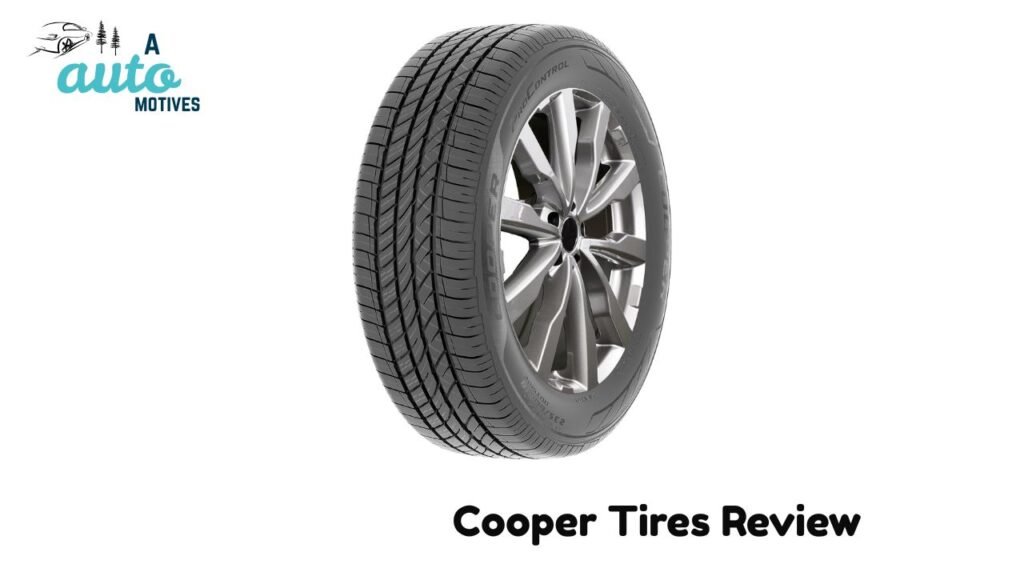
Quick Brand Overview and Spec Comparison
Let us look at how these two brands stack up today. Goodyear is a premium brand built for top performance and safety. Cooper focuses on giving drivers a square deal at a much lower price.
| Feature | Goodyear Tires | Cooper Tires |
| Price Range | High (Premium) | Low to Mid (Budget) |
| Best For | Fast cars and quiet rides | Work trucks and daily use |
| Tread Life | Up to 85,000 miles | Up to 65,000 miles |
| Ride Noise | Very Quiet | Moderate Hum |
This table shows the clear split between the two brands. Goodyear gives you more options and higher mileage limits. Cooper keeps prices low for daily drivers who need basic, tough tires without fancy extras.
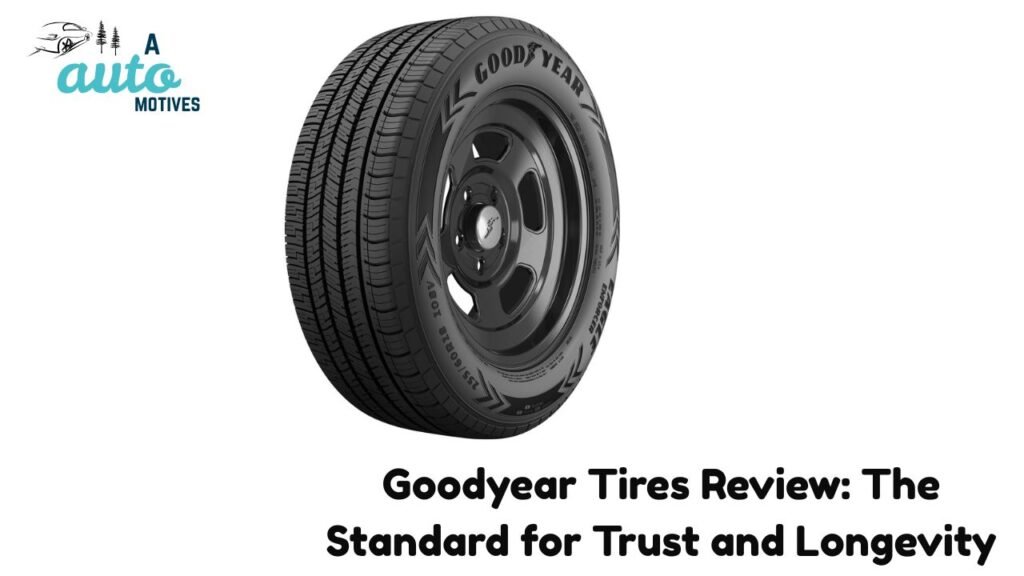
Who Should AVOID Each Brand
Do not buy Goodyear if you are on a tight budget. Their top tires are very pricey and can hurt your wallet. Skip Cooper if you drive a fast sports car, as they lack true high-speed track tires.
Brand Reputation and Market Positioning
Both brands are highly trusted by millions of drivers on the road. Goodyear is known as a global leader in high-tech rubber. They supply factory tires for fast luxury cars. Cooper is known as the working-class hero brand.
Why Goodyear Dominates the Premium Market
Goodyear spends huge money on testing and fresh designs. They build tires that stop fast and steer super sharp. This is exactly why you see them on brand-new expensive cars sitting at the dealership lot.
Why Cooper Owns the Budget Truck Market
Cooper builds tough tires that cost much less than the big names. They offer thick rubber and deep blocks for trucks. People love them because they work hard on job sites without costing a fortune.
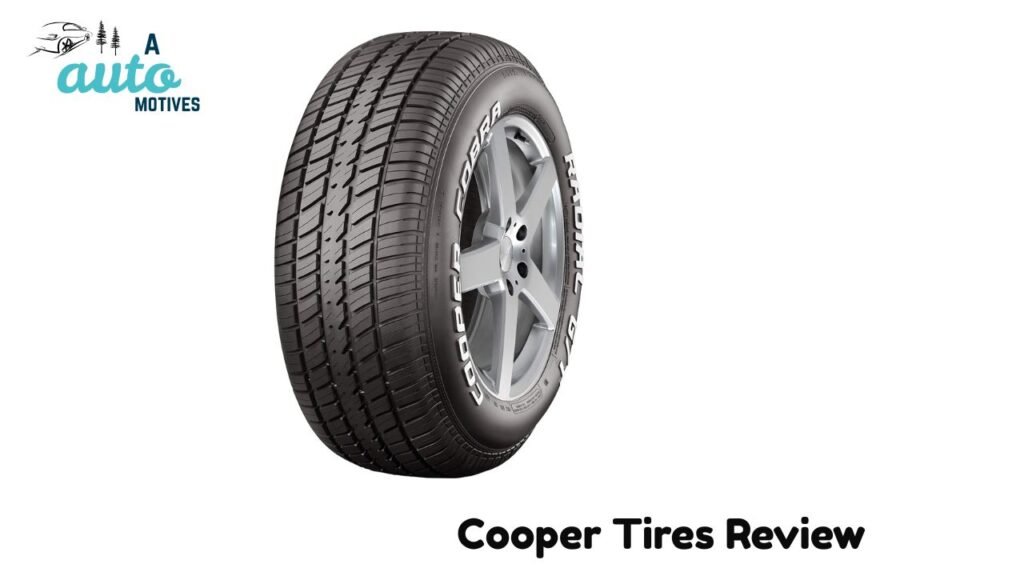
Comparing the Overall Tire Lineups
Each brand makes dozens of different tire models for various vehicles. Goodyear has a tire for almost every car, truck, and race track. Cooper keeps things simple with a strong focus on family cars and heavy pickup trucks.
| Tire Type | Goodyear Top Pick | Cooper Top Pick |
| All-Season | Assurance MaxLife | Endeavor |
| All-Terrain | Wrangler DuraTrac | Discoverer AT3 |
| Mud-Terrain | Wrangler MT/R | Evolution M/T |
| Winter/Snow | WinterCommand | Snow-Groove |
Goodyear covers the luxury and fast sport markets very well. Cooper sticks to the basics with solid touring and mud options. Both brands give you great choices for your everyday commute to work.
Real-World Driving Scenarios
I once drove a heavy truck on wet roads with Cooper tires. The back end slid a bit on a sharp turn. The next month, I drove the same road with Goodyears, and the truck stuck to the ground perfectly.
Dry Performance Across Popular Models
Dry grip is how well a tire holds the road on sunny days. It helps you stop quickly and steer around tight corners safely. A wide Contact Patch, which is the flat rubber touching the road, gives you the best grip.
“Why It Won” Justification for Dry Grip
Goodyear wins the dry grip test because of their sticky rubber blends. Their tires flex and grab the warm pavement much better than budget options. This helps you stop up to fifteen feet shorter in an emergency.
Wet Performance and Hydroplaning Tech
Driving in the rain is where tire quality truly matters most. Hydroplaning happens when water lifts your tire completely off the road. Good tires use deep grooves to push water away fast so you stay in control.
| Test Category | Goodyear Rating | Cooper Rating |
| Hydroplaning Defense | 9 out of 10 | 8 out of 10 |
| Wet Braking Stop | 9 out of 10 | 7 out of 10 |
| Deep Puddle Steering | 8 out of 10 | 7 out of 10 |
| Rain Highway Grip | 9 out of 10 | 8 out of 10 |
Goodyear clearly beats Cooper in heavy rain tests. Their siping, which are tiny slits in the tread blocks, bites into wet roads perfectly. Cooper is very safe, but it slides a bit sooner in deep rain puddles.
Wet Weather Shop Wisdom
“Never buy cheap tires if you live in a very rainy place. A good premium tire will stop your car before you hit the bumper in front of you. That extra cost is much cheaper than an auto body repair bill.”
This rule rings true every single rainy season. Drivers who spend extra on Goodyear tires often avoid minor crashes. Wet weather requires the best rubber you can possibly afford for your car.
Winter Performance and Snow Capabilities
Winter driving requires special rubber that stays soft in the freezing cold. Regular summer tires turn hard as a hockey puck below freezing. Both brands make strong winter tires, but they handle packed snow differently.
Deep Snow and Ice Grip
Goodyear uses special biting edges that grab packed snow deeply. Their winter models give you great steering control on slick black ice. Cooper makes solid snow tires, but they can feel a bit stiff on bare frozen roads.
Comfort, Road Noise, and Ride Quality
Noise, Vibration, and Harshness (NVH) is how we measure ride comfort. A stiff Sidewall, the side of the tire, makes you feel every bump. A soft one absorbs the rough road but might feel a little bit wobbly.
| Comfort Factor | Goodyear Score | Cooper Score |
| Highway Drone | Very Low | Noticeable |
| Pothole Shock | Soft and Smooth | Firm and Stiff |
| City Street Bump | Absorbs Well | Shakes Slightly |
| Overall Cabin Noise | 9 out of 10 | 7 out of 10 |
Goodyear tires ride much smoother on broken city streets. Their inner foam inserts help block out a lot of highway humming. Cooper tires can drone loudly when you hit seventy miles per hour on the freeway.
Real-World Highway Cruising
When I put Cooper Discoverer tires on my own daily driver, the noise was loud. My friends even asked if my wheel bearings were broken. The Goodyears I had on before were almost completely silent on the highway.
Tread Life and Overall Rubber Durability
Tread life tells you how long a tire will last before it goes bald. The UTQG rating gives you a solid hint about durability. A higher score means the thick rubber wears down much slower over time.
Treadwear Ratings Explained
Goodyear builds some touring tires meant to last eighty-five thousand miles. They use strong carbon rubber that fights off daily street wear. Cooper also builds tough tires, but their top limit is usually sixty-five thousand miles.
Proprietary Tire Technology Explained
Tire makers invent special names for their cool custom features. Goodyear uses run-flat tech to let you drive safely with a puncture. They also use rich soybean oil in their rubber to keep it soft and sticky.
| Tech Feature | Goodyear Option | Cooper Option |
| Flat Tire Safety | RunOnFlat Tech | Standard Only |
| Rain Channels | Aqua-Tred Grooves | Aqua Vac Tech |
| Snow Biting Edges | WeatherReady Sipes | Snow-Groove Slits |
| Eco Materials | Soybean Oil Rubber | Standard Rubber |
These special features give Goodyear a very clear tech edge. They invest heavily in green materials and smart safety addons. Cooper sticks to basic tread blocks that simply work hard without the fancy brand names.
Do You Need Fancy Tech?
Most daily drivers do not need track-level tire tech at all. If you just drive to work, basic Cooper rubber works fine. But if you hate changing flat tires on the dark highway, Goodyear is a true lifesaver.
Comparing Warranties and Customer Guarantees
A good warranty protects you from bad factory tire defects. It also pays you back if the tire wears out way too fast. Both brands stand behind their products with very strong shop promises.
Who Has the Better Guarantee?
Goodyear gives you a sixty-day tryout period on most premium tires. If you hate them, you can swap them out very easily. Cooper offers a standard warranty, meaning they pay a percentage if the tire fails early.
Price and Overall Value Breakdown
New tires are a massive financial investment for any driver. Goodyear tires carry a heavy premium price tag at the shop. Cooper tires cost significantly less right out the door, making them great for tight budgets.
| Cost Factor | Goodyear Estimate | Cooper Estimate |
| Average Tire Cost | $180 to $300 | $120 to $200 |
| Four Tire Set | $720 to $1200 | $480 to $800 |
| Warranty Miles | 85,000 max | 65,000 max |
| Long-Term Value | Good for long life | Best for quick savings |
Cooper easily wins the upfront cash cost battle at the sales counter. However, Goodyear tires might last much longer on the open road. If you keep your car for years, Goodyear might be cheaper overall.
“Why It Won” Justification for Value
Cooper wins the pure value test because of their great price point. You get a very safe tire for much less cash. For family SUVs and work trucks, the daily savings are simply too good to pass up.
The Absolute Best Tire From Each Brand
Picking the absolute best tire depends on what you drive daily. Goodyear makes amazing touring tires for smooth, quiet family rides. Cooper excels at building chunky, tough off-road tires for big pickup trucks.
| Driving Need | Goodyear Winner | Cooper Winner |
| Daily Commute | Assurance ComfortDrive | CS5 Grand Touring |
| Off-Road Trail | Wrangler Territory | Discoverer Rugged Trek |
| Heavy Work Truck | Workhorse AT | Discoverer HT3 |
| Track Racing | Eagle F1 SuperCar | None Available |
These top choices show exactly where each brand truly shines. The Goodyear Assurance series is perfect for quiet highway road cruising. The Cooper Discoverer is the ultimate workhorse tire for muddy dirt trails.
Shop Advice on Picking Models
“Always match your tire to your real daily drive. Do not buy huge mud tires if you only drive on smooth highways. The loud humming sound will drive you crazy after just one week of driving.”
I always tell my shop customers to match the tire to their commute. Buy the Goodyear Assurance if you drive fifty miles daily. Buy the Cooper Discoverer if you tow a boat or drive on farm gravel.
Which Tire Brand Is Better for Your Needs?
Your final choice comes down to your personal budget and vehicle type. If you drive a nice luxury car, you want premium rubber. If you drive an old work truck, you want cheap, lasting durability.
Final Shopping Tips
Check your driver door sticker for the correct factory tire size. Never mix and match different tire brands on one single car. Always buy a full set of four for the best grip and daily safety.
Final Verdict: The Best Brand Choice
In the fierce battle of cooper tires vs goodyear, Goodyear is the winner for pure performance, quiet comfort, and wet grip. However, Cooper is the absolute best choice if you want strong truck tires on a budget.
Next Steps for Your Car
Go outside right now and check your tire tread depth with a penny. If Lincoln’s head is fully visible, it is time to shop. Call your local tire shop and ask them to price out both brands today.
FAQ for cooper tires vs goodyear
Does Goodyear own Cooper Tires?
Yes, Goodyear bought Cooper in 2021. They share testing spaces, but they remain separate brands with distinct product lines and different price points.
Are Cooper tires as quiet as Goodyear?
No, Goodyear tires are generally much quieter on the highway. Cooper tires, especially truck models, can produce more loud road noise during trips.
Which tire brand lasts longer?
Goodyear typically offers much longer tread life warranties. Some Goodyear models are rated for 85,000 miles, while Cooper usually maxes out around 65,000.