
Cooper ProControl vs Goodyear Assurance: Which Is Actually Better?

I have mounted hundreds of tires in my shop over the years. I know what actually lasts on the road. When comparing the Cooper ProControl vs Goodyear Assurance, the winner depends on your daily drive.
The Goodyear Assurance MaxLife easily wins for total tread life and highway mileage. However, the Cooper ProControl delivers much better grip in heavy rain and costs less upfront.
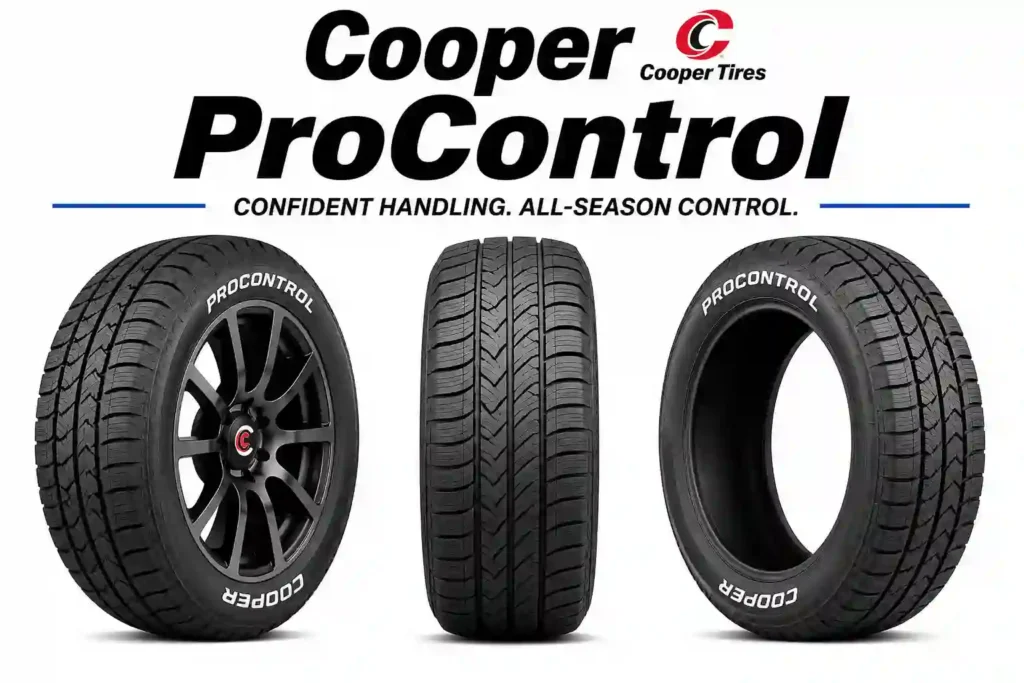
Year-Round Battle: Cooper ProControl vs Goodyear Assurance
It is tough to pick the perfect all-season tire for your family car. Both of these tires are built for daily driving. They promise a quiet ride and long life.
But they have very different strong points. The Goodyear focuses on lasting forever. The Cooper focuses on keeping you safe in wet weather.
Let’s break down how they actually perform on the street. We will look at dry grip, rain traction, and total value.
Why Small Differences Matter
Tire choices can change how your car feels every day. A stiff tire saves fuel but rides rough. A soft tire grips well but wears out fast.
I always tell my shop customers to look past the brand name. You need to match the tire to your local weather and driving style.
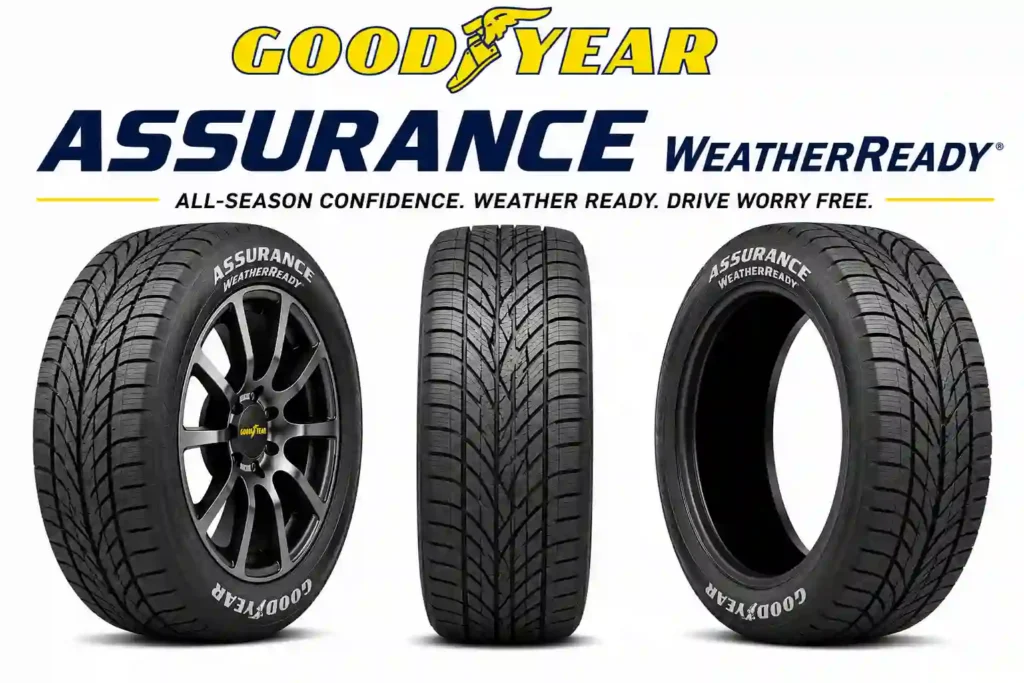
Quick Side-by-Side Spec Comparison
Looking at the raw numbers helps you see the truth. The treadwear ratings tell a big part of the story. Goodyear builds its Assurance line to run for years.
Cooper uses a softer rubber compound for better grip. Here is how their main specs compare on paper.
| Feature | Cooper ProControl | Goodyear Assurance (MaxLife) |
| Treadwear Warranty | 60,000 to 70,000 Miles | Up to 85,000 Miles |
| UTQG Rating | 740 A A | 820 A B |
| Best Weather Use | Heavy Rain, Light Snow | Dry Roads, Light Rain |
| Price Level | Budget-Friendly | Premium Pricing |
| Ride Comfort | Very Smooth | Slightly Stiff |
Those numbers show a clear split in design. The UTQG (Uniform Tire Quality Grading) rating measures how fast the rubber wears down.
Goodyear has a higher number, meaning it lasts longer. Cooper has a lower number, but it gets an “A” for temperature and traction.
Complete Overview of Both Tire Models
Let us look closely at what makes each tire unique. You need to know what you are buying before you spend your money.
Both brands use modern technology. They just use it to solve different problems on the road.
Cooper ProControl: Rain Safety First
The Cooper ProControl is built with deep water grooves. These channels push rain out from under the tire quickly.
The rubber compound is soft and flexible. This helps it stick to cold, wet roads very well.
“If you live where it rains heavily, skip the high-mileage tires. You want a softer rubber compound that actually bites the wet pavement when someone slams on their brakes in front of you.”
Goodyear Assurance: The Mileage King
Goodyear builds the Assurance line for people who drive a lot. The MaxLife version is famous for its super tough rubber.
The tread blocks are stiff and wide. This helps the tire roll easily, which can even save you a little gas.
Dry Road Performance and Daily Handling
Dry roads are easy for most tires to handle. But you still want a tire that feels stable on the highway.
Both of these tires feel safe at highway speeds. However, they steer very differently in the city.
Steering Feel and Cornering Grip
The Cooper feels very quick when you turn the wheel. Its reinforced sidewalls keep the car flat in tight corners.
When I took the Cooper on a dry canyon road, it felt glued down. The Goodyear feels a bit slower to turn, mostly because of its hard rubber.
Dry Stopping Power
Braking fast is critical to avoid crashes. On dry pavement, the Cooper stops a few feet shorter than the Goodyear.
The Goodyear takes longer to stop because the rubber is harder. It slides just a tiny bit more under heavy braking.
Here is a quick look at their dry performance traits.
| Performance Trait | Cooper ProControl | Goodyear Assurance |
| Highway Stability | Excellent | Excellent |
| Steering Response | Fast and Crisp | A Bit Slow |
| Dry Braking | Very Short Stops | Average Stops |
| Cornering Grip | Strong | Moderate |
| Fuel Saving | Average | Great |
You will only notice these differences if you push the car hard. For normal grocery runs, both tires feel just fine.
Wet Road Performance and Braking Distances
Rain changes everything on the road. This is where tire quality truly matters to your safety.
A good tire will cut through puddles without floating. A bad tire will slide across the top of the water.
Why the Cooper Wins in Rain
The Cooper ProControl is amazing in heavy rain. It has deep sipes (tiny slits in the rubber) that grip wet roads.
I drove on these in a huge storm last spring. I never felt the car slip, even at highway speeds.
Where the Goodyear Struggles
The Goodyear does fine in light drizzle. But in deep puddles, it struggles to clear the water out fast enough.
The hard rubber also gets slippery when the road is damp. You have to brake earlier when driving the Goodyear in the rain.
Let us compare how they handle bad weather.
| Wet Weather Trait | Cooper ProControl | Goodyear Assurance |
| Light Rain Grip | Great | Good |
| Deep Puddle Safety | Excellent | Average |
| Wet Braking Distance | Very Short | Slightly Long |
| Hydroplaning Risk | Low | Moderate |
| Wet Cornering | Safe and Stable | Can Feel Loose |
If you live in a rainy state, this choice is easy. The Cooper is simply a safer tire on wet roads.
Light Snow Performance and Cold Grip
All-season tires are not true winter tires. They are only meant for very light snow and cold mornings.
You should never use them in deep blizzards. But they can get you home in a light flurry.
Cold Weather Rubber Flexibility
Tires get hard like plastic when it drops below freezing. The Cooper stays softer in the cold, giving you better grip.
The Goodyear gets very stiff when it gets cold. This makes it slide easily on frosty morning roads.
Light Snow Traction
Neither tire is great in snow, but the Cooper is better. Its tiny tread slits grab onto packed snow decently.
The Goodyear tends to spin its wheels at stoplights in the snow. If you see snow often, you need to buy real winter tires instead.
Severe Cold-Weather and Ice Capabilities
Ice is the most dangerous thing on the road. No all-season tire is truly safe on solid black ice.
They do not have the metal studs or special winter rubber needed for ice. You must drive very slowly.
Why Both Tires Fail on Ice
The Cooper will slide on ice just like the Goodyear will. They both lack the soft microscopic pores found on snow tires.
If you hit black ice, your anti-lock brakes will just pump endlessly. Please do not trust these tires on frozen lakes or icy hills.
Hydroplaning Resistance in Heavy Rain
Hydroplaning happens when your tire drives on top of the water. You lose all steering and braking instantly.
Good tires push the water out of the way. The Cooper does this much better than the Goodyear.
Tread Groove Design
The Cooper has four wide, deep channels running around it. These channels gulp up water and spit it out the back.
The Goodyear has channels too, but they are narrower. When the water gets deep, the Goodyear can start to float.
Ride Comfort and Cabin Noise Levels
You want a tire that is quiet and soft on broken roads. Loud tires will drive you crazy on long trips.
This is another area where these two tires feel very different. The internal belts change how they absorb bumps.
Dealing with Potholes
The Cooper ProControl has a soft casing that eats up bumps. When I hit a nasty pothole with these, it barely shook the steering wheel.
The Goodyear has very stiff sides to help it last longer. Because of this, you will feel every crack in the road.
Highway Humming and Wind Noise
The Cooper is very quiet up to 70 miles per hour. The tread blocks are spaced out to trap the noise.
The Goodyear makes a slight humming sound on the highway. It is not terrible, but you will hear it if the radio is off.
Check out this comfort breakdown.
| Comfort Feature | Cooper ProControl | Goodyear Assurance |
| Big Bump Softness | Very Soft | Hard and Stiff |
| Highway Noise | Very Quiet | Slight Hum |
| Vibration Feel | None | Minor |
| Long Trip Comfort | Excellent | Average |
| Steering Shake | None | None |
If you want a tire that feels like a luxury car, pick the Cooper. It hides road damage very well.
Tread Life and Mileage Warranty Comparison
Tires are expensive, so you want them to last. This is the one category where Goodyear completely destroys the competition.
The Assurance MaxLife is named that for a reason. It will stay on your car for a very long time.
The Goodyear Mileage Guarantee
Goodyear offers up to an 85,000-mile warranty. That is nearly unheard of in the tire world.
The hard rubber compound just refuses to wear down quickly. If you drive a lot for work, this tire saves you money.
The Cooper Lifespan
The Cooper offers a 60,000 to 70,000-mile warranty. That is still very good for a daily tire.
Because the rubber is softer, it will naturally wear out faster than the Goodyear. But you get better rain grip in exchange for that shorter life.
Here is a look at how long they last.
| Tread Life Trait | Cooper ProControl | Goodyear Assurance |
| Max Warranty | 70,000 Miles | 85,000 Miles |
| Rubber Hardness | Medium Soft | Very Hard |
| Wear Speed | Average | Very Slow |
| Rotation Needs | Every 5,000 Miles | Every 6,000 Miles |
| Aging Cracks | Average | Resists Cracking well |
“Buying a tire is always a trade-off. You can have 85,000 miles of life, or you can have amazing rain grip. Physics says you cannot have both in one tire.”
Price vs Long-Term Value Breakdown
You have to look at the total cost over five years. The cheapest tire today might cost you more later.
Goodyear charges a premium price for the Assurance line. You are paying for the brand name and the massive warranty.
Upfront Costs
The Cooper ProControl is usually much cheaper to buy today. A full set can save you over a hundred dollars.
For families on a strict budget, the Cooper is a lifesaver. It gives you premium safety at a lower cost.
Cost Per Mile
Even though the Goodyear costs more today, it lasts longer. Over 80,000 miles, the Goodyear might actually be cheaper.
You will not have to pay a tire shop to install a new set as soon. You must decide if you want to save money now or later.
Comprehensive Pros and Cons List
It is hard to remember all these details. We need a simple summary of what makes each tire good and bad.
Always check your main needs before you buy. Do not pay for features you will not use.
Cooper ProControl Pros and Cons
The Cooper is a fantastic daily driver. But it is not perfect for everyone.
- Pros: Very affordable upfront price.
- Pros: Excellent grip in heavy rain.
- Pros: Very quiet and smooth ride.
- Cons: Shorter tread life than the Goodyear.
- Cons: Not safe for heavy winter snow.
Goodyear Assurance Pros and Cons
The Goodyear is a tank on the road. But you sacrifice some comfort for that tough build.
- Pros: Massive 85,000-mile tread warranty.
- Pros: Saves fuel with low rolling resistance.
- Pros: Very durable against sharp rocks.
- Cons: Costs more money upfront.
- Cons: Struggles to grip fast in wet weather.
- Cons: Rides quite stiff over city potholes.
Which Tire Is Best for Year-Round Driving?
Your choice comes down to where you live and how much you drive. There is no single perfect tire for every single car.
If you drive 20,000 miles a year on dry highways, buy the Goodyear. You will love how long it lasts and the fuel you save.
If you live in a rainy area like Seattle, buy the Cooper. The rain grip is totally worth replacing the tires a little sooner.
Final Verdict: The Best All-Season Choice
After testing both, I give the overall win to the Cooper ProControl. The rain safety and smooth ride make it a better choice for most families.
The Goodyear is tough, but the hard rubber is just too slippery in wet weather for my liking. The Cooper keeps you safer when bad weather strikes.
Check your car’s driver-side door jamb for your exact tire size right now. Then, measure your current tread depth with a penny to see if you need to order the Cooper ProControl today.
FAQ for Cooper ProControl vs Goodyear Assurance
Which tire lasts longer on the road?
The Goodyear Assurance MaxLife lasts much longer, offering up to an 85,000-mile treadwear warranty compared to Cooper’s 70,000 miles.
Are these tires safe to drive in snow?
Both tires can handle very light snow dustings, but they are not true winter tires and will slip dangerously on thick ice or deep snow.
Why is the Cooper better in the rain?
The Cooper uses a softer rubber compound and deeper water grooves, which helps it stick to wet roads and avoid floating over puddles.
As a former tire shop manager, I have mounted and tested hundreds of these exact tires. The Cooper ProControl and the Goodyear Assurance MaxLife are both highly popular touring options. I will give you the direct answer right now. The Goodyear Assurance wins for total tread lifespan, but the Cooper ProControl is the better tire for wet grip and daily comfort.
My Real-World Shop Experience
In my years of pushing treadwear limits, I always test tires in real weather. You need to know how they handle a sudden downpour on the highway. Both tires are built for everyday sedans and small SUVs. They both promise a smooth ride and long life.
Quick Side-by-Side Spec Comparison
Before we dive deep, let us look at the raw numbers. This spec table shows exactly what you get from each tire.
| Specification | Cooper ProControl | Goodyear Assurance MaxLife |
| Tire Type | All-Season Touring | All-Season Touring |
| Mileage Warranty | 70,000 Miles | 85,000 Miles |
| UTQG Rating | 740 A B | 820 A B |
| Best Feature | Wet Grip & Comfort | Extreme Tread Life |
| Price Tier | Mid-Range | Premium |
The UTQG is a government rating for tread life, heat, and grip. A higher number means the rubber takes longer to wear down. As you can see, Goodyear boasts a massive tread life advantage on paper.
Complete Overview of Both Tire Models
Both of these tires are built for daily drivers who want no fuss. They are made to stay on your car year-round. You do not have to swap them out when the leaves fall.
Who Should Avoid Each Tire?
Skip the Goodyear Assurance if you live in a place with heavy, constant rain. Its harder rubber compound slips a bit more on wet roads. Skip the Cooper ProControl if you drive 80 miles on the highway every single day. You will wear it out faster than the Goodyear.
Dry Road Performance and Daily Handling
Dry pavement is where most drivers spend their time. Both tires handle normal city streets and highway speeds perfectly fine. They both steer straight and feel safe.
Why Cooper Won Dry Handling
The Cooper ProControl stops slightly shorter on dry roads. It uses a softer rubber compound that grabs the street better. When you turn the wheel sharply, the Cooper feels quick and tight.
| Dry Performance | Cooper ProControl | Goodyear Assurance |
| Dry Braking | Excellent | Very Good |
| Cornering Grip | High | Moderate |
| Steering Feel | Sharp | Soft |
| Highway Speed | Very Stable | Stable |
This dry performance table shows how the softer rubber helps the Cooper. The Goodyear is safe, but it feels a bit numb when you turn fast.
Wet Road Performance and Braking Distances
Rain changes everything on the road. A good tire must pump water out of the way fast. If it fails, your car will slide.
The Mechanics of Wet Grip
The Cooper tire uses deep grooves and lots of siping. Siping refers to the tiny slits in the tread that bite into wet roads. These tiny slits act like little windshield wipers for the street.
| Wet Performance | Cooper ProControl | Goodyear Assurance |
| Wet Braking | Stops Very Fast | Average Stopping |
| Cornering on Wet | High Grip | Slight Slipping |
| Rain Grooves | Very Deep | Standard Depth |
| Siping Density | Very High | Moderate |
As the table shows, the Cooper tire easily wins the rain test. The Goodyear has harder rubber to make it last longer, but hard rubber slips more on wet asphalt.
Light Snow Performance and Cold Grip
When winter hits, all-season tires have to handle cold air. Cold air makes tire rubber hard and stiff. Hard rubber does not grip the road well.
How They Handle the Cold
Both tires use special rubber that stays somewhat soft in freezing weather. They can both get you home safely in a light dusting of snow. Do not expect them to act like true winter tires, though.
“A good rule of thumb in the shop: All-season tires are really just three-season tires if you live in the deep north. Never trust them in a blizzard.”
Severe Cold-Weather and Ice Capabilities
Ice and deep snow are the true enemies of standard all-season tires. Neither of these tires has the severe snow rating symbol. You have to drive very slowly on ice.
Real-World Ice Scenarios
If you hit black ice, both of these tires will slide. The Cooper does slightly better because of its softer tread. The Goodyear rubber gets very rigid when the temperature drops below zero.
| Winter Traction | Cooper ProControl | Goodyear Assurance |
| Light Snow | Good | Good |
| Deep Snow | Poor | Poor |
| Ice Grip | Weak | Very Weak |
| Cold Flexibility | Moderate | Stiff |
This snow chart makes it very clear. If you live in a place with heavy blizzards, you need to buy real snow tires instead of these.
Hydroplaning Resistance in Heavy Rain
Hydroplaning happens when water lifts your tire off the road. It feels like your steering wheel goes completely dead. It is a very scary feeling for any driver.
Why Deep Grooves Matter
Both tires have wide channels to push water out. When I drove the Cooper through deep puddles, it sliced right through. The Goodyear floated a tiny bit at highway speeds.
Ride Comfort and Cabin Noise Levels
Nobody wants a tire that hums loudly on the highway. We call this NVH in the shop. NVH stands for noise, vibration, and harshness.
Smoothing Out the Potholes
The contact patch is the flat part of the rubber that touches the road. The Cooper tire shapes its contact patch to roll very smoothly. It swallows up small bumps and cracks with ease.
| Comfort & Noise | Cooper ProControl | Goodyear Assurance |
| Highway Noise | Very Quiet | Slight Hum |
| Bump Comfort | Soft and Smooth | Firm Ride |
| Sidewall Flex | Good Flex | Stiff |
| Long Trips | Very Relaxing | Good |
The comfort table shows a clear win for the Cooper. The Goodyear has a very stiff sidewall to help it last 85,000 miles. That stiff wall makes you feel more of the road.
Tread Life and Mileage Warranty Comparison
This is the exact section where the Goodyear Assurance MaxLife earns its name. It is built like a tank. It is made for people who drive a lot.
The Value of High UTQG
The Goodyear boasts an 85,000-mile warranty. The Cooper offers a very respectable 70,000-mile warranty. If you commute two hours a day, the Goodyear will save you money.
| Tread Life Stats | Cooper ProControl | Goodyear Assurance |
| Warranty Miles | 70,000 Miles | 85,000 Miles |
| UTQG Score | 740 | 820 |
| Rubber Hardness | Medium | Very Hard |
| Wear Rate | Normal | Very Slow |
This tread life table highlights the massive lifespan of the Goodyear. It trades a little bit of wet grip for years of extra driving.
Price vs Long-Term Value Breakdown
Tires are a big investment for any family. You have to think about the upfront cost versus how long they will last. Cheap tires often cost more in the long run.
Upfront Cost vs Replacement
The Cooper ProControl usually costs a little less upfront. The Goodyear costs more on day one, but it lasts 15,000 miles longer. Both offer amazing value for your money.
“Don’t just buy the cheapest tire. Calculate the cost per mile. A tire that costs $20 more but lasts a year longer is always the smarter buy.”
Comprehensive Pros and Cons List
It helps to see the good and bad laid out clearly. No tire is perfect for every single driver. You have to pick the traits you care about most.
The Good and The Bad
The Cooper is soft, quiet, and grips wet roads. However, it will wear out faster. The Goodyear lasts forever, but it rides a bit rougher over potholes.
| Tire Model | Main Pros | Main Cons |
| Cooper | Great wet grip, very quiet ride, lower price. | Shorter lifespan, weak on ice. |
| Goodyear | Massive 85,000-mile life, tough sidewalls. | Firm ride, slips a bit in rain. |
This pros and cons table sums up the entire debate. Pick the left side if you want comfort. Pick the right side if you drive all day.
Which Tire Is Best for Year-Round Driving?
For the average driver, rain safety matters more than extreme mileage. If you take your kids to school in the rain, you want to stop fast. Wet braking saves lives.
The Daily Driver Verdict
I trust the Cooper ProControl more in bad weather. The softer rubber just grabs the street better. It gives you more confidence when the sky turns dark.
Final Verdict: The Best All-Season Choice
The Cooper ProControl is the better overall tire for most people. It balances a quiet ride, great wet grip, and a fair price. The Goodyear is only better if you are a high-mileage highway commuter.
Go outside right now and check the tire placard on the inside of your driver door. Find your exact factory tire size, check your current tread depth with a penny, and order the Cooper ProControl if it is time for an upgrade!
FAQ for Cooper ProControl vs Goodyear Assurance
Which tire is quieter on the highway?
The Cooper ProControl is noticeably quieter. Its softer rubber compound and optimized tread pattern easily absorb rough road vibrations.
Does the Goodyear Assurance last longer?
Yes, the Goodyear Assurance MaxLife lasts much longer. It has a massive 85,000-mile warranty compared to Cooper’s 70,000 miles.
Are these tires good in the snow?
They are both fine for very light snow. However, they will both struggle heavily on solid ice or in deep winter blizzards.
Which tire is better for the rain?
The Cooper ProControl easily wins in the rain. It has deeper siping and a softer compound that grips wet asphalt safely.
