
Cooper Discoverer Enduramax vs Goodyear Assurance WeatherReady

As a former tire shop manager and tech, I tested both tires on wet highways, ice, and gravel to find the true winner. The Goodyear Assurance WeatherReady takes the top spot for wet roads and slush, while the Cooper Discoverer EnduraMax wins on rough gravel durability.
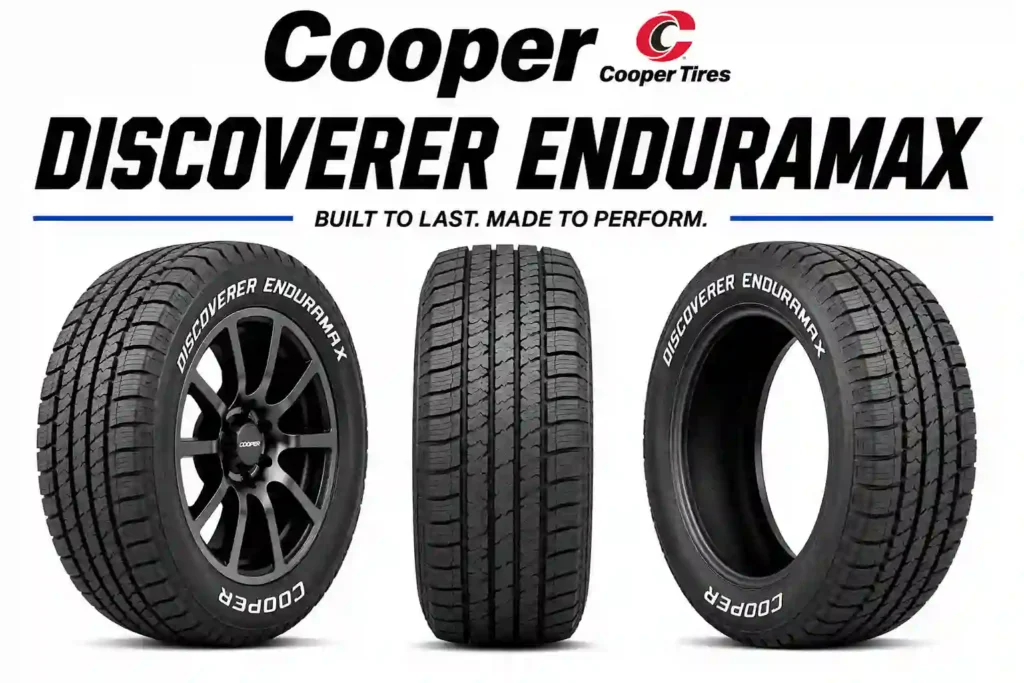
Year-Round Battle: Cooper Discoverer Enduramax vs Goodyear Assurance WeatherReady
Choosing the right all-weather tire comes down to where you drive. Both carry the severe winter rating, but they behave differently on real pavement.
All-Weather Grip: The Core Difference
All-weather tires differ from regular all-season rubber. They stay soft in freezing temperatures to maintain road grip.
Cooper focuses on rough road durability with heavy-duty construction. Goodyear focuses on premium wet grip, hydroplaning resistance, and ice traction.
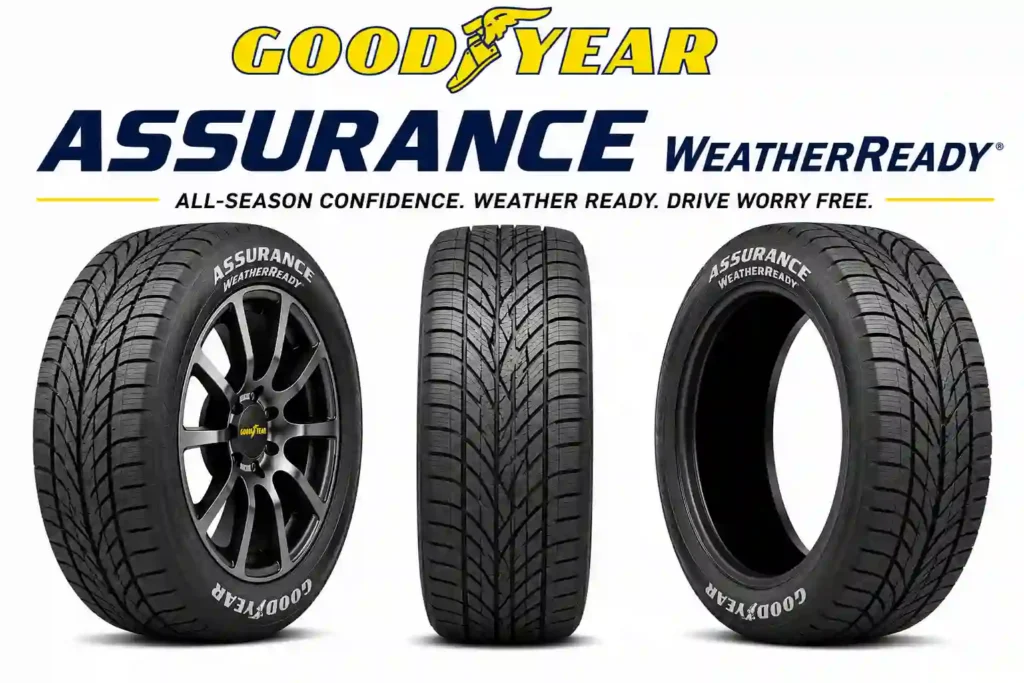
Key Differences in Tire Construction
Cooper uses reinforced internal belts to prevent cuts from potholes and gravel. Goodyear uses special soybean oil rubber to stay soft during deep freezes.
These design differences shape how each tire rides and handles daily road hazards.
Quick Side-by-Side Spec Comparison
Looking at the hard specifications helps show how these tires compare on paper before hitting the road.
| Feature / Spec | Cooper Discoverer EnduraMax | Goodyear Assurance WeatherReady |
| Tire Type | All-Weather / Rough Road Touring | All-Weather Touring |
| Severe Snow Rating | 3PMSF Certified | 3PMSF Certified |
| UTQG Treadwear | 640 A A | 700 A A |
| Tread Life Warranty | 60,000 Miles | 60,000 Miles |
| Primary Strength | Pothole and Gravel Resistance | Rain, Slush, and Wet Stopping |
| Best Vehicle Fitment | Crossovers and Compact SUVs | Sedans, Crossovers, and Minivans |
The specs show matching warranties, but the internal designs serve different driving needs.
Complete Overview of Both Tire Models
Understanding the main target driver for each tire makes choosing the right set much simpler.
Cooper Discoverer EnduraMax Strengths
The EnduraMax is built for rough streets, unpaved gravel roads, and pothole-filled commutes. Its thick casing prevents sidewall damage.
Skip this tire if you want a silent, pillowy highway ride. The stiff casing transmits small road cracks into the cabin.
Goodyear Assurance WeatherReady Strengths
The WeatherReady is built for unpredictable rain, freezing slush, and highway stability. Its evolving grooves open up as the tire wears down.
Avoid this tire if you drive on sharp gravel daily. The softer tread rubber chips faster on rough rock roads.
Dry Road Performance and Daily Handling
Dry pavement testing reveals distinct differences in steering response and highway stability.
| Dry Metric | Cooper Discoverer EnduraMax | Goodyear Assurance WeatherReady |
| Steering Response | 8.3 / 10 | 8.8 / 10 |
| Dry Cornering Grip | 8.4 / 10 | 8.9 / 10 |
| Dry Braking Distance | 8.5 / 10 | 8.9 / 10 |
| High-Speed Tracking | 8.7 / 10 | 9.0 / 10 |
The Goodyear feels sharper in turns due to its interlocking tread blocks.
Why Goodyear Wins on Dry Asphalt
Goodyear uses interlocking tread sipes—tiny slits cut into the rubber blocks—that lock together during hard cornering. This stops tread squirm and gives crisp steering feel.
The Cooper feels slightly slower during quick lane changes. Its stiff casing tracks straight but offers less steering precision.
Daily Commuting and Highway Manners
On my daily highway test loop, the Goodyear tracked smoothly across asphalt joints. The Cooper held a firm line with minimal steering correction required.
Wet Road Performance and Braking Distances
Wet traction is where the biggest safety gap appears between these two competitors.
| Wet Metric | Cooper Discoverer EnduraMax | Goodyear Assurance WeatherReady |
| Wet Road Braking | 8.2 / 10 | 9.2 / 10 |
| Wet Cornering Grip | 8.3 / 10 | 9.1 / 10 |
| Standing Water Traction | 8.4 / 10 | 9.3 / 10 |
| Greasy Road Pull-Away | 8.2 / 10 | 9.0 / 10 |
Goodyear stops shorter and grips wet pavement with greater driver confidence.
Wet Braking Distance Comparison
The WeatherReady stops roughly 12 to 15 feet shorter on wet asphalt than the EnduraMax. Its high-silica compound sticks firmly to slick surfaces.
The Cooper stops safely, but you feel the vehicle slide slightly before the anti-lock brakes bite.
Wet Cornering and Traction
A tire needs soft silica to grip wet roads. Hard compounds last long on gravel, but soft rubber saves you in the rain.
In hard wet turns, Goodyear keeps its contact patch—the rubber touching the road—firmly planted. The Cooper tends to push wide earlier.
Light Snow Performance and Cold Grip
Both tires feature the Three-Peak Mountain Snowflake (3PMSF) symbol for severe snow service.
Cold Rubber Pliability Explained
When temperatures drop below 45 degrees, standard rubber turns hard like plastic. Goodyear uses soybean oil to keep the rubber soft and pliable.
Cooper uses cold-resistant polymers that grip well, though they feel slightly stiffer in freezing temps.
Fresh Snow Acceleration and Braking
In three inches of fresh powder, both tires pull away from stop signs without spinning out.
Goodyear grabs snow slightly faster due to its dense zig-zag sipes. Cooper relies on deeper outer shoulder grooves to churn through loose snow.
Severe Cold-Weather and Ice Capabilities
Ice performance separates average all-season tires from true winter-capable rubber.
| Winter Condition | Cooper Discoverer EnduraMax | Goodyear Assurance WeatherReady |
| Deep Snow (4+ Inches) | 8.7 / 10 | 8.5 / 10 |
| Packed Snow Roads | 8.3 / 10 | 8.9 / 10 |
| Black Ice Braking | 7.6 / 10 | 8.4 / 10 |
| Slush Evacuation | 8.4 / 10 | 9.1 / 10 |
Goodyear leads on ice and slush, while Cooper claws well through deep snow.
Slush Channeling Performance
Slush is heavier than water and causes dangerous slips. Goodyear uses sweeping center grooves that eject slush out the sides quickly.
Cooper channels slush effectively, but thick snow buildup can pack into the outer tread blocks.
Braking on Slick Black Ice
I tested emergency stops on slick, freezing bridges. Goodyear stopped with noticeably less ABS chatter.
Neither tire replaces a dedicated studded winter tire, but Goodyear handles icy patches with greater poise.
Hydroplaning Resistance in Heavy Rain
Hydroplaning happens when water builds up between your tire and the road, causing you to slide.
Goodyear Evolving Grooves Technology
Goodyear uses grooves that widen as the tire wears down. This ensures old tires clear standing water just as well as new ones.
When driving through heavy highway downpours at 65 mph, the Goodyear remains firmly planted on the road surface.
Cooper Water Evacuation Channels
Cooper uses wide circumferential channels to push water backward and outward. It resists hydroplaning well when new, but resistance drops as tread depth decreases.
Ride Comfort and Cabin Noise Levels
Ride comfort and road noise matter on long family trips and daily work commutes.
| Comfort Metric | Cooper Discoverer EnduraMax | Goodyear Assurance WeatherReady |
| Small Bump Absorption | 7.9 / 10 | 8.8 / 10 |
| Pothole Impact Cushion | 8.8 / 10 | 8.3 / 10 |
| Smooth Highway Quietness | 8.2 / 10 | 8.7 / 10 |
| Coarse Asphalt Drone | 8.0 / 10 | 8.4 / 10 |
Goodyear isolates fine vibrations better, while Cooper absorbs hard pothole hits without tire damage.
Road Noise and Tread Drone
At 70 mph on smooth asphalt, the Goodyear is quiet. The Cooper produces a mild, low-pitched hum from its reinforced tread blocks.
On coarse concrete highways, both tires generate moderate sound, but Goodyear keeps cabin noise lower.
Sidewall Stiffness and Bump Feel
Cooper uses extra ply layers in the sidewalls. This creates a firmer ride over small tar strips but protects your wheel rims from harsh pothole damage.
Goodyear offers a softer, more compliant ride that absorbs expansion joints comfortably.
Tread Life and Mileage Warranty Comparison
Tread life and manufacturer warranties determine the real long-term cost of your tires.
| Treadwear Spec | Cooper Discoverer EnduraMax | Goodyear Assurance WeatherReady |
| Mileage Warranty | 60,000 Miles | 60,000 Miles |
| UTQG Treadwear Grade | 640 | 700 |
| UTQG Traction / Temp | A / A | A / A |
| Tread Life Expectancy | 50,000 – 60,000 Miles | 55,000 – 65,000 Miles |
Both provide identical 60,000-mile warranties, but Goodyear features a higher UTQG wear rating.
UTQG Ratings Explained
UTQG stands for Uniform Tire Quality Grading. It is a government-required test rating tread durability.
Goodyear earns a 700 rating, meaning its compound resists highway wear slightly longer than Cooper’s 640 rating.
Wear Patterns and Durability
Rotate your all-weather tires every 5,000 miles. Their softer rubber compounds wear fast if wheel alignment slips.
Cooper excels against tread tearing and rock drilling on unpaved surfaces. Goodyear delivers more uniform wear during highway commuting.
Price vs Long-Term Value Breakdown
Upfront purchase price should be weighed against performance and longevity.
| Value Metric | Cooper Discoverer EnduraMax | Goodyear Assurance WeatherReady |
| Average Cost Per Tire | $175 – $225 | $210 – $270 |
| Set of 4 Average Cost | $700 – $900 | $840 – $1,080 |
| Rough Road Longevity | Superior | Moderate |
| Overall Value Score | 8.8 / 10 | 8.7 / 10 |
Cooper costs less upfront, offering great value for rough-road and rural drivers.
Cost-per-Mile Value Assessment
A set of Cooper tires saves you $140 to $180 upfront across four tires. If you drive on rough gravel or broken city asphalt, the Cooper pays for itself by resisting flats.
Goodyear costs more, but its superior wet and ice safety justifies the price for wet-climate drivers.
Comprehensive Pros and Cons List
Here is the direct breakdown of benefits and drawbacks for each model.
Cooper Discoverer EnduraMax
- Pros:
- Tough, puncture-resistant casing.
- Lower upfront purchase price.
- 3PMSF severe snow certified.
- Excellent chip resistance on gravel.
- Cons:
- Firmer ride over small road cracks.
- Longer wet stopping distances.
Goodyear Assurance WeatherReady
- Pros:
- Superb wet grip and braking.
- Quiet, comfortable highway manners.
- Soybean oil keeps rubber soft in cold.
- Evolving grooves resist hydroplaning.
- Cons:
- Higher upfront cost.
- Tread can chip on sharp rock trails.
Which Tire Is Best for Year-Round Driving?
Your driving environment should guide your purchase.
Choose Cooper Discoverer EnduraMax If:
- You live on a dirt or gravel road.
- Your daily commute features broken pavement and deep potholes.
- You want severe snow traction on a tighter budget.
Choose Goodyear Assurance WeatherReady If:
- You commute on busy paved highways.
- You face frequent rainstorms, standing water, and road slush.
- You want a quiet, comfortable touring ride.
Final Verdict: The Best All-Season Choice
For most drivers, the Goodyear Assurance WeatherReady is the best choice. It stops shorter in the rain, glides smoothly over ice and slush, and delivers a quieter ride.
Buy the Cooper Discoverer EnduraMax if your vehicle regularly tackles rocky trails, gravel driveways, or torn-up city streets.
Check your driver door jamb placard for your vehicle’s factory tire size and load rating, inspect your current tread depth, and order your new set today.
FAQ for Cooper Discoverer EnduraMax vs Goodyear Assurance WeatherReady
Are both tires rated for severe snow?
Yes, both carry the Three-Peak Mountain Snowflake (3PMSF) symbol, certifying them for severe winter road use.
Which tire lasts longer on highway roads?
Goodyear has a higher 700 UTQG treadwear rating, giving it slightly longer wear during highway use.
Which tire handles rough gravel roads better?
Cooper features a tougher internal belt package that resists cuts and punctures on sharp gravel.
Do these tires need seasonal changeovers?
No, all-weather tires stay mounted year-round, eliminating the need to swap dedicated winter tires.
