
BFGoodrich Advantage Control vs Goodyear Assurance: Which Wins?

In my years mounting tires and pushing treadwear limits, I have tested dozens of all-season options. The bfgoodrich advantage control vs goodyear assurance debate comes up often in the shop. Goodyear easily wins for maximum lifespan, but the BFGoodrich provides much safer braking in heavy rain. Choose Goodyear for high mileage, and BFG for better grip.
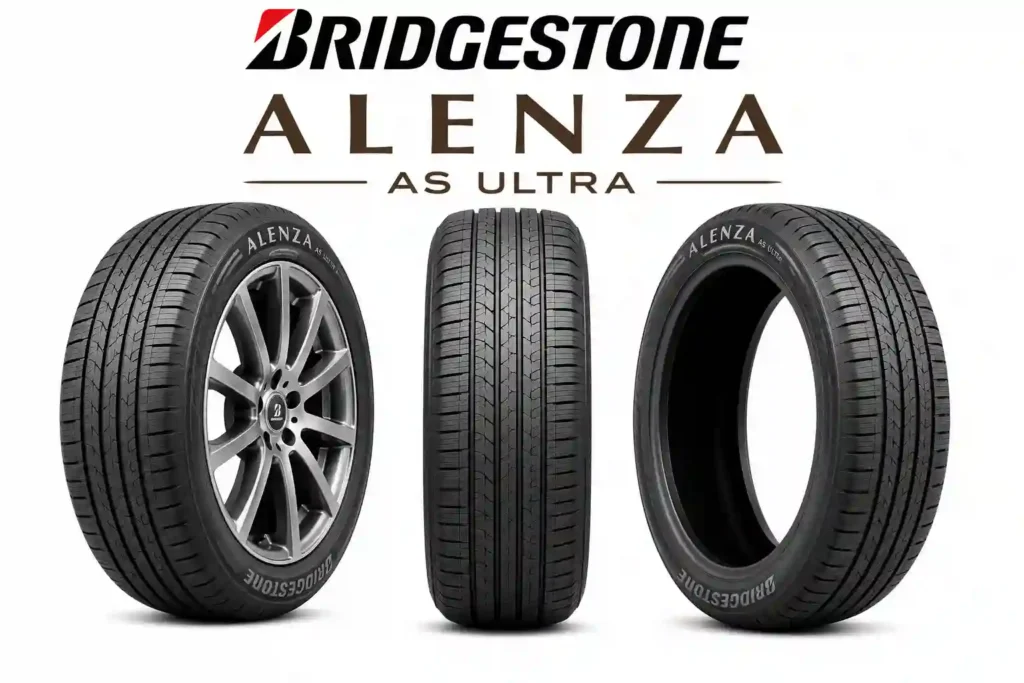
Year-Round Battle: BFG vs Goodyear Assurance
It is tough to pick the perfect all-season tire for your daily commute. Both of these tires are built for standard drivers who need steady grip. They handle dry roads, light rain, and basic highway trips very well.
What Makes These Two Tires Different?
Goodyear focuses heavily on long tread life with a very firm rubber mix. BFGoodrich uses softer rubber with deeper cuts for better wet road grip. Your final choice depends entirely on how and where you drive your car.
Quick Side-by-Side Spec Comparison
Comparing the basic numbers helps you see the true differences instantly. The UTQG (Uniform Tire Quality Grading) shows how long the rubber actually lasts. Higher numbers mean the tire takes much longer to wear completely down.
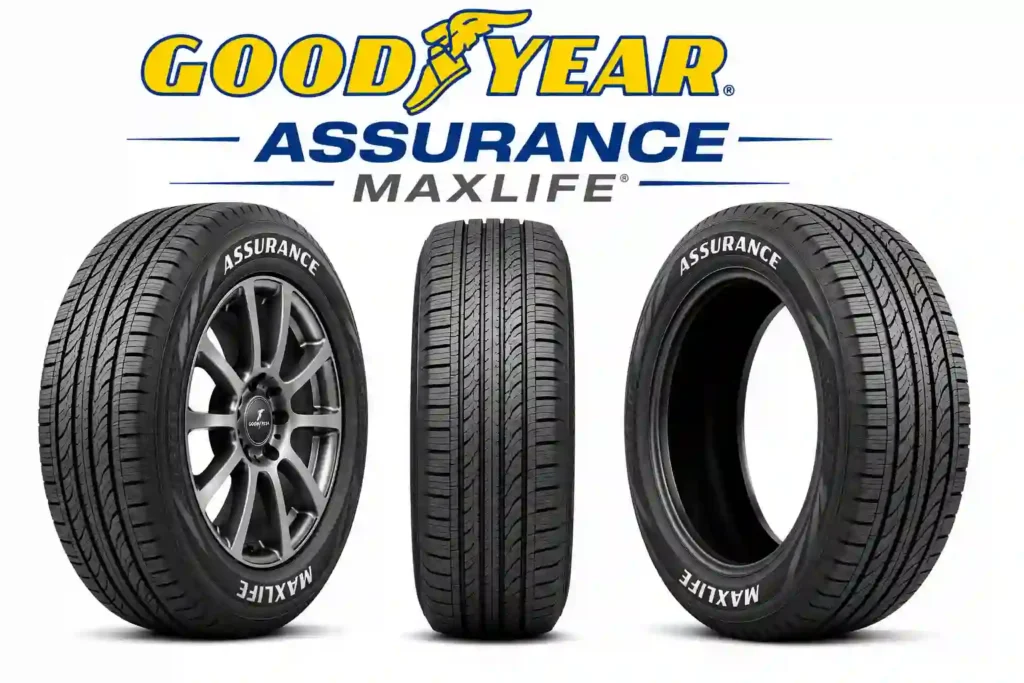
Basic Tread and Design Differences
You must look closely at the warranty and rubber style to find a true winner. The table below breaks down the most critical specs for both daily driver tires.
| Feature | BFGoodrich Advantage Control | Goodyear Assurance (MaxLife) |
| Tire Type | Grand Touring All-Season | Standard Touring All-Season |
| Warranty | 75,000 Miles | 85,000 Miles |
| UTQG Rating | 700 B A | 820 A B |
| Rubber Type | Soft Silica Blend | Firm Long-Lasting Compound |
As the table shows, Goodyear boasts a much higher treadwear rating for long commutes. BFG gives up some of that long lifespan to gain better wet stopping power. You must balance everyday safety against long-term rubber durability.
Complete Overview of Both Tire Models
Both brands have built great tires for sedans, minivans, and small SUVs. The BFGoodrich is a grand touring tire meant for very smooth and soft rides. The Goodyear is a standard touring tire built to outlast almost everything else.
Who Should AVOID Each Tire Option
Skip the Goodyear Assurance if you live in a very rainy coastal area. The stiff rubber slips much more easily on wet roads and crosswalks. Avoid the BFGoodrich if you drive 80 miles on the highway daily, as it wears out faster.
Dry Road Performance and Daily Handling
Dry highway driving is where most tires spend the vast majority of their lives. Both tires roll very smoothly on warm, dry summer pavement. They track straight in the lane and require very little steering correction.
Real-World Scenarios on Dry Pavement
I balanced a set of the Goodyear tires for a customer’s sedan last month. They grip hard off the starting line without squealing or sliding. The BFGoodrich feels slightly softer, making it absorb small street bumps better.
| Dry Performance Metric | BFGoodrich Advantage Control | Goodyear Assurance |
| Highway Stability | 8 / 10 | 9 / 10 |
| Cornering Grip | 8 / 10 | 8 / 10 |
| Dry Braking | 9 / 10 | 8 / 10 |
| Steering Feel | 7 / 10 | 8 / 10 |
The Goodyear takes a slight lead in high-speed highway stability and steering. Its firm tread blocks do not bend easily when you drive at high speeds. The BFG wins in quick dry braking because of its sticky silica rubber compound.
Wet Road Performance and Braking Distances
Rain changes everything when it comes to basic tire safety and road grip. Siping refers to the tiny slits in the tread block that bite into wet roads. More sipes usually mean much better rain traction and safer stops.
The “Why It Won” Justification in Rain
BFGoodrich is the clear winner for safe wet weather driving and braking. It stops up to 15 feet shorter on wet roads because of its soft silica rubber. The Goodyear compound is simply too stiff to suck up the surface water.
| Wet Performance Metric | BFGoodrich Advantage Control | Goodyear Assurance |
| Wet Braking | 9 / 10 | 6 / 10 |
| Cornering in Rain | 8 / 10 | 6 / 10 |
| Slipping Resistance | 8 / 10 | 7 / 10 |
| Driver Confidence | 9 / 10 | 6 / 10 |
“Never buy a high-mileage tire if you live where it rains heavily. The stiff rubber that makes them last 80,000 miles is the exact same rubber that makes them slide through wet intersections.”
That rule of shop thumb holds perfectly true for this specific tire comparison. When I mounted these and took them on a wet highway, the BFG felt totally planted. The Goodyear felt slightly loose during hard lane changes in the pouring rain.
Light Snow Performance and Cold Grip
All-season tires are not true winter tires, but they must handle cold days. When the temperature drops near freezing, standard rubber turns hard like plastic. Both tires try to fight this freezing effect with special rubber blends.
Testing Traction in Slush and Flurries
Goodyear actually performs surprisingly well in light, fluffy white snow. The wide tread blocks pack snow in, creating strong snow-on-snow traction. BFG struggles slightly more in packed snow but handles slush very well.
| Snow Performance Metric | BFGoodrich Advantage Control | Goodyear Assurance |
| Light Snow Grip | 6 / 10 | 7 / 10 |
| Slush Clearing | 7 / 10 | 6 / 10 |
| Cold Dry Roads | 7 / 10 | 6 / 10 |
| Freezing Rain | 5 / 10 | 4 / 10 |
Goodyear takes a small win for actual light snowfall driving and winter commutes. The tread pattern bites into white powder a bit better than the BFG. However, neither tire should ever replace a real snow tire in heavy winter storms.
Severe Cold-Weather and Ice Capabilities
Driving on pure ice is extremely dangerous on any standard all-season tire. They completely lack the soft micro-pores found in dedicated winter tires. You will slide instantly if you hit the brakes too hard on a frozen bridge.
Real-World Ice Handling Limitations
The BFG manages ice slightly better due to its full-depth zig-zag sipes. Those tiny cuts open up slightly and grab the slick ice surface. The Goodyear slides much more easily on black ice because it lacks sharp biting edges.
Hydroplaning Resistance in Heavy Rain
Hydroplaning happens when deep water lifts your tire off the actual road surface. Your steering wheel suddenly feels light, loose, and completely useless. Deep grooves in the tire are required to push this heavy water out fast.
Channeling Water on Highway Drives
The BFGoodrich uses large, sweeping grooves to eject heavy rain water quickly. It cuts through deep street puddles very safely at 60 mph. The Goodyear tends to float on top of deep water much sooner than the BFG.
Ride Comfort and Cabin Noise Levels
Nobody wants a loud tire roaring in their ears on a long family road trip. The empty space between tread blocks creates this annoying highway hum. Tighter tread blocks usually mean a much quieter ride inside the car.
Noise and Ride Comfort (NVH) Details
Goodyear wins the cabin noise test easily thanks to its closed shoulder design. The stiff sidewall does not bounce much, keeping the car body very stable. BFG has wider tread gaps, which creates a slight but noticeable hum at 70 mph.
Tread Life and Mileage Warranty Comparison
Buying tires is a major investment, so total rubber longevity really matters. The manufacturer warranty tells you how much trust they place in the rubber. A longer warranty almost always means a harder, stiffer tire compound.
Tread Life & Value Analysis Breakdown
Goodyear offers a massive 85,000-mile warranty on the Assurance MaxLife model. BFGoodrich maxes out at a very respectable 75,000 miles for most wheel sizes. Both tires will easily last the average driver four to five full years.
| Tread Life Factor | BFGoodrich Advantage Control | Goodyear Assurance |
| Mileage Warranty | Up to 75,000 Miles | Up to 85,000 Miles |
| UTQG Wear Grade | 700 | 820 |
| Rubber Stiffness | Medium Soft | Very Firm |
| Aging Resistance | Good | Excellent |
“Most drivers never actually hit the mileage warranty before replacing tires. Potholes, bad alignment, or simple old age usually kill the tire first, so do not blindly chase the highest number.”
I have seen countless Goodyear tires come into the shop with 60,000 miles looking decent. The BFG wears down a bit faster on very heavy cars and large SUVs. Regular tire rotations are absolutely key for both brands to reach their limits.
Price vs Long-Term Value Breakdown
Upfront cost is just one small part of the complex tire buying math. You must divide the initial price by the expected miles you will drive. This gives you the true cost per mile driven over the life of the tire.
True Cost Per Mile for Both Tires
Goodyear tires usually cost slightly more upfront at the local tire shop. However, their insane tread life makes them cheaper in the long run. BFG is more affordable today, but you will replace them a year sooner.
| Value Metric | BFGoodrich Advantage Control | Goodyear Assurance |
| Average Price (17″) | $145 per tire | $155 per tire |
| Cost for Set of 4 | $580 | $620 |
| Estimated Lifespan | 4-5 Years | 5-6 Years |
| Overall Value | 8 / 10 | 9 / 10 |
The Goodyear Assurance is the better financial investment if you drive constantly. Highway commuters will save money by avoiding an early tire replacement. The BFG is better for local drivers who value safety over total cash savings.
Comprehensive Pros and Cons List
It helps to see the good and the bad laid out clearly before buying. Neither tire is perfect for every single driver on the road today. You must accept some minor flaws to get the major benefits.
Final Pros and Cons Matchup
The BFG delivers excellent wet braking and a very soft, comfortable daily ride. Its main flaw is a slightly louder highway hum and a slightly shorter lifespan. It shines brightly as a safe, grippy, and reliable daily driver.
The Goodyear offers incredible tread life and a very quiet highway cabin. Its fatal flaw is poor wet traction and slipping in the heavy rain. It is built strictly for high-mileage highway cruisers who want tires to last forever.
Which Tire Is Best for Year-Round Driving?
Your local weather should heavily dictate which tire you purchase today. The bfgoodrich advantage control vs goodyear assurance battle comes down to rain versus miles. Be totally honest with yourself about what you actually need most.
Picking the Perfect Fit for Your Car
If you live in a very rainy coastal city, buy the BFGoodrich immediately. The wet traction is crucial for your daily safety and peace of mind. If you live in a dry desert state and commute 100 miles, buy the Goodyear.
Final Verdict: The Best All-Season Choice
Both tires serve a very distinct purpose in the modern automotive world. The BFGoodrich Advantage Control is the overall winner for pure driving safety and wet grip. The Goodyear Assurance remains the king of tread life for budget-minded highway commuters.
Check your vehicle’s driver-side door placard right now to find your exact factory tire size. Measure your current tread depth with a simple penny to see if you need an upgrade. If Abraham Lincoln’s head is fully visible, order the BFGoodrich tires today for a much safer commute.
