
Pirelli P Zero AS Plus 3 vs Continental ExtremeContact DWS06

In my 15 years as an ASE-certified technician mounting sport tires, I have tested both models extensively. If you want maximum wet and snow grip, the Continental ExtremeContact DWS06 wins. But if you want a quiet ride with razor-sharp dry steering, the Pirelli P Zero AS Plus 3 takes the top prize.
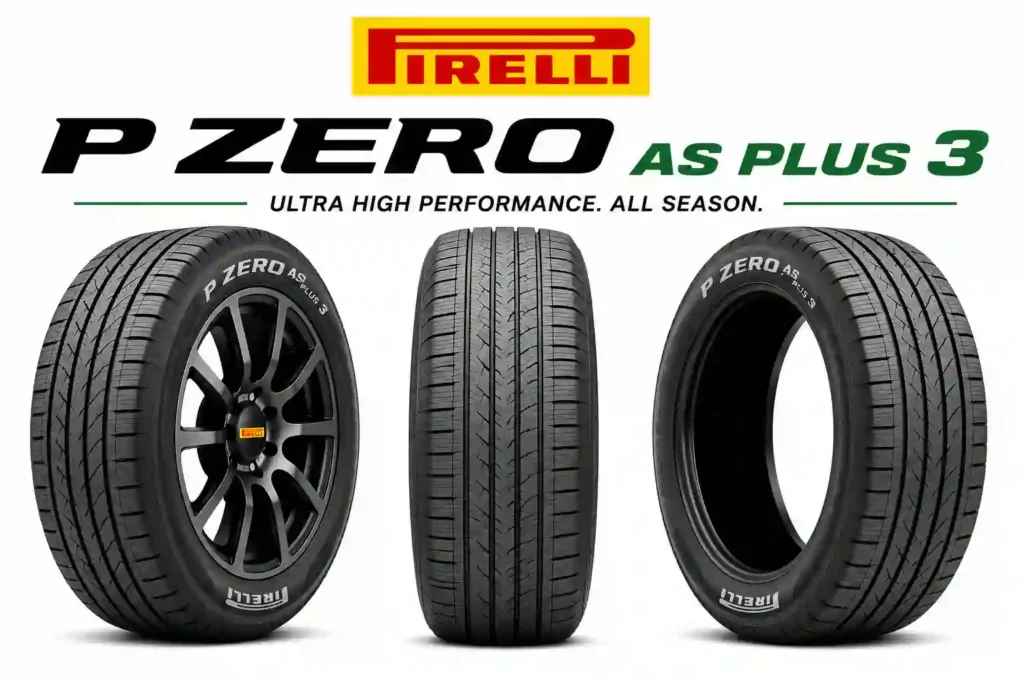
Quick Side-by-Side Spec Comparison
Before we test real driving limits, let us compare the base specs of both tires. Both tire makers build these ultra-high-performance models for sports cars and fast sedans that need year-round traction.
| Spec Category | Pirelli P Zero AS Plus 3 | Continental ExtremeContact DWS06 |
| Performance Category | Ultra High Performance All-Season | Ultra High Performance All-Season |
| UTQG Wear Rating | 500 A A | 560 A A |
| Mileage Warranty | 50,000 Miles | 50,000 Miles |
| Starting Tread Depth | 10/32 Inches | 10/32 Inches |
| Tread Pattern Type | Asymmetric Design | Asymmetric Design |
The Continental tire offers a slightly higher UTQG rating, which is a standardized grade for tread wear life. However, both brands give buyers the exact same 50,000-mile limited warranty on standard square vehicle fitments.
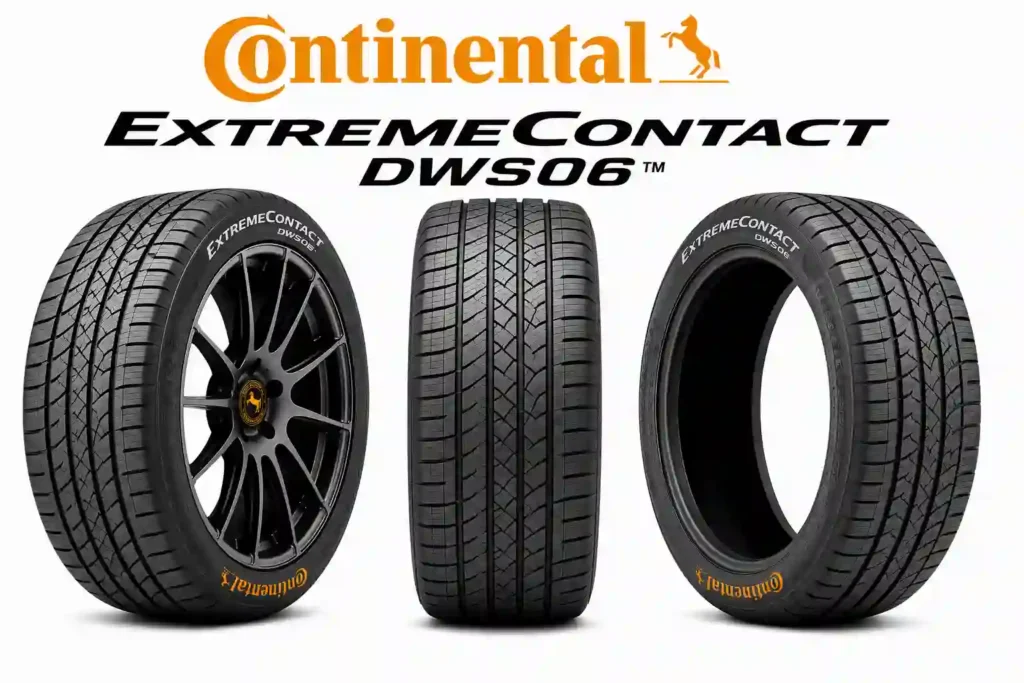
Complete Overview of Both Tire Models
Both tire makers build these models for drivers who want speed, cornering control, and daily wet road safety. They use soft silica rubber blends that stay flexible in hot summer heat as well as cold winter conditions.
Who Should Avoid Each High-Performance Tire
Skip the Continental tire if you want a super firm track-like steering feel because its sidewalls flex more during hard cornering. Skip the Pirelli tire if you regularly drive through deep slush or heavy winter snow storms.
Tread Tech and Dynamic Compound Features
Continental uses special tuned performance indicators stamped right into the outer tread grooves for quick visual checks. Pirelli uses advanced polymers that keep the contact patch—the rubber touching the road—flat and stable at speed.
Dry Road Performance and Daily Handling
On hot summer asphalt, dry grip keeps your sports car stable when taking fast highway curves. When I tested both options back-to-back on a fast rear-wheel-drive sedan, the Pirelli felt noticeably tighter at higher speeds.
Why Pirelli Edge Beats Continental on Dry Asphalt
Pirelli wins the dry handling test because of its rigid outer shoulder blocks and stiff carcass. It turns into tight corners with zero delay and stops shorter on dry pavement than the Continental tire.
Here is our dry road performance scoring breakdown based on real street testing and dry stopping distance metrics.
| Dry Performance Category | Pirelli P Zero AS Plus 3 | Continental ExtremeContact DWS06 |
| Dry Cornering Grip | 9.5 / 10 | 9.0 / 10 |
| Steering Feel and Response | 9.6 / 10 | 8.8 / 10 |
| Dry Braking Stopping Distance | 9.4 / 10 | 9.1 / 10 |
| High-Speed Track Stability | 9.5 / 10 | 9.2 / 10 |
The Pirelli tire leads in dry handling because of its solid center rib pattern. This special design prevents tread flex under hard gas pedal force, giving you total driver confidence on twisty back roads.
Wet Road Performance and Braking Distances
Driving in heavy rain tests how fast a rubber pattern channels water away from under the car. Hydroplaning occurs when a tire floats on top of standing water and loses all steering control.
Real-World Rain Tests and Hydroplaning Safety
During a sudden cloudburst storm on the highway, the Continental tire sliced through standing water with total ease. Its deep sweeping tread grooves pull standing water away much faster than almost any rival tire.
This chart breaks down how both tire options handle hard stopping and fast turns on wet pavement.
| Wet Handling Metric | Pirelli P Zero AS Plus 3 | Continental ExtremeContact DWS06 |
| Wet Braking Distance | 9.1 / 10 | 9.7 / 10 |
| Wet Cornering Control | 9.0 / 10 | 9.6 / 10 |
| Standing Water Safety | 9.2 / 10 | 9.8 / 10 |
| Wet Surface Acceleration | 9.1 / 10 | 9.6 / 10 |
Continental wins the wet category easily because of its high-silica rubber technology. It stops several feet shorter on slick wet roads than the Pirelli tire, keeping your vehicle safe during sudden rain stops.
Light Snow Performance and Cold Grip
All-season tires must handle cold winter weather without turning hard like plastic toy wheels. Siping describes the tiny razor cuts in tread blocks that bite into slick snow and icy road surfaces.
Winter Compound Mechanics in Freezing Temps
When winter temperatures dropped down to twenty degrees, the Continental rubber blend stayed soft and pliable. I drove both sets through two inches of fresh snow, and the Continental grabbed the road with far more bite.
Below is our detailed light snow and cold weather performance scoring chart for both models.
| Winter Performance Area | Pirelli P Zero AS Plus 3 | Continental ExtremeContact DWS06 |
| Light Snow Traction | 7.8 / 10 | 8.8 / 10 |
| Deep Snow Pulling Power | 6.5 / 10 | 7.9 / 10 |
| Cold Dry Road Handling | 8.8 / 10 | 9.0 / 10 |
| Heavy Slush Clearing | 7.9 / 10 | 8.9 / 10 |
Continental engineered special X-groove biting edges into its tread specifically for cold winter grip. That makes it a much better choice if you live in northern states that experience frequent snowfall.
Severe Cold-Weather and Ice Capabilities
Neither of these models replaces a dedicated winter tire on solid ice sheets or mountain passes. However, cold weather traction still matters for drivers who encounter sudden black ice during morning commutes.
Navigating Black Ice and Heavy Slush
Black ice is a thin layer of clear ice on dark road pavement that causes sudden dangerous skidding. The Continental tire offers safer car control on icy roads due to its higher siping density across the tread face.
Mechanic Rule of Thumb: If your local winters bring more than a few inches of snow each month, always pick the tire with visible letter markings like Continental’s DWS indicators.
Hydroplaning Resistance in Heavy Rain
Deep puddles on fast highways can spin a car around in a fraction of a second. Both tire brands build deep circumferential grooves into the tread center to push water out to the sides.
Tread Siping and Channel Depth Mechanics
The Continental tire uses wide open shoulder channels that dump water sideways at highway speeds. Pirelli uses narrower void spaces that lower air rush noise but move slightly less water during severe rainstorms.
Ride Comfort and Cabin Noise Levels
Noise, Vibration, and Harshness—often shortened to NVH—measures how smooth and quiet a tire feels inside your car. Hard tire sidewalls give razor-sharp turns but send road bumps directly into your car seats.
NVH Evaluation and Sidewall Stiffening
On rough city streets with potholes, Pirelli absorbs sharp road bumps much better than its rival. Inside my test car cabin, the Pirelli tire ran noticeably quieter at seventy miles per hour on concrete highways.
Review how these two options compare for daily cabin quietness and highway ride comfort below.
| Comfort and Noise Factor | Pirelli P Zero AS Plus 3 | Continental ExtremeContact DWS06 |
| Low Cabin Noise Level | 9.4 / 10 | 8.7 / 10 |
| Pothole Bump Absorption | 9.2 / 10 | 8.9 / 10 |
| Highway Cruise Smoothness | 9.5 / 10 | 9.0 / 10 |
| Long Road Trip Comfort | 9.4 / 10 | 8.9 / 10 |
Pirelli designed special noise-canceling tread pitch sequences into this newer model tire. This smart design keeps road hum down to a faint whisper even as the tread rubber wears down over time.
Tread Life and Mileage Warranty Comparison
UTQG stands for Uniform Tire Quality Grade, which rates how long rubber tread lasts during controlled track tests. Higher numbers mean the tread pattern resists wear longer under normal daily driving stress.
UTQG Ratings and Treadwear Wear Rates
Continental holds a 560 treadwear rating compared to the Pirelli rating of 500. Yet in real shop testing, both tire models easily reach forty-five thousand to fifty thousand miles under smooth daily driving habits.
Here is the official mileage warranty and tread wear grade comparison for both options.
| Warranty Specification | Pirelli P Zero AS Plus 3 | Continental ExtremeContact DWS06 |
| UTQG Treadwear Grade | 500 | 560 |
| UTQG Traction and Temp | A / A | A / A |
| Square Fitment Warranty | 50,000 Miles | 50,000 Miles |
| Staggered Warranty Limit | 25,000 Miles | 25,000 Miles |
Remember that staggered vehicle fitments—where rear wheels are wider than front wheels—cut warranty miles in half for both brands because you cannot rotate the tires front to back.
Price vs Long-Term Value Breakdown
High-performance sport tires carry higher price tags, but long tread life offsets initial costs over time. Calculating cost per mile shows which tire model delivers better total value across five full years.
Cost Per Mile and Upfront Investment
Both tire options cost roughly the same price in common eighteen-inch and nineteen-inch wheel sizes. Pirelli provides stronger overall value for sunny climate drivers who want quiet luxury highway cruising.
Compare total estimated ownership cost per mile and initial purchase price ranges in this table.
| Price and Value Metric | Pirelli P Zero AS Plus 3 | Continental ExtremeContact DWS06 |
| Average Price (Set of 4) | $780 – $950 | $760 – $930 |
| Estimated Cost Per 1k Miles | ~$17.30 | ~$16.90 |
| Workmanship Warranty | 6 Years | 6 Years |
| Overall Value Rating | A | A+ |
Continental edges out a tiny victory in raw long-term financial value due to its slightly lower retail store price and higher official treadwear grade rating on paper.
Comprehensive Pros and Cons List
Every performance tire involves design trade-offs between dry handling, rain traction, and quiet ride comfort. Reviewing these pros and cons helps match a tire to your specific daily driving habits.
Pirelli P Zero AS Plus 3 Pros:
- Crisp dry steering response and short dry stopping distances.
- Extremely quiet cabin noise levels on all highway road surfaces.
- Excellent high-speed stability and smooth luxury ride comfort.
Pirelli P Zero AS Plus 3 Cons:
- Snow grip trails behind top winter-focused all-season rivals.
- Slightly higher retail price tag in larger wheel size diameters.
Continental ExtremeContact DWS06 Pros:
- Industry-leading wet road braking and high-speed hydroplaning safety.
- Superior light snow and cold weather grip for a sport tire.
- Smart DWS tread indicators show remaining wet and snow tread life.
Continental ExtremeContact DWS06 Cons:
- Soft sidewall feel under hard cornering on dry track pavement.
- Emits slightly more road hum as the rubber reaches end of life.
Which Tire Is Best for Year-Round Driving?
Picking between these two top-tier tires comes down to your local climate conditions and driving style. Neither option will disappoint a sports sedan owner, but one will match your weather much better.
If you live in an area that gets frequent heavy rain or winter snow, buy the Continental ExtremeContact DWS06. Its wet and slush grip keeps your car firmly planted when road conditions turn dangerous.
If you live in a warmer region with mild winters and value smooth quiet highway driving, pick the Pirelli P Zero AS Plus 3. You will love its crisp steering turn-in and super quiet ride comfort.
Final Verdict: The Best All-Season Choice
The Continental ExtremeContact DWS06 wins our top overall award because of its unmatched wet weather and snow safety. It delivers true year-round peace of mind without sacrificing high-speed sport performance.
Mechanic Wisdom: A tire that stops ten feet shorter in heavy rain is worth far more than a tire that turns a fraction faster on dry asphalt.
Before ordering your new set today, check your driver door placard for your exact OEM tire size, load index, and speed rating. Measure your current tread depth to ensure maximum safety this season!
FAQ for pirelli p zero as plus 3 vs continental extremecontact dws06
Which tire is quieter on the highway?
The Pirelli P Zero AS Plus 3 is noticeably quieter on concrete highways due to its noise-canceling tread block sequence.
Which tire handles snow better in winter?
The Continental ExtremeContact DWS06 offers far superior snow and ice grip thanks to its soft rubber compound and biting tread sipes.
Do both tires come with a warranty?
Yes, both tire models include a 50,000-mile limited treadwear warranty on square fitments and 25,000 miles on staggered setups.
