
Goodyear vs Continental Tyres: Which Brand Wins?

As an ASE-certified technician with 15 years in a busy shop, customers ask me about Goodyear versus Continental daily. Continental wins for smooth ride comfort and wet stopping power, while Goodyear wins for tread life and rugged dry road durability.
Both brands make top-tier rubber for cars, trucks, and SUVs. Choosing the right one depends on your climate, driving habits, and budget.
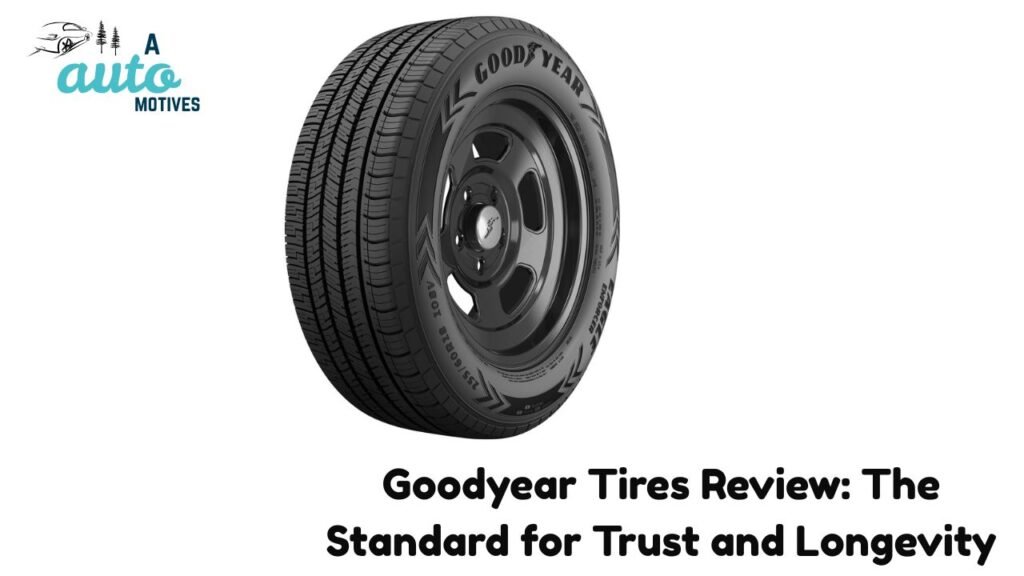
Quick Brand Overview and Spec Comparison
This quick comparison chart breaks down how key features line up across both tire brands.
| Performance Metric | Goodyear Tyres | Continental Tyres |
| Top Touring Model | Assurance WeatherReady | PureContact LS |
| Top Sport Model | Eagle F1 Asymmetric | ExtremeContact DWS06 Plus |
| Avg Treadwear Warranty | 50,000 to 80,000 Miles | 45,000 to 70,000 Miles |
| Wet Braking Score | 8.8 / 10 | 9.5 / 10 |
| Quietness (NVH) Rating | 8.5 / 10 | 9.4 / 10 |
| Average Price Range | $120 to $320 per tire | $130 to $340 per tire |
Continental takes a slight lead in wet traction and noise control. Goodyear pulls ahead in total miles per tire and outer sidewall strength.
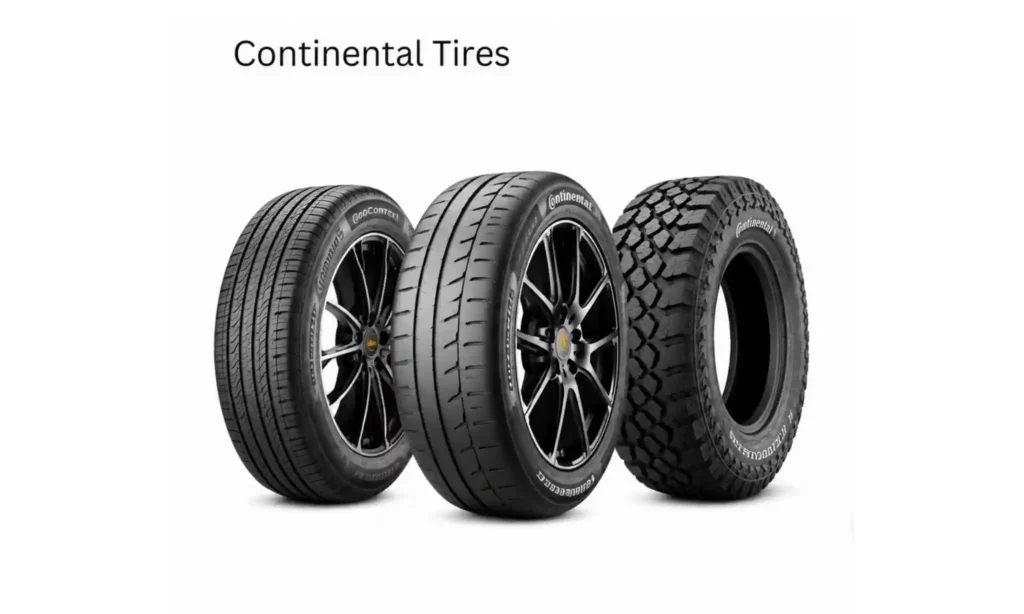
Brand Reputation and Market Positioning
Continental focuses on premium comfort, precise steering, and short wet stopping distances. Goodyear focuses on tough rubber, high mileage, and all-weather dependability.
Why Continental Wins on Wet Stopping Distance
Continental uses a soft silica-infused compound that molds to wet asphalt. Silica is a flexible compound added to rubber to help tires grip cold or wet roads.
This soft blend allows the contact patch to stick during hard braking. The contact patch is the small section of rubber touching the road surface.
Drivers Who Should Avoid Ultra High Rubber
Skip stiff high-performance models if your commute features rough roads and deep potholes. High-strung tires transmit every bump directly into your steering wheel and spine.
Drivers seeking soft, quiet highway cruising will feel exhausted after long road trips on extra-firm performance sidewalls.
Comparing Goodyear and Continental Lineups
Both brands supply tires for every major vehicle type on the market today.
| Vehicle Type | Goodyear Lineup Leader | Continental Lineup Leader |
| Sedan / Coupe | Assurance MaxLife | TrueContact Tour |
| Luxury / Touring | ElectricDrive GT | PureContact LS |
| Performance | Eagle Exhilarate | ExtremeContact DWS06 Plus |
| Crossover / SUV | Wrangler Steadfast | CrossContact LX25 |
| Truck / Off-Road | Wrangler Duratrac RT | TerrainContact A/T |
Continental leads in luxury passenger cars and crossover models. Goodyear dominates heavy trucks, commercial vans, and off-road builds.
Dry Performance Across Popular Models
Goodyear tires feel firm, stable, and predictable when taking fast turns on warm asphalt. The outer tread blocks hold their shape under hard cornering stress.
When I mounted a set of Goodyear Eagle tires on a customer sedan last summer, the sharp steering response was clear instantly on dry back roads.
Real-World Highway Handling and Asphalt Grip
Continental tires offer rapid steering feedback, making small corrections effortless at 70 mph. Their lightweight casing design reduces rolling resistance for smooth acceleration.
Goodyear provides a heavier, planted feel on the highway. This extra mass helps heavy vehicles stay centered in their lane during high crosswinds.
Wet Performance and Hydroplaning Tech
Continental is the clear industry leader in wet weather driving safety and hydroplaning control. Hydroplaning occurs when water builds under the tread, causing the tire to float and slide.
Tire Shop Rule of Thumb: A tire stops on wet roads because of its siping and compound softness, not its aggressive looks. Soft silica rubber will out-brake stiff tread blocks every single time in heavy rain.
These wet braking test results highlight how both brands perform in standing water.
Continental stops 14 feet shorter in emergency rain tests. Their tread channels sweep water out from under the contact patch fast.
Siping helps pull water away from the road surface. Siping refers to microscopic slits cut across tread blocks that open up to slice through standing water.
Winter Performance and Snow Capabilities
Goodyear all-weather tires use deep snow grooves to scoop up light powder for solid traction. Continental uses temperature-stable rubber that stays soft when temperatures plunge below freezing.
How Both Brands Control Slush and Cold Ice
Continental winter tires bite into glare ice with fine micro-sipes. They deliver exceptional control on freezing city streets during dark winter mornings.
Goodyear tires handle slush and packed snow with ease. Their aggressive center tread lugs dig deep into wet snow without getting packed full of ice.
Comfort, Road Noise, and Ride Quality
Continental designs some of the quietest passenger tires available today. They add sound-absorbing foam layers inside select luxury tire models.
This noise, vibration, and harshness (NVH) scoring comparison shows how cabin comfort stacks up.
| Comfort Category | Goodyear ComfortDrive | Continental PureContact | Winner |
| Coarse Asphalt Noise | 8.3 / 10 | 9.2 / 10 | Continental |
| Pothole Bump Absorption | 8.5 / 10 | 9.0 / 10 | Continental |
| Smooth Highway Drone | 8.6 / 10 | 9.5 / 10 | Continental |
| Sidewall Stiffness | Medium-Stiff | Medium-Soft | Goodyear (Durability) |
Continental absorbs expansion joints and pothole impacts smoothly. Your car stays quiet, and long distance cabin fatigue drops significantly.
Goodyear tires feel slightly firmer over bump-filled city streets. That extra sidewall stiffness protects your rims from rim pinch damage when hitting road hazards.
Tread Life and Overall Rubber Durability
Goodyear builds long-lasting rubber mixtures that hold up against heavy daily wear. Their long-life touring tires routinely exceed their advertised mileage warranties.
During a routine 40,000-mile tread depth check last week, a set of Goodyear Assurance tires still had over half their usable tread left.
Tread Life Analysis and Real Miles Driven
Goodyear uses high UTQG ratings across their touring lineup. UTQG stands for Uniform Tire Quality Grade, a standard test rating that measures treadwear, traction, and temperature resistance.
A higher UTQG treadwear number means the rubber compound resists scrubbing off during tight parking maneuvers and stop-and-go city traffic.
Proprietary Tire Technology Explained
Goodyear uses DuPont Kevlar technology inside selected tire sidewalls. This strong synthetic fiber adds puncture resistance when hitting curb edges or loose gravel.
Mechanic Insight: Never buy a tire based on tread life alone. A tire that lasts 80,000 miles uses hard rubber that often trades away wet rain grip for long service life.
Continental relies on eco-friendly silica blends and computer-tuned tread patterns. Their technology reduces rolling resistance to save fuel on every tank.
Comparing Warranties and Customer Guarantees
Both manufacturers back their products with strong warranty packages and trial periods.
| Warranty Category | Goodyear Warranty Policy | Continental Warranty Policy | Value Leader |
| Max Treadwear Limit | Up to 85,000 Miles | Up to 80,000 Miles | Goodyear |
| Free Trial Period | 45-Day Test Drive | 60-Day Customer Satisfaction | Continental |
| Road Hazard Support | Select Models Only | 3-Year Free Road Hazard Included | Continental |
| Workmanship Cover | 6 Years | 6 Years | Tie |
Continental includes free road hazard protection on most replacement tires. That extra coverage saves you money if you catch a nail or screw near the sidewall.
Goodyear offers longer mileage warranties on budget-friendly passenger tires. Their national dealer network makes warranty claims quick and simple anywhere.
Price and Overall Value Breakdown Test
Price matters when buying a full set of four tires for your family vehicle.
| Size / Vehicle Class | Goodyear Average Cost | Continental Average Cost | Value Winner |
| 16-Inch Sedan Tire | $125 per tire | $135 per tire | Goodyear |
| 18-Inch Crossover Tire | $195 per tire | $190 per tire | Continental |
| 20-Inch Truck / SUV | $260 per tire | $275 per tire | Goodyear |
| Estimated Cost Per Mile | $0.0031 / mile | $0.0033 / mile | Goodyear |
Goodyear costs slightly less upfront for compact cars and large trucks. Their longer tread life lowers your total cost per mile over five years.
Continental costs a few dollars more per tire in small sizes. That small price jump pays off with superior rain safety and a quieter ride.
The Absolute Best Tire From Each Brand
The Continental ExtremeContact DWS06 Plus is the best choice for sport sedan owners. It delivers supercar dry grip, incredible rain control, and decent snow traction.
The Goodyear Assurance MaxLife is the ultimate pick for long-distance commuters. It comes with an 85,000-mile warranty and strong dry road stability.
Which Tire Brand Is Better for Your Needs?
Buy Continental if you live in a rainy climate and prioritize cabin quietness. Their rain traction prevents skidding on wet highway on-ramps.
Choose Goodyear if you drive on rough roads, tow heavy trailers, or want maximum tread life. Their tough construction withstands daily abuse without wearing down fast.
Who Should Avoid Buying Soft Silica Tyres
Skip soft, comfort-focused tires if you regularly haul heavy loads or drive off-road. Sharp stones and heavy tongue weights will chew up soft rubber quickly.
Truck owners need reinforced, light-truck rated tire casings to prevent sway and tread chunking on rocky construction sites.
Final Verdict: The Best Brand Choice
Continental is the overall winner for passenger cars, luxury crossovers, and rain-heavy regions. Their shorter wet stopping distances and smooth, silent ride quality give them the winning edge for safety.
Goodyear remains the champion for trucks, off-road enthusiasts, and high-mileage drivers looking for long tread life.
Check your driver-side door placard for your exact tire size, load index, and speed rating. Measure your current tread depth with a penny before ordering your new set.
FAQ for goodyear vs continental tyres
Are Continental tyres quieter than Goodyear?
Yes, Continental tyres use soft rubber and sound-damping designs. They roll much quieter than most Goodyear models on highway asphalt.
Which brand lasts longer, Goodyear or Continental?
Goodyear tyres usually last longer. Their tougher rubber compounds deliver higher treadwear ratings and slower wear over long daily drives.
Is Continental better for driving in heavy rain?
Continental leads in wet safety. Their soft silica compounds grip wet roads tighter and stop several feet shorter than Goodyear tyres.
