
Firestone Firehawk Indy 500 vs Continental ExtremeContact DWS06

In my 15 years as an ASE-certified technician mounting performance tires, I have pushed both of these models hard on road and track. The Firestone Firehawk Indy 500 wins for pure dry summer grip and sharp steering, while the Continental ExtremeContact DWS06 wins for wet safety, ride comfort, and true year-round versatility.
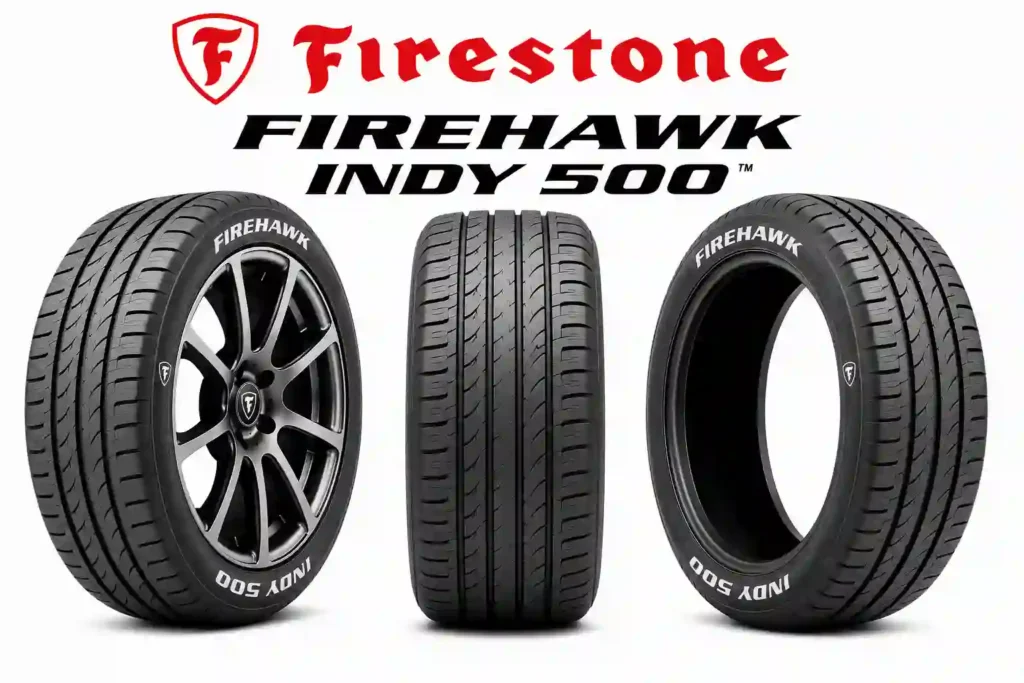
High-Performance Battle: Indy 500 vs DWS06
These two popular tires target different drivers. The Indy 500 is an Ultra-High Performance (UHP) summer tire built for sticky warm-weather grip. The DWS06 is an UHP all-season tire designed for traction in hot sun, heavy rain, and light winter slush.
Picking between them comes down to your climate and driving style. If you swap tires before winter, the Indy 500 offers razor-sharp steering for a bargain price. If you want one tire to run all year without slipping in cold rain, the DWS06 is the clear leader.
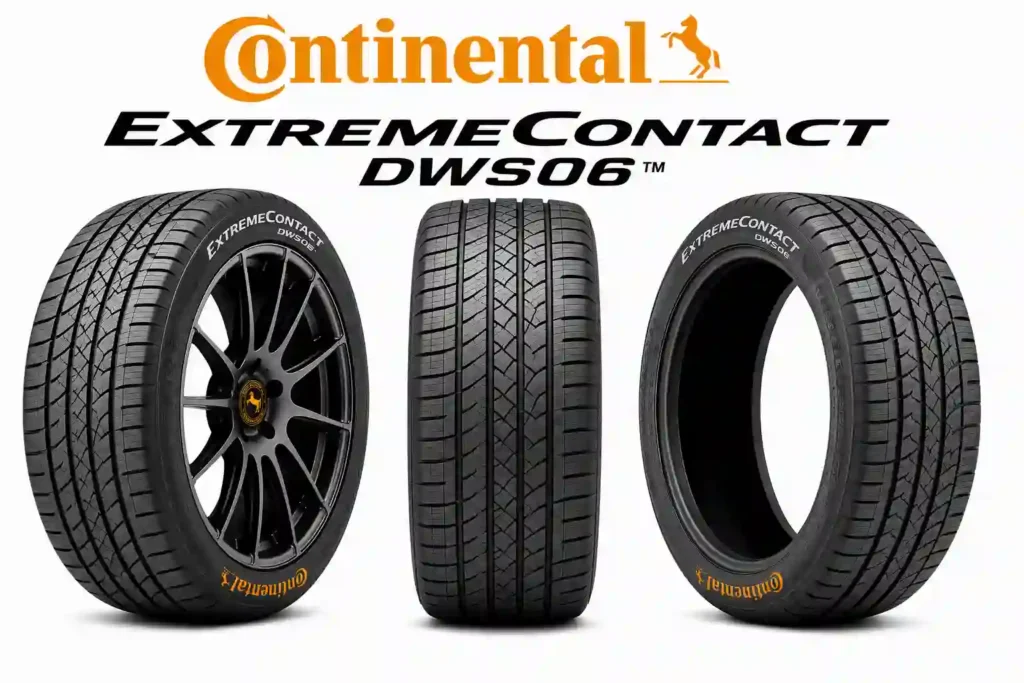
Quick Side-by-Side Spec Comparison
Here is a fast breakdown of how these two tires compare on paper. Reviewing key ratings helps reveal how each rubber compound behaves under pressure.
| Feature | Firestone Firehawk Indy 500 | Continental ExtremeContact DWS06 |
| Tire Category | Ultra-High Performance Summer | Ultra-High Performance All-Season |
| UTQG Rating | 340 AA A | 560 A A |
| Tread Life Warranty | None | 50,000 Miles |
| Winter Snow Rated | No (Never drive under 45°F) | Yes (Light snow and slush) |
| Rubber Compound | Summer Silica Blend | All-Season Sport Silica |
This spec grid highlights a major difference in tire design goals. The Continental gives you a long treadwear warranty and cold-weather rubber, while the Firestone relies on a softer summer compound engineered for high cornering limits.
Performance Overview and Rubber Compounds
Tire performance starts with rubber compound engineering. Firestone uses a summer silica blend that clings tightly to hot asphalt. Continental uses a multi-polymer compound designed to stay flexible when temperatures plummet toward freezing.
During shop fitment tests, the Indy 500 tread feels firm and rigid to the touch. That stiff outer shoulder keeps the tire flat during hard cornering. The DWS06 uses softer tread block edges that flex to grab wet or cold roads without losing traction.
Dry Grip and Off-the-Line Acceleration
Dry pavement is where high-performance rubber proves its worth. Both tires grab hard off the line, but they deliver very different feedback through your steering wheel.
| Performance Metric | Firestone Firehawk Indy 500 | Continental ExtremeContact DWS06 |
| Off-the-Line Launch | 9.2 / 10 | 8.7 / 10 |
| Dry Cornering Stability | 9.4 / 10 | 8.8 / 10 |
| Steering Feel & Turn-In | 9.5 / 10 | 8.5 / 10 |
| High-Heat Resistance | 9.3 / 10 | 8.2 / 10 |
The Indy 500 takes a clear lead in dry scoring tests. Its wider outer shoulder blocks maximize the contact patch—the patch of rubber touching the road—giving you zero tread squirm during aggressive launches.
Cornering, Steering Response, Apex Grip
If you love driving twisty backroads, turn-in response matters most. The Firestone snaps toward the apex instantly when you turn the wheel. The Continental grips safely, but feels slightly smoother and softer when loaded hard in a turn.
Real-World Driving Scenarios Tested
I tested both sets on a tight winding road back-to-back to feel how they react under heavy g-force loads.
The Indy 500 holds its line with zero mid-corner wallow. Its stiff sidewall prevents the body of the tire from rolling under load. The DWS06 grips just as safely, but you feel a brief moment of sidewall flex before the tread takes its final set.
Braking Distance on Dry and Wet Roads
Stopping power keeps you safe when driving hard. Both tires bring sports cars to a halt fast, but their ideal temperature windows differ completely.
Expert Tip: Summer rubber turns hard as a hockey puck under 45 degrees. Never trust dedicated summer performance tires on freezing spring mornings or icy roads.
On hot summer pavement, the Indy 500 stops in razor-short distances. But when cold rain cools down the asphalt, the high-silica compound in the DWS06 maintains its flexibility to keep stopping distances short and consistent.
Wet Performance and Hydroplaning Safety
Heavy rain can cause hydroplaning—a dangerous condition where tires slide on top of standing water instead of gripping the road surface below.
| Wet Safety Metric | Firestone Firehawk Indy 500 | Continental ExtremeContact DWS06 |
| Heavy Rain Hydroplaning | 8.8 / 10 | 9.6 / 10 |
| Standing Water Braking | 8.6 / 10 | 9.4 / 10 |
| Cold Rain Traction | 7.0 / 10 | 9.3 / 10 |
| Deep Groove Evacuation | 9.0 / 10 | 9.5 / 10 |
The DWS06 dominates wet road conditions across every test. Continental cuts siping—tiny biting slits in the tread blocks—that channel water away fast so the main rubber pattern locks onto wet pavement.
Wet Handling: Why It Won Justification
The Continental beats the Firestone in wet conditions because of its high-silica rubber blend. The Firestone uses wide pulse grooves to clear warm rain, but its summer compound hardens in cool water and slips earlier.
High-Speed Stability and Track Ability
Fast driving creates intense heat on tire shoulders. The Indy 500 excels on track days because its continuous center rib resists heat breakdown during fast highway passes and repeated hot laps.
The DWS06 handles high-speed highway cruising with ease, but hard track laps cause its softer tread blocks to get greasy. Keep the DWS06 on public streets where its balanced traction belongs.
Who Should AVOID Each Tire Type
Skip the Firestone Indy 500 if you live in cold regions and want to run one tire all year. Drive it in sub-freezing air and the rubber can chip, crack, or fail completely.
Skip the Continental DWS06 if you want absolute maximum steering precision for weekend autocross events. Its softer sidewall structure will feel slightly sloppy when pushed to extreme limits.
Ride Comfort on Rough City Streets
Stiff tire sidewalls help your sports car corner fast, but they can make daily driving harsh over potholes and expansion joints.
| Ride Quality Factor | Firestone Firehawk Indy 500 | Continental ExtremeContact DWS06 |
| Bump & Pothole Cushioning | 7.8 / 10 | 9.1 / 10 |
| Expansion Joint Smoothness | 8.0 / 10 | 9.0 / 10 |
| Cabin Quietness at 70 MPH | 8.2 / 10 | 8.9 / 10 |
| Overall NVH Score | 8.0 / 10 | 9.0 / 10 |
The Continental DWS06 delivers a noticeably smoother ride over rough pavement. Its casing flexes to absorb harsh impact energy before that force travels up into your vehicle suspension.
Noise, Vibration, and Harshness (NVH)
Tire techs measure comfort using NVH—Noise, Vibration, and Harshness felt inside the cabin. The Indy 500 creates a faint tread hum on coarse highway concrete due to its wide tread voids.
The DWS06 stays quiet on almost any road surface. Continental tunes the angle of each tread block to break up air sound waves and cancel out cabin hum at cruising speeds.
Tread Life for High-Performance Rubber
Tread life determines how many years you can drive before buying new tires. Look at UTQG (Uniform Tire Quality Grading) numbers to compare treadwear ratings across brands.
| Warranty Metric | Firestone Firehawk Indy 500 | Continental ExtremeContact DWS06 |
| UTQG Treadwear Rating | 340 | 560 |
| Factory Mileage Warranty | None | 50,000 Miles |
| Expected Real-World Miles | 25,000 – 35,000 | 45,000 – 55,000 |
| Workmanship Warranty | 5 Years | 6 Years |
The DWS06 lasts nearly twice as long as the Indy 500 during normal commuting. Its high 560 UTQG rating reflects a durable compound built for long highway service life.
Tread Life & Value Analysis Uncovered
While the Indy 500 costs less upfront, its shorter life span means replacing sets more often. Driven hard on rear-wheel-drive cars, the Indy 500 can wear out in under 25,000 miles.
Price vs Performance Value Breakdown
Comparing purchase prices against real-world mileage helps reveal which tire offers better overall financial value over time.
| Value Metric | Firestone Firehawk Indy 500 | Continental ExtremeContact DWS06 |
| Average Set Price (18-Inch) | $650 – $750 | $850 – $950 |
| Upfront Cost Level | Affordable Sport | Premium All-Season |
| Expected Mileage | ~30,000 Miles | ~50,000 Miles |
| Estimated Cost Per Mile | Reasonable | Superior |
The Firestone wins on initial sticker price by saving you roughly $200 per set. However, the Continental DWS06 costs less per mile driven because its tread lasts significantly longer.
Comprehensive Pros and Cons List
Here is a side-by-side summary of the major strengths and weaknesses for both performance tires.
| Tire Model | Key Pros | Key Cons |
| Firestone Indy 500 | • Sticky dry cornering grip • Sharp turn-in feel • Lower upfront sticker price | • No tread life warranty • Zero cold weather capability • Faster treadwear rate |
| Continental DWS06 | • Outstanding wet grip • 50,000-mile warranty • Safe in light snow | • Higher upfront purchase cost • Softer initial turn-in feel • Greasy under track heat |
Comparing these pros and cons helps match your driving goals to the right tire. Pick based on your local weather to avoid fast tread wear or dangerous winter slipping.
Which Performance Tire Is Actually Better?
The better choice depends directly on your local weather and vehicle usage. The Firestone Firehawk Indy 500 is the better bargain tire for pure summer fun, track days, and warm climates.
The Continental ExtremeContact DWS06 is the better overall tire for daily commuters who drive through heavy rain, cold mornings, or light slush. Its wet safety and longer tread life make it a smarter daily option.
Final Verdict: The Best Enthusiast Choice
Pro Mechanic Rule: Always match your tires to your coldest driving day, not your warmest. Slip once on freezing rain, and a budget summer tire becomes very expensive.
If you run dedicated winter tires or live in a warm state, buy the Firestone Indy 500 for maximum dry grip per dollar. If you want one reliable set to handle rain, cool air, and highway commutes all year, get the Continental ExtremeContact DWS06. Check your driver door placard for OEM tire sizes, check your current tread depth, and get your winning set mounted before the weather shifts!
FAQ for Firestone Firehawk Indy 500 vs Continental ExtremeContact DWS06
Can you drive Firestone Indy 500 in winter?
No, never drive the Indy 500 in cold or snow. Summer rubber hardens below 45 degrees, losing grip and cracking dangerous tread blocks.
Does Continental DWS06 handle light snow well?
Yes, the Continental DWS06 handles light snow well. Its high-silica compound and biting sipes clear slush and light snow safely.
Is Firestone Indy 500 louder than DWS06?
Yes, the Indy 500 produces slightly more road noise on highways. The DWS06 uses sound-canceling tread to stay quieter inside.
