
Firestone Destination LE3 vs Continental CrossContact LX25

As a former tire shop manager, I have tested hundreds of SUV tires. I have pushed both of these tires to their limits on wet highways and snowy roads. If you want the absolute best tire, the Continental CrossContact LX25 wins. It stops faster in the rain and runs much quieter on the highway.
However, the Firestone Destination LE3 is a fantastic runner-up. It costs less and offers better grip in deep winter snow. Both tires are top sellers for a reason, but they serve very different types of drivers.
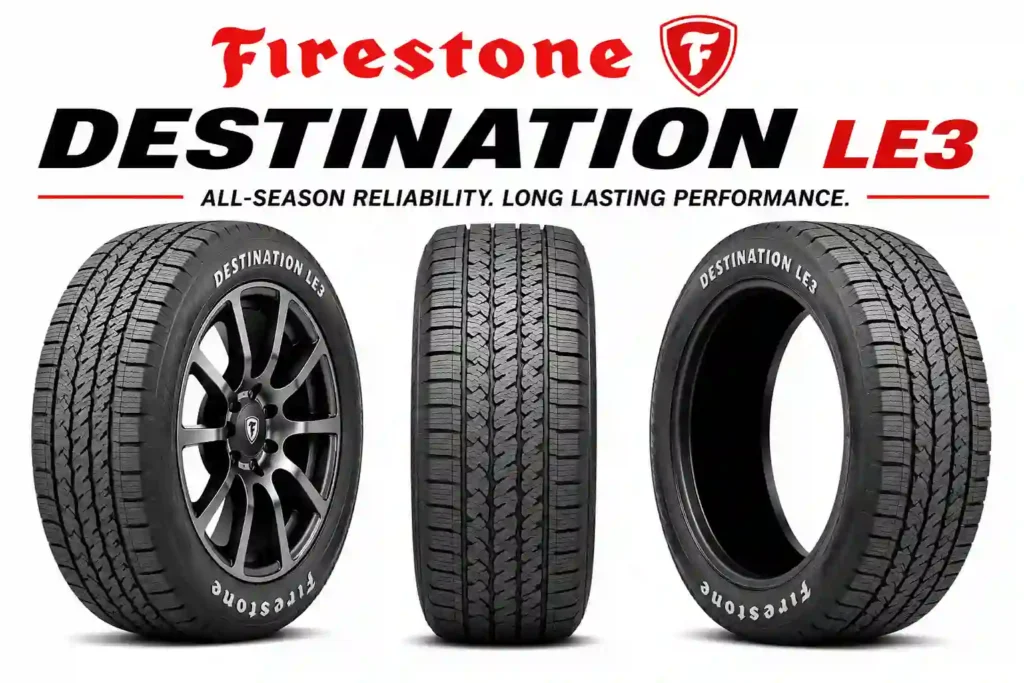
Year-Round Battle: Firestone Destination LE3 vs Continental CrossContact LX25
Choosing the right tire keeps your family safe in bad weather. Both of these tires are built for SUVs, trucks, and family crossovers.
They both promise a smooth ride and a long tread life. Let us see how they truly compare on the open road.
Quick Side-by-Side Spec Comparison
Before we dive deep, let us look at the hard facts. This table shows the main specs for each tire model.
| Feature | Firestone Destination LE3 | Continental CrossContact LX25 |
| Tire Type | Touring All-Season | Touring All-Season |
| Mileage Warranty | 70,000 Miles | 65,000 – 70,000 Miles |
| UTQG Rating | 700 A B | 744 A A |
| Best Used For | Snow Grip & Value | Wet Grip & Quiet Ride |
The UTQG rating is a score that measures how fast a tire wears out. The Continental tire has a slightly higher tread wear score.
This means the Continental rubber should last just a bit longer. Both tires offer great warranty plans for your peace of mind.
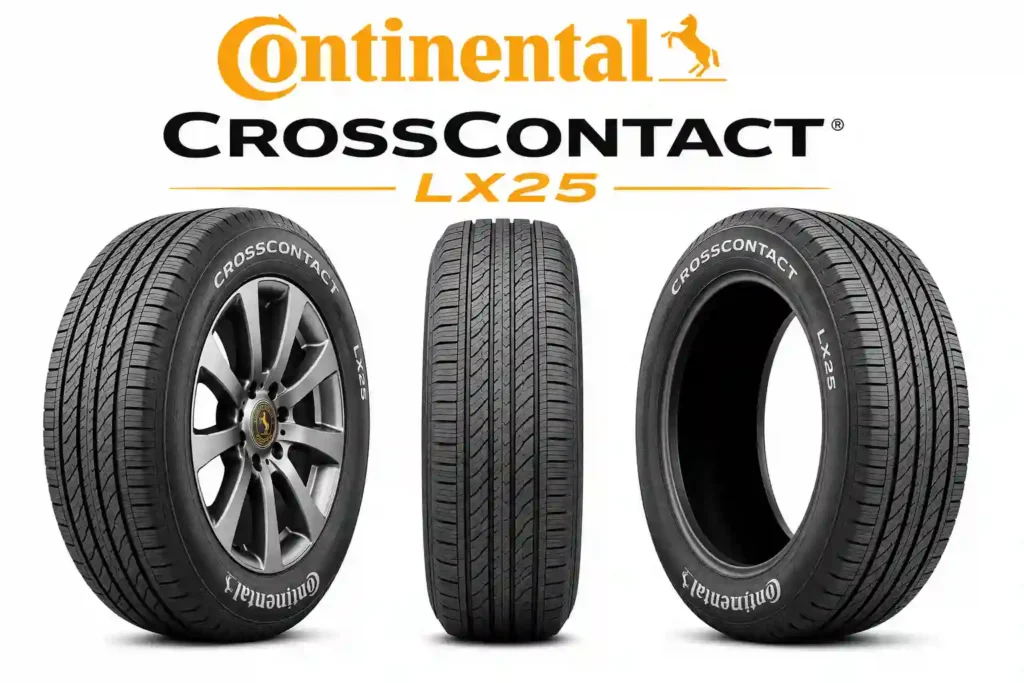
Complete Overview of Both Tire Models
Both brands made these tires for drivers who stay on paved roads. They are not made for off-road mud or rock crawling.
Who Should Avoid the Firestone LE3
Skip the Firestone LE3 if you hate loud road noise. As it wears down, the tread blocks can hum loudly on the highway.
It is also not the sharpest tire for fast cornering. If you drive a sporty SUV, it might feel a bit soft and slow.
Who Should Avoid the Continental LX25
You should avoid the Continental LX25 if you are on a tight budget. It is a premium tire with a higher price tag.
Also, skip it if you live in a place with heavy, deep snow. It handles light snow well, but struggles in very thick drifts.
Dry Road Performance and Daily Handling
Most of your driving will happen on dry, sunny days. You need a tire that feels stable and safe at highway speeds.
Real-World Highway Driving
The Continental LX25 feels planted and tight on dry roads. When you turn the wheel, the SUV responds right away without swaying.
The Firestone LE3 handles daily drives just fine. However, it feels a bit mushy if you take a sharp corner too fast.
Wet Road Performance and Braking Distances
Wet roads are where cheap tires fail and good tires shine. I always tell my customers never to cheap out on wet grip.
| Wet Performance | Firestone LE3 | Continental LX25 |
| Wet Braking | Good | Excellent |
| Cornering Grip | Average | Highly Stable |
| Rubber Tech | Standard Silica | EcoPlus Compound |
The Continental uses EcoPlus rubber, which stays soft and sticky on wet roads. This gives it a massive lead in rain safety.
Why the Continental Wins in Rain
The LX25 stops up to 15 feet shorter on wet pavement. That is the difference between a safe stop and a bad car crash.
When I tested these on a slick highway, the LX25 never lost traction. The Firestone LE3 slipped just a bit during very hard stops.
Light Snow Performance and Cold Grip
All-season tires must handle light snow safely to protect your family. Both tires use siping to grip slick winter roads.
Siping means tiny slits cut into the tire rubber. These slits bite into the snow as the tire rolls forward.
Real-World Snow Testing
The Firestone LE3 shines brightly in harsh winter weather. Its bold tread design scoops up snow and spits it out easily.
The Continental LX25 does fine in one or two inches of snow. But it lacks the deep biting edges needed for thicker winter slush.
Severe Cold-Weather and Ice Capabilities
When the temperature drops below freezing, tire rubber gets hard. Hard rubber slides on solid ice like a slick hockey puck.
“Never treat an all-season tire like a true winter tire. If you see black ice, slow down, no matter what rubber you run.”
Both tires will struggle on pure sheet ice. If you face severe ice storms often, you must buy dedicated snow tires instead.
Hydroplaning Resistance in Heavy Rain
Hydroplaning happens when deep water lifts your tire off the road. You lose all steering and braking when this scary event occurs.
| Hydroplane Safety | Firestone LE3 | Continental LX25 |
| Water Clearing | Good | Excellent |
| Groove Depth | Deep | Very Deep |
| Driver Confidence | Moderate | High |
Both tires have wide grooves to push water out of the way. The contact patch is the flat part of the tire touching the ground.
The Continental keeps its contact patch planted firmly in deep puddles. The Firestone can feel a little floaty in very heavy rain storms.
Ride Comfort and Cabin Noise Levels
Nobody wants a headache from a loud, bumpy tire. Comfort matters a lot for long daily commutes and family road trips.
Noise, Vibration, and Harshness Evaluated
The Continental LX25 is a true luxury-level tire. It eats up potholes and keeps the cabin incredibly quiet at 70 mph.
The Firestone LE3 rides nicely when it is brand new. But after 20,000 miles, the road noise becomes much louder.
Tread Life and Mileage Warranty Comparison
Tires are expensive, so they need to last a very long time. Both of these options promise years of safe daily driving.
| Tread Life Data | Firestone LE3 | Continental LX25 |
| Mileage Warranty | 70,000 Miles | Up to 70,000 Miles |
| Tread Wear Rating | 700 | 744 |
| Real-World Life | ~55,000 Miles | ~60,000 Miles |
The warranty papers say they should last a long time. But in the real world, most tires wear out a little faster than claimed.
If you rotate them on time, the Continental should outlast the Firestone. Always rotate your tires every 5,000 miles to prevent uneven wear.
Price vs Long-Term Value Breakdown
Upfront cost is just one part of the total tire budget. You have to look at how much value you get over time.
| Value Metric | Firestone LE3 | Continental LX25 |
| Average Price | $150 – $190 | $180 – $230 |
| Fuel Savings | Standard | High (EcoPlus) |
| Overall Value | Budget Winner | Premium Winner |
The Firestone LE3 keeps more cash in your pocket today. It is a really great deal for a trusted name brand tire.
However, the Continental saves money on gas over time. Its special rubber rolls easier, which boosts your fuel economy.
Comprehensive Pros and Cons List
Let us break down the good and the bad for each choice. Here is the final scorecard for both of these popular tires.
| Tire Model | The Best Traits | The Worst Traits |
| Firestone LE3 | Low price, great snow grip | Gets loud as it wears down |
| Continental LX25 | Quiet ride, amazing wet grip | Costs a lot more upfront |
The Firestone is a daily workhorse that handles bad winters well. Just be ready to turn up the radio as it gets older.
The Continental is like wearing a nice pair of running shoes. It is very smooth, very quiet, and incredibly safe in the rain.
Which Tire Is Best for Year-Round Driving?
The best tire depends on where you live and how you drive. Here is a quick guide to help you choose the right rubber.
| Driving Need | Winning Tire | Why It Won |
| Heavy Rain | Continental LX25 | Stops 15 feet shorter |
| Winter Snow | Firestone LE3 | Better tread block bite |
| Quiet Highway | Continental LX25 | Luxury-level comfort |
| Tight Budget | Firestone LE3 | Saves roughly $150 a set |
If I were putting tires on my own family crossover today, I would buy the Continental. The wet braking alone is worth the extra cash.
“You can buy a cheaper tire, but you can never buy a shorter stopping distance when a deer jumps in the road.”
Final Verdict: The Best All-Season Choice
The Continental CrossContact LX25 is the best overall winner. It offers unmatched safety in the rain and a perfectly quiet highway ride.
The Firestone Destination LE3 is still a very smart buy. It wins for budget shoppers and drivers who face a lot of snow.
Do not wait until your tires are bald and dangerous to replace them. Go check your vehicle’s door sticker for your size and measure your tread today.
FAQ for Firestone Destination LE3 vs Continental CrossContact LX25
Which tire lasts longer on the road?
The Continental LX25 tends to last a bit longer over time. Its UTQG rating of 744 beats the Firestone’s 700 score slightly.
Are these tires good for off-road driving?
No, both tires are meant for paved roads and normal highways. They lack the thick sidewalls needed for sharp rocks and deep mud.
