
Continental CrossContact LX Sport vs Pirelli Scorpion Verde

As a former tire shop technician, I have mounted hundreds of tires. I know exactly how these two SUV tires perform in the real world. Between the Continental CrossContact LX Sport and Pirelli Scorpion Verde, the Continental wins. It offers a much quieter ride and vastly better wet grip. The Pirelli is a good choice, but it rides much stiffer on bumpy roads.
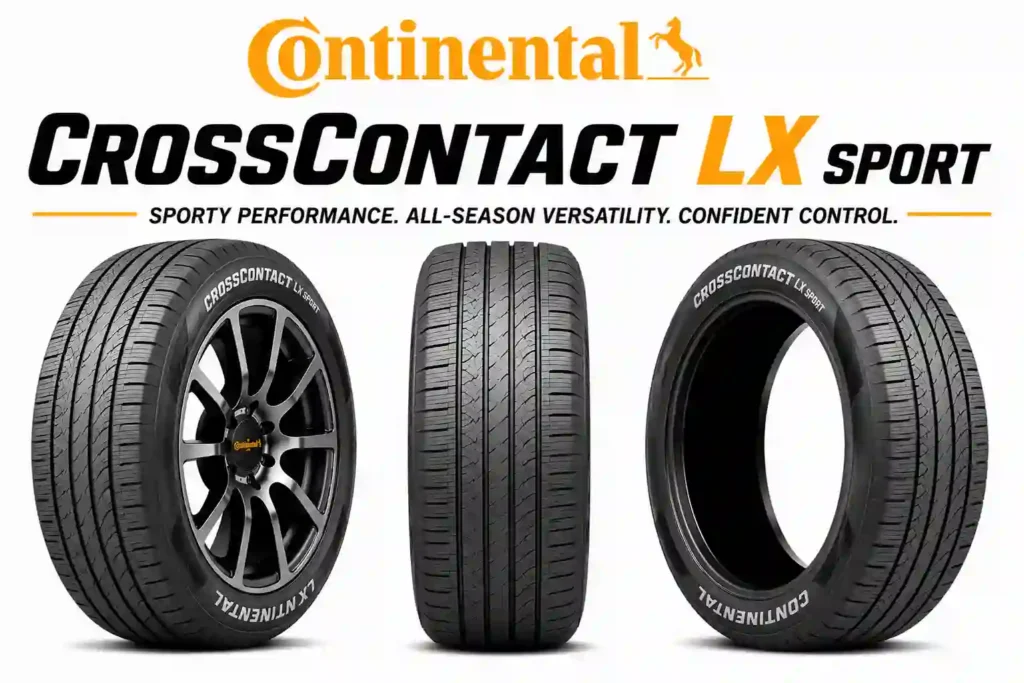
Year-Round Battle: Continental CrossContact LX Sport vs Pirelli Scorpion Verde
Both tires are built for crossover and SUV drivers. They are meant to stay on your car all year long. These tires handle spring rain and fall chills well.
Built for the City
These tires are not meant for dirt trails. They shine on paved city streets and long highways. They make your daily drive much better.
Why These Two Tires Matter
Most luxury SUVs come with one of these tires straight from the factory. They are premium choices that cost good money. But they feel very different once you hit the road.
Finding the Right Fit
Picking the wrong tire will ruin your daily drive. You must know what each tire does best. I will guide you through every detail below.
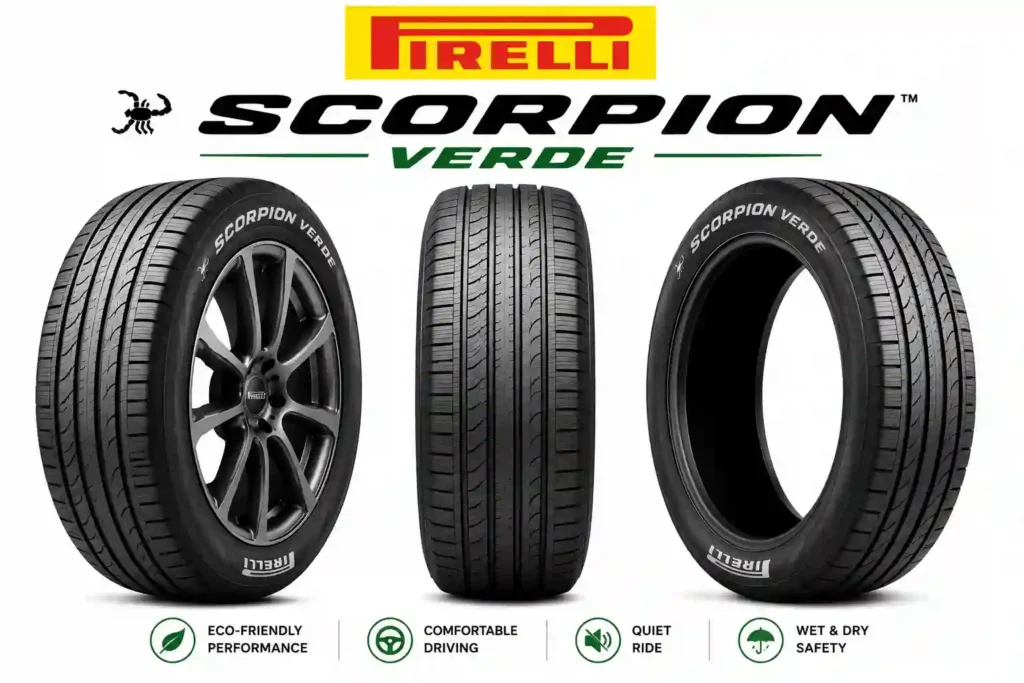
Quick Side-by-Side Spec Comparison
Let us look at the raw numbers first. This quick chart shows the main traits of each tire. I always check these specs before giving advice.
| Feature | Continental LX Sport | Pirelli Scorpion Verde |
| Tire Type | All-Season SUV Touring | All-Season SUV Touring |
| UTQG Rating | 480 A A | 600 A A |
| Mileage Warranty | Varies (often none) | Up to 65,000 Miles |
| Main Strength | Comfort and Wet Grip | Fuel Economy and Cornering |
| Main Weakness | Shorter Tread Life | Stiffer Ride Quality |
The UTQG number tells you how long the tread should last. A higher number means a longer life. The Pirelli has a higher rating here, meaning it wears out slower.
Complete Overview of Both Tire Models
Let us break down each tire in detail. They each have a unique goal for your car. Both brands take different paths to success.
The Continental Goal
Continental built this tire for pure comfort. It aims to soak up bumps and stay very quiet. This tire wants to give you a luxury feel.
The Pirelli Goal
Pirelli focuses on the environment and sharp handling. They use a special eco-friendly rubber mix. This hard rubber helps you save gas on long trips.
Who Builds Them?
Continental is a famous brand from Germany. Pirelli is a top brand from Italy. Both have a long history of making great tires.
Dry Road Performance and Daily Handling
On sunny days, both tires do a great job. They grip dry blacktop very well. You will feel safe driving to work.
Highway Merging Power
When you hit the gas on a dry ramp, both tires hook up fast. They do not squeal or spin out. You can merge with ease.
Steering Feel and Cornering
The Pirelli feels a bit more sporty. It has stiffer sidewalls that help you turn sharp. A stiffer sidewall bends less in corners.
Dry Road Test Scores
Here is how they score on dry roads. We rate them out of ten.
| Dry Test Area | Continental LX Sport | Pirelli Scorpion Verde |
| Fast Cornering | 8/10 | 9/10 |
| Highway Tracking | 9/10 | 9/10 |
| Stopping Power | 9/10 | 8/10 |
| Steering Feel | 8/10 | 9/10 |
The Pirelli stops slightly slower but turns sharper. The Continental tracks perfectly straight on the highway. Both are very safe in the dry.
Wet Road Performance and Braking Distances
Rain changes everything on the road. A good tire must push water away fast. Wet grip is vital for your safety.
Why the Continental Wins Here
The Continental stops much shorter on wet roads. The soft rubber grips wet asphalt like glue. You will feel very safe in a storm.
Pirelli on Wet Roads
The Pirelli is okay in the rain. However, the harder eco-rubber can slip if you brake hard. You must brake earlier with the Pirelli.
Heavy Rain Confidence
When the sky opens up, the Continental shines. It holds the road tight. The Pirelli gets a bit loose in heavy rain.
Light Snow Performance and Cold Grip
Winter driving is tough on all-season tires. They get hard when the air is freezing. A hard tire cannot grip the road well.
Dealing with Dustings
Both can handle a light inch of snow. They have small cuts in the rubber called sipes. Siping gives the tire extra edges to bite the snow.
Slush and Freezing Rain
When the snow melts into slush, the Continental works better. The wide grooves act like shovels to keep the tread clear.
Who Should Avoid Both?
If you live in deep snow, skip both tires. Buy a real snow tire instead. Neither of these can handle big snow drifts.
Severe Cold-Weather and Ice Capabilities
When the road turns to black ice, things get scary. Neither tire loves driving on pure ice. You must drive very slowly.
Hard Rubber Warning
The Pirelli gets very stiff in extreme cold. This makes it slide more easily on ice. It feels like a hard plastic puck.
Slightly Better Grip
The Continental stays a bit softer in the cold. It gives you a tiny bit more control. Still, do not push your luck on ice.
Winter Braking Safety
Always pump your brakes on ice. The Continental will catch traction a bit faster. But a real snow tire is much better.
Hydroplaning Resistance in Heavy Rain
Hydroplaning is when your tire floats on top of deep water. It is a very dangerous feeling. You lose all steering control.
Water Clearing Power
The Continental has deep, wide grooves. These channels spit water out the back fast.
“In my years mounting tires, I always saw Continental grooves hold up well. Customers told me they never felt their SUV float, even in heavy storms.”
Wet Safety Test Scores
Here is a quick look at their wet safety scores. This shows how they handle deep puddles.
| Wet Safety Test | Continental LX Sport | Pirelli Scorpion Verde |
| Deep Water Grooves | 9/10 | 8/10 |
| Wet Braking | 9/10 | 7/10 |
| Rain Handling | 9/10 | 8/10 |
The Continental easily wins the rain battle. It gives you much more confidence. It cuts through water perfectly.
Ride Comfort and Cabin Noise Levels
No one likes a loud tire. Noise and Vibration Harshness (NVH) matters a lot. A loud tire will ruin a long trip.
Soaking Up Potholes
I remember taking a test drive on the Continentals. We hit a huge pothole, but the tire absorbed it smoothly. The soft sidewall took the hit.
Highway Hum
The Pirelli can drone at high speeds. The stiff sidewalls send more bumps right into your seat. You will feel the rough roads more.
The Shop Rule of Thumb
“We always told customers that buying a Pirelli means accepting a firmer ride. If your back aches easily, the Continental is the only choice.”
Tread Life and Mileage Warranty Comparison
Tires are costly, so they need to last. This is where the battle shifts. The Pirelli fights back here.
The Warranty Differences
Pirelli offers up to a 65,000-mile warranty. Continental usually offers no mileage warranty on this model. That is a big gap.
The Reality of Wear
The Continental rubber is very soft. This gives great grip but burns off fast. You might replace them two years sooner than the Pirelli.
Comparing Tread Life Value
Let us compare their tread life value. This chart shows who wins the long game.
| Tread Life Trait | Continental LX Sport | Pirelli Scorpion Verde |
| UTQG Wear Rating | 480 A A | 600 A A |
| Mileage Warranty | Varies (often None) | Up to 65,000 Miles |
| Rubber Firmness | Soft (wears faster) | Firm (wears slower) |
If you drive 80 miles daily, avoid the Continental. The soft rubber will wear out too quickly. The Pirelli will last much longer.
Price vs Long-Term Value Breakdown
Upfront cost is just a small part of the story. You must look at the total cost per mile. Tires are an investment.
Upfront Costs
Both are priced like premium tires. They often cost between $200 and $250 each. The starting price is very close.
Gas Savings and Value
The Pirelli helps save gas. Over time, this saves you real money at the pump.
Value and Pricing Chart
Here is a look at their overall value.
| Value Metric | Continental LX Sport | Pirelli Scorpion Verde |
| Average Price | $200 – $250 | $210 – $260 |
| Fuel Savings | Low | High |
| Cost Per Mile | Higher | Lower |
The Pirelli is the better long-term deal. It lasts longer and saves gas.
Comprehensive Pros and Cons List
It is time to look at the big picture. Let us break down the good and bad. This helps you choose fast.
Continental Strengths and Weaknesses
It is quiet and safe in the rain. However, the tread wears out fast. It also lacks a good warranty.
Pirelli Strengths and Weaknesses
It handles sharp and saves gas. But it rides rough and slips more in the rain. It is not a soft ride.
Final Summary Table
Here is a final summary table of pros and cons. Use this to compare them quickly.
| Tire Model | Main Pros | Main Cons |
| Continental LX Sport | Very quiet, Great wet grip, Smooth ride | Fast wear, Often no warranty |
| Pirelli Scorpion Verde | Long tread life, Gas savings, Sharp turns | Rough ride, Weaker wet braking |
Use this chart to see what matters most to you. Everyone has different needs.
Which Tire Is Best for Year-Round Driving?
Your daily drive decides the winner. Think about your local weather and roads. You must match the tire to your life.
Pick Continental If…
You want a quiet, plush ride. It is the best choice for rainy cities. Your family will love the smooth trips.
Pick Pirelli If…
You drive a lot of highway miles. The gas savings and long tread life will pay off. It is great for long commutes.
The Safety Factor
Safety should always come first. The Continental stops shorter when it matters most. That alone can prevent a crash.
Final Verdict: The Best All-Season Choice
Both tires are good, but one is clearly better for most people. The Continental CrossContact LX Sport takes the crown. It offers the plush ride that SUV drivers want most.
Your Next Step
The wet grip on the Continental is just too good to pass up. Go check your vehicle’s door placard right now to find your exact size. Then, order a fresh set of Continentals for a safer ride.
FAQ for Continental CrossContact LX Sport vs Pirelli Scorpion Verde
Which tire lasts much longer?
The Pirelli Scorpion Verde lasts much longer because of its harder eco-rubber and high UTQG rating.
Are these tires good in deep snow?
No. Both are all-season tires. They handle light flurries but fail in deep snow and ice.
Does the Pirelli tire save gas?
Yes. The Pirelli uses a low rolling resistance design that helps you save fuel over time.
