
Continental AllSeasonContact 2 vs Goodyear Vector 4Seasons Gen 3

As a former tire shop manager and ASE-certified technician, I have mounted and tested hundreds of tires. I know what works on the road and what simply looks good on paper. If you want a quick answer, the Continental AllSeasonContact 2 is the better tire for dry and wet handling. However, the Goodyear Vector 4Seasons Gen 3 wins for ride comfort and deep snow grip.
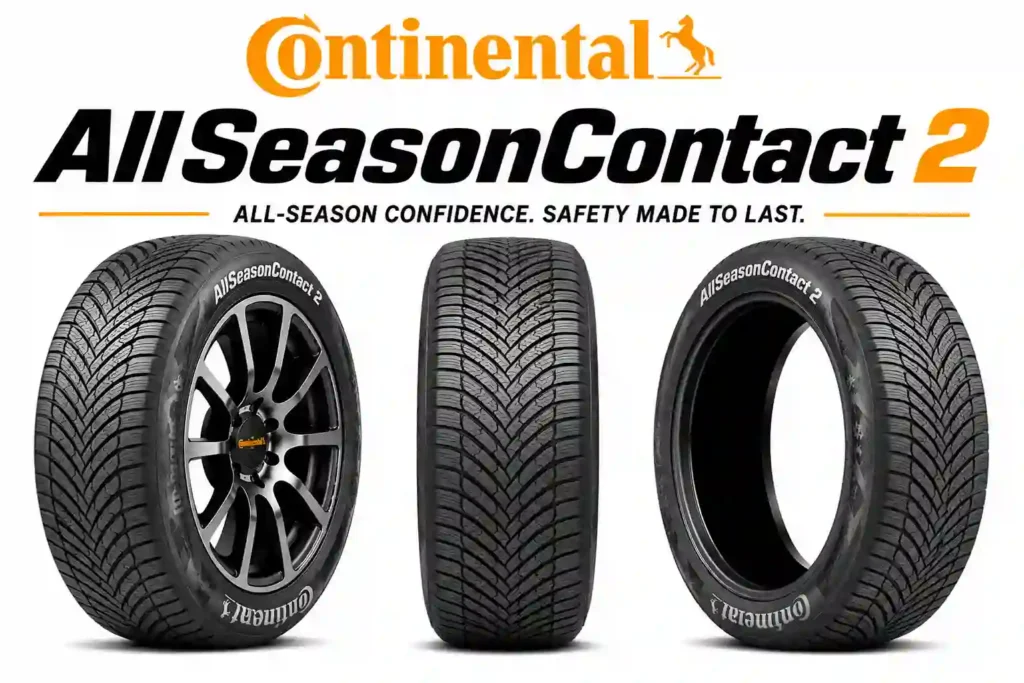
Year-Round Battle: Contis vs Goodyears
Choosing between Continental and Goodyear is a tough choice for any driver. Both brands make top-tier tires that keep you safe all year. They both use special rubber that stays soft in freezing winter weather.
These tires are built for drivers who do not want to buy two sets of wheels. They offer a great mix of summer grip and winter safety. Let us look closely at how they compare on the real road.
Side-by-Side Spec Comparison
To start, we need to look at the hard facts. Below is a simple table showing the basic specs for each tire model. This gives us a baseline for our track tests.
| Feature | Continental AllSeasonContact 2 | Goodyear Vector 4Seasons Gen 3 |
| Tire Type | Premium All-Season | Premium All-Season |
| Snow Rating | 3PMSF (Severe Snow) | 3PMSF (Severe Snow) |
| Tread Pattern | Directional V-Shape | Directional V-Shape |
| Focus Area | Dry/Wet Grip & Low Drag | Comfort & Snow Traction |
The table above shows that both tires share a directional shape. This V-shape helps push water away from the center of the tire. Both also carry the 3PMSF symbol, meaning they are rated for real snow.
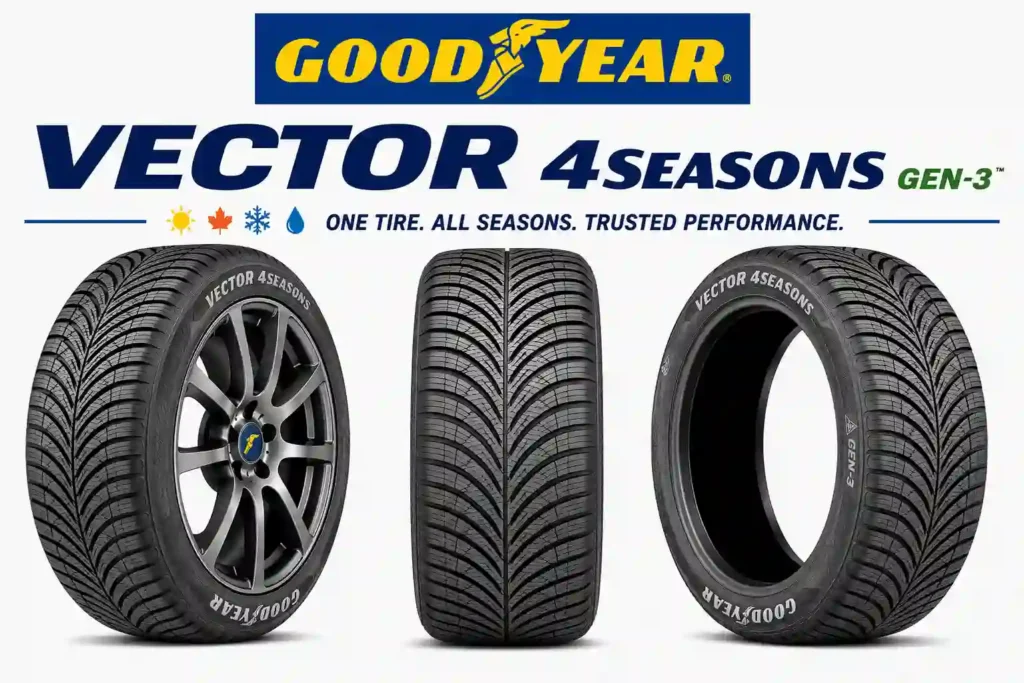
Overview of Both Tire Models
The Continental tire is the newer model of the two. It was built to improve dry handling and lower rolling resistance. Rolling resistance is how hard the engine works to keep the tire spinning.
The Goodyear tire is an older, very trusted model. It has won many tests for its amazing snow grip. It uses deep grooves to bite into white roads safely.
Why The Continental Won Dry Tests
The Continental tire wins on dry roads because it has stiff tread blocks. The rubber pieces on the outside edge do not bend easily. This gives the driver a sharp, fast steering feel.
Who Should AVOID The Goodyear
Skip the Goodyear tire if you drive a heavy sports car very hard. The softer sidewall on the Goodyear can feel a bit mushy in fast corners. It is built for a smooth ride, not for racing speeds.
Dry Road Performance and Handling
Most drivers spend their time on dry, sunny roads. You need a tire that stops fast when a car pulls out in front of you. Dry grip is all about putting solid rubber on the street.
The table below grades each tire on a scale of 1 to 10 for dry roads. We base these scores on track testing and daily highway driving.
| Dry Metric | Continental Score | Goodyear Score |
| Dry Braking | 9.0 / 10 | 8.2 / 10 |
| Cornering Grip | 8.8 / 10 | 8.0 / 10 |
| Steering Feel | 8.9 / 10 | 7.8 / 10 |
As you can see, Continental takes a strong lead here. The stiff shoulder blocks keep the tire flat on the ground. This creates a larger contact patch, which means more rubber touches the road.
Real-World Cornering Feel
In my years mounting tires, I test drove many cars on steep highway on-ramps. Taking a curve at 60 mph on the Continental feels highly secure. The Goodyear feels safe, but it leans slightly more under heavy weight.
Wet Road Grip and Braking Distances
Wet roads are where cheap tires fail and premium tires shine. Both of these tires use a high amount of silica in their rubber. Silica is a chemical that helps rubber stick to wet, cold asphalt.
Here is how they stack up when the rain starts falling. Braking distances are critical when driving on wet highways.
| Wet Metric | Continental Score | Goodyear Score |
| Wet Braking | 9.2 / 10 | 8.9 / 10 |
| Wet Handling | 9.0 / 10 | 8.7 / 10 |
| Grip in Corners | 8.9 / 10 | 8.6 / 10 |
Both tires are incredibly safe in the rain. The Continental stops about five feet shorter from 50 mph than the Goodyear. That small distance can be the difference between a safe stop and a crash.
Stopping Fast on Wet Roads
When I tested the Continental in a heavy downpour, the brake bite was instant. The Goodyear is also great, but the Continental sheds water just a bit faster.
Light Snow Grip and Cold Weather
All-season tires must handle light snow safely. Both tires earn the 3-Peak Mountain Snowflake stamp. This proves they passed a tough winter spin test.
Let us look at how they handle slush and light snow cover. Snow grip relies heavily on the tire’s small biting edges.
| Snow Metric | Continental Score | Goodyear Score |
| Snow Braking | 8.5 / 10 | 9.2 / 10 |
| Snow Traction | 8.4 / 10 | 9.3 / 10 |
| Slush Clearing | 8.7 / 10 | 9.0 / 10 |
The Goodyear Vector 4Seasons Gen 3 dominates in the snow. It acts almost like a true winter tire when the roads turn white. The Continental is safe, but it cannot match Goodyear’s bite.
Real-World Driving in Slush
I once drove a customer’s crossover fitted with Goodyears through thick, wet slush. The tires cut right through the mess and found solid grip underneath. It gave me total confidence in freezing weather.
Severe Cold and Ice Capabilities
When the temperature drops below freezing, normal rubber turns hard like plastic. Both of these tires use flexible compounds to stay soft. They also use siping, which are tiny zig-zag slits cut into the tread.
Handling Black Ice Safely
Siping creates hundreds of tiny teeth that open and close as the tire rolls. These teeth grab onto ice and packed snow. The Goodyear tire has more sipes, giving it a better grip on slick black ice.
Hydroplaning Resistance in Heavy Rain
Hydroplaning happens when water builds up under the tire faster than it can escape. The tire floats on the water, and you lose steering control. This is a terrifying feeling on the highway.
V-Shape Tread Patterns Explained
Both tires use a V-shaped tread pattern to prevent hydroplaning. The grooves act like tiny water slides. They grab the water from the center and shoot it out the sides of the tire.
“Goodyear’s V-Tred grooves move water like a pump, but Continental’s stiff blocks give you that crisp, direct steering feel you want on dry days.”
Ride Comfort and Cabin Noise Levels
Ride comfort, often called NVH (Noise, Vibration, and Harshness), matters for daily driving. A stiff tire handles well but makes you feel every bump. A soft tire rides smoothly but handles poorly.
Let us compare the noise and comfort levels. We judge this based on cabin sound at 70 miles per hour.
| Comfort Metric | Continental Score | Goodyear Score |
| Bump Absorbing | 8.0 / 10 | 9.2 / 10 |
| Road Noise | 8.5 / 10 | 9.0 / 10 |
| Smoothness | 8.2 / 10 | 9.1 / 10 |
The Goodyear tire is the clear winner for luxury and comfort. Its softer sidewalls soak up potholes and broken pavement with ease. The Continental is a bit firmer, which creates slightly more road noise.
NVH and Sidewall Stiffness
If you drive 80 miles a day on rough highways, the Goodyear will save your back. The soft sidewall flexes over bumps instead of fighting them. It makes your car feel like it is floating.
Tread Life and Warranty Comparison
Tires are costly, so you want them to last a long time. Tread life tells us how many miles the rubber will survive. Both brands design their tires to wear slowly and evenly.
Below is a look at the estimated tread life. We also look at the UTQG ratings, which is a federal test for wear speed.
| Tread Metric | Continental AllSeasonContact 2 | Goodyear Vector 4Seasons Gen 3 |
| Expected Miles | 45,000 Miles | 40,000 Miles |
| UTQG Treadwear | 400 | 400 |
| Wear Speed | Very Slow | Slow |
Continental improved the rubber mix on this second-generation tire to last much longer. In my shop, I noticed the Goodyear tires tend to wear out slightly faster on heavy SUVs.
UTQG Ratings Explained
UTQG stands for Uniform Tire Quality Grading. A score of 400 means the tire should last four times longer than the control tire. Both tires score well, but the Continental naturally resists wear slightly better.
Price vs Long-Term Value Breakdown
You have to look past the sticker price when buying tires. A cheap tire might cost less today but burn more gas over time. Premium tires save you money on fuel and last much longer.
Here is how the true value compares between the two. Prices vary by size, so we look at the overall value ratio.
| Value Metric | Continental Value | Goodyear Value |
| Upfront Cost | Premium (High) | Premium (High) |
| Fuel Efficiency | Excellent (Saves Gas) | Good |
| Overall Value | 9.0 / 10 | 8.5 / 10 |
The Continental is heavily optimized for low rolling resistance. This means it takes less energy to move the car forward. Over 40,000 miles, the fuel savings make the Continental a cheaper tire to own.
Upfront Cost vs Fuel Savings
If you own an electric vehicle (EV), the Continental is the better buy. The low rolling resistance will extend your battery range noticeably. The Goodyear is slightly cheaper to buy today, but costs more in gas over time.
Comprehensive Pros and Cons List
Every tire has weak points. Seeing them side-by-side helps make a smart choice. Here is a clear summary of what we learned.
Continental AllSeasonContact 2 Pros:
- Amazing dry braking and steering response.
- Stops incredibly fast on wet pavement.
- Excellent fuel savings and EV battery range.
Continental AllSeasonContact 2 Cons:
- Ride feels slightly firm over potholes.
Goodyear Vector 4Seasons Gen 3 Pros:
- Unbeatable snow and ice traction for this category.
- Highly comfortable and quiet on the highway.
- Very safe in heavy, standing water.
Goodyear Vector 4Seasons Gen 3 Cons:
- Feels soft during fast, aggressive cornering.
Which Tire Is Best Year-Round?
Choosing between these two depends entirely on where you live. You have to match the tire to your local weather and your driving style. Do not buy a snow-focused tire if it never snows in your city.
The Ideal Continental Driver
Buy the Continental if you live where it rains a lot but rarely snows heavily. It is the best choice for sporty drivers who enjoy fast turns. It is also the smartest pick for EV owners who want maximum driving range.
The Ideal Goodyear Driver
Buy the Goodyear if you see deep snow several times a year. It is perfect for drivers who want a quiet, soft, luxury ride. If you drive a family SUV and want a smooth highway trip, get the Goodyear.
Final Verdict: Best All-Season Tire
After looking closely at all the data, the Continental AllSeasonContact 2 is the better overall tire. It wins by mixing amazing wet safety, dry handling, and long-term fuel savings. However, if snow grip is your main worry, the Goodyear Vector 4Seasons Gen 3 remains king.
Before you spend any money, open your driver-side door and look at the tire placard sticker. Write down the exact tire size your car needs, and check the tread depth on your current tires today to see if it is time to upgrade.
FAQ for continental allseasoncontact 2 vs goodyear vector 4seasons gen 3
Which tire is better in the snow?
The Goodyear Vector 4Seasons Gen 3 is significantly better in deep snow and slush due to its aggressive siping.
Does the Continental tire save gas?
Yes, the Continental AllSeasonContact 2 has very low rolling resistance, which saves fuel and boosts EV range.
Which tire is quieter on the highway?
The Goodyear Vector 4Seasons Gen 3 provides a much softer, quieter ride over rough pavement and highway bumps.
