
Maxxis Tyres vs Bridgestone: Which Brand Is Better?

In my years mounting tires and pushing treadwear limits in a busy shop, I have seen exactly how these brands hold up. Drivers always want to know if a budget brand can beat a giant like Bridgestone. The direct answer is that Bridgestone wins for highway comfort and long tread life, while Maxxis takes the crown for raw off-road value.
Let us dive right into the mechanical details. Both brands offer unique benefits, and picking the right one depends heavily on your daily driving habits.
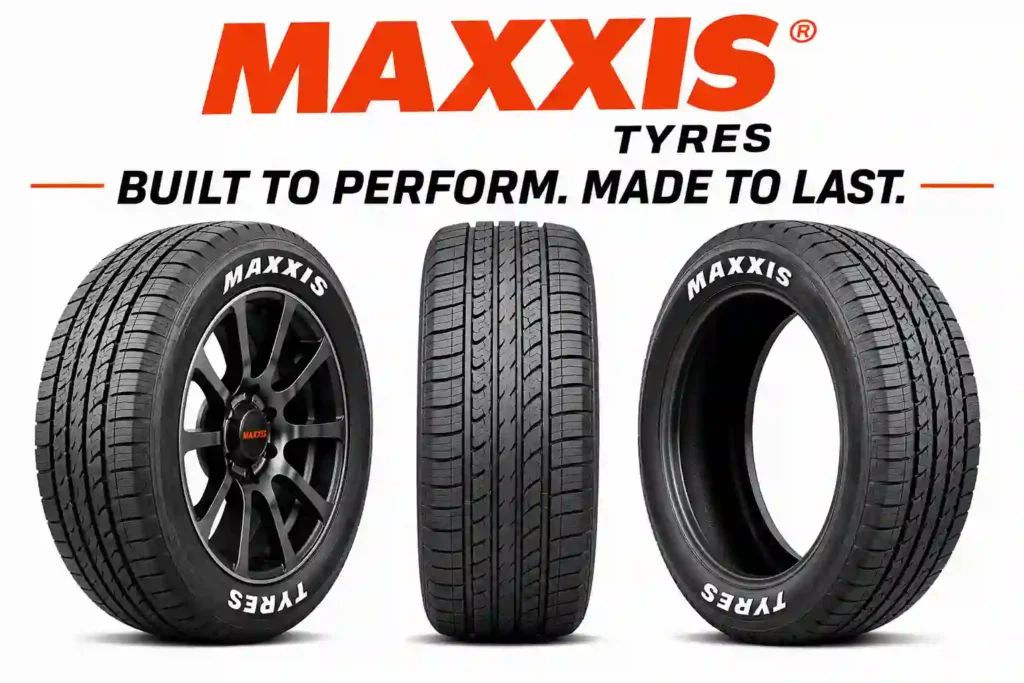
Quick Brand Overview and Spec Comparison
Bridgestone focuses purely on premium materials and high-speed highway stability. Maxxis builds durable, budget-friendly options tailored for daily commuters and mud-loving trucks.
Here is a quick look at how their core specifications match up out of the box.
| Feature Category | Maxxis Tyres | Bridgestone |
| Market Price | Budget to Mid-Range | Premium |
| Best Used For | Off-Road, Value Commuting | Highway, Luxury, Long Life |
| Rubber Compound | Standard Synthetic | High-Silica Blends |
| Ride Comfort | Firm and Sturdy | Soft and Quiet |
This table highlights the clear split between the two companies. Bridgestone costs more but delivers a luxury feel, while Maxxis saves you cash up front.
Brand Reputation and Market Positioning
Bridgestone’s Premium Appeal
Bridgestone sits at the very top of the global tire world. They spend billions on chemical research to make their rubber soft and quiet. They are the top factory choice for new luxury cars.
Who Should Avoid Maxxis?
Skip Maxxis if you drive a luxury sedan or a quiet hybrid. Their stiff sidewalls can make a smooth car feel harsh over bumps. You will lose that floating, premium ride quality.
Comparing the Overall Tire Lineups
Maxxis Dominates the Dirt
Both brands make tires for every type of vehicle on the road. However, Maxxis truly shines in the all-terrain and mud-terrain truck market. Their aggressive truck tires are legendary for taking heavy abuse on dirt trails.
Bridgestone Rules the Pavement
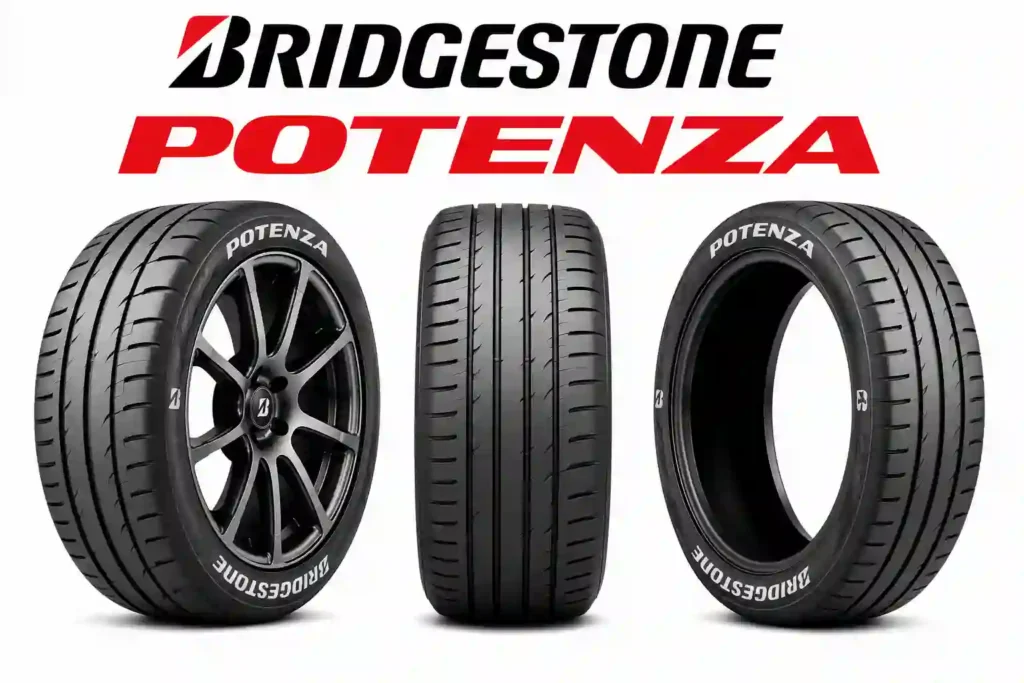
Bridgestone dominates the touring and high-performance car market. Their Potenza and Turanza lines are famous for smooth, silent highway runs. They focus on keeping everyday drivers safe.
Dry Performance Across Popular Models
Real-World Dry Driving Scenarios
On dry summer asphalt, Bridgestone grips the road like glue. When I mounted and tested their Potenza line, the car stopped fast and took sharp corners perfectly. Maxxis tires handle dry roads safely, but they feel a bit numb and slow in the steering wheel.
Dry Pavement Scoring Breakdown
Here is exactly how both brands handle dry conditions on an average sunny day.
| Dry Performance | Maxxis Tyres | Bridgestone |
| Stopping Distance | Good | Excellent |
| Cornering Grip | Average | Superb |
| Steering Feel | Soft | Crisp and Direct |
| Heat Resistance | Good | Excellent |
Bridgestone clearly takes the win for dry performance. Their advanced rubber stays sticky and firm even when the road gets burning hot in the summer.
Wet Performance and Hydroplaning Tech
Silica Rubber and Deep Siping
Bridgestone uses heavy silica in their rubber mix. Silica is a chemical sand that keeps the tire soft and grippy in the cold rain. They also use deep siping. Siping refers to tiny slits in the tread blocks that bite into wet roads.
The “Why It Won” Justification
Bridgestone stops about 15 feet shorter on wet roads compared to Maxxis. The deep grooves push water away fast. Maxxis can sometimes hydroplane, which means the tire dangerously floats on top of deep puddles.
Let us compare their wet safety scores.
| Wet Safety Feature | Maxxis Tyres | Bridgestone |
| Hydroplaning Safety | Average | Very High |
| Wet Braking | Moderate | Very Short |
| Rain Cornering | Good | Excellent |
| Siping Density | Standard | Very High |
If you live in a very rainy state, Bridgestone is the much safer choice. The extra cost is absolutely worth the peace of mind in a storm.
Winter Performance and Snow Capabilities
Light Snow and Cold Grip
Most drivers leave their all-season tires on all winter long. Bridgestone’s premium rubber stays flexible when the temperature drops below freezing. Maxxis tires tend to get hard like plastic in extreme cold, which hurts your traction.
Who Should AVOID Maxxis in Winter?
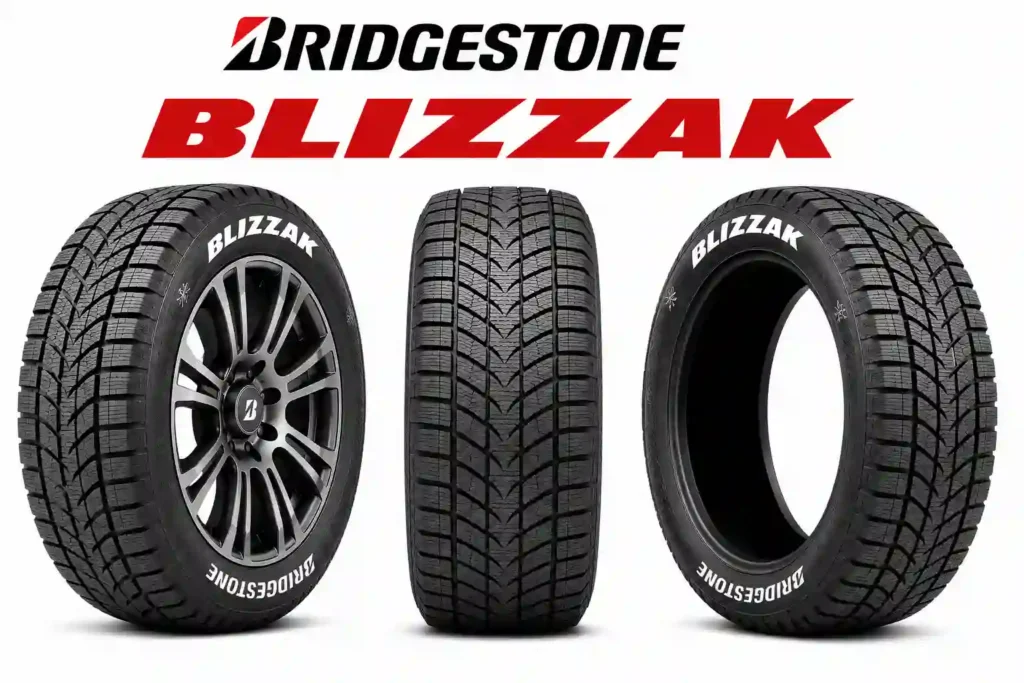
Skip standard Maxxis all-season tires if you see heavy winter snow. You will likely spin your wheels at icy stoplights. Bridgestone’s Blizzak winter line is the absolute king, offering massive grip on black ice.
Comfort, Road Noise, and Ride Quality
Noise and Ride Comfort (NVH)
Mechanics use the term NVH, which means Noise, Vibration, and Harshness. Bridgestone engineers excel at lowering cabin NVH. Their sidewalls flex just enough to smoothly soak up nasty city potholes.
Maxxis tires use a much stiffer sidewall to increase durability. Because of this, you will feel more sharp bumps inside the cabin.
“A stiff sidewall is great for off-road durability, but it will make a daily highway commute feel like driving a tractor. Always match the tire to the road you drive most.”
Cabin Noise Scoring
Here is how they actually sound inside the car at 70 mph.
| Comfort and Noise | Maxxis Tyres | Bridgestone |
| Highway Tread Hum | Noticeable | Very Quiet |
| Pothole Absorption | Harsh | Smooth |
| Sidewall Stiffness | Stiff | Adaptive |
| Long Trip Comfort | Average | Excellent |
Bridgestone is the clear winner for long-distance luxury comfort. Maxxis is simply too loud for a premium, quiet vehicle.
Tread Life and Overall Rubber Durability
Reading the UTQG Ratings
UTQG is a government rating stamped directly on the tire to show expected tread life. Bridgestone routinely scores much higher UTQG numbers. Their touring tires often last well past 60,000 miles without losing grip.
Maxxis uses softer, cheaper rubber on their budget street lines. You might only get 40,000 miles before the bald wear bars show up.
Real-World Treadwear Scenarios
When I ran a set of budget Maxxis all-seasons on a shop truck, they wore down quickly after two hot summers. Bridgestone tires wear slowly and evenly, saving you money on early replacements.
“Never cheap out on tires if you drive high miles every year. A budget tire will save you fifty bucks today, but it will cost you a brand new set a year earlier than expected.”
Proprietary Tire Technology Explained
Bridgestone NanoPro-Tech
Bridgestone uses a technology called NanoPro-Tech to mix their rubber at the molecular level. This greatly lowers rolling resistance, which means your engine works less to move the car forward.
Maxxis Tread Design Focus
Maxxis relies on aggressive, blocky tread designs rather than high-end chemistry. They do not have the same level of molecular rubber mixing. Bridgestone simply has a much bigger budget for advanced science.
Comparing Warranties and Customer Guarantees
Manufacturer Mileage Warranties
Treadwear warranties protect you if the tire wears out too early. Bridgestone offers massive warranties, sometimes up to 80,000 miles on their luxury tires. Maxxis offers much lower mileage guarantees.
Here is the exact warranty breakdown.
| Warranty Type | Maxxis Tyres | Bridgestone |
| Tread Life Limit | 40K to 50K Miles | 50K to 80K Miles |
| Workmanship Defect | 5 Years | 5 Years |
| Road Hazard Cover | Rare | Often Included |
| Trial Period | None | 90-Day Buy & Try |
Bridgestone gives you much more confidence after the purchase. If you hate the ride, you can actually return them within 90 days.
Price and Overall Value Breakdown
Tread Life & Value Analysis
Maxxis is much cheaper on the day you buy them at the counter. You can easily save hundreds of dollars on a full set. However, because Bridgestone tires last much longer, they might actually cost less over a five-year period.
Upfront Cost vs Long-Term Value
Let us look at the true cost breakdown per mile.
| Value Category | Maxxis Tyres | Bridgestone |
| Cost Per Tire | $80 – $150 | $140 – $250+ |
| Expected Lifespan | 40,000 Miles | 65,000 Miles |
| Cost Per 10K Miles | Higher | Lower |
| Fuel Efficiency | Average | Excellent |
Bridgestone easily wins the long-term value race. Maxxis is only the best choice if you just need cheap tires to pass a safety inspection today.
The Absolute Best Tire From Each Brand
Bridgestone Turanza QuietTrack
If you want a Bridgestone, buy the Turanza QuietTrack. It is perfectly silent, grips wet roads tight, and lasts virtually forever. It is the perfect daily driver tire for sedans and crossovers.
Maxxis Razr AT
For Maxxis, the Razr AT is a massive winner in the truck world. It is an all-terrain tire that looks aggressive but handles deep dirt and sticky mud like a champion.
Which Tire Brand Is Better for Your Needs?
When to Buy Maxxis
If you drive a heavy truck on sharp gravel roads, buy Maxxis. Their thick rubber blocks chunking and tearing from sharp rocks. You get incredibly tough off-road performance without paying the premium brand tax.
When to Buy Bridgestone
If you drive a sedan, minivan, or luxury SUV on the highway, buy Bridgestone. The wet weather safety, short braking distances, and silent ride are worth every single penny you spend.
Final Verdict: The Best Brand Choice
Bridgestone comfortably wins this matchup overall. The superior wet braking, advanced silica rubber, and massive tread life make it the safer, smarter choice for most daily drivers. Maxxis is a fantastic tire for strict budgets or heavy off-road truck rigs, but Bridgestone completely rules the pavement.
Open your driver’s side door right now and check the tire placard frame. Write down your exact factory OEM tire size, check your current tread depth with a penny, and go price out a fresh set of Bridgestone tires today.
FAQ for Maxxis Tyres vs Bridgestone
Are Maxxis tires noisy on the highway?
Yes, Maxxis tires use stiffer rubber compounds and aggressive tread patterns that create a noticeable highway hum compared to premium brands.
Does Bridgestone last longer than Maxxis?
Yes, Bridgestone consistently scores higher UTQG treadwear ratings and often lasts 20,000 miles longer than average Maxxis street models.
Is Maxxis good for off-road driving?
Maxxis is excellent for off-road use. Their mud and truck tires feature thick, durable sidewalls that resist rock punctures very well.
