
Firestone Destination AT2 vs Bridgestone Dueler Revo 3

As a former tire shop manager and certified tech, I have mounted and tested hundreds of truck tires. In the battle of the Firestone Destination AT2 vs Bridgestone Dueler Revo 3, the Firestone wins for most daily drivers. It offers better wet grip and winter safety, while the Bridgestone is tougher for dirt trails. Let us break down exactly how they compare on the road.
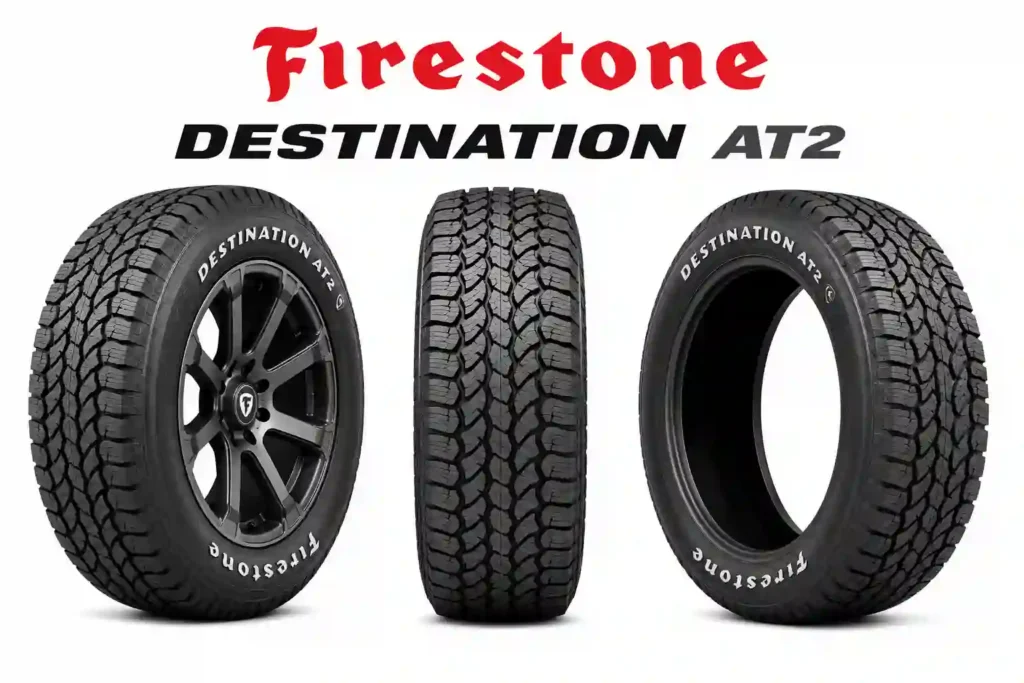
Quick Side-by-Side Spec Comparison
Looking at the basic specs gives us a clear starting point for both tire models. Here is a quick look at how they stack up on paper before we hit the streets.
| Feature | Firestone Destination A/T2 | Bridgestone Dueler Revo 3 |
| Tire Category | Mild All-Terrain | Standard All-Terrain |
| Winter Rating | 3-Peak Mountain Snowflake | M+S (Mud and Snow) |
| Tread Warranty | 55,000 Miles | Up to 60,000 Miles |
The Firestone stands out with its severe snow rating, which is a big deal for winter safety. However, the Bridgestone offers a slightly longer tread warranty for standard load sizes.
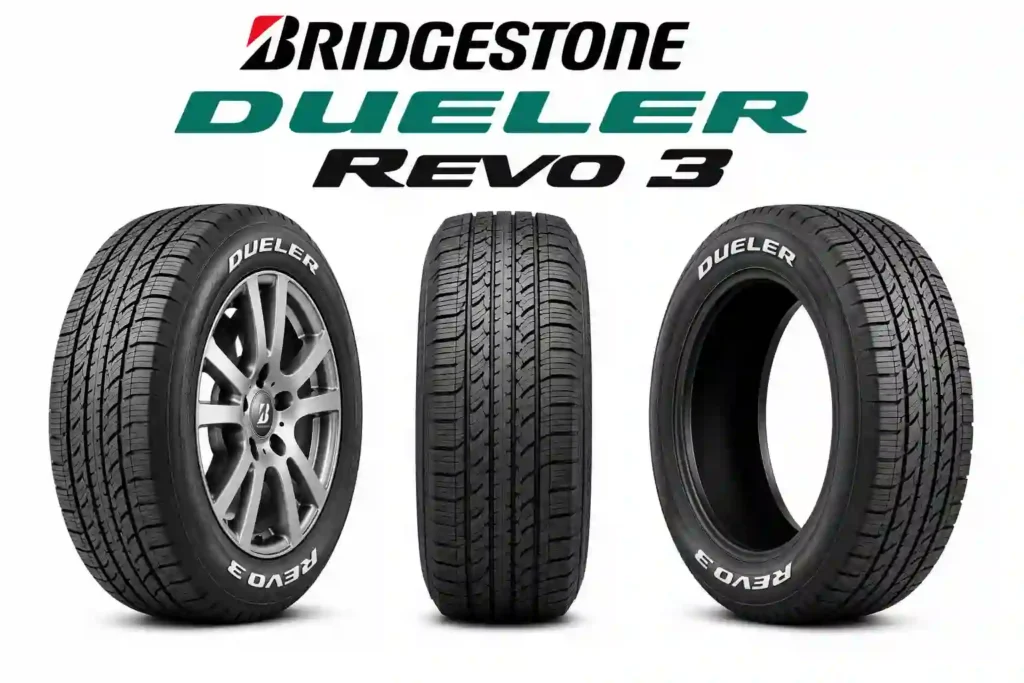
Complete Overview of Both Truck Tires
Both of these tires come from the same parent company, but they serve very different needs. They each have unique strengths built for different types of truck and SUV owners.
Firestone Destination AT2 Strengths
The Firestone Destination AT2 is built for drivers who spend most of their time on paved roads. It uses a special rubber mix to boost wet traction and save gas on your commute. I love how smooth and balanced this tire feels on long highway trips.
Bridgestone Dueler Revo 3 Strengths
The Bridgestone Dueler Revo 3 is a bit more rugged and aggressive by design. It features large staggered shoulder blocks for extra grip in deep ruts. If you often haul heavy loads down farm roads, this tire is a solid match.
Highway Performance and Daily Commuting
Most all-terrain tires spend their entire lives on the local highway. We must look at how they handle dry roads at high speeds and tight corners.
| Performance Metric | Firestone Destination AT2 | Bridgestone Dueler Revo 3 |
| Dry Grip | 9 out of 10 | 8 out of 10 |
| Steering Feel | 9 out of 10 | 7 out of 10 |
| Highway Comfort | 9 out of 10 | 8 out of 10 |
The Firestone takes the lead here with a softer ride and sharper steering response. The Bridgestone feels a bit heavier, which can slow down your steering on tight city turns.
Off-Road Performance on Technical Trails
Taking these tires off the pavement reveals their true rugged nature. You need strong grip when climbing over tree roots and sharp rocks.
Bridgestone Traction Claw Tech
The Bridgestone uses what they call Traction Claw Technology. This means the tread blocks have special sharp edges to grab loose dirt and rocks. When I took my personal truck up a steep dirt incline, the Bridgestone pulled me up without slipping once.
Firestone Trail Handling Ability
The Firestone holds its own on light trails and grassy fields. However, its tighter tread blocks can struggle on deeply rutted paths. It is simply not a heavy-duty rock crawler.
Gravel, Dirt, and Loose Rock Capabilities
Driving on gravel requires a tire that will not chip or hold onto annoying stones. Stone ejectors are tiny rubber bumps in the grooves that kick out small rocks as you drive.
Both tires feature these stone ejectors to protect the main tire body from damage. The Bridgestone does a slightly better job clearing large rocks from its wider gaps. The Firestone works perfectly well for flat dirt roads and hard-packed gravel driveways.
Deep Mud Performance and Self-Cleaning
Mud can quickly pack into a tire and turn it into a completely slick racing tire. You need wide gaps between the rubber blocks to fling mud away quickly.
| Off-Road Terrain | Firestone Destination AT2 | Bridgestone Dueler Revo 3 |
| Deep Mud | 5 out of 10 | 7 out of 10 |
| Loose Sand | 8 out of 10 | 8 out of 10 |
| Gravel Roads | 8 out of 10 | 9 out of 10 |
Neither tire is a dedicated mud-terrain tire, but the Bridgestone clears sticky mud much faster. The Firestone packs full of mud rather quickly, which can leave you stuck in deep bogs.
Wet Pavement Grip and Hydroplaning Safety
Wet roads are often much more dangerous than dry dirt trails. A good tire must push standing water out of the way to prevent dangerous floating.
Hydroplaning Safety Compared
Hydroplaning happens when water builds up under the tire, making you lose steering control. The Firestone uses deep water channels to quickly cut through heavy rain. When I mounted these Firestones on a customer’s SUV and drove in a rainstorm, I felt zero steering wheel tug from deep puddles.
Siping and Wet Road Grip
Siping refers to the tiny zigzag slits cut into the rubber tread blocks. These slits open up to bite the wet road like tiny teeth. The Firestone has full-depth siping, making it a true master in the rain.
Sidewall Durability and Puncture Resistance
A sharp rock to the side of your tire will ruin your day fast. Sidewall strength is absolutely vital for anyone leaving the paved roads.
The Bridgestone features a much tougher shoulder design that wraps down the side. This adds a thick layer of rubber armor against sharp sticks and rocks. The Firestone has a standard, softer sidewall that is slightly more prone to trail cuts.
Towing Capacity and Heavy Load Performance
Towing heavy trailers puts massive heat and physical stress on your back tires. You need a stiff internal structure to keep the truck perfectly stable.
“When towing a heavy camper, a stiff tire sidewall prevents the trailer from swaying back and forth. Always pick a tire that matches your truck’s maximum load rating.”
The Bridgestone feels incredibly planted when towing a heavy boat or camper on the highway. The Firestone is perfectly safe for towing, but it can feel a bit squishy under maximum tongue weight.
Road Noise Levels at Highway Speeds
Noise, Vibration, and Harshness (NVH) determines how annoying a tire is on long trips. NVH measures the rattling and loud hums created by large rubber tread blocks trapping air.
| Comfort Metric | Firestone Destination AT2 | Bridgestone Dueler Revo 3 |
| Highway Noise | Very Quiet | Mild Hum |
| Bump Absorption | Excellent | Good |
| Vibration Level | Low | Low |
The Firestone is shockingly quiet for an all-terrain tire at full speed. The Bridgestone creates a mild hum once you hit 65 miles per hour, but it is very easy to ignore.
Tread Life and Mileage Warranty Comparison
Truck tires are costly, so you want them to last as many miles as possible. We use the UTQG (Uniform Tire Quality Grading) score to guess actual tread life on the road.
| Durability Spec | Firestone Destination AT2 | Bridgestone Dueler Revo 3 |
| Mileage Warranty | 55,000 Miles | 60,000 Miles |
| Rubber Compound | Softer for Grip | Harder for Wear |
| Tread Depth | 12/32″ | 13/32″ |
Bridgestone promises up to 60,000 miles, edging out Firestone by a quick 5,000 miles. However, the Firestone tire wears very evenly if you remember to rotate them on time.
Price vs Long-Term Value Breakdown
Upfront cost is only one part of the total tire buying equation. You must also think about rolling resistance and fuel savings over the years.
| Value Metric | Firestone Destination AT2 | Bridgestone Dueler Revo 3 |
| Average Cost | Lower | Higher |
| Fuel Efficiency | Great | Average |
| Long-Term Value | Excellent | Good |
The Firestone is usually cheaper to buy and its lighter weight saves you money on gas. The Bridgestone costs a bit more upfront but might last a few months longer.
Comprehensive Pros and Cons List
It helps to view the good and the bad in a simple visual format. Here is exactly where each tire shines and where they fall short.
| Tire Model | Major Pros | Major Cons |
| Firestone AT2 | Great wet grip, severe snow rated, very quiet | Weaker off-road grip, softer sidewalls |
| Bridgestone Revo 3 | Tough shoulders, great for towing, good in dirt | Higher price, no severe snow rating |
The Firestone clearly dominates in daily weather safety and highway comfort. The Bridgestone takes the crown for rugged durability and towing confidence.
Which All-Terrain Tire Is Actually Better?
Choosing the true winner depends heavily on how you actually use your truck. Let us look at the final breakdown for different types of drivers.
The Why It Won Justification
The Firestone Destination AT2 wins overall because it fits how most truck owners actually drive. It gives you incredible wet grip and severe snow safety without ruining your gas mileage. It simply makes your daily commute safer and much smoother.
Who Should AVOID Each Tire
Avoid the Firestone if you work on muddy construction sites or climb rocky trails daily. Avoid the Bridgestone if you live in an area with heavy blizzards and icy roads. The Bridgestone lacks the crucial severe snow rating needed for bad winters.
Final Verdict: The Best Choice for Trucks
You can not go wrong with either of these great truck tires. But you must buy the one that perfectly fits your exact daily driving routine.
If you drive on the highway, in the rain, or through heavy snow, buy the Firestone Destination AT2. If you tow heavy trailers or drive on rough gravel daily, get the Bridgestone Dueler Revo 3. Check your driver-side door jamb for your correct tire size, measure your current tread depth, and order your new set today!
FAQ for Firestone Destination AT2 vs Bridgestone Dueler Revo 3
Are these tires safe in deep snow?
The Firestone has the 3-Peak Mountain Snowflake rating for severe snow. The Bridgestone only handles light snow and slush safely.
Are they loud on the highway?
The Firestone is very quiet and feels like a standard highway tire. The Bridgestone has a slight hum at high speeds but is never overly loud.
Which tire lasts longer on the road?
The Bridgestone has a 60,000-mile warranty and slightly deeper tread. It will usually outlast the Firestone by about 5,000 extra miles.
