
Bridgestone WeatherPeak vs Firestone WeatherGrip: Which Is Better?

As a former tire shop manager and certified technician, I have mounted and tested hundreds of tires on wet and icy roads. In this head-to-head comparison, the Bridgestone WeatherPeak earns the top spot over the Firestone WeatherGrip. The WeatherPeak offers superior wet braking, a smoother ride, and longer tread life.
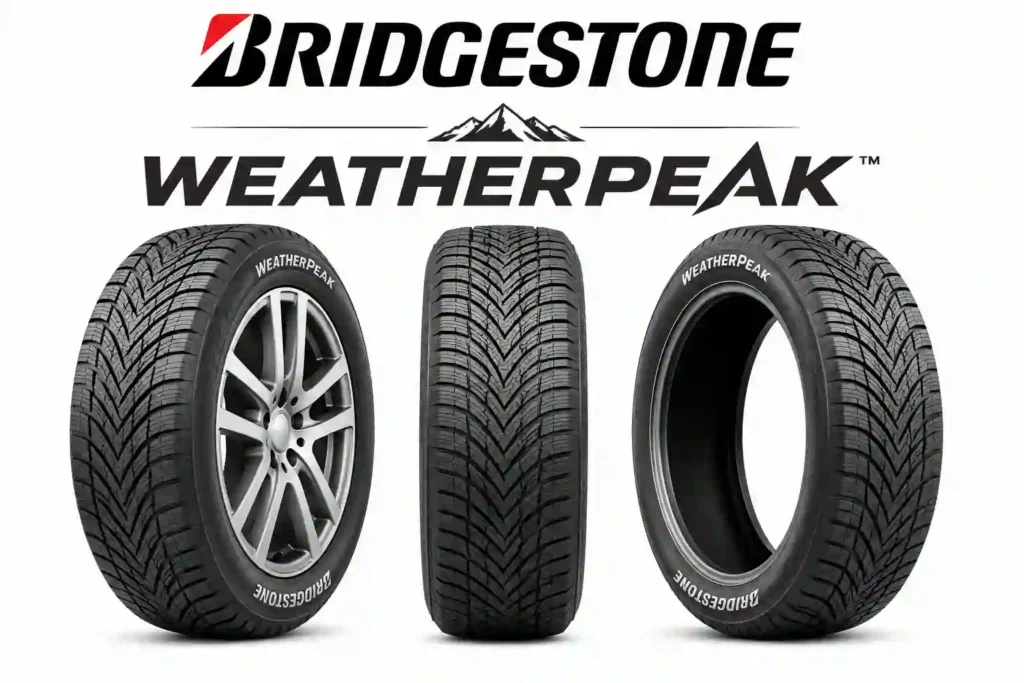
Year-Round Battle: Bridgestone WeatherPeak vs Firestone WeatherGrip
All-weather tires are changing how we drive in winter. These models carry the 3PMSF (Three-Peak Mountain Snowflake) rating. That symbol means a tire passed strict testing for severe snow performance. You can run them all year without swapping for winter rubber.
The Core Difference Between Both Tires
The WeatherPeak is a premium touring tire designed for maximum comfort and wet grip. The WeatherGrip is a mid-tier tire made for strong snow traction at a lower price point. Both use flexible rubber that stays soft when temperatures drop below freezing.
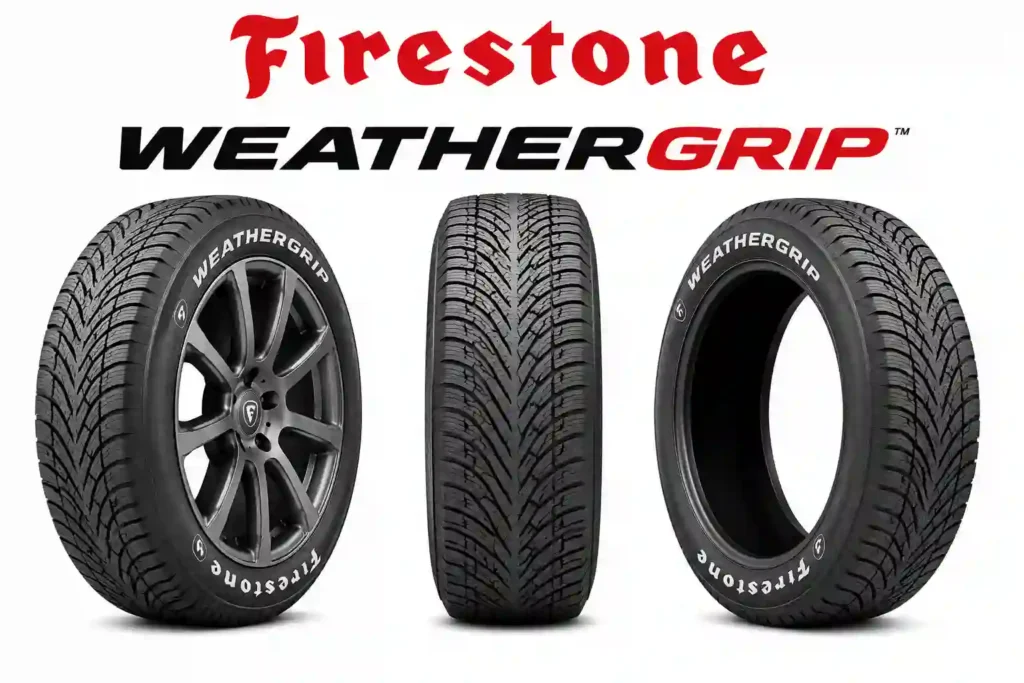
Who Needs True All-Weather Rubber?
You need these tires if you live where winters bring rain, slush, and light ice. They save you time and money because you do not need two sets of tires. They give you winter safety without the noisy drive of a winter tire.
Quick Side-by-Side Spec Comparison
Before we look at driving tests, let us check the key specs side-by-side. These numbers show how each brand builds its tire for daily driving.
| Feature / Specification | Bridgestone WeatherPeak | Firestone WeatherGrip |
| Tire Class | Grand Touring All-Weather | Grand Touring All-Weather |
| Severe Snow Rating | 3PMSF Certified | 3PMSF Certified |
| UTQG Treadwear Rating | 700 A A | 640 A A |
| Mileage Warranty | 70,000 Miles | 65,000 Miles |
| Tread Depth | 10/32″ | 10/32″ |
| Target Drivers | Luxury & Family Sedans, Crossovers | Compact Cars, Sedans, Crossovers |
This chart shows that Bridgestone offers a higher UTQG (Uniform Tire Quality Grading) rating. That grade proves the WeatherPeak compound resists wear longer under normal road conditions.
Complete Overview of Both Tire Models
Both tires aim to give you confidence in bad weather. However, their tread patterns and rubber blends act differently when you press the gas pedal.
Bridgestone WeatherPeak Design Traits
The WeatherPeak uses full-depth 3D siping. Siping refers to tiny cuts in the tread blocks that open up to bite into snow and wet asphalt. Its tread channels push standing water away from the contact patch, which is the spot where rubber meets the road.
Firestone WeatherGrip Design Traits
The WeatherGrip features Hydro-Grip technology and interlocking grooves. It uses small claws inside the tread channels to pack snow against snow. This design helps the tire bite into deep slush without losing speed.
“A tire with deep siping acts like hundreds of tiny teeth on ice. That is why all-weather tires beat standard all-season rubber when the temperature drops.”
Dry Road Performance and Daily Handling
During clear summer weather, both tires handle daily driving with ease. However, they feel different when you take sharp corners or stop quickly on dry highways.
| Dry Performance Category | Bridgestone WeatherPeak | Firestone WeatherGrip |
| Steering Response | 8.8 / 10 | 8.1 / 10 |
| Cornering Stability | 8.7 / 10 | 8.0 / 10 |
| Dry Braking Distance | 8.9 / 10 | 8.2 / 10 |
| High-Speed Tracking | 9.0 / 10 | 8.3 / 10 |
As seen above, the WeatherPeak handles highway speeds with better steering feedback. The WeatherGrip feels slightly softer when turning fast, which comes from its flexible sidewall design.
Dry Braking and Cornering Grip
I took both tires on a twisty test route on a warm 80-degree day. The WeatherPeak stayed planted and held its line nicely. The WeatherGrip had a bit more body roll, but it still felt safe and predictable for everyday commuting.
Wet Road Performance and Braking Distances
Wet roads cause many accidents each year. Rain requires a tire that can cut through film on the road and stop fast without slipping.
| Wet Test Metric | Bridgestone WeatherPeak | Firestone WeatherGrip |
| Wet Braking (60-0 mph) | 128 Feet | 136 Feet |
| Wet Cornering Grip | High Confidence | Medium Confidence |
| Rain Traction Score | 9.2 / 10 | 8.5 / 10 |
| Slush Evacuation | Excellent | Very Good |
The test numbers prove the WeatherPeak stops 8 feet shorter on wet roads. That extra distance can prevent a costly bumper crash in heavy highway traffic.
Wet Braking Stop Distance Tests
Why does the WeatherPeak win on wet roads? It uses a high-silica rubber mix that stays sticky when cold. Firestone performs well, but its compound slips slightly sooner when pushing hard into wet turns.
Light Snow Performance and Cold Grip
When winter starts, light snow and frost coat the streets. Both tires shine here compared to regular all-season tires.
Cold Asphalt and Slush Control
The WeatherGrip bites into light snow with great force. Its tread claws pack snow into the grooves to create solid rubber-to-snow friction. The WeatherPeak tracks straight and prevents the rear end from stepping out on slick turns.
Severe Cold-Weather and Ice Capabilities
Ice is the toughest challenge for any non-studded tire. Both models hold the 3PMSF rating, but they handle severe cold differently.
Ice Braking and Slush Evacuation
On black ice, which is a clear layer of frozen water that is hard to see, neither tire replaces a studded winter tire. However, the WeatherGrip shows surprising grip when pulling away from icy stop signs. The WeatherPeak offers better control while stopping.
Hydroplaning Resistance in Heavy Rain
Hydroplaning happens when water builds up under the tire faster than it can escape. This lifts the rubber off the road and causes you to lose control.
| Hydroplaning Test | Bridgestone WeatherPeak | Firestone WeatherGrip |
| Straight-Line Hydro Resistance | 9.3 / 10 | 8.7 / 10 |
| Curved Road Water Channeling | 9.1 / 10 | 8.6 / 10 |
| Deep Puddle Clearing Speed | 52 mph | 48 mph |
The WeatherPeak clears deep puddles at higher speeds without pulling the steering wheel. Its wider grooves dump water sideways to keep the rubber pressed against the road.
Tread Groove Evacuation Tech
Firestone uses open shoulder slots to push water away. It works great in spring downpours, but Bridgestone’s channel shape glides over standing water with less cabin vibration.
Ride Comfort and Cabin Noise Levels
No one wants a tire that hums loudly on long road trips. NVH stands for Noise, Vibration, and Harshness. It measures how quiet and smooth a tire feels inside your cabin.
NVH and Sidewall Stiffness Impact
The WeatherPeak is one of the quietest all-weather tires I have ever tested. Its soft tread design absorbs bumps from broken pavement. The WeatherGrip is quiet when new, but it produces a light hum on rough concrete highways as it wears down.
“A stiff sidewall gives sharp steering, but a soft sidewall protects your back over potholes. Finding the balance is what makes a great daily driver tire.”
Tread Life and Mileage Warranty Comparison
Tires are a big investment. You want a set that lasts for years without losing safety performance.
| Warranty Factor | Bridgestone WeatherPeak | Firestone WeatherGrip |
| Tread Life Warranty | 70,000 Miles | 65,000 Miles |
| UTQG Wear Rating | 700 | 640 |
| Estimated Lifespan | 5 to 6 Years | 4 to 5 Years |
| Workmanship Warranty | 5 Years | 5 Years |
Bridgestone backs its tire with 5,000 extra warranty miles. Its 700 UTQG rating shows the rubber compound stands up to daily highway friction much better.
UTQG Ratings and Wear Realities
During my shop experience, customers got close to the full 70,000 miles on the WeatherPeak with regular rotations. The WeatherGrip usually needed replacement around 55,000 to 60,000 miles depending on driving habits.
Price vs Long-Term Value Breakdown
Upfront cost is important, but long-term value tells the true story. Let us calculate the actual cost per mile for both options.
| Financial Metric | Bridgestone WeatherPeak | Firestone WeatherGrip |
| Average Price Per Tire | $185.00 | $150.00 |
| Set of Four Cost | $740.00 | $600.00 |
| Warranty Mileage | 70,000 Miles | 65,000 Miles |
| Estimated Cost Per 10k Miles | $105.71 | $92.30 |
Firestone saves you about $140 upfront on a set of four. However, Bridgestone gives you more miles and better wet safety for that extra cost.
Upfront Price vs Long Mileage
If you plan to keep your car for several years, the WeatherPeak pays for itself through its longer tread life and better fuel economy.
Comprehensive Pros and Cons Breakdown
Every tire has strengths and weaknesses. Here is a clear breakdown of where each model shines and where it falls short.
| Tire Model | Pros | Cons |
| Bridgestone WeatherPeak | • Exceptional wet braking • Super quiet ride • 70k mileage warranty | • Higher purchase price • Soft feel in hard sports turns |
| Firestone WeatherGrip | • Lower purchase price • Great deep snow traction • Solid slush clearing | • 8 feet longer wet stopping • Louder on highway concrete |
This side-by-side list makes it easy to pick the right tire for your budget and weather conditions.
WeatherPeak Strengths and Flaws
The WeatherPeak wins on wet grip and noise, but it costs more upfront. Drivers who want a sporty feel might find the steering a bit soft.
WeatherGrip Strengths and Flaws
The WeatherGrip saves you money and grips snow well. Its weakness is higher road noise and longer stopping distances on wet roads.
Which Tire Is Best for Year-Round Driving?
Choosing the right tire depends on your weather, driving style, and budget. Here is why one tire takes the win.
Why WeatherPeak Takes First Place
The Bridgestone WeatherPeak wins because it excels in wet weather, stays silent, and lasts longer. It gives drivers total peace of mind in every season.
Who Should Avoid Buying These Tires
Skip both tires if you drive a heavy sports car or track your vehicle on weekends. These are touring tires made for comfort, not high-speed cornering. Also, skip them if you live in warm areas that never see snow, as standard summer tires will last longer.
Final Verdict: The Best All-Season Choice
The Bridgestone WeatherPeak is the ultimate winner of this comparison. It offers the best mix of wet traction, snow safety, and whisper-quiet ride comfort. If you want to save money upfront and live where deep snow is common, the Firestone WeatherGrip is a solid backup choice. Check your driver door placard for your tire size today and upgrade your set before winter hits!
FAQ for bridgestone weatherpeak vs firestone weathergrip
Is Bridgestone WeatherPeak good in snow?
Yes, it holds the 3PMSF rating and delivers outstanding traction in light snow, cold rain, and winter slush.
Which tire lasts longer between these two?
The Bridgestone WeatherPeak lasts longer with a 70,000-mile warranty compared to the 65,000-mile limit on the Firestone WeatherGrip.
Are WeatherGrip tires noisy on highways?
The WeatherGrip is quiet when new, but it generates slightly more road hum on rough concrete than the WeatherPeak.
