
Bridgestone vs Yokohama Tires: Which Is Actually Better?

I have mounted thousands of tires as a former tire shop manager. In the Bridgestone vs Yokohama tires debate, Bridgestone is the overall winner for long life and top-tier grip. Yokohama takes the crown for sporty value. If you want maximum safety and a quiet ride, buy Bridgestone. If you want fun daily driving for less cash, pick Yokohama.
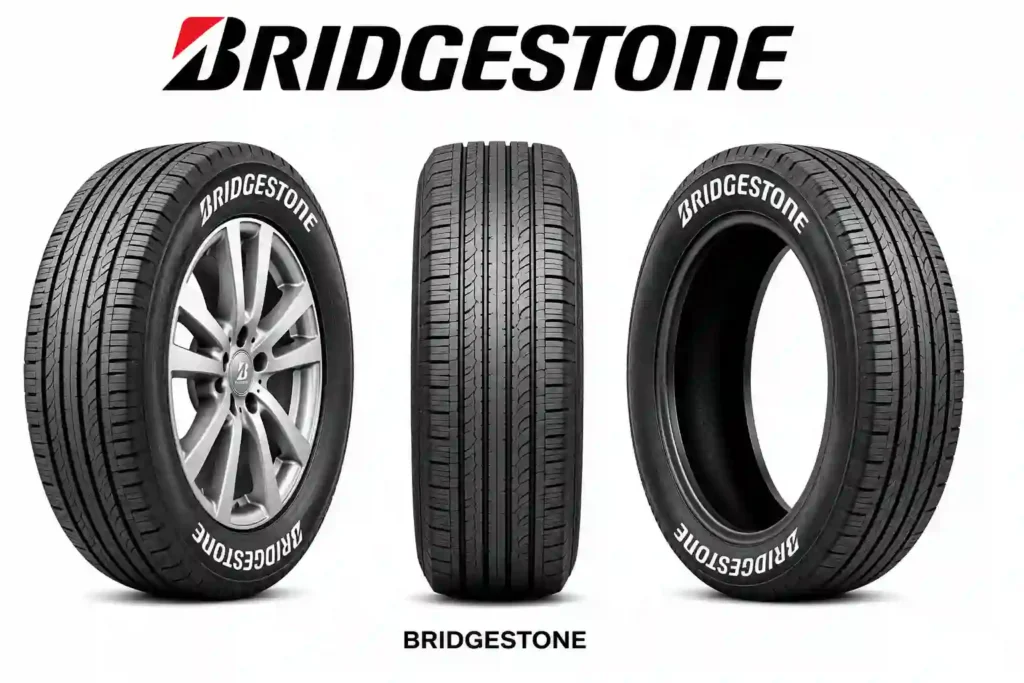
Brand Showdown: Bridgestone vs Yokohama
Both of these brands make great rubber for your car. They just target different types of drivers and budgets. Bridgestone wants to give you a smooth, premium ride. Yokohama wants to give you a sharp, sporty feel.
Who Should Avoid Each Tire Brand
Skip Bridgestone if you are on a tight budget right now. Their tires cost a lot up front. Avoid Yokohama if you drive long highway miles every single day. Their sporty tread patterns can get a bit loud on long trips.
You must match the tire to how you actually drive. Buying the wrong brand will waste your hard-earned cash. It will also make your daily drive feel terrible.
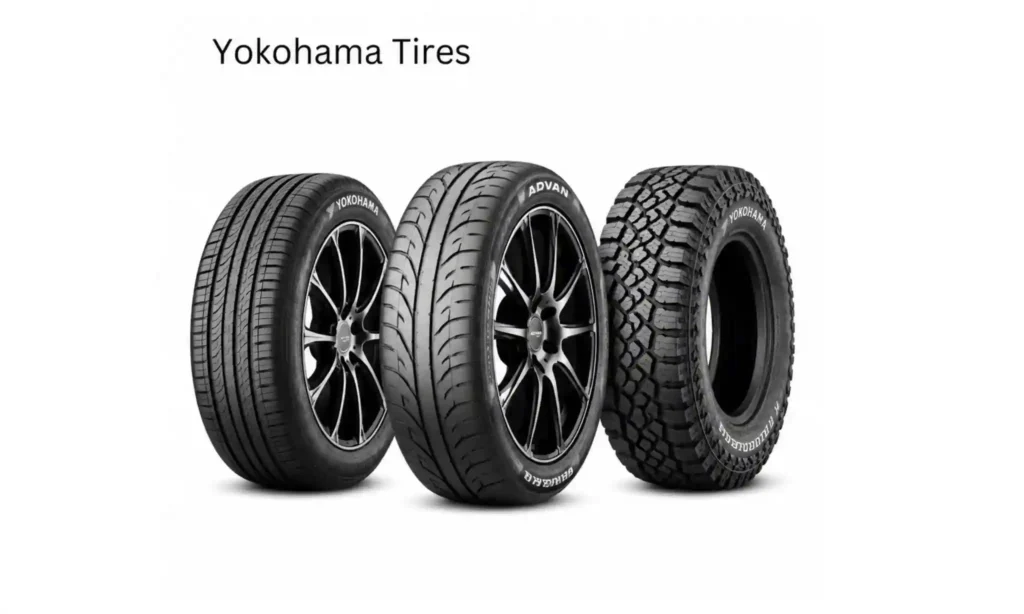
Quick Brand Overview and Spec Comparison
Let us look at how these big brands stack up. This quick chart shows their main traits side by side. It will help you see the big picture.
| Feature | Bridgestone Tires | Yokohama Tires |
| Main Focus | Long life and high tech | Sporty feel and value |
| Price Range | High | Medium to High |
| Top All-Season | Turanza QuietTrack | AVID Ascend GT |
| Top Truck Tire | Dueler A/T Revo 3 | Geolandar A/T G015 |
Bridgestone aims for the premium market with premium prices. They want to compete with Michelin. Yokohama tries to give you great performance for less money.
They sit right in the sweet spot for budget buyers. You get a trusted name without draining your bank account. Both brands will keep you safe on the road.
Brand Reputation and Market Positioning
Bridgestone is the largest tire maker in the entire world. They spend billions testing new rubber blends. They build tires that come straight from the factory on new luxury cars.
Yokohama is a bit smaller but still highly respected. They have a rich history in track racing. They use that race data to make their street tires grip better.
Real-World Driving Scenarios
I once drove a heavy truck with Bridgestone tires through a bad rain storm. The deep grooves pushed the water away fast, and I felt zero slip. The tires made me feel very safe.
On the other hand, Yokohama tires feel much more nimble on dry, curvy back roads. When I pushed a sports car into a tight turn, the Yokohama rubber grabbed the hot asphalt hard.
Comparing the Overall Tire Lineups
Both brands sell tires for cars, trucks, and big SUVs. Bridgestone has a much wider range of high-end options. They make a tire for almost every car on the planet.
Let us compare how they rank their tire models.
| Tier Level | Bridgestone Line | Yokohama Line |
| Good (Entry) | Ecopia | Tornante |
| Better (Mid) | DriveGuard | AVID |
| Best (Top) | Turanza | ADVAN |
Yokohama focuses hard on their AVID and Geolandar lines. These lines cover most daily driver needs perfectly. They do not have as many crazy options.
Bridgestone makes you pay more for their top-tier Turanza line. But the ride quality is truly like floating on a cloud. Yokohama’s top ADVAN line is built strictly for pure speed.
Dry Performance Across Popular Models
Dry grip is how well a tire sticks to bare roads in the sun. Both brands do a great job here. They both stop fast when the road is dry.
Here is how they score on dry pavement.
| Brand | Cornering Grip | Stopping Power | Highway Feel |
| Bridgestone | 9/10 | 9/10 | Very Smooth |
| Yokohama | 8.5/10 | 8.5/10 | Very Sporty |
Bridgestone stops a bit shorter on dry roads. Their stiff side walls help keep the car planted. The car does not lean as much when you hit the brakes.
The Why It Won Justification
Bridgestone wins on dry roads due to their special rubber. They mix soft silica into the tread. This helps the tire bite into the tiny bumps in the street.
Because of this soft silica mix, Bridgestone stops up to 15 feet shorter than cheap brands. That shorter stop can easily prevent a bad car crash.
Wet Performance and Hydroplaning Tech
Wet roads can make cars slide out of control fast. Good tires stop this from happening. They pump water out from under the car.
Let us look at how they handle deep water.
| Brand | Wet Grip Score | Hydroplane Safety | Rain Braking |
| Bridgestone | 9.5/10 | Excellent | Very Short |
| Yokohama | 8.5/10 | Good | Average |
Hydroplaning is when your tire floats on top of the water. Bridgestone uses deep, wide grooves to force water out fast. The tire cuts through puddles like a sharp knife.
Yokohama adds extra siping to their tires. Siping means tiny slits cut into the rubber blocks. These slits open up to grab wet roads and add grip.
Winter Performance and Snow Capabilities
Winter driving requires soft rubber that stays bendable in the cold. Hard rubber will slide on ice like a flat hockey puck. True snow tires are a must up north.
During my shop days, a customer slid his sedan into a ditch on cheap tires. We put a set of Bridgestone Blizzaks on his car. He never got stuck in the snow again.
Yokohama makes the iceGUARD line for winter weather. It works very well on thick snow. However, it tends to wear out faster on dry winter days.
Bridgestone is the clear king of winter driving. Their cold weather rubber is magic. It grips black ice better than almost anything else for sale.
Comfort, Road Noise, and Ride Quality
You want a tire that eats up road bumps softly. A loud, rough tire will drive you crazy on a long road trip. Comfort matters a lot for daily driving.
Noise and Ride Comfort NVH Tested
NVH stands for Noise, Vibration, and Harshness. Bridgestone is the master of low NVH. Their QuietTrack tire has special grooves that trap high sound waves.
Yokohama tires can be a bit loud at 70 mph on the highway. Their sporty tread blocks tend to hum on rough concrete. You will hear more wind noise.
Bridgestone uses a soft top layer of rubber to absorb potholes. You feel less jarring in the steering wheel. Yokohama has a stiffer ride that lets you feel every bump.
Tread Life and Overall Rubber Durability
Tread life tells you how long the tire will last before going bald. We look at the UTQG rating for this. A higher UTQG number means a longer life.
Here is how their tread life stacks up.
| Brand | Avg Treadwear | Warranty Miles | Rubber Hardness |
| Bridgestone | 600 – 800 | Up to 80,000 | Harder Base |
| Yokohama | 500 – 700 | Up to 65,000 | Softer Base |
UTQG is a simple score stamped on the side of the tire. Bridgestone uses tough base rubber that lives a very long time. It resists heat well.
“Never buy a tire just for the 80,000-mile warranty. If the rubber gets too hard and dry over the years, it will slip in the rain long before the tread goes bald.”
Yokohama uses softer rubber that grips the street well. The trade-off is that it dies faster. You will replace them sooner.
Proprietary Tire Technology Explained
Tire makers keep their rubber recipes a big secret. They mix black carbon and raw silica to make the tires tough. The mixing process is very high tech.
Bridgestone uses a tech they call NanoPro-Tech. This controls how the rubber bends at a very tiny level. It keeps the tire cool when driving fast.
Yokohama uses orange oil in their rubber mix. This is a real, natural oil. It keeps the tire soft when it gets very cold outside.
The contact patch is the flat part of the tire that touches the road. Bridgestone designs their patch to stay flat even when you turn hard.
Comparing Warranties and Customer Guarantees
A good tire warranty protects your wallet. You need to read the fine print on these rules. Both brands offer solid peace of mind.
Bridgestone offers a 90-day buy and try rule. If you hate the ride, you can take them back to the shop. They will swap them out for free.
Yokohama gives you a 30-day test drive period. They also cover flat tire repairs for the first year on some models. This saves you quick cash.
Bridgestone is much easier to deal with for warranty claims. They have a massive network of shops. You can find help in almost any town.
Price and Overall Value Breakdown
You get what you pay for with car tires. But you do not always need to buy the most expensive option. Sometimes a mid-tier tire is all you need.
Let us compare the true cost of these brands.
| Brand | Avg Tire Cost | Cost per Mile | Value Score |
| Bridgestone | $180 – $300 | $0.003 | 8/10 |
| Yokohama | $130 – $220 | $0.002 | 9/10 |
Bridgestone hits your wallet very hard on day one. But they last longer, so the true cost drops over time. They are an investment in safety.
Tread Life and True Value Analysis
Yokohama is the better pure value play today. You save up to $200 on a full set of four. That is real money back in your pocket.
Even if the Yokohama tires wear out 10,000 miles sooner, you still come out ahead in cash. They are perfect for budget buyers who want a safe, sporty tire.
The Absolute Best Tire From Each Brand
Let us look at the top sellers from both sides. These are the models people buy the most every single day. They are proven winners.
Here are the best models you can buy.
| Category | Bridgestone Pick | Yokohama Pick |
| All-Season | Turanza QuietTrack | AVID Ascend GT |
| Truck / SUV | Dueler A/T Revo 3 | Geolandar A/T G015 |
| Winter/Snow | Blizzak WS90 | iceGUARD iG53 |
The Turanza is perfect for big, heavy luxury cars. It rides like a cloud and makes zero road noise. The Ascend GT is a nimble tire for smaller cars.
The Geolandar is a great pick for daily trucks. It handles dirt roads well but stays very quiet on the street. It looks great on a truck.
Which Tire Brand Is Better for Your Needs?
Your choice depends entirely on how and where you drive. Think about your daily commute first. Do not buy a mud tire for a city car.
If you drive a heavy SUV on the highway, pay up for Bridgestone. The tough sidewalls will keep you safe. You will love the quiet ride.
If you drive a small car around town, buy Yokohama. They are fun to drive and cost a lot less. They will make your daily commute feel sporty.
Final Verdict: The Best Brand Choice
Bridgestone wins the overall test. They offer better wet grip, much longer tread life, and a quieter ride. They are a premium safety choice.
However, Yokohama is the smart choice for budget buyers. They offer 85% of the performance for much less cash. They are the clear value winner.
Go out to your car and read the sticker inside the driver door frame. Find your exact OEM tire size, check your current tread depth, and buy a fresh set today!
FAQ for Bridgestone vs Yokohama Tires
Are Bridgestone tires actually worth the money?
Yes. They cost more upfront but they last longer. This gives you a low cost per mile and keeps your family very safe in the rain.
Do Yokohama tires wear out too quickly?
They wear out a bit faster than premium tires. Yokohama uses softer rubber blends to give you better grip and a sharp, sporty feel.
Which brand is better for driving in snow?
Bridgestone is the clear winner here. Their Blizzak winter tire line is the best in the world for deep snow and dangerous black ice.
