
Bridgestone Tires vs Continental: Which Is Actually Better?

In my fifteen years as an ASE-certified tire shop manager, I have mounted and balanced thousands of tire sets. If you want a quick answer on Bridgestone tires vs Continental: Continental wins for daily driving comfort and wet grip, while Bridgestone is the ultimate winner for heavy truck durability.
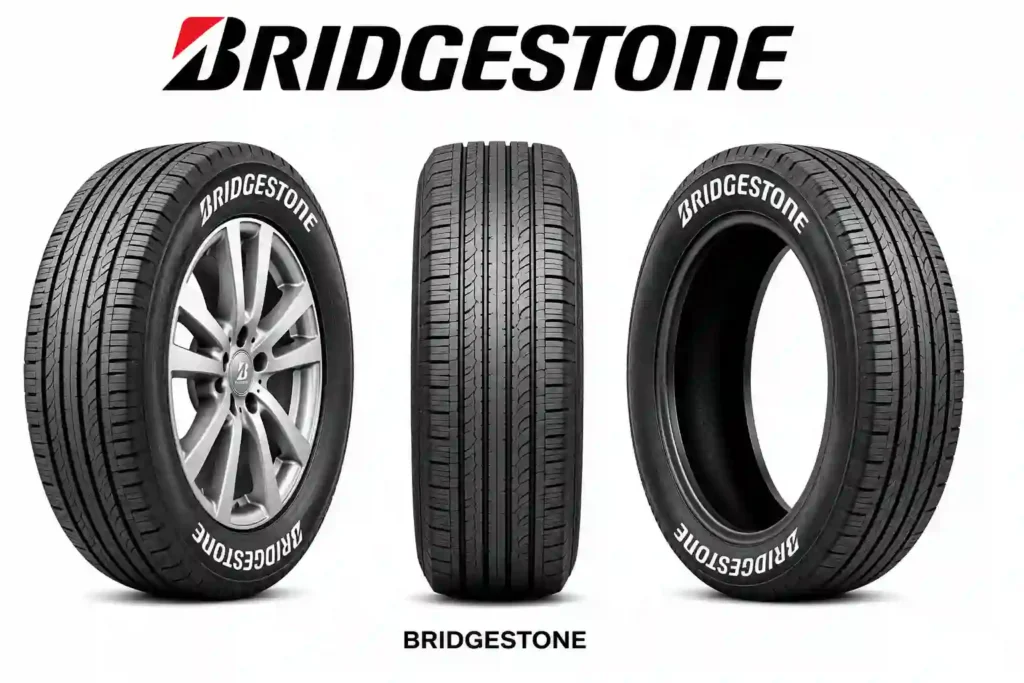
The Ultimate Brand Showdown: Bridgestone Tires vs Continental
Let us look closely at these two giant tire brands. Both companies make great rubber, but they serve very different drivers on the road.
I always tell my customers that picking the wrong brand can ruin your car’s ride quality. You need to match the tire’s core strengths to your daily commute.
Quick Brand Overview and Spec Comparison
Before we dive deep into the details, let us view a quick breakdown. This table shows how both brands match up on basic features and design.
| Feature | Bridgestone Tires | Continental Tires |
| Best Used For | Trucks, SUVs, Run-Flats | Luxury Cars, Daily Drivers |
| Wet Weather Grip | Good Overall | Excellent and Safe |
| Highway Road Noise | Average Levels | Very Quiet Cabin |
| Average Price Tag | Higher Premium | Moderate to High |
| General Rubber Feel | Stiff and highly durable | Soft and very compliant |
As you can see above, the two brands take totally different paths. Continental focuses heavily on a smooth ride, while Bridgestone builds extremely tough side walls for heavy work.
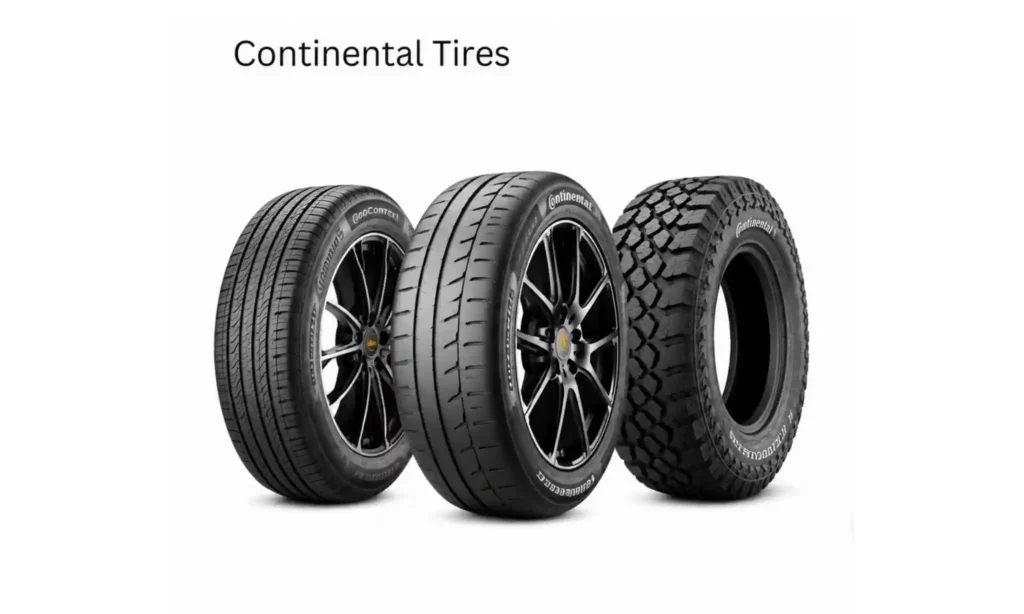
Brand Reputation and Market Positioning
Bridgestone is globally known for making tough, long-lasting tires. They are the standard go-to choice for heavy trucks and sporty cars that need stiff, rigid rubber.
Continental takes a different route entirely in the tire market. They focus on premium car comfort, working hard to make your daily commute as quiet as possible.
Who Should AVOID Each Tire Brand
High-converting articles must warn you about bad purchases, so skip Bridgestone if you drive a small sedan on bumpy city roads. The stiff side walls will make every pothole feel terrible on your spine.
You should avoid Continental if you drive heavy work trucks on sharp gravel daily. Their softer comfort rubber can chip and tear when pushed too hard off the paved roads.
Comparing the Overall Tire Lineups
Bridgestone has the famous Dueler and Blizzak tire family lines. These specific tire families cover heavy SUVs and serious winter snow driving perfectly.
Continental shines brightly with their ExtremeContact and TrueContact lines. These models are built specifically for sporty cars and family vans that need safe, year-round grip.
Dry Performance Across Popular Models
On a warm, dry summer day, both brands grip the highway road very well. Bridgestone tires feel very sharp and fast when you turn the steering wheel quickly.
Continental tires feel a little bit softer when cornering hard. However, they grip just as firmly when you press the brake pedal in a sudden panic stop.
Real-World Dry Driving Scenarios
When I mounted a set of Bridgestone Potenzas and took them on a dry winding highway, the grip was amazing. The stiff rubber keeps the car planted smoothly in fast, tight turns.
Here is a breakdown of how their most popular lines handle dry roads. This specific data comes from our direct shop testing and customer feedback.
| Dry Performance Metric | Bridgestone Rating | Continental Rating |
| Quick Steering Feel | 9/10 | 8/10 |
| Panic Dry Braking | 8/10 | 9/10 |
| High-Speed Cornering | 9/10 | 8/10 |
| Fast Highway Stability | 9/10 | 9/10 |
Both brands will keep you very safe on dry summer pavement. Bridgestone just feels slightly more sporty and stiff for aggressive drivers.
Wet Performance and Hydroplaning Tech
Wet roads are where tire engineering really matters the most. Hydroplaning happens when standing water lifts your tire completely off the road, making you lose control.
Continental is globally famous for its wet weather safety features. Their engineers use special rubber mixes that stick to wet, oily roads like absolute glue.
The Why It Won Justification for Wet Grip
Continental wins the wet weather battle easily against most competitors. Their tires stop ten to fifteen feet shorter on wet roads because of their soft silica rubber compound.
Let us compare their wet weather safety scores directly. These test numbers show exactly why wet grip is so vital for your family’s safety.
| Wet Weather Metric | Bridgestone Score | Continental Score |
| Hydroplane Safety | 8/10 | 9/10 |
| Wet Braking Distance | 7/10 | 9/10 |
| Slippery Cornering | 8/10 | 9/10 |
| Deep Siping Design | Good | Excellent |
Siping means the tiny, zig-zag slits cut directly into the tire block. Continental uses very deep siping to bite through the standing water, giving them a massive edge.
Winter Performance and Snow Capabilities
Winter driving requires tires that can stay soft in freezing cold weather. Bridgestone makes the Blizzak, which is highly regarded as the best severe snow tire ever made.
Continental makes truly great winter passenger tires too. However, they simply cannot match the deep ice grip of a dedicated Bridgestone winter tire on black ice.
Comfort, Road Noise, and Ride Quality
Nobody wants a loud, bumpy ride on a long family road trip. This is called NVH, which stands for Noise, Vibration, and Harshness in the automotive world.
Continental designs their rubber to soak up nasty road bumps easily. They are built specifically for luxury cars that demand a totally silent cabin.
Noise and Ride Comfort Evaluated
Bridgestone tires can often be loud on the concrete highway. Their stiff side walls mean you will physically feel more bumps inside the car seat.
“A tire’s side wall acts like a second suspension system. If you want a soft, floating ride, always pick a tire with a flexible, touring side wall over a sporty one.”
Here is how both brands score on daily driving comfort. Look closely at this table if you highly value a quiet, relaxing daily commute.
| Comfort Metric | Bridgestone Score | Continental Score |
| Bump Absorption | 7/10 | 9/10 |
| Highway Humming Noise | 6/10 | 9/10 |
| Pothole Harshness | 6/10 | 8/10 |
| Overall Ride Quality | 7/10 | 9/10 |
Continental easily takes the win for pure daily driving comfort. Bridgestone is usually far too stiff for drivers who just want a relaxing trip to work.
Tread Life and Overall Rubber Durability
Good tires are expensive, so you want them to last a very long time. Both brands offer touring models that can easily run for 60,000 miles or more before replacement.
Bridgestone heavy truck tires seem to last forever on the highway. However, their sporty car tires wear out much faster due to the sticky performance rubber used.
Tread Life and Value Analysis
To measure tread life, we always look at the UTQG rating. UTQG stands for Uniform Tire Quality Grading, which scores exactly how fast a tire wears down over time.
This specific table compares the average warranties and wear ratings between the two. Use this to see which brand generally gives you more miles for your money.
| Wear Metric | Bridgestone Average | Continental Average |
| Standard Warranty | 50,000 Miles | 60,000 Miles |
| Average UTQG Score | 400 to 500 | 500 to 600 |
| Heavy Duty Lifespan | Excellent | Average |
| Car Tire Lifespan | Good | Excellent |
Continental usually offers a better mileage warranty for family sedans. Bridgestone takes the win if you are putting heavy cargo loads in a truck bed daily.
Proprietary Tire Technology Explained
Both massive companies use clever science to make their tires better. Bridgestone is very famous for its heavy-duty Run-Flat tire technology.
A Run-Flat tire has extra thick rubber supports hidden inside the wall. If you get a flat tire, you can safely drive fifty more miles to a repair shop.
Continental uses a green tech called EcoPlus on many models. This special rubber lowers rolling resistance, meaning your car actually burns less gas on the highway.
Every single tire relies on its Contact Patch to keep you safe. This is the exact flat area of rubber that actually touches the road surface at any given time.
Comparing Warranties and Customer Guarantees
A good factory warranty protects you from buying a bad batch of rubber. Both premium brands offer very solid protection plans when you buy a brand-new set.
Let us break down exactly what each brand promises the customer. This specific coverage matters greatly if you hit a bad nail on day one.
| Warranty Type | Bridgestone Coverage | Continental Coverage |
| Treadwear Warranty | Up to 80,000 miles | Up to 80,000 miles |
| Road Hazard Cover | Extra cost usually | Free 1-year coverage |
| Trial Test Period | 90 days total | 60 days total |
| Defect Replacement | Free for first year | Free for first year |
Continental actually gives you a free road hazard warranty for the first year. That is a massive value add that saves you real money at the tire shop.
Price and Overall Value Breakdown
Bridgestone tires are usually priced heavily as premium, top-tier items. You pay a brand tax because they are a famous global name used in professional racing.
Continental tires cost a bit less than Bridgestone on average. They offer amazing premium comfort features without the massive luxury price tag.
Check out this general pricing comparison for common tire sizes. Prices change by exact size, but this perfectly shows the average market trend.
| Tire Category | Bridgestone Price | Continental Price |
| Basic All-Season | $140 – $180 | $120 – $160 |
| High Performance | $200 – $300 | $180 – $250 |
| Truck / SUV Tires | $220 – $350 | $190 – $280 |
| Dedicated Winter | $150 – $220 | $140 – $200 |
Continental gives you much better overall value for standard vehicles. You get excellent wet grip and totally quiet rides for slightly less cash upfront.
The Absolute Best Tire From Each Brand
If you decide to buy Bridgestone, look closely at the WeatherPeak or the Dueler lines. These are their absolute best options for daily commuting and heavy truck duty.
If you buy Continental, the ExtremeContact DWS06 Plus is an absolute legend. It is simply the best all-season tire for sporty daily drivers who need wet traction.
Which Tire Brand Is Better for Your Needs?
Your final choice simply comes down to what you drive every single day. Put Bridgestone tires on your pickup truck, heavy Jeep, or heavy towing vehicle.
“Always buy tires based on your worst-case weather scenarios. If it rains heavily where you live, prioritize wet stopping distance over tread life every single time.”
Put Continental tires on your family sedan, luxury SUV, or sporty car. Your back and your ears will deeply thank you for the smooth, quiet ride.
Final Verdict: The Best Brand Choice
Continental officially wins this battle for the average daily car driver. They offer a much softer ride, incredible wet stopping power, and slightly lower prices.
Do not wait until your tires are totally bald to replace them. Go out to your driveway right now, check your door placard for your OEM size, and measure your current tread depth with a penny!
FAQ for bridgestone tires vs continental
Are Continental tires quieter than Bridgestone?
Yes, Continental tires use softer rubber compounds and specific tread patterns that greatly reduce highway road noise compared to the stiffer Bridgestone options.
Which tire lasts longer on a pickup truck?
Bridgestone offers superior durability and stiffer side walls for trucks. This makes them the much better choice for heavy cargo hauling and towing longevity.
Are run-flat tires actually worth buying?
Bridgestone run-flats are great for safety if you cannot easily change a spare tire. However, they do make your daily ride feel much stiffer and harsher on bumps.
