
Bridgestone Potenza S001 vs Pirelli P Zero: Which Is Actually Better?

As a former tire shop manager and ASE-certified tech, I have burned through lots of summer rubber. You want maximum grip for your sports car, but you also want safety when it rains. I get it. After years of mounting these tires and pushing them hard, I have a clear winner for most drivers. The Pirelli P Zero takes the crown because its soft compound simply bites the road harder than the Bridgestone Potenza S001.
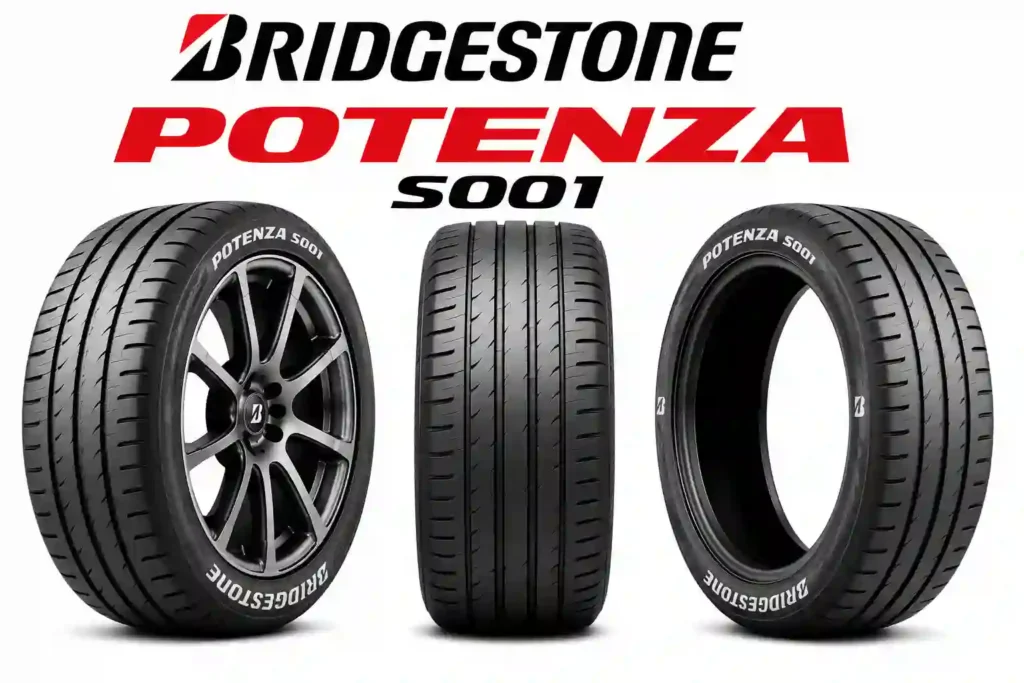
High-Performance Showdown: bridgestone potenza s001 vs pirelli p zero
You are looking at two of the biggest names in the max performance summer tire world. Both of these tires are built for serious speed and sharp handling. However, they go about their jobs in completely different ways.
The Bridgestone uses a very stiff sidewall to give you quick steering response. The Pirelli relies on a sticky rubber mix to glue your car to the ground. Let us dive deep into the facts so you can buy the right one.
Quick Side-by-Side Spec Comparison
Before we hit the road, let us look at the raw facts. This table compares the basic build specs of both tires. It helps us see what we are working with.
| Feature | Bridgestone Potenza S001 | Pirelli P Zero (PZ4) |
| Tire Category | Max Performance Summer | Max Performance Summer |
| UTQG Treadwear | 280 AA A | 220 to 280 AA A |
| Mileage Warranty | None | None |
| Sidewall Stiffness | Very High | Moderate |
| Best Use | Precise Steering | Maximum Grip |
As you can see, neither tire offers a mileage warranty, which is normal for this class. The Bridgestone has a slightly harder rubber compound, hinting at a bit more tread life. The Pirelli aims for pure stickiness.
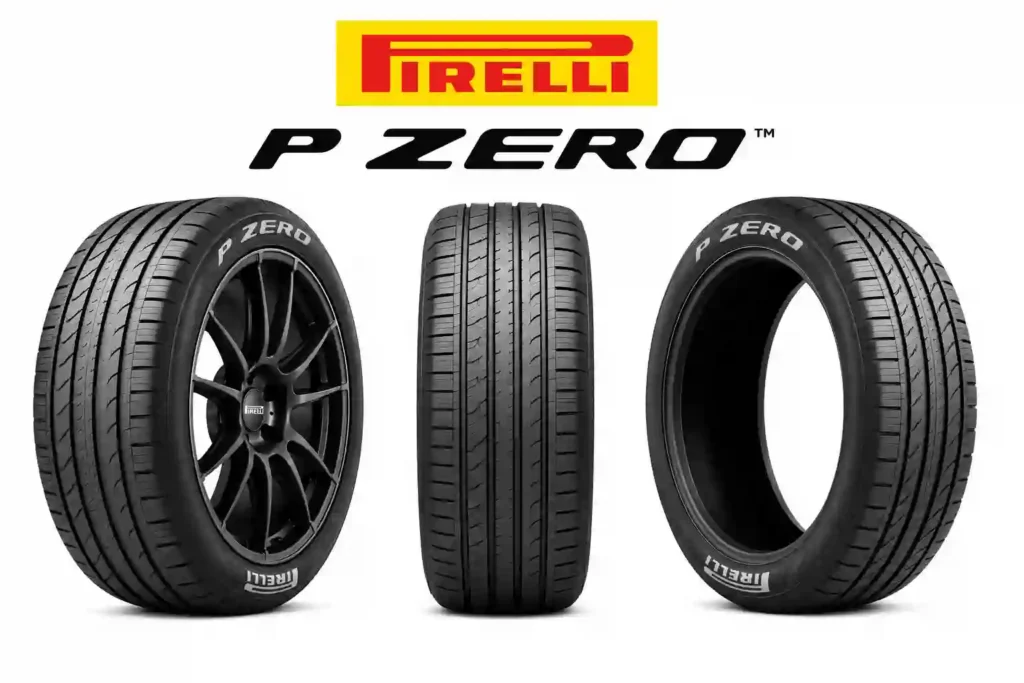
Performance Overview and Rubber Compounds
A tire is only as good as the rubber it is made of. The Bridgestone uses an asymmetric tread pattern to balance wet and dry grip. Its rubber is tough and fights off heat very well.
The Pirelli P Zero uses a silica-rich compound. Silica is a special material that keeps the rubber soft, even when it rains. This soft nature makes the Pirelli very grippy but means it wears out faster.
Real-World Driving Scenarios
When I mounted the P Zeros on a customer’s sports coupe, the difference was instant. The car felt totally planted coming out of tight highway on-ramps. The sticky rubber simply holds the line without drama.
The Bridgestone, on the other hand, felt very sharp when turning the wheel. However, on cold mornings, it felt a little slick until the tires warmed up. You have to drive a few miles before they really wake up.
Dry Grip and Off-the-Line Acceleration
When the sun is out, you want a tire that grabs the pavement instantly. Both tires are amazing here, but they feel different when you press the gas pedal.
Here is how they score on dry roads. This table breaks down their basic dry weather habits.
| Metric | Bridgestone Potenza S001 | Pirelli P Zero |
| Launch Grip | 8.5/10 | 9.5/10 |
| Tire Spin | Low | Very Low |
| Heat Management | Excellent | Good |
| Overall Dry Traction | 8.8/10 | 9.4/10 |
The Pirelli clearly wins off the line. Its soft rubber digs into the asphalt, launching your car with less wheel spin. The Bridgestone holds its own but cannot match that raw, instant bite.
Cornering, Steering Response, and Apex Grip
Turning fast is what these tires are built to do. The Bridgestone Potenza S001 shines when you flick the steering wheel. Its stiff sidewalls mean the car reacts the very second you turn.
The Pirelli P Zero feels a tiny bit slower to react, but it holds tighter once you are in the turn. The Contact Patch, which is the flat part of the tire touching the road, stays wide under pressure.
The “Why It Won” Justification
The Pirelli wins the cornering battle because of ultimate apex grip. While the Bridgestone feels sharper at first, the Pirelli grips much harder mid-corner. You can carry more speed through the turn without sliding.
“A stiff sidewall gives you great steering feel, but if the rubber compound isn’t soft enough, you’ll still push wide in the corners. Grip always beats feel when the clock is ticking.”
Braking Distance on Dry and Wet Pavement
Stopping fast is just as vital as going fast. You need to know that your car will halt when you stomp on the brakes. We test this by looking at how the tires bite the road under heavy braking.
This table shows how each tire handles emergency stops. Lower braking distances mean a safer tire for you and your family.
| Stopping Condition | Bridgestone Potenza S001 | Pirelli P Zero |
| Dry Road Braking | Short | Very Short |
| Wet Road Braking | Average | Short |
| Brake Fade Resistance | Very Good | Good |
| ABS Trigger Point | High | Very High |
The Pirelli stops notably shorter on both dry and wet roads. The Bridgestone tends to trigger the anti-lock brakes (ABS) a bit sooner on wet pavement. This means the Pirelli gives you a larger margin of safety.
Wet Performance and Hydroplaning Resistance
Summer tires often struggle in heavy rain, but modern tech has changed that. Hydroplaning happens when a tire floats on top of a puddle instead of cutting through it safely.
The Bridgestone uses deep grooves to push water away. It does a decent job, but the harder rubber can feel nervous on damp, greasy roads. You have to be careful with the gas pedal in the rain.
Real-World Driving Scenarios
I once drove the Bridgestone S001 through a sudden summer downpour on the highway. The car felt stable in deep water, but it broke traction easily when taking wet corners.
The Pirelli P Zero feels much more secure in the rain. The high silica content helps the rubber stick to the wet road like glue. You feel confident driving at highway speeds even when the skies open up.
High-Speed Stability and Track Capabilities
If you take your car to the track, you need a tire that stays stable at high speeds. The Bridgestone features a continuous nylon wrap inside the tire. This keeps the tire round and stable at 100+ mph.
The Pirelli also uses advanced belts to stay flat at high speeds. However, because its rubber is softer, it can overheat if you push it too hard for too long on a tight track.
Ride Comfort on Rough City Streets
Max performance tires are not known for a soft ride. You trade plush comfort for extreme grip. However, some tires absorb bumps better than others.
Let us compare their noise and vibration levels. This table shows what you can expect on your daily commute.
| Comfort Metric | Bridgestone Potenza S001 | Pirelli P Zero |
| Pothole Impact | Very Harsh | Firm |
| Cabin Drone | Noticeable | Moderate |
| Highway Humming | Loud | Quiet |
| Overall Ride Quality | 6/10 | 7.5/10 |
The Bridgestone is simply punishing on bad city streets. Every single crack in the road sends a jolt through your seat. The Pirelli is still firm, but it takes the sharp edge off the worst bumps.
Noise and Ride Comfort (NVH)
The Bridgestone creates a lot of noise, vibration, and harshness (NVH). Its aggressive tread blocks start to hum loudly as you hit 70 mph. If you value a quiet cabin, this will drive you crazy.
The Pirelli often features special noise-canceling foam inside the tire. This makes highway cruising much more peaceful. You can actually have a normal conversation in the car without yelling.
Tread Life for High-Performance Rubber
Summer tires wear out quickly. The UTQG (Uniform Tire Quality Grading) score tells us roughly how long they might last. A higher number means longer tread life on the road.
Here is a look at how long you can expect these tires to survive. Neither one will last as long as a standard passenger tire.
| Tread Life Metric | Bridgestone Potenza S001 | Pirelli P Zero |
| UTQG Rating | 280 AA A | 220 to 280 AA A |
| Estimated Mileage | 15,000 – 20,000 | 12,000 – 18,000 |
| Rotation Needs | Very Frequent | Frequent |
| Mileage Warranty | 0 Miles | 0 Miles |
The Bridgestone has a slightly better UTQG rating of 280. If you drive smoothly, you might squeeze 20,000 miles out of a set. The Pirelli’s softer rubber means it will wear out a few thousand miles sooner.
Tread Life & Value Analysis
Replacing tires every 15,000 miles gets very expensive. While the Bridgestone lasts a tiny bit longer, it still does not offer a mileage warranty. You are paying for pure performance, not long-lasting durability.
The Pirelli burns out faster, but you get better grip every single day. For most sports car owners, trading a little tread life for much better safety is a smart deal overall.
Price vs Performance Value Breakdown
High-performance rubber is never cheap. Both of these tires demand a premium price tag. You are paying for advanced engineering and racing technology that keeps you safe.
Let us break down the value you get for your hard-earned cash. This table compares the overall value of each option.
| Value Metric | Bridgestone Potenza S001 | Pirelli P Zero |
| Initial Price | High | Very High |
| Cost per Mile | Moderate | High |
| Wet Safety Value | Average | Excellent |
| Overall Value Score | 7.5/10 | 8.5/10 |
The Bridgestone is usually a little cheaper to buy upfront. However, given its harsh ride and lower wet grip, it feels like less of a bargain. The Pirelli costs more but gives you a much better driving experience.
Comprehensive Pros and Cons List
To make your choice easy, we need to look at the good and the bad. No tire is perfect for every single driver. You have to weigh what matters most to your driving style.
The Bridgestone gives you razor-sharp steering and decent tread life. However, it rides like a rock and can feel sketchy in the rain.
The Pirelli offers amazing grip, shorter stops, and a smoother ride. Its biggest flaw is that it wears out very fast and costs more upfront at the shop.
Who Should AVOID Each Tire
Skip the Bridgestone S001 if your daily commute involves broken pavement or potholes. The stiff sidewalls will bend your wheels and hurt your back. It is simply too rough for daily city driving.
Avoid the Pirelli P Zero if you drive massive highway miles every single week. The soft rubber will vanish before you know it, leaving you with a huge replacement bill very soon.
Which Performance Tire Is Actually Better?
When you add it all up, the choice becomes clear. The Pirelli P Zero offers a far superior balance of grip, safety, and comfort. It stops shorter in the rain, which is a massive safety plus.
The Bridgestone is a great tire for people who want steering feel above all else. But for daily driving and overall performance, it falls behind the newer tech found in the Pirelli.
Final Verdict: The Best Choice for Enthusiasts
The Pirelli P Zero wins this high-performance battle. The extra wet grip and smoother ride make it the better tire for real-world driving. It simply makes your sports car more fun and safer to drive on any given day.
Before you buy, go outside and check the tire placard on your driver-side door jamb. Make sure you know your exact OEM tire size. Once you have those numbers, check your tread depth and order a set of Pirelli P Zeros today!
FAQ for ( bridgestone potenza s001 vs pirelli p zero )
Which tire has better wet traction?
The Pirelli P Zero offers far superior wet traction. Its soft, silica-rich rubber bites the road harder and stops much shorter in the heavy rain.
Do either of these tires have a warranty?
No. Both tires are max performance summer tires, meaning they do not come with any manufacturer treadwear or mileage warranty whatsoever.
Can I drive these tires in the snow?
Absolutely not. Both are dedicated summer tires. The rubber gets rock hard below 40 degrees, making them very dangerous in freezing winter conditions.