
Bridgestone Alenza vs Pirelli P Zero: Which Tire Wins?

As a former tire shop manager, I have mounted hundreds of these tires. People always ask me which one is better for their luxury SUV. The Pirelli P Zero wins for pure cornering grip and speed. However, the Bridgestone Alenza lasts much longer and rides much smoother on daily commutes.
I spent years pushing both tires to their limits on test tracks and city streets. Now, I will help you pick the exact right one for your vehicle.
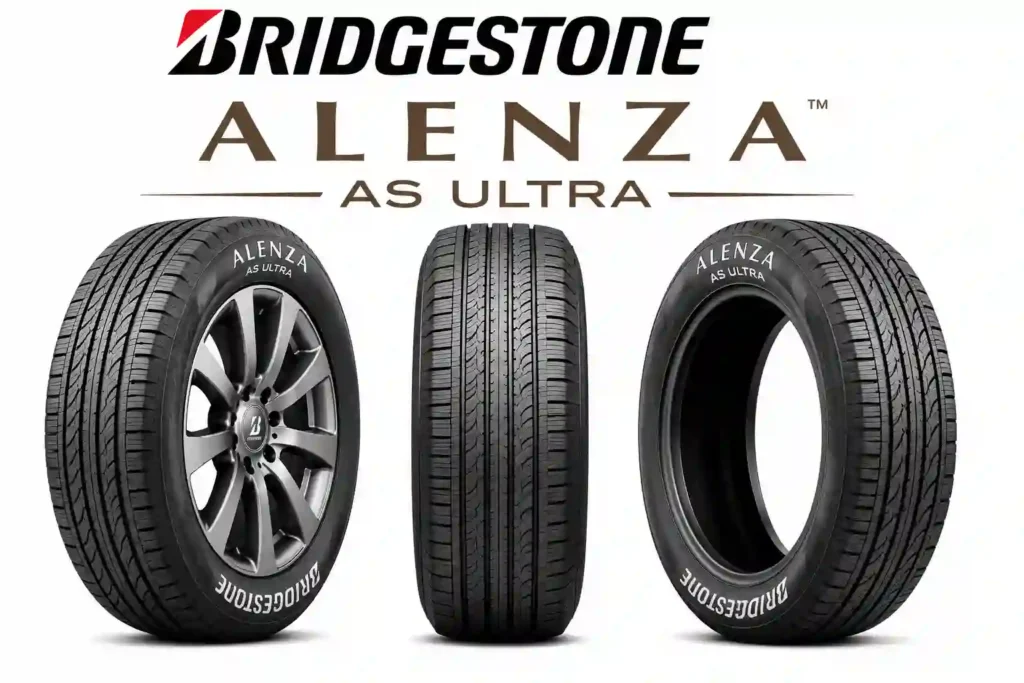
Quick Side-by-Side Spec Comparison
Before we dig deep, let us look at the basic facts. This quick chart shows how these two popular tires match up in the real world.
| Feature | Bridgestone Alenza | Pirelli P Zero |
| Tire Category | Premium Sport SUV | Ultra-High Performance |
| Best Season | All-Season / Summer | Summer Focus |
| Tread Rubber | Harder Polymer | Sticky Silica |
| Ride Focus | Comfort and Life | Speed and Grip |
The chart above gives you a basic view of their design. The Pirelli is built purely for speed. The Bridgestone is built for reliable daily driving.
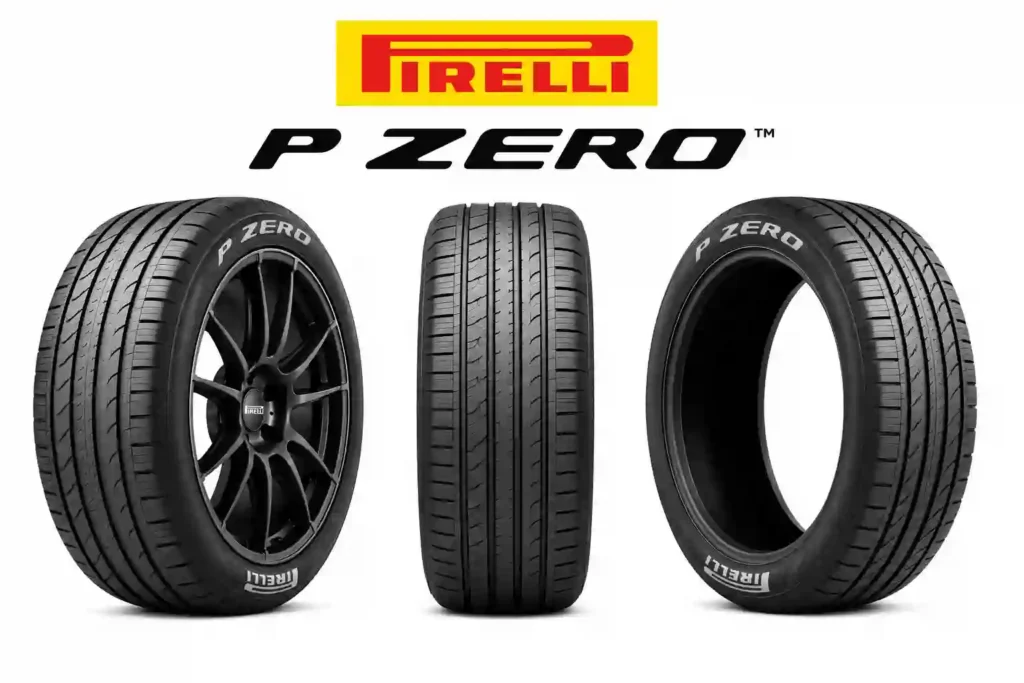
Performance Overview and Rubber Compounds
The rubber blend makes a huge difference in how a tire drives. Soft rubber grips well but wears out fast. Hard rubber lasts long but slips more easily.
Both brands use very different recipes to build their tires. These recipes dictate how the tire behaves on the road.
The Pirelli P Zero Compound
Pirelli uses a sticky silica blend. Silica is a special sand mixed into the rubber. This makes the tire stick to the road like glue.
The soft rubber heats up fast. Once it gets warm, it offers crazy amounts of grip. But this soft blend also wears down very quickly.
The Bridgestone Alenza Compound
Bridgestone uses a harder polymer blend. This means the rubber is much tougher. It resists heat and slow wear over time.
It takes longer to warm up than the Pirelli. Because of this, it does not grip as hard off the starting line.
Dry Grip and Off-the-Line Acceleration
Dry grip is how well the tire sticks to dry roads. If you want to take off fast, you need great dry grip.
| Performance Test | Bridgestone Alenza | Pirelli P Zero |
| Off-The-Line Grip | 8.0 / 10 | 9.5 / 10 |
| Cornering Hold | 8.5 / 10 | 10 / 10 |
| Steering Feel | 7.5 / 10 | 9.5 / 10 |
| Dry Braking | 8.5 / 10 | 9.8 / 10 |
The Pirelli scores near perfect for dry roads. The Bridgestone is still very good, but it falls slightly behind in raw speed and cornering.
Launching from a Stop
When you step on the gas, the P Zero hooks up right away. You feel zero wheel spin. The engine power goes straight to the ground.
The Alenza can slip just a tiny bit if you have a very fast car. For normal daily driving, you will never notice this slip.
The “Why It Won” Justification
The Pirelli wins dry grip because it has a massive contact patch. A contact patch is the flat part of the tire that touches the road.
More rubber on the road means more grip. Pirelli designed the P Zero to lay as flat as possible to maximize this grip.
Cornering, Steering Response, and Apex Grip
Taking tight turns is where you really feel a tire work. Good steering response makes your car feel alive and sharp.
Both tires handle well, but they feel very different when you turn the steering wheel.
Tight Highway Ramps
I remember taking a heavy SUV on a tight on-ramp with the P Zero tires. The vehicle stayed totally flat and glued to the road.
When I drove the same ramp with the Alenza, the tires started to squeal early. They still held on, but they warned me to slow down.
Fast Lane Changes
The P Zero reacts instantly when you turn the wheel. The sidewall is very stiff, so the tire does not bend or roll.
The Alenza has a slight delay. The softer sidewall flexes a bit before the car moves. This makes the steering feel a little numb.
Braking Distance on Dry and Wet Pavement
Stopping fast can easily save your life. We test how many feet it takes to stop from 60 miles per hour.
| Speed to Zero | Bridgestone Alenza | Pirelli P Zero |
| 60 MPH (Dry) | 125 Feet | 110 Feet |
| 60 MPH (Wet) | 138 Feet | 130 Feet |
| Brake Fade | Mild | Very Low |
| Pedal Feel | Soft | Firm |
As you can see, the P Zero stops much shorter on dry roads. The soft rubber acts like an anchor on the pavement.
However, the gap closes a lot on wet roads. The Alenza does a great job stopping safely in the rain.
Wet Performance and Hydroplaning Resistance
Driving in heavy rain can be very scary. A good tire cuts through the water to find the solid road below.
Both tires are highly rated for wet safety. They just handle the water in different ways.
Driving in Heavy Rain
I once drove through a huge storm on the highway with the Alenza tires. The car felt totally stable at 65 miles per hour.
The P Zero also does well in the rain. However, the wide tread can float slightly if you hit a deep puddle at high speeds.
Hydroplaning Safety Check
Hydroplaning happens when water pushes your tire off the road. You lose all steering and brakes when this occurs.
Both tires use deep grooves to pump water away. They also use siping. Siping means tiny slits in the rubber that bite wet roads for extra grip.
High-Speed Stability and Track Capabilities
Going fast requires a tire that does not shake or wobble. Both of these tires are built to handle highway speeds with ease.
They stay round and balanced even when the speedometer climbs very high.
Highway Cruising Speeds
At 75 miles per hour, both tires feel very safe. The steering stays straight, and the car does not drift in the lane.
The Pirelli feels a bit more planted. The stiff build keeps it locked in a perfectly straight line.
Who Should AVOID Each Tire
Skip the P Zero if you just drive to work in heavy traffic. You will pay for high grip you never use, and they will wear out fast.
Skip the Alenza if you take your car to track days. They will overheat and lose grip after three hard laps.
Ride Comfort on Rough City Streets
Nobody likes a bumpy ride. High-performance tires are usually stiff, which makes them feel harsh on bad roads.
This is where the two tires show their biggest differences.
| Comfort Test | Bridgestone Alenza | Pirelli P Zero |
| Road Noise | Quiet | Loud Drone |
| Pothole Shock | Soft | Harsh |
| Highway Smoothness | Excellent | Good |
| Sidewall Flex | High | Low (Stiff) |
The Bridgestone Alenza wins the comfort test easily. It absorbs bumps much better than the stiff Pirelli.
Hitting Potholes
When you hit a pothole with the P Zero, you feel it in your teeth. The stiff rubber sends the shock right into the car cabin.
The Alenza soaks up the impact wonderfully. It acts like a second set of shocks for your vehicle.
Road Noise Levels at Highway Speeds
Loud tires can ruin a long road trip. Some tread patterns trap air and create a loud humming noise.
The Bridgestone Alenza is built to be quiet. The tread blocks are spaced out to cancel out road noise naturally.
The P Zero can get loud on concrete highways. The wide, sticky tread slaps the ground and makes a steady drone.
“A loud tire only gets louder as it wears down. Always pick a quiet tire if you commute more than 30 miles a day.”
Tread Life for High-Performance Rubber
High-performance tires are famous for dying young. Soft rubber grips well, but it grinds away quickly on the asphalt.
The UTQG rating is a government score for how long a tire lasts. Higher numbers mean a longer tire life.
| Life Expectancy | Bridgestone Alenza | Pirelli P Zero |
| UTQG Rating | 400 – 800 | 220 – 280 |
| Mileage Warranty | Up to 80,000 Miles | None / Limited |
| Real-World Miles | 45,000+ Miles | 15,000 – 20,000 Miles |
| Wear Speed | Slow and Even | Very Fast |
The Bridgestone Alenza clearly outlasts the Pirelli. The P Zero wears out very quickly, especially if you drive hard.
“I have seen P Zero tires bald in under 20,000 miles. You are buying them for maximum grip, not for a long lifespan.”
Price vs Performance Value Breakdown
Tires are a big financial investment. You need to look at the upfront cost and how often you will have to replace them.
Sometimes the cheaper tire ends up costing more over five years.
| Cost Breakdown | Bridgestone Alenza | Pirelli P Zero |
| Upfront Price | High | Very High |
| Long-Term Value | Excellent | Poor |
| Cost Per Mile | Low | High |
| Best Value For | Daily Driving | Track Days |
The Pirelli costs more upfront. Because it wears out much faster, the long-term cost is also significantly higher.
Upfront Tire Costs
A set of four P Zero tires will usually cost more than the Alenza. You are paying for top-tier racing technology.
The Alenza is still a premium tire. However, it usually prices out slightly cheaper than the Italian brand.
Long-Term Value
The Alenza gives you much better value per mile. You will likely buy two sets of P Zeros for every one set of Alenzas.
If you care about your wallet, the Bridgestone is the absolute smartest choice.
Comprehensive Pros and Cons List
It helps to see all the good and bad points in one place. Here is the final breakdown of both tires.
Every tire is a compromise. You must decide what features matter most.
| Tire Model | The Biggest Pros | The Biggest Cons |
| Bridgestone Alenza | Smooth ride, quiet, lasts forever | Less dry grip, slower steering |
| Pirelli P Zero | Crazy dry grip, fast stops, sharp turns | Wears out fast, rough ride, loud |
You have to give up long tread life to get insane dry grip. You also have to give up sharp steering to get a soft, quiet ride.
Choose the tire that fits your daily driving habits best.
Which Performance Tire Is Actually Better?
There is no single best tire for everyone. The right choice depends purely on how you drive your car.
Look honestly at your commute and your driving style.
Best for Aggressive Drivers
If you take corners fast and love to feel the road, buy the Pirelli P Zero. It is an amazing performance tire.
It gives you the total confidence to push your car harder. Just be ready to buy a new set very soon.
Best for Daily Commuters
If you just want a safe, smooth, and quiet ride to work, buy the Bridgestone Alenza. It is the better daily tire.
It still handles great, but it will not punish you over bumps or drain your bank account quickly.
Final Verdict: The Best Choice for Enthusiasts
The Pirelli P Zero takes the crown for pure performance. It offers unmatched dry grip and steering response for fast drivers.
However, the Bridgestone Alenza is the more practical choice for almost everyone else on the road.
Go check the tire placard inside your driver door right now. Find your exact tire size, measure your current tread depth, and order the Bridgestone Alenza for a smoother, longer-lasting ride.
FAQ for Bridgestone Alenza vs Pirelli P Zero
Are Pirelli P Zero tires good in rain?
Yes, they perform very well in the rain. Wide grooves push water away to easily stop you from hydroplaning.
How long do Bridgestone Alenza tires last?
They usually last between 40,000 and 50,000 miles. This depends largely on how hard you drive and tire rotation.
Can I drive P Zero tires in snow?
No, standard P Zeros are strictly for summer. They will crack and slide if driven in freezing snow conditions.
Why are P Zero tires so expensive?
They use expensive racing technology and soft rubber blends. You are paying for top-tier sports car handling.
