
10 Best Car Seat for Plane: Expert Picks for Safe, Comfortable Air Travel

Car seats for planes let parents keep kids safer and more comfortable during flights. They range from full-size convertible seats to lightweight, FAA-approved harnesses and travel boosters. Many travelers pick a compact, certified car seat that fits airplane seats, installs with a seat belt or latch, and folds or carries easily for airports.
Buying the right plane car seat means checking FAA approval, size and weight, and how it fits both your child and the airplane seat. FAA approval and correct fit for your child are the most important factors when choosing a car seat for air travel. We tested and compared several FAA-approved seats, focusing on safety, ease of installation, and travel-friendly features to find the best options for different kinds of trips.
Best Car Seats for Planes
We tested and reviewed car seats that work well on airplanes to help you pick the right one. Our list focuses on safety, ease of use, and FAA approval so you can travel with less worry.
WAYB Pico

We recommend the WAYB Pico if you want a truly lightweight, foldable car seat that fits overhead bins and is FAA approved.
Pros
- Extremely light and easy to carry.
- Folds small enough for overhead storage.
- Feels well made with a solid aluminum frame.
Cons
- Forward-facing only, so it’s not for infants.
- Some kids may find the seat narrow on long trips.
- Returned/open-box seats must be destroyed per safety rules.
We took this on a recent flight and a few car rides. Carrying the Pico through the airport felt effortless at about 8 pounds. The folding action is quick and the included carry bag kept it tidy while we walked to the gate.
Strapping a child in was simple and fast. The 5-point harness felt secure and the mesh cover kept our child cool on a warm day. We noticed the seat sits narrower than some full-size car seats, so smaller bodies fit best.
Installation in a car was straightforward using LATCH, and the FAA approval gave us peace of mind on the plane. If you often travel by air or rideshare and need a compact solution, this seat makes travel easier without adding much bulk.
Buy the WAYB Pico on Amazon: WAYB Pico
BubbleBum Inflatable Booster
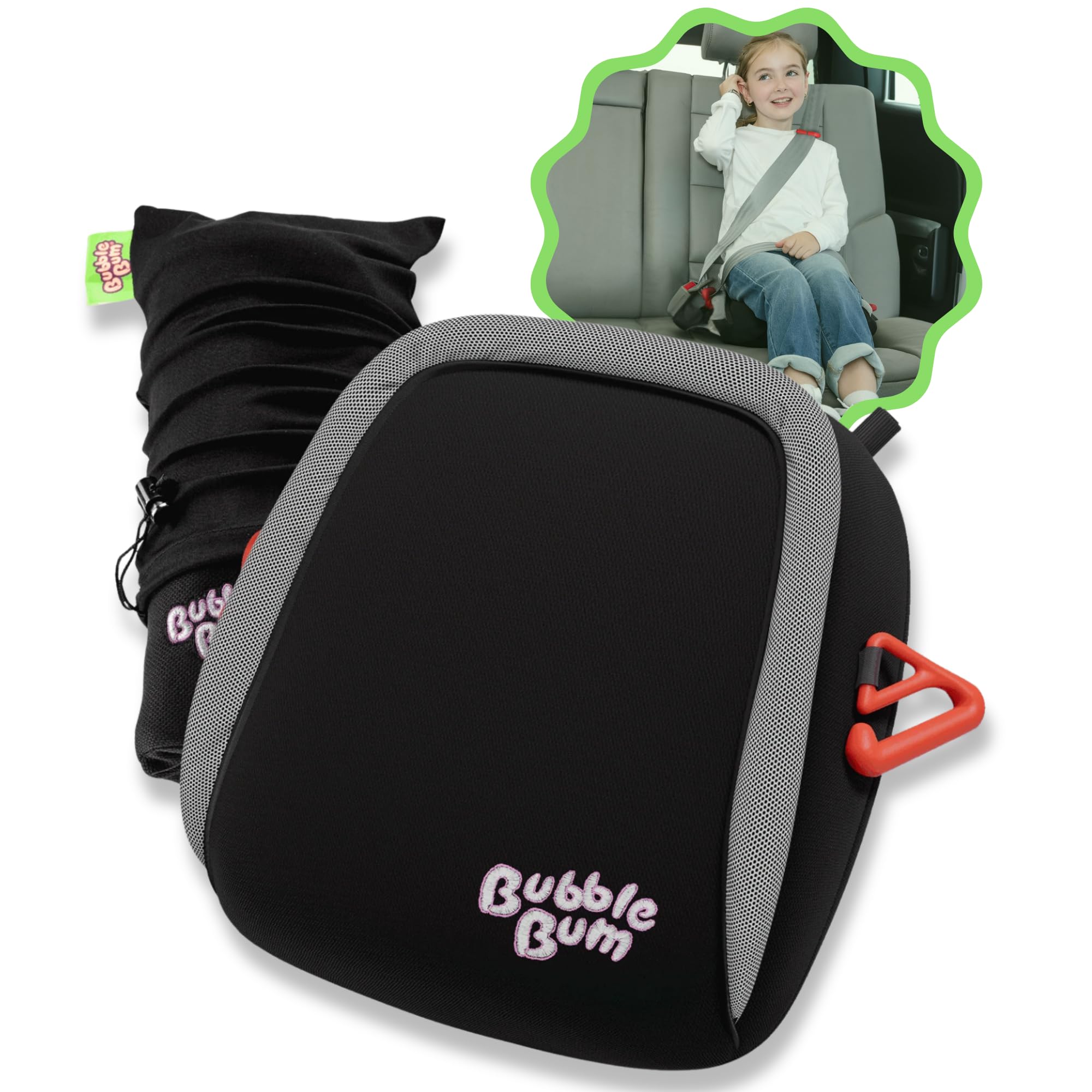
We recommend this if you need a truly portable, easy-to-store booster for travel and short trips.
Pros
- Packs down tiny — fits in a suitcase or backpack.
- Soft cushion — kids sit more comfortably on long rides.
- Space-saving — lets three kids fit across many back seats.
Cons
- Not for very young or small children — needs minimum weight/height.
- Requires inflation before use — one more step at the airport.
- Backless design offers less side support than high-back seats.
We took this on a road trip and to the airport. Inflating and stashing it felt simple, and it slipped into my carry bag without adding bulk.
Our child seemed more relaxed than on a hard plastic booster. The soft seat reduced fussing on longer drives and kept them comfortable in rental cars.
We noticed the belt fit well when installed correctly, but we stayed alert because the booster is backless. For flights and taxis, its compact size made travel much easier.
Overall, we liked how light and packable it is for travel. If you regularly switch cars or fly with a child who meets the size limits, this booster makes trips simpler.
Graco SnugRide Lite LX

We recommend this seat for travel if you want a very light, easy-to-carry infant car seat that still installs securely.
Pros
- Extremely light to carry between car and gate.
- Simple base with a clear level indicator for fast installs.
- Attaches to many Graco strollers for easy travel system use.
Cons
- Thin padding feels less plush on long flights.
- Canopy rotation is handy but not very large.
- Limited to infant size range only, so you’ll need a new seat later.
We flew with this seat and noticed the first thing: it’s light. Carrying a sleeping baby through airports felt easier than with heavier seats. The inside fit kept our infant snug, and the two-piece head and body supports made short naps on the plane comfortable.
Installation in rental cars and taxis proved quick. The level indicator took guesswork out of angling the base, and we liked switching between seat belt and LATCH when needed. Snapping it onto a Graco stroller was smooth, which made moving through terminals less chaotic.
On a long travel day the padding showed its limits. Our baby still slept, but we wished for softer cushioning for multi-leg trips. The canopy gave enough shade but didn’t cover as much as larger models. Overall, this is a smart pick when weight and quick installs matter most.
Hiccapop UberBoost
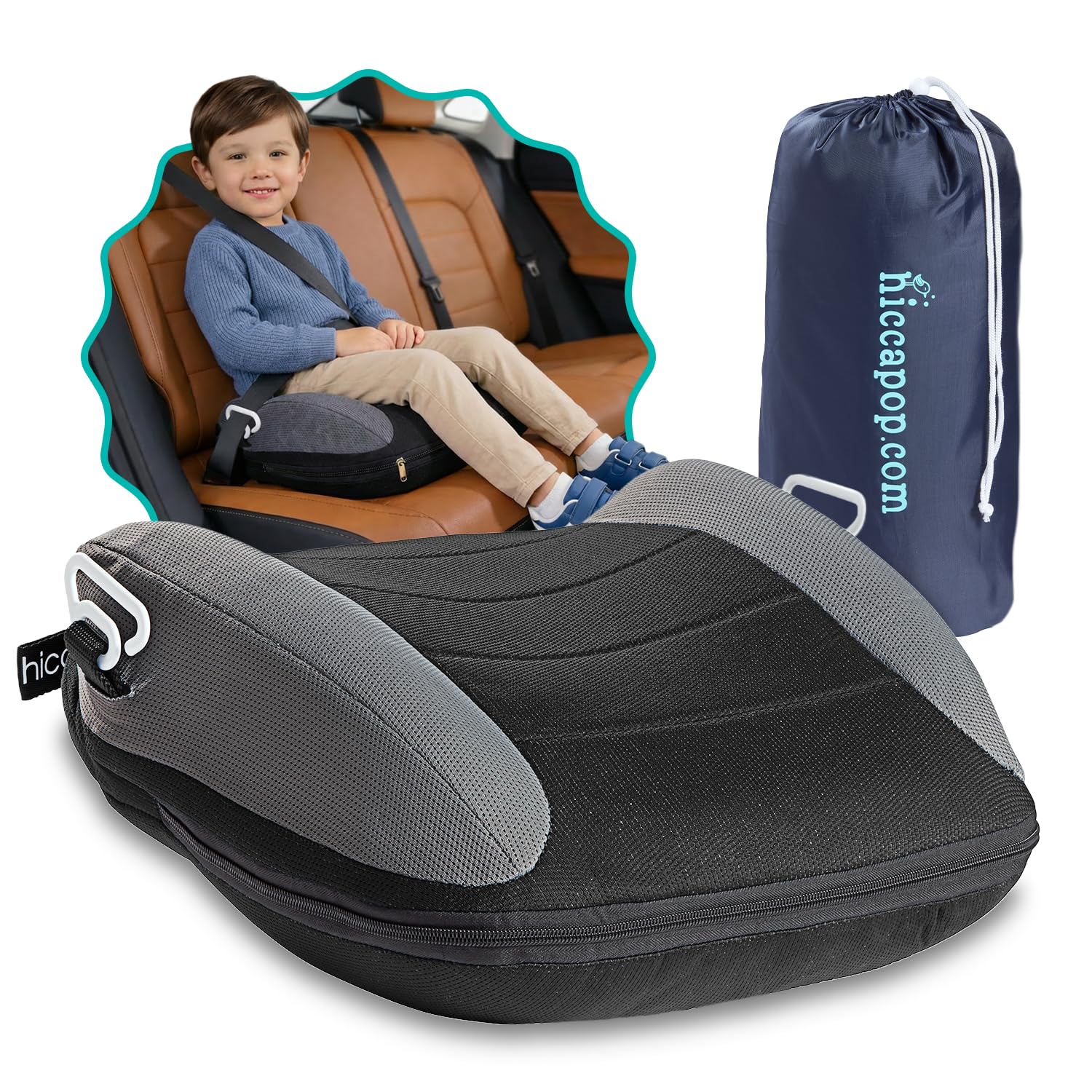
We recommend this if you want a very packable, easy-to-use booster for travel and short car rides.
Pros
- Packs down tiny and inflates in seconds.
- Light and narrow—fits between other seats or in small cars.
- Cushiony feel keeps kids comfortable on short trips.
Cons
- Not for long highway trips or kids who need high-back support.
- Requires inflating and a carry bag to keep it clean.
- Belt routing can feel fiddly the first few times.
We used the UberBoost on a few trips and found it saves a lot of space. It really does blow up in under 20 seconds and fits in a carry-on. The cushion felt soft for our kids on quick rides.
Installation was straightforward: we popped it on the seat, routed the vehicle belt, and tightened. The non-skid base helped it stay put on leather seats, though we avoided long drives because it lacks head support.
Bringing this on planes and in rental cars made travel simpler. It’s ideal for taxis, rideshares, and short drives with older toddlers who meet the weight and height limits. For full safety on long highway trips, we would pick a traditional high-back seat instead.
Doona All‑In‑One Car Seat & Stroller
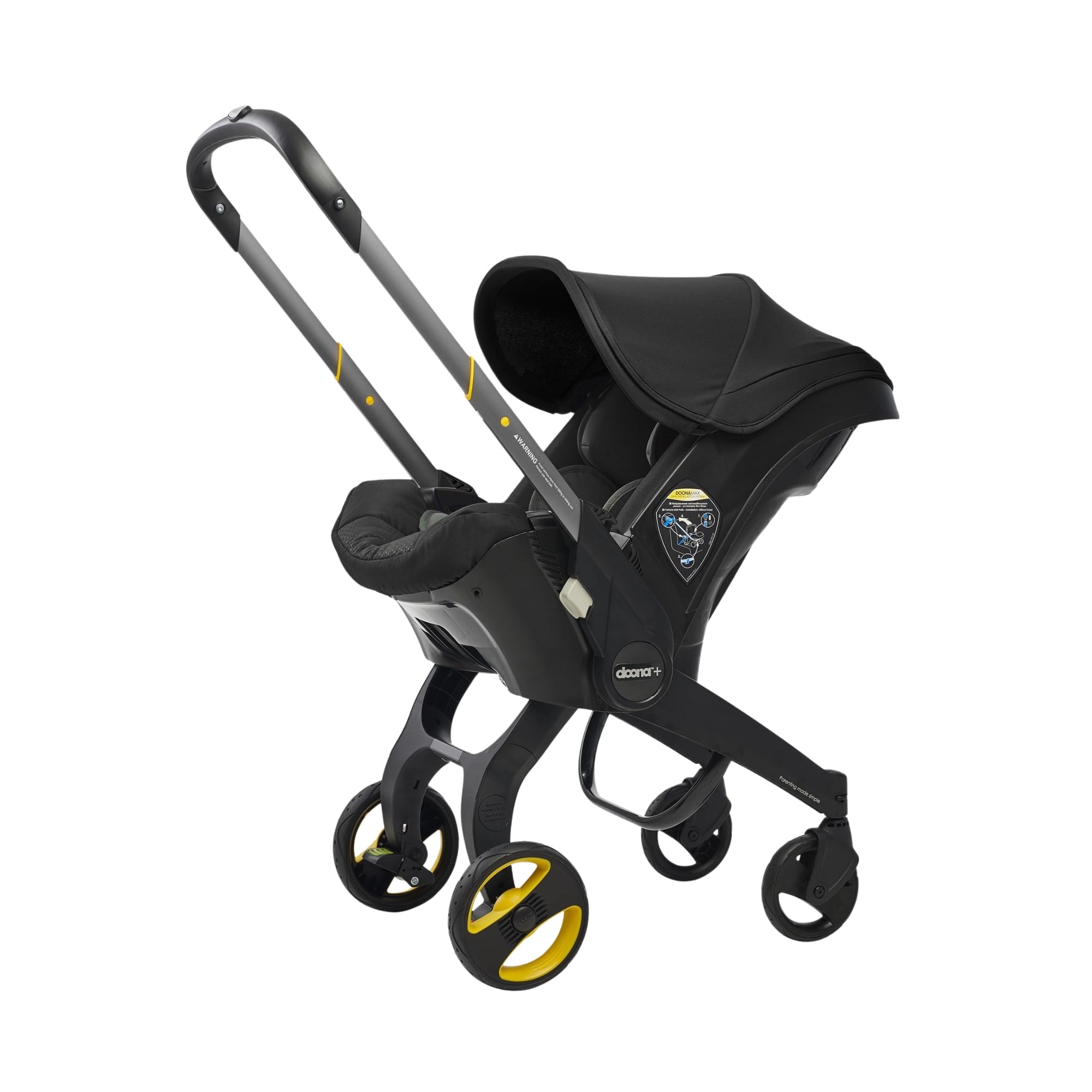
We recommend this if you want a true grab‑and‑go car seat that turns into a stroller without extra gear.
Pros
- Converts to stroller in seconds, saves time and hassle.
- Compact fold works well in tight airport aisles and overhead bins.
- Solid build with good newborn support and easy one‑hand handling.
Cons
- Heavier than many infant seats when carrying for long walks.
- Wheels add bulk when checking at the gate or loading luggage.
- Higher price than basic rear‑facing seats.
We used the Doona on a recent trip and liked how quickly we moved from car to plane and through the terminal. The one‑click transform felt reliable, and our baby stayed asleep through the switch. That made boarding less stressful.
Toting the unit through airport security was simple, but carrying it for long periods got tiring. The built‑in wheels are helpful, yet they make the seat heavier than other infant carriers. We still preferred it over juggling a separate stroller and car seat.
Installation in the car was straightforward and the handlebar served well as a grab point when lifting. The infant insert gave good neck support for short flights, though very small newborns may need added padding for long trips. Overall, we found Doona fast, practical, and worth considering for frequent flyers.
RideSafer Gen 5 XS — Travel Vest Car Seat
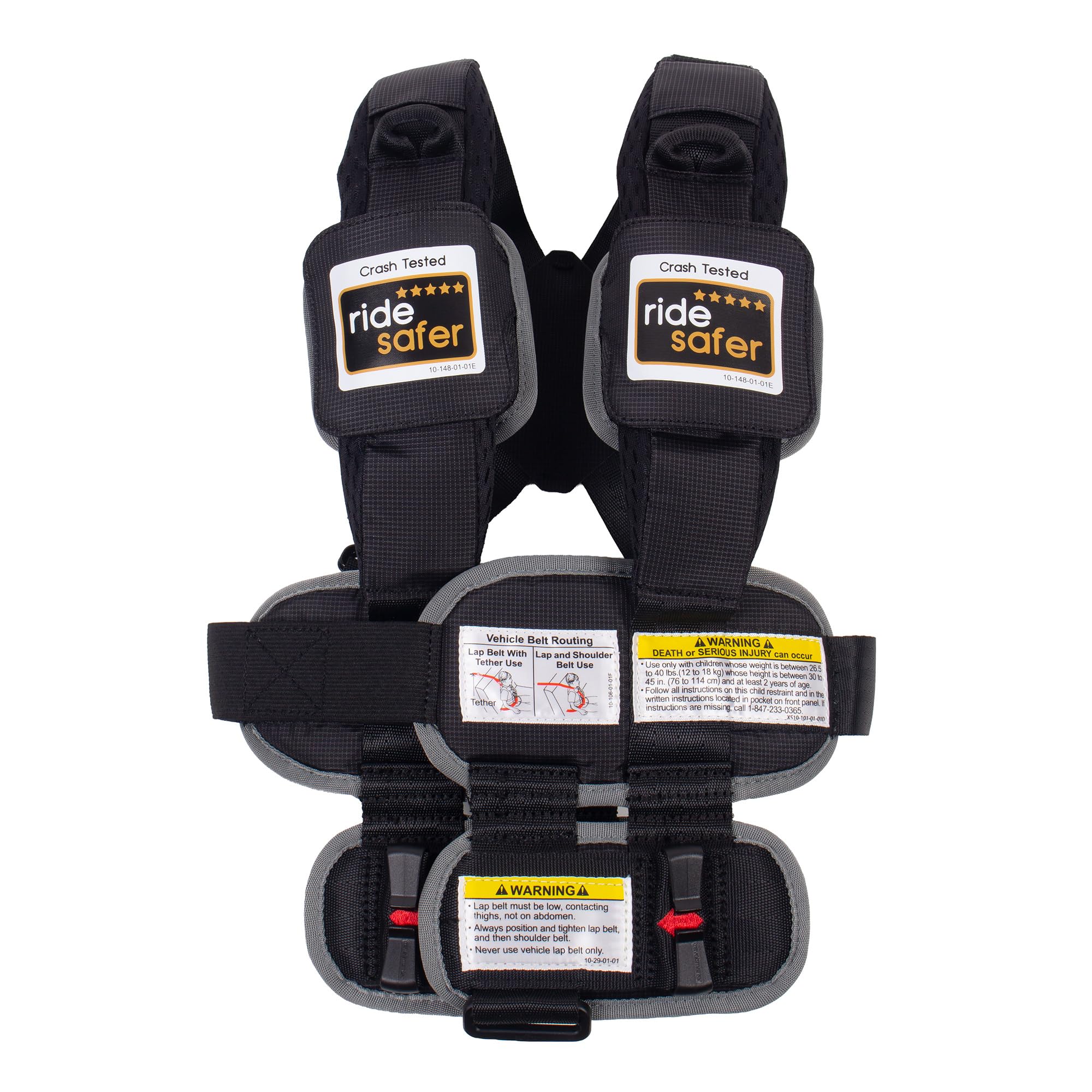
We recommend this if you need a very light, easy-to-carry child restraint for short trips and rideshares, but not for airplane use.
Pros
- Extremely portable and light, easy to pack and carry.
- Fast to put on and takes up little space in a car or bag.
- Lets small children ride using the adult seat belt positioned better.
Cons
- Not FAA approved for aircraft use.
- Fits only a narrow weight/height range in the XS size.
- Requires proper tether or lap belt setup for best safety.
We tried the RideSafer vest on short car trips and travel days. Putting it on felt quick compared with hauling a booster seat through an airport. The vest folds down small and barely added weight to our carry bag, which made getting in and out of taxis and rental cars much easier.
Using the adult belt with the vest did improve how the belt sat across our child’s shoulder and lap. Installation in different vehicles varied; some seats needed the top tether to be positioned just right. When the tether and belt were set up correctly, the vest felt secure and the child was comfortable for an hour-plus ride.
We want to stress the vest is not allowed on airplanes, so plan another option for air travel. For everyday car use, rideshares, or multi-child rows where space matters, the RideSafer vest made travel simpler while still giving us confidence the child’s belt fit better than without it.
Graco Extend2Fit
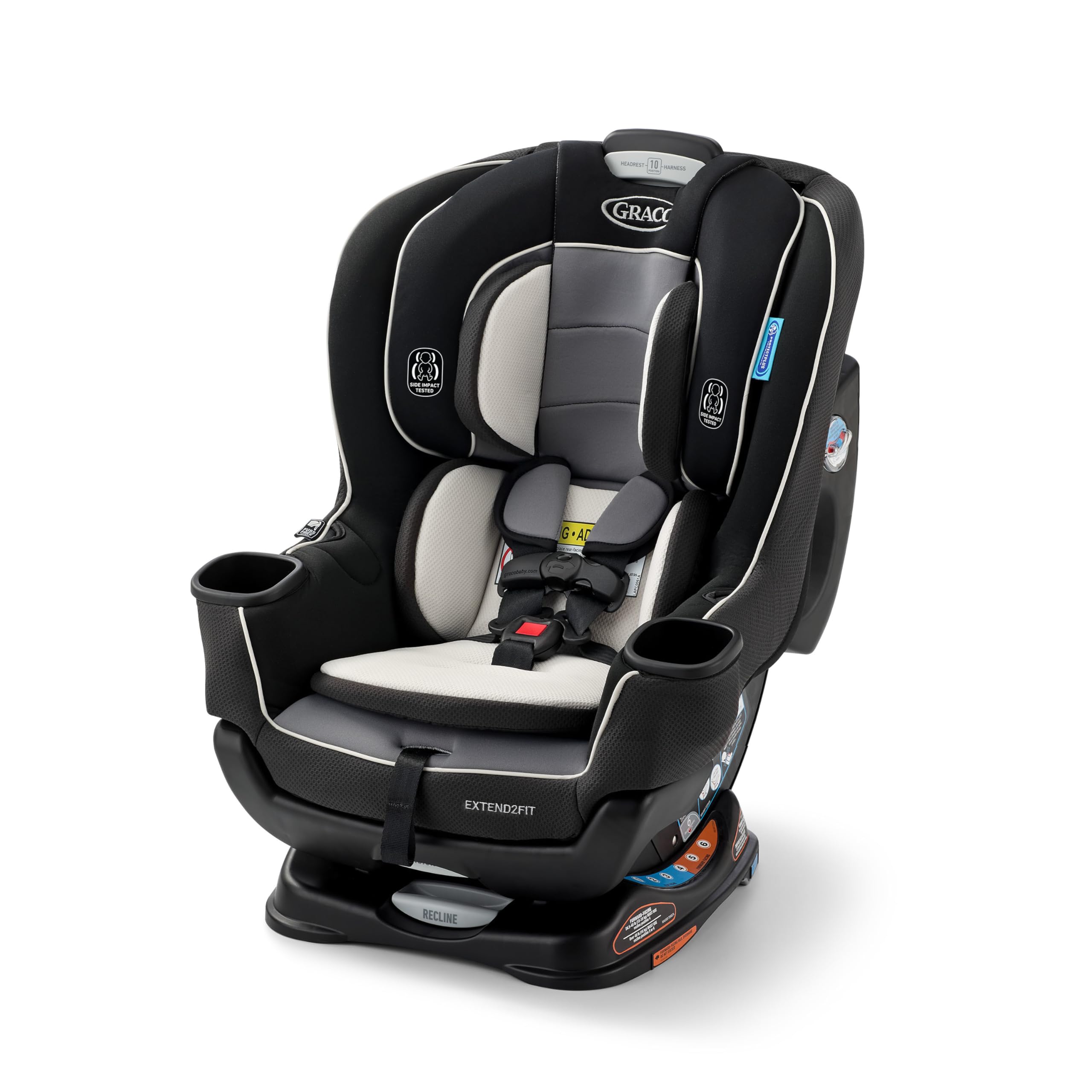
We recommend this seat if you want extra rear-facing time and a simple harness adjustment.
Pros
- Extra legroom for longer rear-facing use
- Easy one-motion headrest and harness adjustment
- Solid safety features and easy LATCH installation
Cons
- Bulky to carry through airports
- Fabric can show dirt after travel
- Heavier than infant-only seats
We used this seat on a recent plane trip and found the extra legroom made long rides calmer. Our toddler could stretch a bit without us worrying about outgrowing the rear-facing limit too soon.
Installing it in the rental car and on the airplane felt straightforward. The InRight LATCH clicked quickly in the car. On the plane, the size meant we had to plan ahead to fit it in the aisle without blocking others.
Adjusting the harness was the best part for us. The headrest and straps moved together, so we didn’t fumble with rethreading. That saved time while juggling luggage and a cranky child.
Take into account the weight if you expect to carry it through security and gates. We checked size and decided to gate-check it sometimes, which protected it and kept our arms free.
Overall, this seat gave us peace of mind on longer trips because our child stayed rear-facing longer and the harness changes were quick. It worked well for travel when we planned for its bulk.
Diono Solana Lite
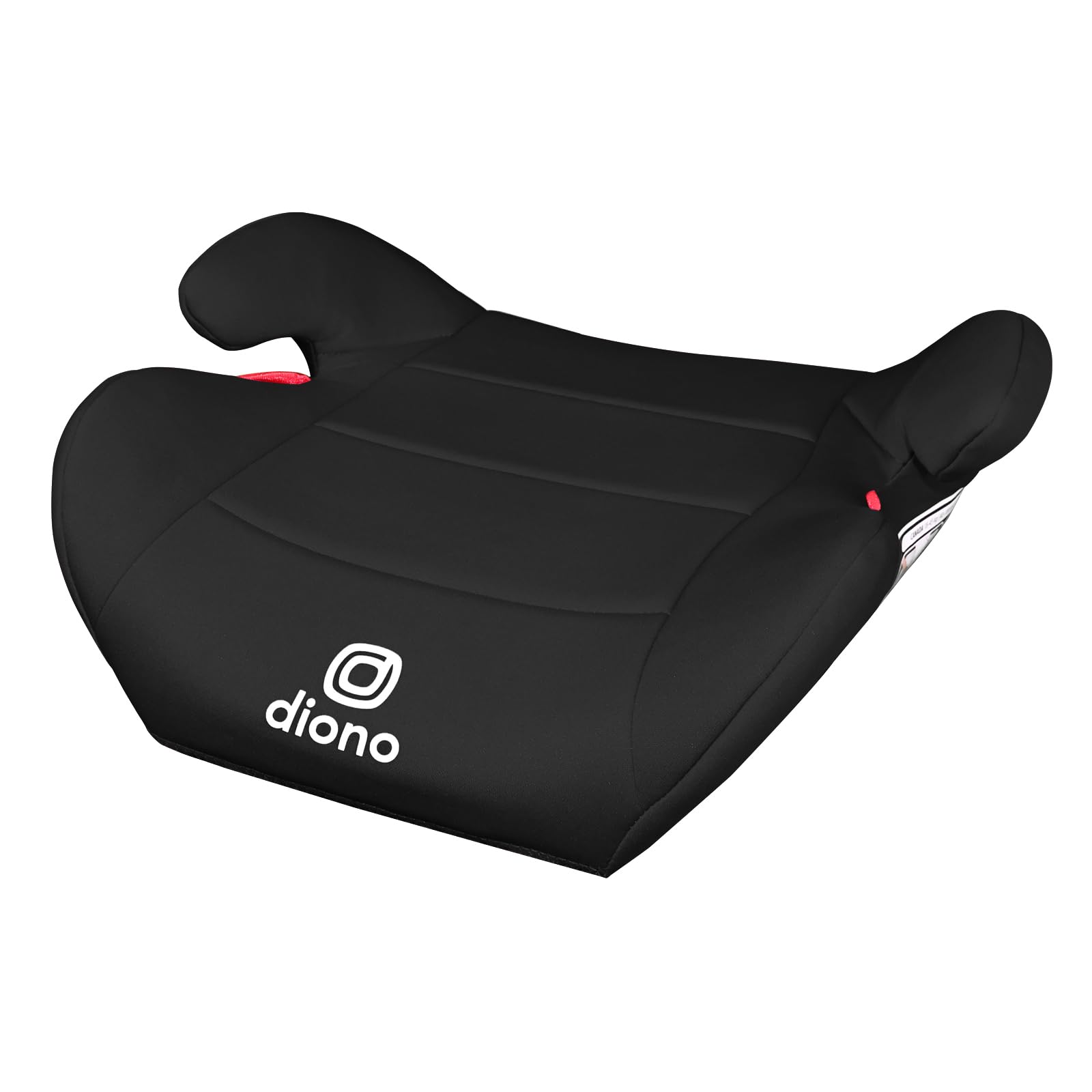
We recommend this booster if you want a very light, easy-to-carry seat for travel and short trips.
Pros
- Extremely lightweight and easy to lift or clip to a backpack.
- Narrow design fits three across most car seats.
- Simple washable cover keeps it tidy after spills.
Cons
- Backless design gives less head support on long flights.
- Limited padding feels firm for longer naps.
- Required seat belt fit can vary by airplane seat shape.
We used the Solana Lite on a recent family trip and found it almost effortless to bring through the airport. Carrying it with one finger lived up to the claim; clipping it to our bag saved space and hands while we moved.
Strapping it into an airplane seat felt quick and familiar. The booster kept the lap belt low and the shoulder belt in a better spot for our child’s height, which made us feel more secure than relying on the seat belt alone.
The low back means less support when our child tried to sleep on the plane. For short flights and rental cars it worked well, but for long-haul trips we wished for more head and side cushioning.
Britax UpNGo Click Booster
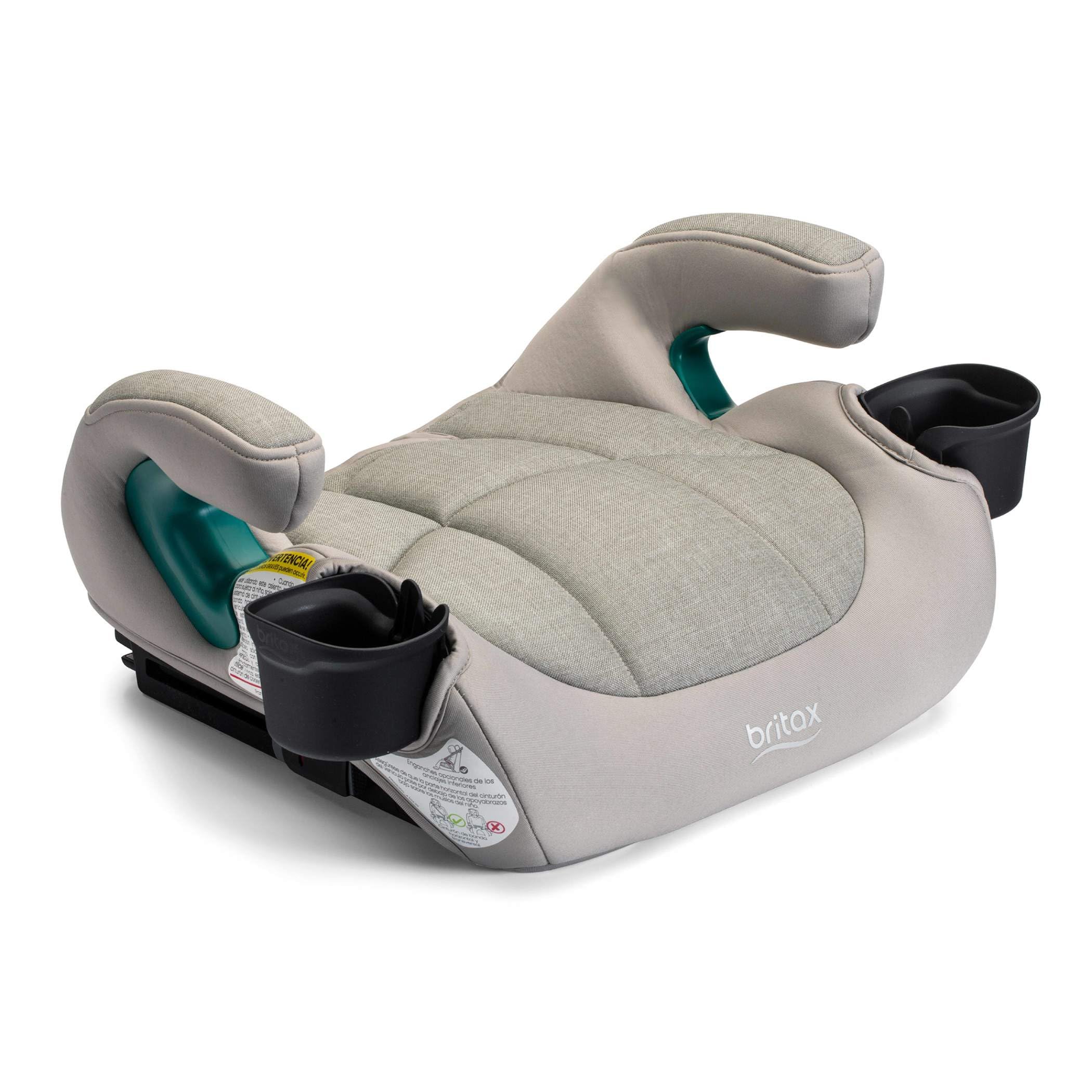
We recommend this booster if you want a light, slim seat that’s easy to move between cars and keeps kids sitting tall.
Pros
- Very easy to click in and remove with rigid LATCH.
- Slim footprint fits well in tighter back seats.
- Comfortable padding and armrests for longer rides.
Cons
- No high-back support for younger kids who want head support.
- Not the best choice for very tall kids near the 63″ limit.
- Cup holders can pop out during rough handling.
We used this booster on a weekend trip and liked how fast it moved from our car to a grandparent’s vehicle. The rigid LATCH made installation a one-click task, and the built-in handle made carrying it simple when the child wanted to bring it into the house.
On shorter trips our child sat more upright thanks to the PosturePlus contour and shoulder belt guide. The seat felt light under our arm and didn’t crowd the middle seat, so carpools felt less cramped.
We noticed the low back means less head support on long flights or naps in a car seat, so we packed a small travel pillow. The washable cover and dishwasher-safe cup holders saved time after snacks, but one holder came loose after tossing the booster in the trunk.
Peg Perego Viaggio Flex 120
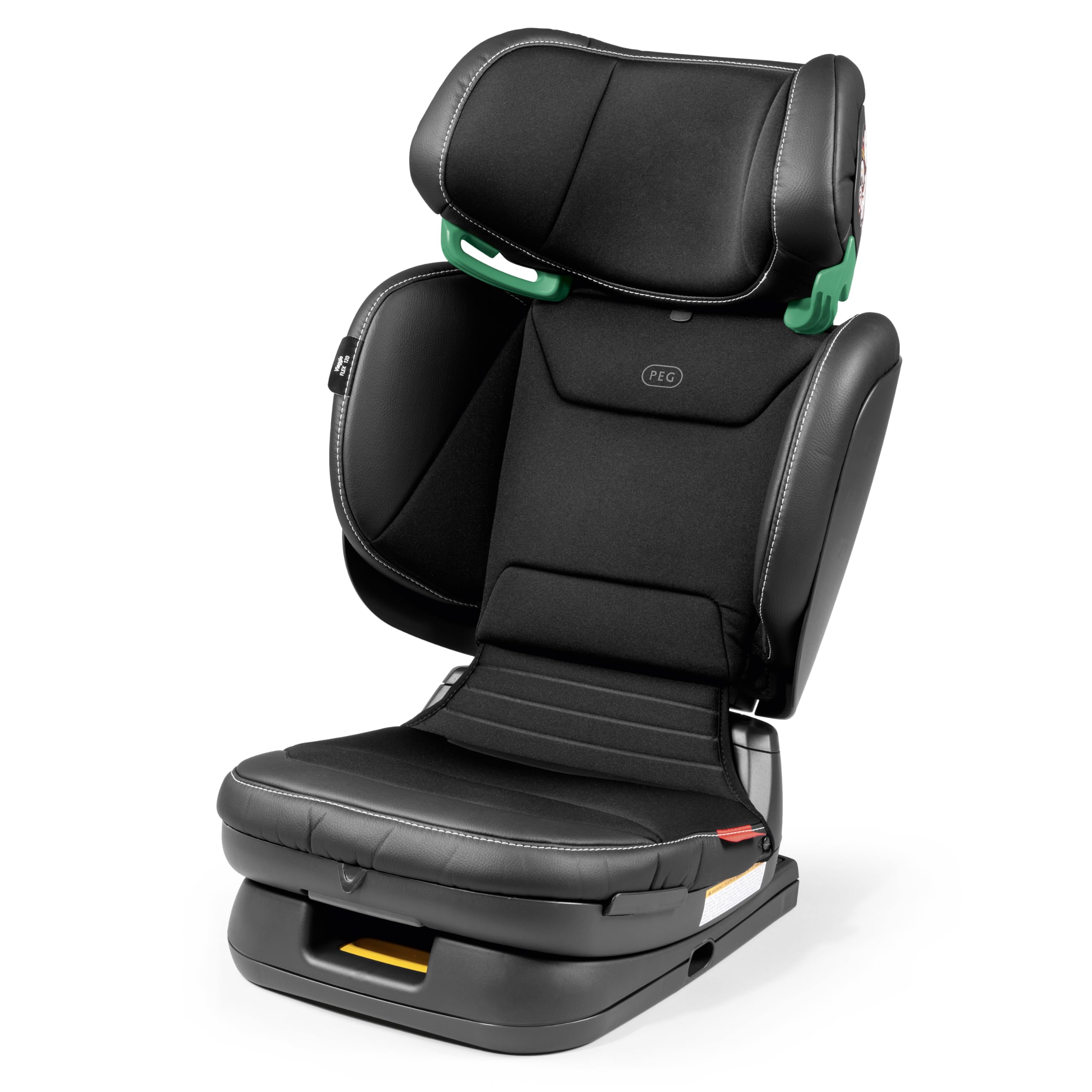
We recommend this booster if you want a travel-friendly seat that adjusts as your child grows and folds for easy carrying.
Pros
- Highly adjustable for long-term use
- Folds compactly for travel and storage
- Solid build with good side-impact protection
Cons
- Heavier than many travel boosters
- No armrests can feel less cozy for some kids
- A learning curve to fold and stow the latch
We used this seat on a recent family trip and liked how many ways it adjusts. The headrest, backrest, side wings, and recline each move on their own, so we set it for naps and then loosened it for meals. It felt sturdy and kept our child comfortable during long drives and a few airport layovers.
Carrying the seat through the terminal felt easier than expected because it folds flat and the latch tucks away. Still, at about 14 pounds it’s not the lightest option, so plan to wheel your bags or use a stroller for longer walks. Installing with the rigid LATCH gave us a snug fit fast, though folding back the latch took a little practicing.
We appreciated the reinforced backrest and energy-absorbing foam; the seat felt reassuringly solid in tight airplane seating. Cup holders were handy on the road but nearly useless on a plane. Overall, the Viaggio Flex 120 works well for families who want a durable, adjustable booster that also packs down for travel.
Buying Guide
We look for a car seat that fits plane travel needs and keeps our child safe and comfortable. Prioritize FAA approval or clear guidance that the seat can be used on aircraft. Check the airline’s rules before booking.
We focus on weight and size. Lightweight seats are easier to carry and fit into tight airplane rows. Measure seat dimensions and compare them to the aircraft seat width.
We inspect installation options. Seats that install with a vehicle seat belt or with lower anchors (LATCH) may work, but airlines often prefer belt installation. Look for a clear, easy-to-follow installation path and a visible indicator that shows proper fit.
We pay attention to harness type and age/weight limits. A five-point harness offers better restraint for young children. Confirm the seat’s weight and height limits match our child’s size now and for upcoming trips.
We value ease of cleaning and quick folding. Removable, washable covers help after spills. Seats that fold compactly or come with a travel bag save space.
We check build quality and materials. Strong shell construction and impact-absorbing foam matter. Also look for breathable fabric for long flights.
We consider comfort features and extras. Padded head support, recline options, and adjustable harness height improve the child’s experience. However, avoid extra features that add bulk without clear benefit.
We compare warranties and customer support. A clear warranty and responsive support help if we need replacement parts or installation help.
Editor’s Choice
We picked the Clek Liing as our top car seat for plane travel. It balances safety, ease of use, and compact size better than the others we tested.
The Liing installs quickly with a lap belt and fits well in most airplane seats. It is narrow enough to give extra elbow room, and the anti-rebound bar helps stabilize the seat during flight.
We like the machine-washable fabric and the simple harness adjustments. Those features save time and make travel less stressful for parents.
Key specs at a glance:
- Age/weight: Rear-facing for infants (4–22 lb) and forward-facing for toddlers.
- Width: Narrow profile that fits most plane seats.
- Extra: FAA-certified for use in flight.
We also considered alternatives for different needs. For lightweight carry-ons, we recommend a travel-specific harness; for long trips, a seat with extra padding gives better comfort.
We chose the Liing because it meets FAA rules, installs fast, and keeps the child secure without taking up too much space. It’s the best blend of practicality and protection for most families flying with young children.
Conclusion
We found that the right car seat for plane travel balances safety, FAA approval, weight, and ease of use. Safety is our top priority, and FAA approval plus correct installation matter most.
We recommend choosing a seat that fits your child, your aircraft, and your travel style. Lightweight, compact options suit frequent flyers; larger convertible seats work for longer trips and older children.
We suggest checking airline policies and measuring the airplane seat before travel. Bring the manual, practice installation at home, and arrive early to allow time for proper setup.
We created a quick checklist to help decide:
- Child age/weight: Match seat limits.
- FAA approval: Required for in-flight use.
- Size/fit: Measure airline seat width.
- Portability: Consider weight and carry case.
- Ease of installation: Look for clear harness and belt routing.
We encourage testing the seat in the car and practicing installs. That builds confidence and reduces stress at the gate.
We stand by seats that combine proven safety with practical travel features. Use the checklist and your priorities to pick the best option for your family.
FAQS
Q: Can we use any car seat on a plane?
No. We must use car seats that have a FAA approval label or are listed as certified for aircraft use. Most forward-facing and convertible seats with a five-point harness work, and many rear-facing seats do too.
Q: How do we install a car seat on an airplane?
We either use the airplane seat belt through the car seat base or attach the tether if the plane allows it. We read the car seat manual and the airline’s rules before flying to avoid surprises.
Q: Do we need to buy a separate airplane ticket for the child?
If we want the child to sit in their own seat, most airlines require a ticket for children over 2 years old. For infants under 2, we can often lap sit or buy a seat for the car seat.
Q: Will the car seat fit in the airplane seat?
Not always. We check dimensions of the airplane seat and the car seat. Narrow economy seats may not fit wider models, so we measure ahead of time.
Q: Can we bring a car seat as carry-on?
Yes, we can carry it onboard if gates allow it and space is available. We also can gate-check the seat at no charge on most airlines.
Q: Is it safer to use a car seat on a plane?
Using an approved car seat adds safety during turbulence or sudden stops. We follow FAA guidance and use the seat when possible.
Q: Where can we find FAA-approved lists?
We look at the car seat label, the manufacturer’s website, and airline policies for confirmation.
