43 Percent Window Tint Explained

Contents
- 1 Key Takeaways
- 2 📑 Table of Contents
- 3 What Does “43 Percent Window Tint” Actually Mean?
- 4 Why 43% is the “Sweet Spot” for BMW Owners
- 5 Legal Landscape: Is 43% Tint Legal in Your State?
- 6 The Tangible Benefits of a 43% Tint on Your BMW
- 7 Installation Deep Dive: DIY vs. Professional for Your BMW
- 8 Maintenance and Longevity: Keeping Your Tint Perfect
- 9 Conclusion: The Balanced Choice for a Discerning Driver
- 10 Frequently Asked Questions
Car Wash Mitt

Car Wireless Charger Mount

Liquid Car Polish

Car Cup Holder Expander
A 43% window tint means 43% of visible light passes through the glass, making it a very light, subtle shade. For BMW owners, this percentage is often the perfect “factory-like” tint that provides noticeable UV and heat protection while staying legally compliant in most areas for front side windows. It enhances comfort and aesthetics without the dark, limousine-style look of lower percentages.
Key Takeaways
- VLT is the Key: 43% refers to Visible Light Transmission, meaning 43% of light gets through. Lower numbers are darker.
- The “Sweet Spot” for BMWs: It offers a clean, stock appearance that complements BMW’s design while adding real functional benefits.
- Usually Legal for Front Sides: In many states, 43% meets the minimum legal requirement for front driver/passenger windows, but always verify your local laws.
- Major UV & Heat Shield: It blocks over 99% of harmful UV rays and a significant portion of infrared heat, protecting your interior and skin.
- Glare & Privacy Reduction: It noticeably cuts down on glare from headlights and sunlight while providing a modest increase in privacy.
- Professional Installation Recommended: For the complex curves of BMW windows (like the 3 Series or X5), a professional ensures a flawless, lasting finish.
- Not a “Limo” Tint: You will have clear visibility day and night, inside and out, avoiding the safety and legal issues of dark tints.
📑 Table of Contents
- What Does “43 Percent Window Tint” Actually Mean?
- Why 43% is the “Sweet Spot” for BMW Owners
- Legal Landscape: Is 43% Tint Legal in Your State?
- The Tangible Benefits of a 43% Tint on Your BMW
- Installation Deep Dive: DIY vs. Professional for Your BMW
- Maintenance and Longevity: Keeping Your Tint Perfect
- Conclusion: The Balanced Choice for a Discerning Driver
What Does “43 Percent Window Tint” Actually Mean?
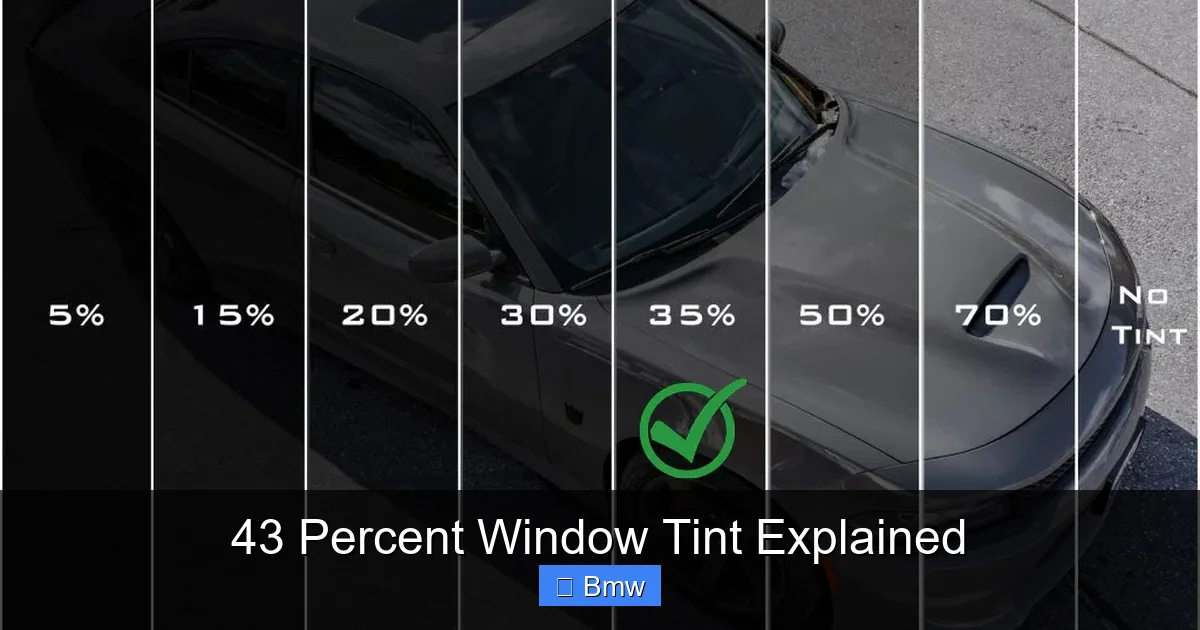
Let’s clear up the biggest mystery right away. That “43 percent” number refers to the film’s Visible Light Transmission (VLT). Think of it as a light gatekeeper. A 43% VLT tint allows 43% of the sun’s visible light to pass through your car’s window. The other 57% is reflected or absorbed by the tint film. The lower the percentage number, the darker the tint. So, a 5% “limo” tint only lets in 5% of light, making it extremely dark. A 70% tint is very light, barely noticeable. Right in the middle, 43% sits in a special category: it’s a light tint that does real work.
Here’s a crucial point many get wrong: the percentage is measured for the combined system. If your BMW’s factory glass already has a slight tint (many do, often around 75-80% VLT), and you add a 43% film, the final result will be darker than 43%. The tint film’s percentage is tested on clear glass. So, for a BMW with factory-tinted glass, a 43% film might result in a final VLT of roughly 30-35%. This is why understanding your starting point is key. You can use a handy visualization tool to see how different layers combine.
How to “Read” Tint Percentages Like a Pro
When you’re shopping, you’ll see numbers like 50%, 35%, 20%. Here’s a simple cheat sheet for context:
- 70%+: Nearly clear. Primarily for UV protection with minimal darkening.
- 50%: A very light shade. Noticeable but not dark.
- 35%: A medium-light tint. A popular choice for a balanced look and function.
- 20%: A medium-dark tint. Good privacy, significant heat rejection.
- 5% (Limo): Extremely dark. Very poor visibility, often illegal for front sides.
43% falls between 50% and 35%. It’s darker than a typical “clear” UV blocker but much lighter than a “privacy” tint. This precise placement is what makes it so versatile and, for many BMW drivers, ideal.
Why 43% is the “Sweet Spot” for BMW Owners
BMW is a brand synonymous with a specific aesthetic: clean, sophisticated, athletic. The factory window treatment on most models (like the 3 Series, 5 Series, X3, X5) is intentionally very light, prioritizing visibility and a premium, open feel. Adding a dark, limo-style tint can sometimes clash with that original design language, making the car look heavy or aftermarket in a way that doesn’t suit the brand’s elegance.
Visual guide about 43 Percent Window Tint Explained
Image source: cdn.shopify.com
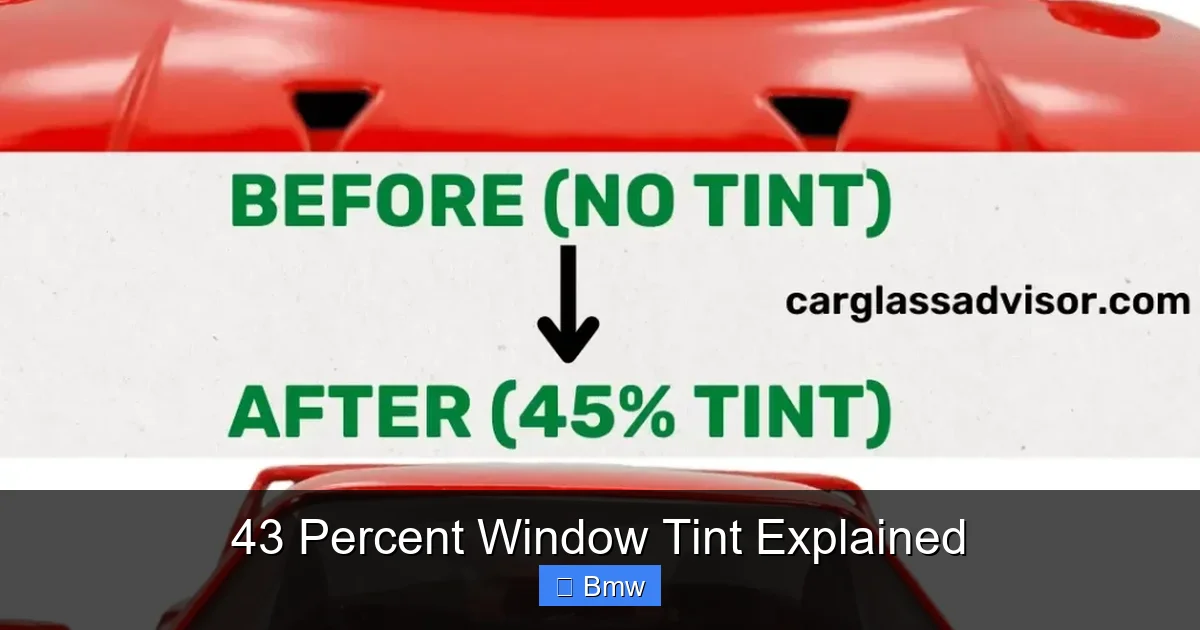
A 43% tint respects that factory design intent. It provides a subtle, uniform enhancement. From the outside, your BMW will look slightly deeper, richer, and more cohesive, but it won’t look like a taxi cab or a gangster’s ride. From the inside, you get a meaningful upgrade in comfort without feeling like you’re peering through a tunnel. It’s the automotive equivalent of wearing a high-quality, lightweight sunglasses instead of welding goggles. You get the protection and the style without sacrificing the experience.
The Factory Tint Conundrum
Many modern BMWs come from the factory with what’s called “privacy glass” on the rear windows. This is usually a deep dye in the glass itself, often around 20-25% VLT. The front sides, however, are almost always crystal clear for legal and safety reasons. When you add a 43% film to the front of a car that already has dark rear glass, you create a graduated, intentional look. The front is light and legal, the rear is dark and private. This two-tone effect is not only acceptable but often preferred, as it clearly communicates that the tint was done thoughtfully, not as a blanket attempt to go as dark as possible. If you’re curious about the cost of having this professionally done on a popular model like the 3 Series, you can check detailed pricing guides here.
Legal Landscape: Is 43% Tint Legal in Your State?
This is the non-negotiable section. Window tint laws are set by individual states (and sometimes counties or municipalities), and they vary wildly. The two key metrics are VLT for the front side windows and VLT for the rear side and back windows. Some states also have rules about reflective or mirrored film.

Visual guide about 43 Percent Window Tint Explained
Image source: tintinghub.com
For the magic number 43%, here’s the general rule: it is legal for front side windows in a majority of U.S. states. States like California, Florida, Texas, and New York typically have a minimum VLT of 70% or 88% for the front doors, which would make 43% illegal on the front. However, states like Arizona (32% min), Georgia (32% min), and Illinois (35% min) allow 43% to pass with flying colors. You must know your state’s specific rule.
BMW-Specific Legal Considerations
Some states are stricter about aftermarket modifications on luxury or sports cars, though this is rare. The bigger issue is the factory glass. As mentioned, if your BMW’s front glass already has a slight factory tint (say, 80% VLT), adding a 43% film creates a combined VLT that is darker than 43%. You are legally responsible for the final, combined VLT. A reputable installer will measure your car’s factory VLT with a meter and recommend the correct film strength to achieve your desired final result while staying legal. For a complete state-by-state breakdown, always refer to the most current window tint laws guide.
The Tangible Benefits of a 43% Tint on Your BMW
Beyond just looking good, this level of tint delivers tangible, day-to-day improvements that directly enhance the BMW ownership experience.

Visual guide about 43 Percent Window Tint Explained
Image source: clearpro.com
1. Superior UV and Interior Protection
High-quality window film, regardless of shade, blocks over 99% of the sun’s harmful ultraviolet (UV) rays. This is the single most important function. UV radiation is what fades your BMW’s beautiful leather seats, cracks the dashboard, and degrades electronic components over time. It also poses a serious health risk to your skin during long drives. A 43% tint provides this essential UV shield without the darkness of a limo tint.
2. Meaningful Heat Rejection
While darker tints generally reject more total solar energy (heat), a quality 43% ceramic or metallic film can still block a very significant portion of infrared (IR) heat—often 40-60%. This means on a hot summer day, your BMW’s cabin will heat up much slower, and the air conditioning won’t have to work as hard. The seats and steering wheel will be more comfortable to touch immediately. For a car with a black leather interior, this is a game-changer.
3. Reduced Glare and Eye Strain
Have you ever been blinded by a low-sun angle or the headlights of a trailing car? A 43% tint acts as a permanent, high-quality pair of sunglasses for your side windows. It takes the sharp edge off bright sunlight and oncoming headlights at night (without impairing your vision), dramatically reducing eye strain and fatigue on long journeys—exactly the kind of journeys a BMW is built for.
4. Enhanced Privacy and Security
While not opaque, a 43% tint makes it significantly harder for people outside to see detailed items inside your car. Valuables left on the seat are less visible, and you gain a modest sense of personal space. It also adds a tiny layer of security; in the event of a break-in attempt, the film can help hold shattered glass together, slowing an intruder down.
5. Aesthetic Cohesion and Resale Value
A professional, subtle tint makes a BMW look finished. It deepens the color of the paint and gives the windows a richer, more premium appearance. Because it’s a conservative shade, it’s unlikely to turn off future buyers. In fact, a well-maintained, legal tint can be a selling point, signaling a caring owner. It protects the interior, which is a huge plus for resale value.
Installation Deep Dive: DIY vs. Professional for Your BMW
This is where the rubber meets the road—or rather, the film meets the glass. BMW windows are not simple flat panes. They have complex curves, sometimes compound angles, and often small, intricate moldings around the edges. A perfect installation is critical for both looks and longevity.
The Case for Professional Installation (Strongly Recommended)
For a car like a BMW, professional installation is almost always the wise choice. Here’s why:
- Precision Cutting: Pros use computer-cut patterns or expert hand-cutting to fit the film perfectly to your specific BMW model’s door, quarter glass, and windshield (if applicable). One slip can ruin a piece of expensive film.
- Flawless Application: They have the tools, experience, and climate-controlled booths to apply the film without dust, bubbles, or creases. They know how to work the film into tricky curves using heat guns and squeegees.
- Factory Knowledge: They understand the location of rain sensors, antenna lines, and heating elements in the rear glass (common in BMWs) and know how to work around them without causing damage.
- Warranty: Reputable shops offer a warranty on the film and the installation itself (against peeling, bubbling, fading). This is invaluable.
- Legal Compliance: A good shop will measure your factory VLT and ensure the final result is legal for your jurisdiction.
The cost for a professional install on a BMW 4-door (like a 3 Series or 5 Series) typically ranges from $200-$500+ depending on the film brand and shop. While it’s an investment, it protects your car’s interior and ensures a perfect result. For those considering the DIY route to save money, be honest about your skill level. A botched DIY job on a BMW can look terrible and be very expensive to fix.
Choosing the Right Film Type
For a 43% tint, you have three main film technology choices:
- Dyed Film: The most affordable. The color comes from dyes in the film. It provides good glare reduction and privacy but has average heat rejection and can fade/purple over several years. A budget option.
- Metallic (or Hybrid) Film: Uses tiny metallic particles to reflect heat. Excellent heat rejection, good durability, and can have a slight reflective shine (which some states regulate). A great mid-range performer.
- Ceramic Film: The premium choice. Uses non-conductive ceramic particles. It offers the highest heat and UV rejection, excellent clarity, zero radio/signal interference, and superior longevity with no fading. The best all-around performer for a BMW. The slight extra cost is often worth it for the performance and warranty.
For a BMW, where long-term preservation and performance matter, a high-quality ceramic or metallic film from a reputable brand (like 3M, Llumar, Huper Optik, or SunTek) is the recommended path.
Maintenance and Longevity: Keeping Your Tint Perfect
Once that beautiful 43% tint is on your BMW, proper care ensures it lasts 10+ years and continues to look great.
The First Week is Critical
After installation, the film is in a “curing” phase. The water used in the installation is evaporating, and the adhesive is bonding fully to the glass. During this time (which can take 3-7 days in humid weather):
- Avoid touching or rubbing the windows excessively.
- Do not roll down the windows until your installer advises it’s safe (usually 2-5 days).
- You might see a slight haziness or small bubbles. This is normal and will disappear as the film cures.
Long-Term Cleaning Protocol
When cleaning your tinted BMW windows, follow these rules forever:
- Use ONLY ammonia-free cleaners. Ammonia (found in many Windex-type cleaners) will degrade the film’s adhesive and dyes, causing it to turn purple, bubble, or peel. Use cleaners specifically labeled for tinted windows or a simple mixture of water and a drop of baby shampoo.
- Use a soft microfiber cloth. Never use paper towels, abrasive scrub pads, or rough fabrics. They can scratch the soft film surface.
- Spray the cleaner on the cloth, not directly on the glass. This prevents seeping into the edges and lifting the film.
- Be gentle at the edges. The most vulnerable spot is where the film meets the window frame. Avoid aggressive scrubbing right at the seal.
The lifespan of your tint depends almost entirely on the quality of the film and the skill of the installation. A cheap film in a hot, sunny climate might start to show signs of wear in 3-5 years. A premium ceramic film installed by a pro in a temperate climate can easily last 15+ years, maintaining its clarity and adhesion. For a detailed look at lifespan factors, you can read more about how long car window tint lasts.
Conclusion: The Balanced Choice for a Discerning Driver
The 43% window tint is not about extremes. It’s not about going as dark as legally possible or as clear as possible. It’s about balance. For the BMW owner who values the driving experience, brand aesthetics, and long-term vehicle care, 43% represents a masterclass in compromise. You gain substantial UV protection, meaningful heat reduction, and a reduction in distracting glare. You add a touch of sophistication and depth to your car’s appearance. Most importantly, you do this while maintaining excellent visibility for safety, staying within legal bounds in many regions, and preserving the clean, premium look that BMW worked so hard to design.
It’s the thoughtful upgrade. The one that feels right the moment you slide behind the wheel. If you’re considering tinting your BMW, start by checking your state’s front-side window VLT law. If 43% is legal or you have factory-tinted glass, it is almost certainly a fantastic choice. Then, invest time in finding a top-rated, experienced installer who uses quality film. This one-two combination—the right percentage and the right hands—will deliver years of satisfaction, comfort, and style for your Ultimate Driving Machine.
Frequently Asked Questions
Is a 43% window tint legal on the front windows of my BMW?
It depends entirely on your state’s law. Many states like Arizona, Georgia, and Illinois allow 43% for front side windows. However, states like California, New York, and Texas require a minimum of 70% or even 88% for front windows, making 43% illegal there. Always check your specific state and local regulations before purchasing.
Will a 43% tint look dark on my BMW’s front windows?
>No, it will not look dark. A 43% tint is considered a light or medium-light shade. It will appear subtly darker than completely clear glass but will still allow for very clear visibility both into and out of the car. It provides a refined, “tinted from the factory” appearance rather than a dramatic, dark limousine look.
How much does it typically cost to professionally tint a BMW with 43% film?
For a full set of side and rear windows on a standard 4-door BMW (like a 3 Series or 5 Series), professional installation with a mid-to-high-end ceramic or metallic film usually costs between $250 and $600. The price varies by region, shop reputation, and the specific film brand chosen.
Can I install a 43% tint myself on my BMW to save money?
While DIY kits are available, we strongly advise against it for a BMW. The complex curves of BMW windows (especially the rear quarter glass on models like the 4 Series Gran Coupe) require expert skill and tools to install without bubbles, creases, or lifting. A poor DIY job can look terrible, damage the film, and potentially harm the defroster lines, costing more to fix than a professional install.
Will adding a 43% tint affect my BMW’s resale value?
Generally, no—and it can even help. A professionally installed, legal, and conservative tint like 43% is seen as an enhancement by most buyers. It shows the car was cared for and provides functional benefits. It protects the interior from sun damage, which is a major plus for resale. An illegal or poorly installed dark tint, however, can deter buyers.
Does a 43% tint work well in winter or for nighttime driving?
Yes, perfectly. Because 43% is a light tint, it does not impair nighttime visibility. You will have a clear, safe view of the road and other drivers. In winter, its primary benefit is still UV protection (UV rays are present year-round) and some reduction in glare from low-angle winter sun or snow. It does not significantly hinder the warmth from the car’s heater.