
How Much Does It Cost to Tint Bmw 3 Series Windows?

Tinting your BMW 3 Series windows can cost anywhere from $150 to $600+, depending on film quality, coverage, and labor. High-end ceramic films offer superior heat rejection and clarity but come at a premium, while basic dyed films are more budget-friendly. Always check local tinting laws and choose a reputable installer for the best results.
If you’ve ever driven a BMW 3 Series on a sunny afternoon, you know how quickly the interior can heat up—even with the AC blasting. The sleek design and large windows that make the 3 Series so stylish also let in a lot of sunlight, which means more heat, glare, and UV exposure. That’s where window tinting comes in. Not only does it enhance privacy and give your car a sharper, more aggressive look, but it also protects your skin, upholstery, and electronics from sun damage.
But before you book an appointment, you’re probably wondering: *How much does it cost to tint BMW 3 Series windows?* The answer isn’t one-size-fits-all. Prices vary widely based on the type of film you choose, how many windows you’re tinting, where you live, and whether you go DIY or hire a pro. In this guide, we’ll break down every factor that affects the cost, help you understand what you’re paying for, and give you practical tips to get the best value without sacrificing quality.
Whether you’re driving a brand-new 330i or a well-loved E90, tinting your windows is a smart upgrade. It’s not just about aesthetics—it’s about comfort, safety, and protecting your investment. So let’s dive in and explore everything you need to know about tinting your BMW 3 Series, from pricing breakdowns to expert recommendations.
Key Takeaways
- Cost Range: Expect to pay between $150 and $600+ for professional window tinting on a BMW 3 Series, with most owners spending $300–$450.
- Film Type Matters: Dyed, metalized, hybrid, carbon, and ceramic films vary in price and performance—ceramic is the top choice for heat and UV protection.
- Coverage Options: Full tint (all windows) costs more than partial tint (front side windows only), and rear windshield tinting adds complexity and cost.
- Labor & Location: Labor costs vary by region and shop reputation—urban areas and premium installers charge more but often deliver better results.
- Legal Compliance: Tint darkness must comply with state laws; violating them can result in fines or required removal.
- DIY vs. Professional: DIY kits are cheaper ($50–$150) but risk bubbles, peeling, and poor fit—professional installation ensures longevity and warranty coverage.
- Maintenance & Longevity: Proper care extends tint life; avoid ammonia-based cleaners and wait 30 days before rolling windows down after installation.
📑 Table of Contents
Why Tint Your BMW 3 Series Windows?
Window tinting isn’t just a cosmetic upgrade—it’s a functional enhancement that improves your driving experience in several ways. Let’s look at the key benefits that make tinting worth the investment.
Heat Reduction and Comfort
One of the biggest reasons people tint their BMW 3 Series is to reduce interior heat. The 3 Series has large windows, especially the rear windshield and side glass, which act like magnifying glasses under direct sunlight. On a hot summer day, cabin temperatures can soar to 120°F or more within minutes.
High-quality tint films, especially ceramic and carbon-based ones, can block up to 99% of infrared (IR) radiation—the part of sunlight that causes heat. This means your car stays cooler, your AC doesn’t have to work as hard, and you’ll feel more comfortable the moment you step inside. For example, a ceramic tint like 3M Crystalline or Llumar Stratos can reduce interior temperatures by 30–50°F compared to untinted glass.
UV Protection for You and Your Car
Ultraviolet (UV) rays don’t just cause sunburns—they also fade and damage your car’s interior. Over time, UV exposure can crack leather seats, discolor dashboard materials, and weaken plastic components. More importantly, prolonged UV exposure increases the risk of skin cancer.
Most premium window films block over 99% of UV rays, offering protection similar to SPF 1000 sunscreen. This is especially important for drivers who spend long hours on the road. If you’ve ever noticed your steering wheel or gear shifter getting hot to the touch, that’s UV and IR radiation at work—tinting helps prevent that.
Glare Reduction for Safer Driving
Glare from the sun or oncoming headlights can be blinding, especially during sunrise, sunset, or rainy conditions. Tinted windows reduce glare by filtering harsh light, improving visibility and reducing eye strain.
This is particularly helpful on highways or in urban areas with reflective surfaces. A well-tinted BMW 3 Series allows you to drive more confidently, especially during peak sun hours. Some films even have anti-reflective coatings that further enhance clarity.
Privacy and Security
Tinted windows make it harder for prying eyes to see inside your car. This adds a layer of privacy, especially if you frequently park in public areas or carry valuables in your vehicle.
While it won’t stop a determined thief, it can deter casual snooping and reduce the temptation to break in. Just remember: darker tints may raise eyebrows with law enforcement, so always check local laws.
Aesthetic Appeal
Let’s be honest—tinted windows just look good on a BMW 3 Series. They give the car a sleek, aggressive, and premium appearance. Whether you prefer a subtle smoke or a deep charcoal shade, tinting enhances the car’s lines and complements its sporty design.
Many BMW owners choose tinting as part of a broader customization package, pairing it with aftermarket wheels, spoilers, or interior upgrades. It’s a small change that makes a big visual impact.
Factors That Affect the Cost of Tinting a BMW 3 Series
Visual guide about How Much Does It Cost to Tint Bmw 3 Series Windows?
Image source: thedailyautomotive.com
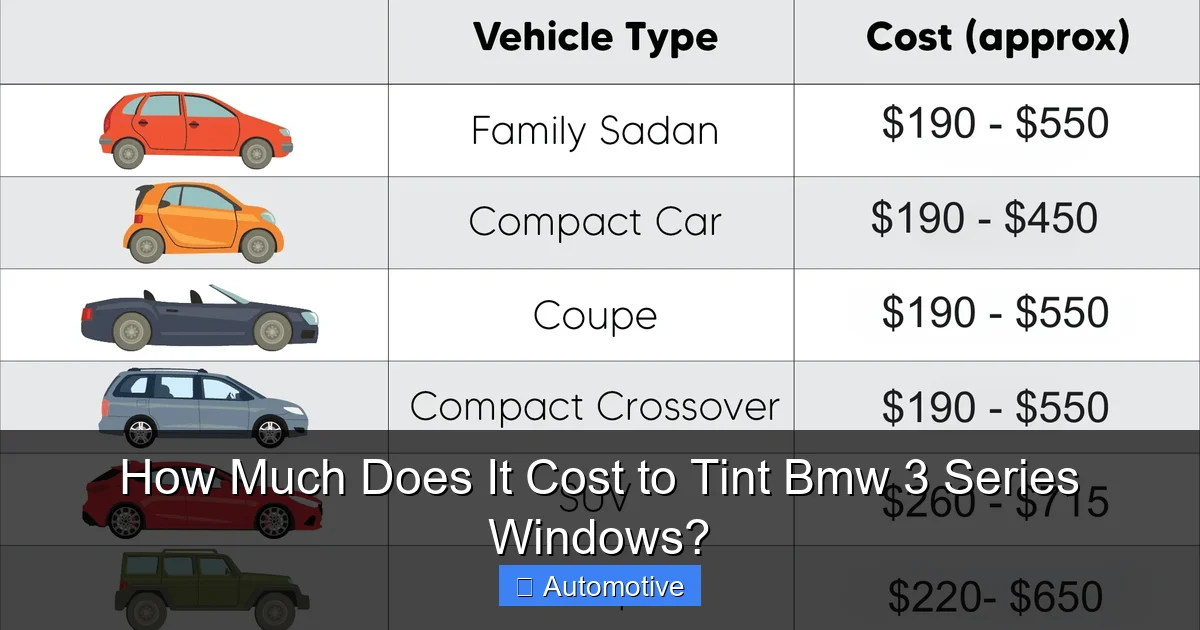
Now that you know why tinting is beneficial, let’s talk about what determines the price. The cost to tint BMW 3 Series windows isn’t fixed—it depends on several variables. Understanding these will help you budget wisely and avoid surprises.
Type of Window Film
The biggest factor in pricing is the type of film you choose. There are five main categories, each with different performance levels and price points:
– **Dyed Film ($150–$250):** The most affordable option. It uses a layer of dye to absorb heat and reduce glare. However, it offers minimal UV protection and can fade or bubble over time. Best for budget-conscious buyers who want basic tint.
– **Metalized Film ($200–$350):** Contains microscopic metal particles that reflect heat and UV rays. It’s more durable than dyed film and provides better heat rejection. The downside? It can interfere with GPS, cell signals, and keyless entry systems.
– **Hybrid Film ($250–$400):** Combines dyed and metalized layers for balanced performance. Offers good heat rejection, UV protection, and minimal signal interference. A solid middle-ground choice.
– **Carbon Film ($300–$500):** Uses carbon particles for a matte-black finish that doesn’t fade. It blocks IR heat effectively and resists bubbling. No signal interference, making it ideal for modern cars with advanced electronics.
– **Ceramic Film ($400–$600+):** The top-tier option. Made with nano-ceramic technology, it blocks up to 99% of IR and UV rays without metal content. It’s crystal clear, doesn’t interfere with signals, and lasts longer than other films. Brands like 3M, Llumar, and SunTek offer premium ceramic options.
For a BMW 3 Series, ceramic or carbon films are highly recommended due to their performance and compatibility with the car’s tech features.
Number of Windows Tinted
The more windows you tint, the higher the cost. Most shops charge per window, so a full tint job (front, rear, and all side windows) will cost significantly more than just the front two doors.
Here’s a typical breakdown for a 4-door BMW 3 Series:
– Front side windows: $50–$100 each
– Rear side windows: $60–$120 each
– Rear windshield: $100–$200 (more complex due to curvature and defroster lines)
– Windshield strip (top 6 inches): $30–$60
A full tint job usually includes all five windows and costs $300–$600. Some owners opt for a “partial tint” (just front side windows) to save money, but this can create a mismatched look.
Labor and Installation Quality
Labor costs vary by shop, location, and technician experience. A reputable installer with a clean shop, trained staff, and positive reviews will charge more—but you’re paying for precision and peace of mind.
In major cities like Los Angeles, New York, or Chicago, labor rates can be 20–30% higher than in smaller towns. Expect to pay $100–$200 in labor for a professional job. DIY kits cost less upfront ($50–$150), but mistakes can lead to bubbles, peeling, or uneven edges—requiring costly rework.
Geographic Location
Where you live affects pricing due to demand, competition, and local regulations. Shops in high-cost-of-living areas charge more, while rural areas may have fewer options but lower prices.
For example, tinting in Miami might cost $450 for ceramic film, while the same job in Omaha could be $350. Always get quotes from at least three local shops to compare.
Additional Services
Some shops offer extras that increase the total cost:
– **Old tint removal:** $50–$150 if you’re replacing existing film
– **Warranty:** Extended coverage (5–10 years) may cost extra
– **Edge sealing:** Prevents peeling and extends lifespan
– **Ceramic coating on glass:** Adds extra UV protection (not common)
Always ask what’s included in the quoted price to avoid hidden fees.
Legal Considerations and Tint Laws
Visual guide about How Much Does It Cost to Tint Bmw 3 Series Windows?
Image source: motorbiscuit.com
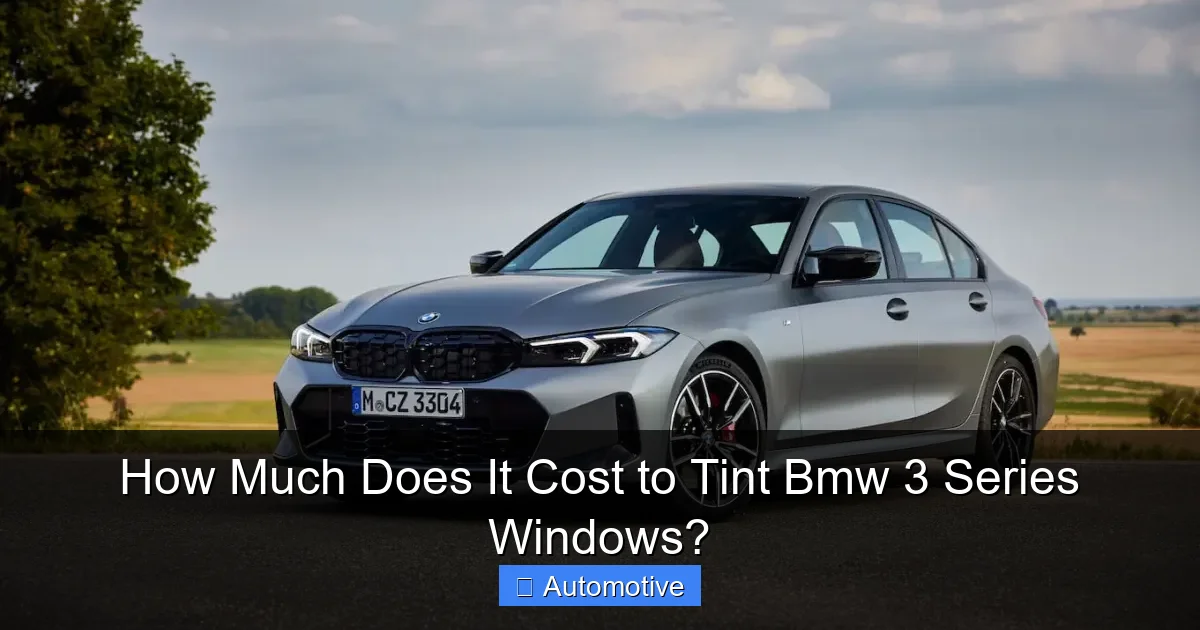
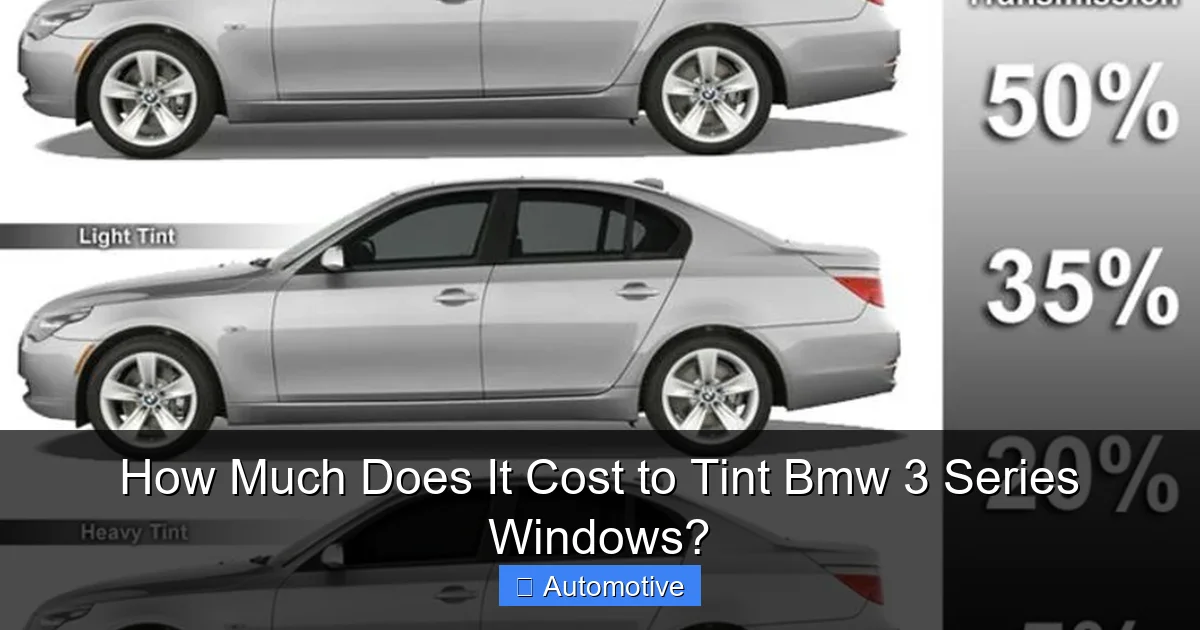
Before you tint your BMW 3 Series, it’s crucial to understand the legal limits in your state. Tint darkness is measured by Visible Light Transmission (VLT)—the percentage of light that passes through the film. Lower VLT means darker tint.
Each state sets its own rules for how dark your windows can be, especially on the front side windows and windshield. Violating these laws can result in fines, failed inspections, or even being pulled over.
State-by-State Tint Laws
Here’s a quick overview of common regulations (always verify with your local DMV):
– **Front Side Windows:** Most states allow 35%–70% VLT. California, for example, requires 70% on front sides (same as factory glass).
– **Rear Side Windows:** Often more lenient—many states allow 15%–20% VLT.
– **Rear Windshield:** Typically allows 15%–20%, but some states ban it entirely if the car doesn’t have side mirrors.
– **Windshield:** Usually only allows a non-reflective tint strip at the top (6 inches max).
For a BMW 3 Series, a common legal setup is:
– Front sides: 50% or 35% VLT
– Rear sides and rear windshield: 20% or 15% VLT
Enforcement and Risks
Police officers can issue citations for illegal tint, even if it’s just slightly darker than allowed. In some states, you’ll be required to remove the tint at your own expense.
To avoid trouble, choose a shop that knows local laws and can recommend compliant films. Many installers provide a certificate of legality upon request.
Medical Exemptions
Some states allow darker tints with a medical exemption (e.g., for lupus or severe photosensitivity). You’ll need a doctor’s note and must register the exemption with the DMV. This is rare but worth exploring if you have a legitimate need.
DIY vs. Professional Installation: Which Is Right for You?
Visual guide about How Much Does It Cost to Tint Bmw 3 Series Windows?
Image source: i.pinimg.com
One of the biggest decisions is whether to tint your BMW 3 Series yourself or hire a pro. Let’s compare the pros and cons.
DIY Window Tinting
**Pros:**
– Lower upfront cost ($50–$150 for a kit)
– Sense of accomplishment
– Flexibility to work on your schedule
**Cons:**
– High risk of bubbles, creases, and uneven edges
– Difficult to remove and reapply
– No warranty or professional support
– Time-consuming (can take 6–8 hours for a beginner)
DIY kits often include pre-cut films, but they rarely fit perfectly—especially on curved BMW windows. Mistakes can ruin the film, and you’ll end up spending more to fix them.
Professional Installation
**Pros:**
– Precision fit and flawless finish
– Access to high-quality films (ceramic, carbon)
– Warranty coverage (often 5–10 years)
– Faster turnaround (1–2 hours)
– Knowledge of local laws
**Cons:**
– Higher cost ($300–$600+)
– Need to schedule an appointment
– Risk of poor service if you choose a bad shop
For most BMW owners, professional installation is the better choice. The 3 Series has complex window shapes, defroster lines, and tight seals—best handled by an expert.
Tips for Choosing a Reputable Installer
– Read online reviews (Google, Yelp, BBB)
– Ask for before-and-after photos
– Inquire about film brands and warranties
– Avoid shops that pressure you into upsells
– Check if they offer a satisfaction guarantee
A good installer will explain your options, recommend legal films, and ensure a clean, bubble-free result.
Maintenance and Longevity of Tinted Windows
Once your BMW 3 Series is tinted, proper care ensures it lasts for years. Most high-quality films have a lifespan of 5–10 years, depending on quality and maintenance.
Post-Installation Care
– **Wait 30 days** before rolling windows down to allow adhesive to cure.
– Avoid parking in direct sunlight for the first week.
– Don’t clean the windows for at least 7–10 days.
Cleaning Tips
– Use a soft microfiber cloth and ammonia-free cleaner (ammonia degrades film).
– Avoid abrasive sponges or scrubbers.
– Clean gently in straight lines—not circles—to prevent scratching.
Signs It’s Time to Replace
– Bubbling or peeling at the edges
– Fading or discoloration
– Cracks or scratches in the film
– Reduced heat rejection
If you notice any of these, it’s time for a replacement. Don’t wait—damaged tint can trap moisture and damage the glass.
Final Thoughts: Is Tinting Your BMW 3 Series Worth It?
So, how much does it cost to tint BMW 3 Series windows? On average, you’ll spend between $300 and $500 for a professional ceramic or carbon tint job on all windows. While it’s not the cheapest upgrade, the benefits—heat reduction, UV protection, privacy, and style—make it a worthwhile investment.
For BMW owners who value comfort, safety, and long-term vehicle care, tinting is one of the best aftermarket modifications you can make. Just remember to choose quality film, comply with local laws, and go with a trusted installer.
Whether you’re driving a 2024 330i or a classic E46, tinted windows will enhance your driving experience and protect your car for years to come. So go ahead—treat your BMW to the upgrade it deserves.
Frequently Asked Questions
How much does it cost to tint all windows on a BMW 3 Series?
The cost to tint all windows on a BMW 3 Series typically ranges from $300 to $600, depending on the film type and labor. Ceramic films are more expensive but offer superior heat and UV protection.
Can I tint my BMW 3 Series windows myself?
Yes, but DIY tinting is risky and often results in bubbles or poor fit. Professional installation is recommended for best results, especially on curved BMW windows.
What is the best type of tint for a BMW 3 Series?
Ceramic and carbon films are the best choices for a BMW 3 Series. They offer excellent heat rejection, UV protection, and don’t interfere with electronic signals.
Is window tinting legal in all states?
No, tint laws vary by state. Front side windows often have stricter limits (35%–70% VLT). Always check your local regulations before tinting.
How long does window tint last on a BMW?
High-quality tint can last 5–10 years with proper care. Avoid ammonia-based cleaners and wait 30 days before rolling windows down after installation.
Will tinting void my BMW warranty?
No, window tinting does not void your BMW warranty. However, improper installation that damages glass or electronics could lead to issues—always use a reputable installer.
