165/80r15 Tire Size
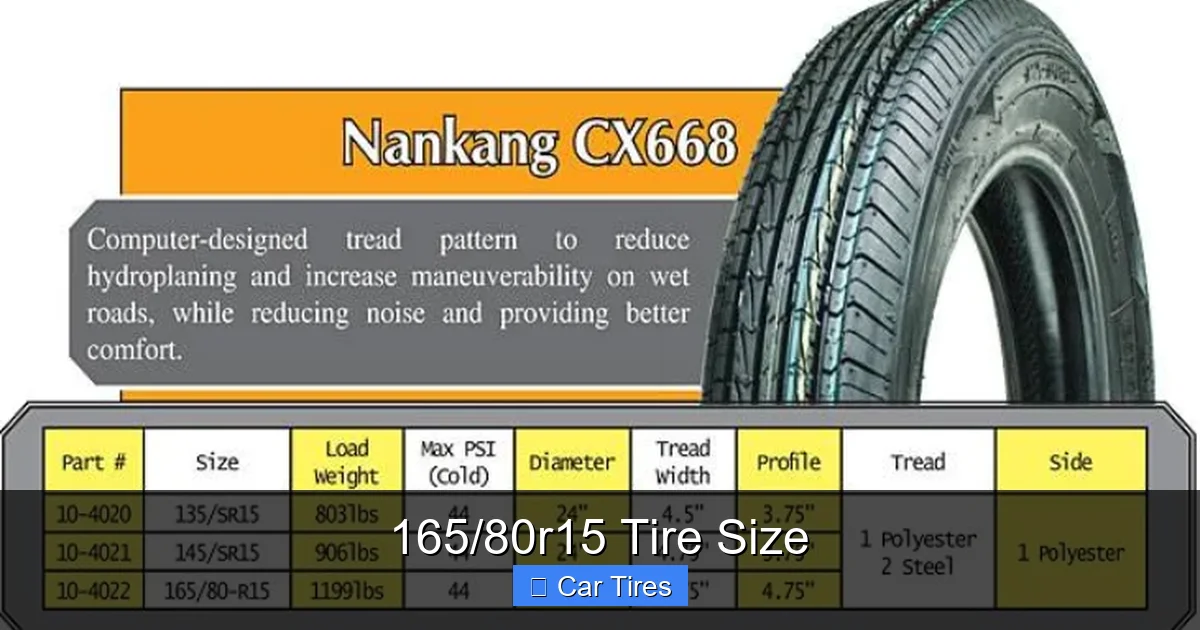
The 165/80R15 tire size is a popular choice for compact cars, classic vehicles, and light-duty applications. It offers a balance of comfort, fuel efficiency, and handling, making it ideal for city driving and highway cruising.
In This Article
- 1 Key Takeaways
- 2 📑 Table of Contents
- 3 What Is 165/80R15 Tire Size?
- 4 Common Vehicles That Use 165/80R15 Tires
- 5 Performance Characteristics of 165/80R15 Tires
- 6 Types of 165/80R15 Tires Available
- 7 How to Choose the Right 165/80R15 Tire
- 8 Installation and Maintenance Tips
- 9 Cost and Availability of 165/80R15 Tires
- 10 Conclusion
- 11 Frequently Asked Questions
Key Takeaways
- Common Fitment: The 165/80R15 is widely used on compact cars like the Honda Civic, Toyota Corolla, and classic models such as the Volkswagen Beetle and Mini Cooper.
- Tire Dimensions: This size features a 165 mm tread width, 80% aspect ratio, and fits 15-inch wheels, providing a tall sidewall for a smooth ride.
- Performance Benefits: Offers excellent ride comfort, low road noise, and good fuel economy due to reduced rolling resistance.
- Load and Speed Ratings: Most 165/80R15 tires support up to 530 kg per tire and speed ratings of T (118 mph) or H (130 mph).
- Seasonal Options: Available in all-season, summer, and winter variants to match different climate needs.
- Replacement Tips: Always match load index and speed rating when replacing; consider upgrading to modern radial designs for better performance.
- Cost-Effective Choice: Generally affordable with a wide range of budget to premium options available from trusted brands.
📑 Table of Contents
What Is 165/80R15 Tire Size?
The 165/80R15 is a standard tire size used on a variety of compact and classic vehicles. To break it down: “165” refers to the tire’s width in millimeters—how wide the tire is from sidewall to sidewall. “80” is the aspect ratio, meaning the sidewall height is 80% of the tire’s width. “R” stands for radial construction, the most common type today, and “15” indicates the wheel diameter in inches that the tire fits.
This tire size strikes a great balance between comfort and efficiency. Because of its relatively tall sidewall (thanks to the 80% aspect ratio), it absorbs road bumps well, making it a favorite for drivers who prioritize a smooth, quiet ride. It’s commonly found on older European and Japanese compact cars, as well as some modern small vehicles designed for urban commuting.
Understanding the Numbers
Let’s dive a little deeper into what each part of the 165/80R15 code means. The first number, 165, is straightforward—it’s the section width. A wider tire generally offers better grip but may reduce fuel efficiency. At 165 mm, this tire is narrow enough to reduce rolling resistance, which helps save gas, especially in stop-and-go city traffic.
The second number, 80, is the aspect ratio. This tells you how tall the sidewall is compared to the width. An 80% ratio means the sidewall is 132 mm tall (80% of 165 mm). That’s quite tall by modern standards, which is why this tire feels so comfortable on rough roads. Taller sidewalls flex more, cushioning the ride.
The “R” means radial construction. Radial tires have layers of fabric and steel belts running radially across the tire, which improves durability, heat dissipation, and tread life. Finally, the “15” is the rim diameter. You’ll need a 15-inch wheel to mount this tire properly.
Why Choose 165/80R15?
So why would someone choose this specific size? For starters, it’s a proven performer. Many drivers appreciate the 165/80R15 for its ability to deliver a soft, forgiving ride without sacrificing too much handling. It’s also lightweight, which helps with acceleration and braking response.
Another big plus is fuel economy. Narrower tires like the 165/80R15 create less friction with the road, so your engine doesn’t have to work as hard. This translates to better miles per gallon, especially on long highway drives. Plus, because it’s a common size, replacement tires are easy to find and usually affordable.
Common Vehicles That Use 165/80R15 Tires
The 165/80R15 tire size has been a staple on many popular vehicles over the decades. While newer models have moved to wider, lower-profile tires, this size remains a favorite for classic car enthusiasts and owners of compact city cars.
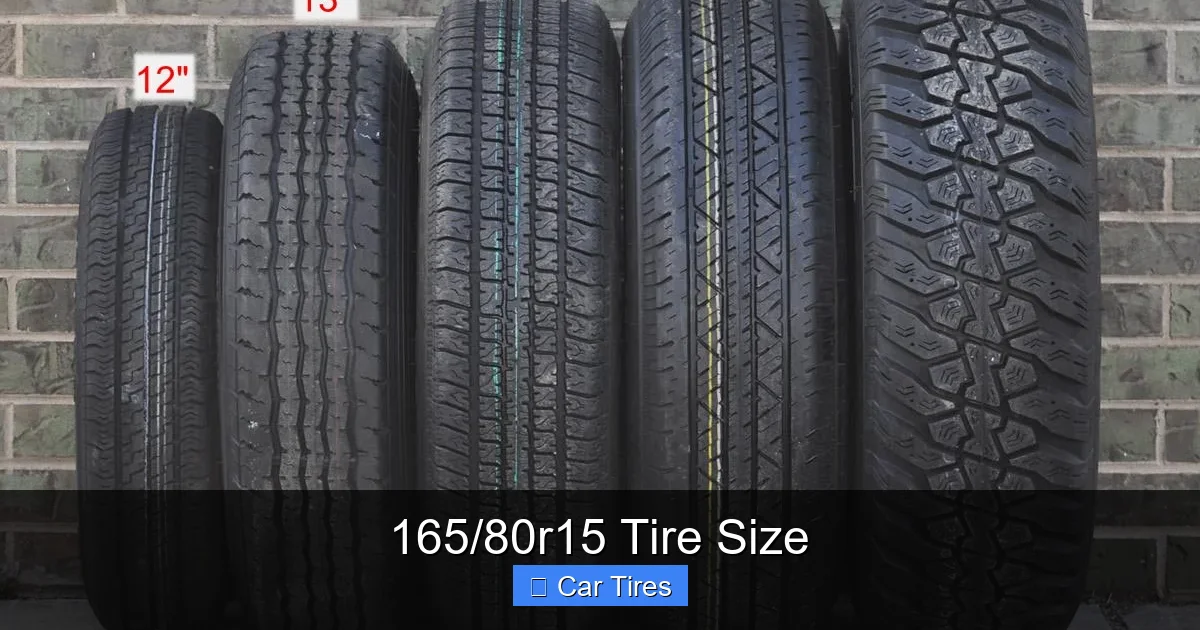
Visual guide about 165/80r15 Tire Size
Image source: amulettejewelry.com
Classic and Vintage Models
One of the most iconic vehicles to use the 165/80R15 is the original Volkswagen Beetle. The Beetle’s design and suspension were built around this tire size, and many restorers still prefer it for authenticity and ride quality. Similarly, the classic Mini Cooper—especially the original versions from the 1960s and 70s—often came equipped with 165/80R15 tires or very close equivalents.
Other vintage European cars, such as the Fiat 127, Renault 5, and early Peugeot 205 models, also used this size. These cars were designed for efficiency and comfort in urban environments, and the 165/80R15 delivered exactly that.
Modern Compact Cars
While less common today, some modern compact cars still use or can be fitted with 165/80R15 tires. Older models of the Honda Civic, Toyota Corolla, and Nissan Sunny were frequently equipped with this size. Even today, some trims of the Hyundai Accent or Kia Rio may use 165/80R15 as an option, especially in regions where fuel efficiency and low maintenance costs are priorities.
Additionally, some small electric vehicles and microcars—like the Smart Fortwo in earlier generations—used similar dimensions. Though the Fortwo typically used 14-inch wheels, the 165/80R15 remains a close cousin in terms of performance and application.
Light-Duty and Utility Vehicles
Beyond passenger cars, the 165/80R15 is sometimes used on light-duty trailers, small campers, and utility vehicles. Its ability to carry a decent load while maintaining a smooth ride makes it a practical choice for towing light loads over long distances. Just be sure to check the load index and ensure the tire is rated for trailer use if that’s your application.
Performance Characteristics of 165/80R15 Tires
When it comes to how the 165/80R15 performs on the road, there are several key factors to consider: ride comfort, handling, fuel efficiency, and noise levels. Let’s explore each of these in detail.
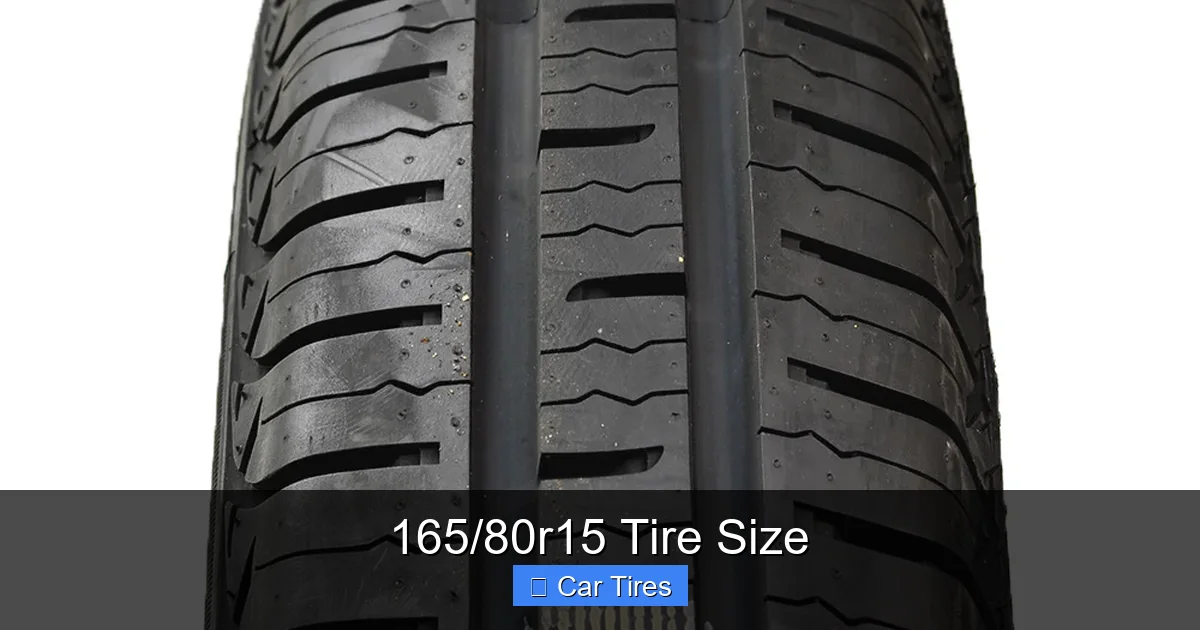
Visual guide about 165/80r15 Tire Size
Image source: s3.amazonaws.com
Ride Comfort
Thanks to its tall sidewall, the 165/80R15 offers excellent ride comfort. The extra cushioning helps absorb potholes, bumps, and rough pavement, making it ideal for city driving where road conditions can vary. If you’ve ever driven a car with low-profile tires, you know how harsh they can feel on uneven surfaces. The 165/80R15 avoids that issue, giving you a more relaxed driving experience.
This comfort doesn’t come at the cost of complete isolation from the road, though. You’ll still feel enough feedback to know what’s happening beneath your tires, which helps with confidence during cornering or emergency maneuvers.
Handling and Stability
While not designed for high-speed cornering like performance tires, the 165/80R15 provides stable and predictable handling for everyday driving. The narrower width reduces the contact patch slightly, which can mean less grip in aggressive driving situations. However, for normal city and highway use, it’s more than adequate.
One thing to note: because of the tall sidewall, there can be a slight delay in steering response compared to lower-profile tires. This is known as “sidewall flex.” It’s not a dealbreaker, but drivers used to sportier setups might notice it. That said, for most drivers, this minor trade-off is well worth the comfort gained.
Fuel Efficiency
Fuel economy is one of the strongest selling points of the 165/80R15. Narrower tires create less rolling resistance, meaning your engine doesn’t have to work as hard to keep the car moving. This is especially beneficial in stop-and-go traffic, where frequent acceleration and braking can eat up fuel.
Studies have shown that reducing tire width by just 10 mm can improve fuel efficiency by 1–2%. While that might not sound like much, it adds up over time—especially for drivers who log a lot of miles. If you’re looking to save money at the pump without sacrificing too much performance, this tire size is a smart choice.
Noise Levels
Another advantage of the 165/80R15 is its quiet operation. The taller sidewall helps dampen road noise, and the narrower tread width reduces the “howl” that wider tires can produce at highway speeds. This makes for a more peaceful cabin environment, especially on long trips.
Of course, noise also depends on the specific tire model and tread pattern. Some all-season tires are designed specifically for low noise, while performance-oriented versions may be louder. But overall, the 165/80R15 platform lends itself well to quiet, comfortable driving.
Types of 165/80R15 Tires Available
Not all 165/80R15 tires are created equal. Depending on your driving needs, climate, and vehicle type, you’ll want to choose the right kind. Here are the main categories available.
Visual guide about 165/80r15 Tire Size
Image source: theamcforum.com
All-Season Tires
All-season tires are the most common type for this size. They’re designed to perform well in a variety of conditions—dry, wet, light snow, and mild temperatures. If you live in an area with moderate weather and don’t face heavy snow or extreme heat, all-season 165/80R15 tires are a great all-around choice.
Popular models include the Michelin Defender T+H, Continental TrueContact, and Goodyear Assurance WeatherReady. These tires offer a balance of longevity, comfort, and safety. They typically last 50,000 to 70,000 miles, depending on driving habits and road conditions.
Summer Tires
Summer tires are optimized for warm weather and dry or wet roads. They use a softer rubber compound that stays flexible in heat, providing better grip and shorter braking distances. However, they don’t perform well in cold temperatures or snow.
If you live in a warm climate and want maximum performance during the summer months, a summer 165/80R15 tire could be worth considering. Just remember to switch to winter or all-season tires when temperatures drop below 45°F (7°C).
Winter Tires
For drivers in snowy or icy regions, winter tires are a must. These tires use a special tread pattern and rubber compound that stays pliable in freezing temperatures. They provide significantly better traction on snow and ice compared to all-season tires.
While less common in this size, winter 165/80R15 tires are available from brands like Nokian, Michelin, and Bridgestone. If you own a classic car or live in a cold climate, investing in a set of winter tires can greatly improve safety during the colder months.
Performance and Touring Tires
Some drivers want a bit more from their tires—better handling, faster response, or a sportier feel. Performance and touring tires in the 165/80R15 size offer improved grip and steering precision while still maintaining comfort.
These tires often feature reinforced sidewalls and advanced tread designs. They’re ideal for enthusiasts who want to enhance their classic car’s driving dynamics without switching to a larger, harsher tire size.
How to Choose the Right 165/80R15 Tire
With so many options available, picking the right 165/80R15 tire can feel overwhelming. Here are some practical tips to help you make the best choice for your vehicle and driving style.
Check Your Owner’s Manual
Always start by consulting your vehicle’s owner’s manual. It will list the recommended tire size, load index, and speed rating. Even if you’re upgrading or replacing tires, it’s important to stay within the manufacturer’s specifications to ensure safety and proper performance.
For example, if your car originally came with a load index of 85 and a speed rating of T, don’t go lower than that. Going higher is usually fine, but never lower.
Consider Your Driving Conditions
Think about where and how you drive. If you mostly commute in the city, an all-season tire with low rolling resistance is ideal. If you take long highway trips, look for a touring tire with good high-speed stability. And if you live in a snowy area, don’t skip winter tires—even if they’re harder to find in this size.
Look at Treadwear Ratings
Treadwear ratings give you an idea of how long a tire will last. A higher number means longer life. For example, a tire with a treadwear rating of 600 will last longer than one rated at 400. However, longer-lasting tires may sacrifice some grip or comfort, so balance is key.
Read Reviews and Ratings
Before buying, check online reviews from other drivers who use the same tire on similar vehicles. Websites like Tire Rack, Discount Tire, and Consumer Reports offer detailed feedback on performance, noise, and durability. Real-world experiences can help you avoid duds and find hidden gems.
Don’t Forget About Warranty
Many tire manufacturers offer mileage warranties. For example, a tire might come with a 60,000-mile tread life guarantee. If it wears out before that, you may be eligible for a prorated refund or replacement. Always ask about the warranty when purchasing.
Installation and Maintenance Tips
Once you’ve chosen the right 165/80R15 tires, proper installation and maintenance are crucial for safety and performance.
Professional Installation
Always have your tires installed by a qualified technician. They’ll ensure the tires are mounted correctly, balanced, and aligned. Improper installation can lead to vibration, uneven wear, and even tire failure.
Regular Rotation
Tire rotation every 5,000 to 7,500 miles helps ensure even wear. Front tires typically wear faster than rear ones, especially on front-wheel-drive vehicles. Rotating them extends the life of all four tires and improves handling.
Check Tire Pressure Monthly
Underinflated or overinflated tires can reduce fuel efficiency, cause uneven wear, and increase the risk of blowouts. Use a reliable tire pressure gauge to check pressure at least once a month, and always before long trips. The correct pressure is usually listed on a sticker inside the driver’s door jamb.
Inspect for Damage
Regularly inspect your tires for cuts, bulges, cracks, or embedded objects. These can lead to slow leaks or sudden failures. If you notice anything unusual, have it checked by a professional right away.
Store Spare Tires Properly
If you have a spare 165/80R15 tire, store it in a cool, dry place away from direct sunlight and chemicals. Keep it inflated to the recommended pressure and check it periodically to ensure it’s ready when you need it.
Cost and Availability of 165/80R15 Tires
One of the advantages of the 165/80R15 size is its affordability and widespread availability. Because it’s been used for decades, many manufacturers still produce tires in this size, and they’re often priced competitively.
Price Range
You can find 165/80R15 tires ranging from around $60 to $150 per tire, depending on the brand, type, and performance level. Budget options from brands like General, Kumho, or Westlake offer solid value for everyday driving. Premium models from Michelin, Continental, or Pirelli cost more but deliver better performance and longevity.
Where to Buy
These tires are available at most major tire retailers, including Discount Tire, Tire Rack, Walmart, and local auto shops. Online retailers often offer competitive pricing and convenient delivery or installation services. Some classic car specialty shops also carry this size for vintage vehicle owners.
Buying in Sets
It’s always best to replace tires in sets of four, especially if you’re changing the type (e.g., from all-season to winter). This ensures consistent handling and performance. Many retailers offer discounts when you buy a full set.
Conclusion
The 165/80R15 tire size may not be the flashiest on the market, but it’s a reliable, practical choice for a wide range of vehicles and driving needs. Whether you’re restoring a classic Beetle, commuting in a compact Civic, or towing a small trailer, this tire delivers a smooth ride, good fuel economy, and dependable performance.
With options ranging from budget-friendly all-seasons to high-performance touring models, there’s a 165/80R15 tire for nearly every driver. By understanding your vehicle’s requirements, driving conditions, and maintenance needs, you can get the most out of this versatile tire size. So the next time you’re due for a replacement, don’t overlook the humble 165/80R15—it might just be the perfect fit.
Frequently Asked Questions
What does 165/80R15 mean?
The 165/80R15 tire size means the tire is 165 mm wide, has a sidewall height that’s 80% of the width, uses radial construction, and fits a 15-inch wheel. It’s a common size for compact and classic cars.
Can I use 165/80R15 tires on a different wheel size?
No, you must use a 15-inch wheel. The “15” in the size refers to the rim diameter, and using the wrong size can cause safety issues or damage to the tire and vehicle.
Are 165/80R15 tires good for snow?
Standard all-season 165/80R15 tires offer limited snow performance. For better traction in snow and ice, choose winter-specific 165/80R15 tires with the three-peak mountain snowflake symbol.
How much do 165/80R15 tires cost?
Prices typically range from $60 to $150 per tire, depending on the brand and type. Budget options are affordable, while premium models offer better performance and longevity.
Can I replace 165/80R15 with a different size?
You can, but only if the new size is approved by the vehicle manufacturer. Changing tire size affects speedometer accuracy, handling, and clearance. Always consult a tire professional before switching.
How long do 165/80R15 tires last?
With proper maintenance, most 165/80R15 tires last between 50,000 and 70,000 miles. Tread life depends on driving habits, road conditions, and tire quality.