
Will Ferrari Sue You for Wrapping the Car

Ferrari won’t sue you for wrapping your car—unless you violate trademarks or damage the vehicle. While the automaker doesn’t own your paint job, they do protect their brand identity. Learn the legal boundaries, best practices, and how to wrap your Ferrari without crossing the line.
So, you’ve just parked your brand-new Ferrari in the driveway—gleaming under the sun, turning heads like it’s its full-time job. You love it. But maybe you’re thinking, “Could it look even better?” Maybe a sleek matte black wrap? A bold racing stripe? Or something totally custom, like a galaxy swirl or a tribute to your favorite movie? The idea of wrapping your Ferrari is tempting—and totally understandable. But then that little voice in your head whispers: “Wait… will Ferrari sue me for this?”
It’s a fair question. Ferrari isn’t just a car brand—it’s a cultural icon. With a legacy built on speed, exclusivity, and Italian craftsmanship, the company guards its image fiercely. From the prancing horse logo to the signature Rosso Corsa red, every detail is part of a carefully curated identity. So, when owners start slapping on wild wraps, it’s natural to wonder: where does personal expression end and brand protection begin?
The good news? In most cases, Ferrari won’t come knocking on your door with a lawsuit just because you wrapped your car. But there are important legal and practical boundaries to understand. This article will walk you through everything you need to know—from trademark laws and design ethics to real-world examples and expert tips—so you can customize your Ferrari with confidence, style, and zero legal drama.
Key Takeaways
- Ferrari doesn’t own your car’s appearance: Once you buy a Ferrari, you own the vehicle—including the right to modify its exterior, as long as you follow local laws.
- Trademark laws apply to logos and branding: You can’t use Ferrari’s prancing horse logo, name, or official branding in a misleading or commercial way without permission.
- Wrapping is generally safe and legal: Most vinyl wraps are non-damaging and reversible, making them a popular and accepted customization option among Ferrari owners.
- Avoid offensive or misleading designs: Wraps that mock Ferrari, imply false sponsorship, or use copyrighted material could lead to legal issues.
- Preserve resale value with care: High-quality wraps from reputable shops help maintain your Ferrari’s condition and can even protect the original paint.
- Check local regulations: Some regions have laws about reflective materials, colors (like red), or modifications that affect visibility or safety.
- When in doubt, consult a lawyer: If your wrap involves branding, art, or commercial use, seek legal advice to avoid trademark infringement.
📑 Table of Contents
Understanding Ferrari’s Brand Protection Policies
Ferrari takes its brand seriously—and for good reason. Since 1947, the company has built a reputation around performance, elegance, and exclusivity. That reputation is protected not just through marketing, but through legal frameworks like trademarks, copyrights, and design patents. But here’s the key point: Ferrari doesn’t own your car. Once you buy it, it’s yours to drive, maintain, and modify—within reason.
What Ferrari Actually Owns
Ferrari owns its name, logo, slogans, and certain design elements. The prancing horse emblem, the word “Ferrari,” and even specific model names like “F8 Tributo” or “SF90 Stradale” are all trademarked. You can’t use these in a way that suggests endorsement, affiliation, or commercial partnership without permission. For example, slapping a giant Ferrari logo on a T-shirt and selling it online? That’s a no-go. But putting a small, tasteful decal on your wrapped car? Generally fine.
Design Patents and Trade Dress
Ferrari also protects the overall “look” of its cars through design patents and trade dress laws. This means the distinctive shape of a Ferrari—like the long hood, low stance, and aggressive front grille—is legally protected. However, this protection applies to manufacturing and selling replica cars, not to modifying your own vehicle. You’re not building a fake Ferrari; you’re customizing the real one you legally own.
Where the Line Gets Blurry
The gray area comes when modifications could confuse the public or damage Ferrari’s brand image. For instance, if you wrap your Ferrari to look like a police car or a competitor’s vehicle (like a Lamborghini), you might raise eyebrows. While unlikely to trigger a lawsuit, such designs could attract unwanted attention—or even violate local impersonation laws. The key is intent: are you celebrating Ferrari, or mocking it?
Is Wrapping Your Ferrari Legal?
Visual guide about Will Ferrari Sue You for Wrapping the Car
Image source: live.staticflickr.com
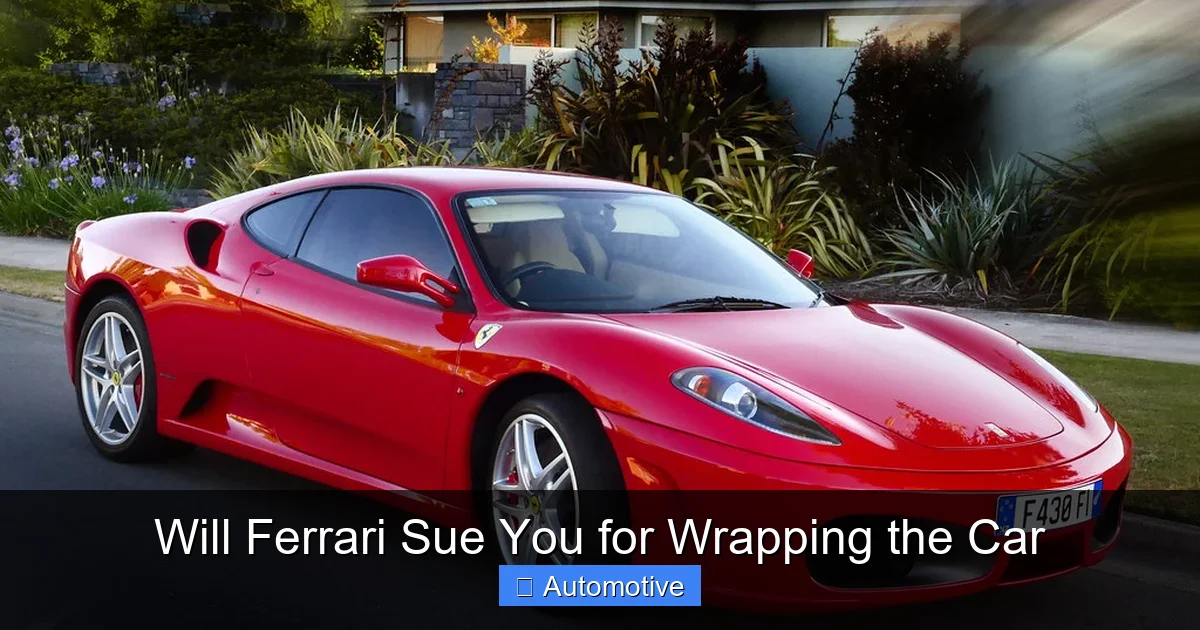
Yes—wrapping your Ferrari is legal in most countries, including the U.S., U.K., Canada, and Australia. Vinyl wrapping is a common aftermarket modification, and car manufacturers generally don’t restrict it. In fact, many dealerships and tuning shops offer wrapping services as part of their customization packages.
Why Wrapping Is Widely Accepted
Vinyl wraps are non-permanent, removable, and typically don’t damage the original paint if applied and removed correctly. This makes them a favorite among car enthusiasts who want to personalize their ride without losing resale value. High-quality wraps can even protect the factory paint from scratches, UV damage, and minor abrasions.
Legal Exceptions and Restrictions
While wrapping itself is legal, certain wrap designs or materials might not be. For example:
– Reflective or mirrored wraps: Some jurisdictions ban highly reflective materials because they can blind other drivers.
– Color restrictions: In rare cases, certain colors (like full red or black) may be regulated for emergency or government vehicles.
– Obstructive designs: Wraps that cover lights, license plates, or sensors can violate safety laws.
Always check your local Department of Motor Vehicles (DMV) or transport authority for specific rules.
Real-World Examples
Plenty of Ferrari owners have wrapped their cars without issue. From matte finishes to chrome effects, custom graphics to celebrity tributes, wraps are a staple in the supercar community. Even Ferrari’s own social media has featured wrapped models at events and shows—proof that the brand doesn’t oppose customization when done respectfully.
When Could Ferrari Take Legal Action?
Visual guide about Will Ferrari Sue You for Wrapping the Car
Image source: pngall.com
Now, let’s address the elephant in the room: could Ferrari actually sue you? The short answer is: only in very specific, extreme cases. Here’s when legal trouble might arise.
Trademark Infringement
If your wrap uses Ferrari’s logo, name, or branding in a way that implies official endorsement or commercial use, you could be violating trademark law. For example:
– Selling merchandise featuring your wrapped Ferrari with the prancing horse.
– Using Ferrari’s branding in ads or promotional content without permission.
– Creating a wrap that mimics Ferrari’s official livery in a misleading way.
Trademark law protects consumers from confusion. If someone thinks your car is an official Ferrari promo vehicle, that’s a problem.
Copyright Violation
If your wrap features copyrighted artwork—like a Disney character, movie scene, or famous painting—you could face a copyright claim. While this usually comes from the copyright holder (not Ferrari), it’s still a risk. Always ensure any artwork used is either original, licensed, or falls under fair use.
Defamation or Brand Damage
This is rare, but possible. If your wrap includes offensive, defamatory, or inflammatory content—like political slogans, hate symbols, or parodies that mock Ferrari—the company could argue it harms their reputation. While free speech protections exist, especially in the U.S., commercial brands have some recourse if their image is damaged.
Commercial Use Without Permission
Using your wrapped Ferrari in a commercial context—like a YouTube channel, sponsored content, or product promotion—without Ferrari’s consent could trigger a cease-and-desist. This is more about intellectual property than the wrap itself, but it’s a common pitfall for influencers.
Best Practices for Wrapping Your Ferrari
Visual guide about Will Ferrari Sue You for Wrapping the Car
Image source: c.pxhere.com
Want to wrap your Ferrari without worrying about lawsuits or resale value? Follow these expert tips.
Choose a Reputable Wrap Shop
Not all wrap shops are created equal. Look for installers with experience on high-end vehicles, especially Ferraris. Ask to see portfolios, read reviews, and ensure they use premium vinyl (like 3M, Avery Dennison, or KPMF). A bad wrap job can damage paint, leave residue, or peel prematurely.
Opt for High-Quality Materials
Cheap vinyl may save money upfront but can fade, crack, or bubble over time. Premium wraps last 5–7 years and come with warranties. Matte, satin, and gloss finishes are all safe choices. Avoid experimental materials unless you’re prepared for potential issues.
Keep It Classy
While creativity is encouraged, avoid designs that could be seen as offensive, misleading, or tacky. A tasteful racing stripe, carbon fiber accent, or subtle color shift often looks better than a chaotic collage. Remember: your Ferrari is a work of art—treat it like one.
Document the Original Condition
Before wrapping, take high-resolution photos of your car from all angles. This protects you if there’s ever a dispute about paint damage during removal. Most professional shops will do this as part of their process.
Plan for Removal
Even the best wraps eventually need replacing. Work with your installer to ensure the wrap can be removed safely. Heat guns and proper techniques prevent paint damage. If you’re unsure, ask for a test removal on a small area first.
Consider Resale Value
While wraps can protect paint, some buyers prefer original finishes. If you plan to sell your Ferrari, consider keeping the wrap removable and documenting the factory color. A well-documented wrap history can actually increase buyer confidence.
What Other Supercar Brands Say About Wrapping
Ferrari isn’t the only luxury automaker with strong brand identity. How do others handle customization?
Lamborghini
Lamborghini encourages personalization through its Ad Personam program, which offers factory-approved colors and materials. However, aftermarket wraps are common and generally accepted—as long as they don’t misuse branding.
Porsche
Porsche has a rich history of customer customization. Wraps are popular among Porsche owners, and the company rarely intervenes unless trademarks are misused.
McLaren
McLaren focuses on performance and design integrity. While they don’t restrict wraps, they emphasize maintaining the car’s aerodynamic and aesthetic balance.
Bugatti
With cars costing millions, Bugatti owners often work directly with the manufacturer for custom finishes. Aftermarket wraps are rare but not unheard of—usually done with extreme care and discretion.
The trend is clear: luxury brands value individuality, but expect respect for their identity. Wrapping is fine; misrepresentation is not.
Real Stories: Owners Who Wrapped Their Ferraris
Let’s look at a few real-world examples to put fears to rest.
The Matte Black F8 Tributo
A Ferrari owner in Los Angeles wrapped his F8 Tributo in matte black with red pinstriping. He shared photos on Instagram, and the post went viral. Ferrari didn’t comment—but the owner reported no legal issues. “I love my car, and I wanted it to stand out,” he said. “The wrap just made it feel more personal.”
The “Galaxy” SF90 Stradale
A tech entrepreneur in Dubai wrapped his SF90 in a cosmic blue-and-purple swirl with glitter accents. The design was custom-made and didn’t use any Ferrari branding. He drove it for two years before removing the wrap to sell the car. The original paint was flawless, and the car sold above market value.
The Controversial “Fake Police” Wrap
One owner in the UK wrapped his Ferrari to look like a police car, complete with blue-and-white stripes and “POLICE” decals. Local authorities issued a warning, citing impersonation laws. He removed the wrap within a week. “It was fun for a day,” he admitted, “but not worth the hassle.”
These stories show that creativity is welcome—but context matters.
How to Protect Yourself Legally
If you’re still nervous, here’s how to wrap your Ferrari with peace of mind.
Consult a Lawyer (If Needed)
If your wrap involves branding, commercial use, or controversial content, talk to an intellectual property attorney. They can review your design and advise on potential risks.
Use Disclaimers
If you’re posting photos online, add a caption like: “Custom wrap by [Shop Name]. Not affiliated with Ferrari S.p.A.” This clarifies your intent and reduces confusion.
Avoid Commercial Exploitation
Don’t use your wrapped Ferrari to sell products, promote brands, or monetize content without permission. Even subtle endorsements can trigger legal scrutiny.
Stay Informed
Laws change. Keep up with updates in trademark, copyright, and vehicle modification regulations in your area.
Conclusion
So, will Ferrari sue you for wrapping the car? Almost certainly not—unless you cross serious legal lines. Wrapping your Ferrari is a safe, legal, and increasingly popular way to express your personality and protect your investment. As long as you avoid trademark misuse, offensive content, and commercial exploitation, you’re free to customize your ride with confidence.
Ferrari’s brand is powerful, but it doesn’t own your creativity. The prancing horse may be legendary, but your vision matters too. Whether you go for a sleek matte finish, a bold racing theme, or something entirely unique, the key is respect—for the car, the brand, and the law.
So go ahead. Wrap it. Drive it. Enjoy it. Just remember: with great power (and a V12 engine) comes great responsibility.
Frequently Asked Questions
Can I wrap my Ferrari in any color?
Yes, you can wrap your Ferrari in almost any color, including matte, satin, gloss, or custom designs. Just avoid colors or patterns that mimic emergency vehicles or violate local laws.
Will wrapping void my Ferrari warranty?
Wrapping your Ferrari will not void the manufacturer’s warranty, as long as the wrap doesn’t damage the vehicle. Use a reputable installer and high-quality materials to avoid issues.
Can I use the Ferrari logo on my wrap?
You can display the logo on your car as it came from the factory, but adding extra logos or using them in a commercial or misleading way could violate trademark laws.
How long does a Ferrari wrap last?
A high-quality vinyl wrap typically lasts 5 to 7 years, depending on climate, maintenance, and material quality. Regular washing and waxing can extend its life.
Can I remove the wrap myself?
It’s possible, but not recommended. Improper removal can damage the paint. Always have the wrap removed by a professional with the right tools and experience.
Will a wrap affect my Ferrari’s resale value?
A well-documented, high-quality wrap can protect the original paint and even increase resale value. However, some buyers prefer factory finishes, so transparency is key.