Why Put a Ceramic Coating Over Paint Protection Film?

Contents
- 1 Key Takeaways
- 2 📑 Table of Contents
- 3 Understanding Paint Protection Film (PPF)
- 4 What Is Ceramic Coating?
- 5 The Synergy: Why Layer Ceramic Coating Over PPF?
- 6 Real-World Benefits: What Car Owners Are Saying
- 7 Application Process: How to Get It Right
- 8 Common Misconceptions and Myths
- 9 Cost Considerations and Long-Term Value
- 10 Conclusion: A Smart Investment for Any Vehicle
- 11 Frequently Asked Questions


Applying a ceramic coating over paint protection film (PPF) creates a powerful dual-layer defense system that enhances shine, simplifies cleaning, and extends the life of your vehicle’s exterior. While PPF guards against physical damage like rock chips and scratches, ceramic coating adds hydrophobic properties and UV resistance, making both layers work smarter—not harder—to keep your car looking showroom-fresh.
If you’ve invested in paint protection film (PPF) for your car, you’re already ahead of the curve. PPF is one of the best ways to shield your vehicle’s paint from rock chips, road debris, bug splatter, and minor abrasions. But here’s the thing: even the toughest PPF can benefit from an extra layer of defense—and that’s where ceramic coating comes in.
You might be wondering: “Why put a ceramic coating over paint protection film? Isn’t the film enough?” The short answer is no—not if you want maximum protection, shine, and ease of care. Think of it like wearing a raincoat (PPF) and then adding a waterproof spray (ceramic coating). The raincoat keeps you dry from heavy downpours, but the spray repels light mist, mud, and stains, making cleanup faster and keeping you cleaner longer. The same logic applies to your car’s exterior.
In this article, we’ll dive deep into why layering ceramic coating over PPF is a smart move for car enthusiasts, daily drivers, and anyone who values their vehicle’s appearance and longevity. We’ll explore how these two technologies complement each other, what benefits you gain from combining them, and how to get the best results. Whether you’re protecting a brand-new sports car or preserving the finish on your trusted family SUV, this dual-layer strategy can make a noticeable difference.
Key Takeaways
- Enhanced Protection: Combining ceramic coating with PPF offers both physical and chemical defense—PPF absorbs impacts while ceramic repels contaminants.
- Superior Gloss and Depth: Ceramic coatings amplify the clarity and depth of your paint, making colors pop even over clear PPF.
- Easier Maintenance: The hydrophobic nature of ceramic coating means water, dirt, and grime slide off effortlessly, reducing wash frequency and effort.
- Longer-Lasting Results: Ceramic coating helps prevent oxidation and UV fading on the PPF itself, extending its lifespan and appearance.
- Cost-Effective Longevity: Though an added expense upfront, the combo reduces long-term detailing costs and preserves resale value.
- Professional Application Recommended: For best results, have both PPF and ceramic coating applied by trained technicians to avoid bubbles, peeling, or uneven coverage.
- Works on All Vehicle Types: From daily drivers to luxury cars and track vehicles, this dual-layer approach benefits any paint finish.
📑 Table of Contents
- Understanding Paint Protection Film (PPF)
- What Is Ceramic Coating?
- The Synergy: Why Layer Ceramic Coating Over PPF?
- Real-World Benefits: What Car Owners Are Saying
- Application Process: How to Get It Right
- Common Misconceptions and Myths
- Cost Considerations and Long-Term Value
- Conclusion: A Smart Investment for Any Vehicle
Understanding Paint Protection Film (PPF)
Before we get into why ceramic coating enhances PPF, let’s first understand what PPF does—and what it doesn’t.
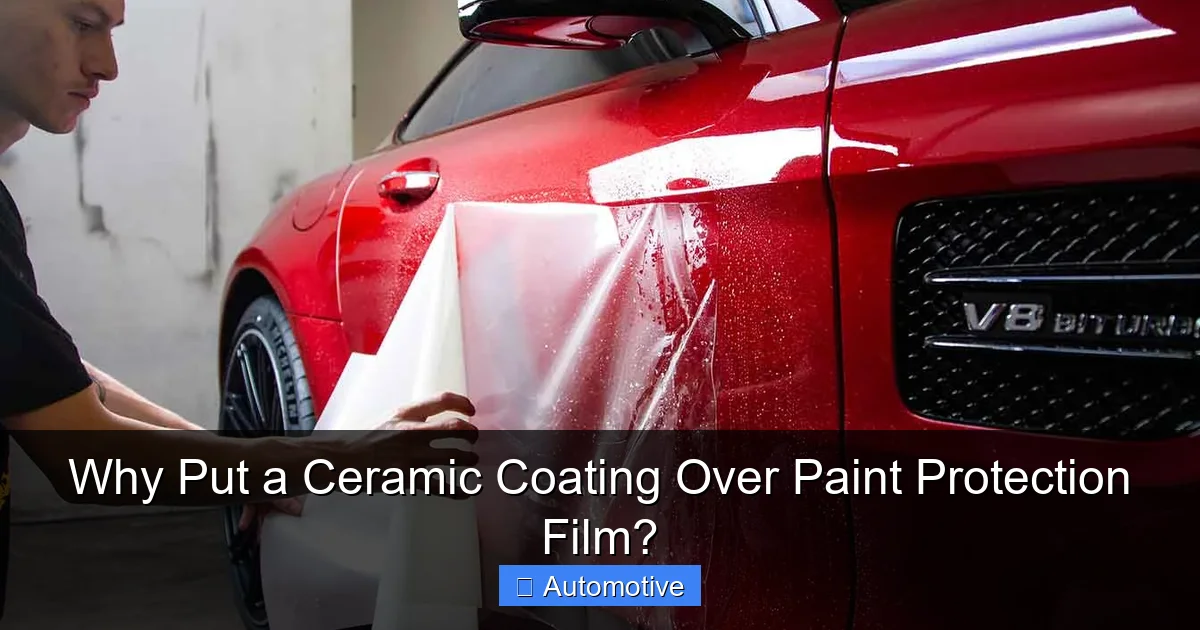
Paint protection film is a transparent, thermoplastic urethane layer applied directly to your vehicle’s painted surfaces. It’s designed to absorb impacts from small stones, gravel, and other road debris that can cause chips and scratches. High-quality PPF is self-healing, meaning minor scratches and swirls disappear when exposed to heat (like sunlight or warm water).
PPF is commonly applied to high-impact areas such as the front bumper, hood, fenders, mirrors, and door edges. Some owners go full-body, covering the entire vehicle for maximum protection. The film is nearly invisible when installed correctly, preserving the original look of your paint while adding a tough barrier.
However, PPF isn’t perfect. Over time, it can attract dirt, water spots, and environmental contaminants. It’s also susceptible to UV degradation, which can cause yellowing or hazing—especially with lower-quality films. And while it resists scratches, it doesn’t repel water or oils the way a ceramic coating does. That’s where the synergy between PPF and ceramic coating becomes clear.
What Is Ceramic Coating?

Visual guide about Why Put a Ceramic Coating Over Paint Protection Film?
Image source: exclusivepaintprotection.com
Ceramic coating is a liquid polymer that bonds chemically with your car’s paint (or in this case, the PPF) to create a semi-permanent protective layer. Unlike wax or sealants that sit on top of the surface, ceramic coatings form a strong, durable bond that can last anywhere from one to five years, depending on the product and maintenance.
The primary ingredient in most ceramic coatings is silicon dioxide (SiO2), derived from quartz or sand. When applied correctly, it creates a hard, glass-like layer that enhances gloss, repels water, resists UV rays, and makes cleaning much easier.
Ceramic coatings are known for their hydrophobic properties—water beads up and rolls off the surface, taking dirt and grime with it. This not only keeps your car cleaner between washes but also reduces the risk of water spots and mineral deposits. Additionally, ceramic coatings offer resistance to light chemical stains, bird droppings, tree sap, and oxidation.
But here’s the key: ceramic coating works best on smooth, clean surfaces. That’s why it’s often applied after PPF—because the film provides a flawless, even base that allows the coating to bond more effectively and perform at its peak.
The Synergy: Why Layer Ceramic Coating Over PPF?
Visual guide about Why Put a Ceramic Coating Over Paint Protection Film?
Image source: springsdetailing.com
Now that we understand both technologies, let’s explore why combining them is more than just a trend—it’s a strategic upgrade.
1. Enhanced Physical and Chemical Protection
PPF excels at absorbing physical impacts. It’s your first line of defense against rock chips, scratches, and minor abrasions. But it doesn’t protect against chemical damage—like acid rain, bird droppings, or industrial fallout—as effectively as ceramic coating does.
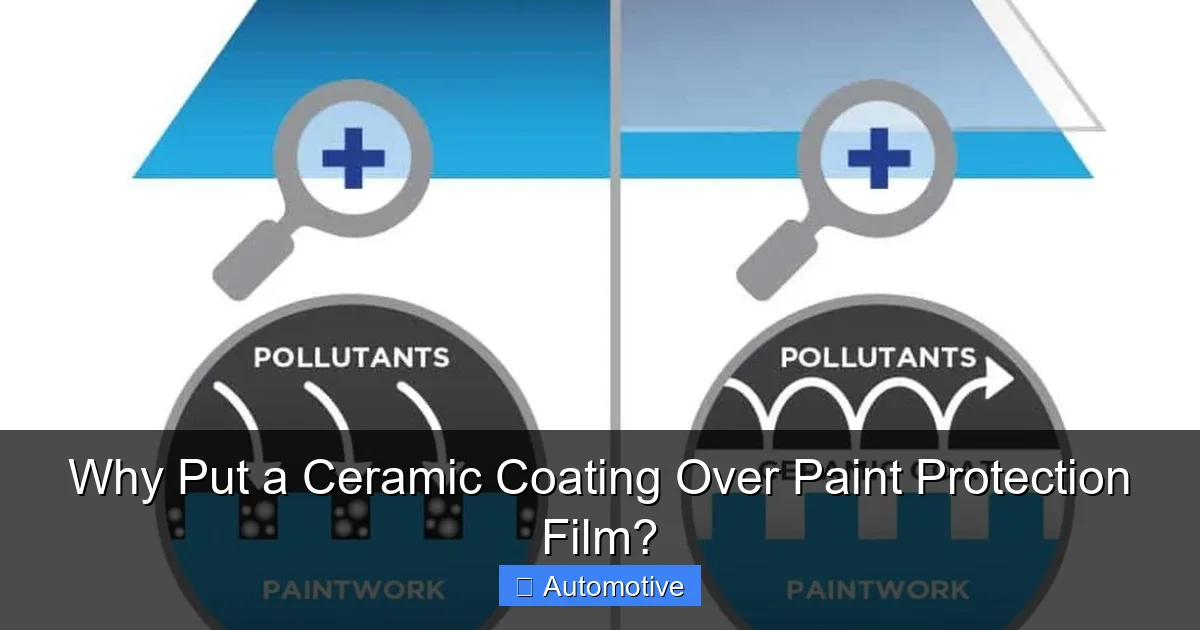
When you apply a ceramic coating over PPF, you’re adding a chemical-resistant barrier that repels contaminants before they can bond to the surface. This dual-layer system means your car is protected from both physical and environmental threats. For example, if a bird drops on your hood, the ceramic coating makes it easier to wipe off before it can etch into the PPF or underlying paint.
2. Improved Hydrophobicity and Self-Cleaning Effect
One of the most noticeable benefits of ceramic coating is its hydrophobic effect. Water beads up and rolls off the surface, carrying dirt and dust with it. This “self-cleaning” effect is especially useful over PPF, which can otherwise trap water and grime in its slightly textured surface.
With ceramic coating, rain showers can actually help clean your car. After a storm, you might find your vehicle looking cleaner than before—especially on coated panels. This reduces the need for frequent washing and minimizes the risk of swirl marks from improper cleaning techniques.
3. Extended Lifespan of the PPF
Even high-quality PPF can degrade over time due to UV exposure, oxidation, and environmental contaminants. A ceramic coating acts as a sunscreen for your PPF, shielding it from harmful UV rays that can cause yellowing, hazing, or brittleness.
By protecting the film itself, the ceramic coating helps maintain its clarity and flexibility for years longer than uncoated PPF. This means your investment in PPF lasts longer, and your car continues to look sharp without the need for early replacement.
4. Amplified Gloss and Depth
Let’s be honest—part of the appeal of protecting your car is keeping it looking stunning. Ceramic coatings are renowned for their ability to enhance the depth, clarity, and shine of automotive paint. When applied over PPF, they amplify these effects even further.
The smooth, glass-like finish of the coating creates a mirror-like reflection that makes colors appear richer and more vibrant. Whether you drive a deep black sedan or a metallic blue coupe, the added gloss from ceramic coating will turn heads. And because PPF is nearly invisible, the coating enhances the natural beauty of your paint without distortion.
5. Easier Maintenance and Detailing
Cleaning a car with PPF can be tricky. Traditional waxes and sealants don’t bond well to the film, and some cleaners can leave streaks or residue. Ceramic coating solves this problem by creating a slick, non-stick surface that resists dirt and makes washing a breeze.
You’ll spend less time scrubbing and more time enjoying your ride. A simple rinse with a hose or a quick wash with a pH-neutral soap is often enough to keep your car looking spotless. And because the coating reduces the adhesion of contaminants, you’re less likely to introduce swirl marks during cleaning.
Real-World Benefits: What Car Owners Are Saying
Visual guide about Why Put a Ceramic Coating Over Paint Protection Film?
Image source: xpelboise.com
Don’t just take our word for it—countless car owners and detailers swear by the PPF-plus-ceramic combo. Here are a few real-world examples:
– **Daily Drivers:** Owners of commuter cars report that bugs, tar, and road grime wipe off effortlessly after applying ceramic coating over PPF. One Tesla Model 3 owner noted that his front bumper stayed cleaner during long highway drives, even in bug season.
– **Luxury Vehicles:** High-end brands like Porsche, BMW, and Mercedes-Benz benefit greatly from this dual protection. A Lamborghini Huracán owner in Florida shared that his ceramic-coated PPF resisted salt air and humidity far better than previous wax-only treatments.
– **Track Enthusiasts:** Performance drivers who take their cars to the track appreciate the added durability. While PPF protects against flying debris at high speeds, the ceramic coating makes post-track cleanup faster and safer for the paint.
– **Fleet and Rental Companies:** Some commercial fleets are adopting this strategy to reduce maintenance costs and extend vehicle lifespan. The easier cleaning process means less labor and fewer detailing supplies.
These stories highlight a common theme: when PPF and ceramic coating work together, they deliver results that neither could achieve alone.
Application Process: How to Get It Right
To reap the full benefits of this combination, proper application is critical. Here’s what you need to know:
Step 1: Professional PPF Installation
Start with a high-quality PPF installed by a certified technician. The surface must be thoroughly cleaned, decontaminated, and polished before the film is applied. Any imperfections in the paint will show through the film, so this step is non-negotiable.
Step 2: Curing Time for PPF
After installation, PPF needs time to fully adhere and cure—typically 48 to 72 hours. During this time, avoid washing the car or applying any products to the surface. Rushing this step can lead to lifting or bubbling.
Step 3: Surface Preparation for Ceramic Coating
Once the PPF is cured, the surface must be prepped for ceramic coating. This includes a thorough wash, clay bar treatment to remove embedded contaminants, and sometimes light polishing to ensure maximum adhesion.
Step 4: Applying the Ceramic Coating
Ceramic coating should be applied in a controlled environment—ideally a clean, dust-free garage with stable temperature and humidity. The coating is applied in small sections using a microfiber applicator, then leveled and buffed off before it cures.
Step 5: Curing and Maintenance
After application, the coating needs 24 to 48 hours to fully cure. Avoid rain, washing, or exposure to moisture during this time. Once cured, maintain the coating with regular washing using pH-neutral soaps and occasional top-up sprays to refresh hydrophobic properties.
Common Misconceptions and Myths
Despite its growing popularity, there are still some myths surrounding ceramic coating over PPF. Let’s clear them up:
Myth 1: “Ceramic Coating Will Ruin the PPF”
False. High-quality ceramic coatings are safe for PPF when applied correctly. In fact, they protect the film from degradation. The key is using a coating formulated for use on clear films and avoiding harsh solvents or abrasive polishes.
Myth 2: “PPF Doesn’t Need Ceramic Coating”
While PPF offers excellent physical protection, it lacks the chemical and hydrophobic benefits of ceramic coating. Skipping the coating means missing out on easier cleaning, enhanced shine, and longer film life.
Myth 3: “You Can DIY It Without Experience”
Ceramic coating requires precision. Uneven application, improper curing, or contamination can lead to streaks, hazing, or reduced performance. For best results, hire a professional detailer with experience in both PPF and ceramic coatings.
Myth 4: “Ceramic Coating Makes PPF Self-Healing”
No. The self-healing property comes from the PPF itself, not the coating. However, the coating can help prevent scratches that would otherwise require the film to self-heal, reducing wear over time.
Cost Considerations and Long-Term Value
Yes, adding ceramic coating over PPF increases the upfront cost. A full PPF installation can range from $1,500 to $5,000, depending on coverage and vehicle size. Ceramic coating adds another $500 to $2,000, depending on the product and labor.
But consider the long-term savings:
– Fewer detailing sessions
– Reduced risk of paint correction
– Extended lifespan of PPF
– Higher resale value due to preserved paint
Over five years, the combo can save you hundreds in maintenance and protect your vehicle’s value far better than either product alone.
Conclusion: A Smart Investment for Any Vehicle
So, why put a ceramic coating over paint protection film? Because it’s not just about protection—it’s about performance, appearance, and peace of mind. Together, these two technologies create a comprehensive defense system that keeps your car looking newer, cleaner, and more vibrant for years to come.
Whether you’re protecting a daily driver, a weekend cruiser, or a high-performance machine, the PPF-plus-ceramic combo delivers unmatched results. It’s a small investment that pays big dividends in convenience, durability, and pride of ownership.
If you’ve already installed PPF, don’t stop there. Take the next step and add a ceramic coating. Your car—and your future self—will thank you.
Frequently Asked Questions
Can you put ceramic coating over paint protection film?
Yes, you can and should. Ceramic coating bonds safely to high-quality PPF and enhances its performance by adding hydrophobic properties, UV resistance, and easier cleaning.
Will ceramic coating damage the PPF?
No, when applied correctly using a film-safe formula, ceramic coating will not damage PPF. In fact, it helps protect the film from UV degradation and environmental contaminants.
How long does ceramic coating last over PPF?
Depending on the product and maintenance, ceramic coating can last 1 to 5 years over PPF. Regular washing and occasional top-up treatments can extend its lifespan.
Do I still need to wax my car if it has PPF and ceramic coating?
No. Ceramic coating provides superior protection and shine compared to wax. Waxing over ceramic coating is unnecessary and can even reduce its effectiveness.
Can I apply ceramic coating myself over PPF?
While possible, DIY application carries risks like uneven coverage or contamination. For best results, hire a professional detailer experienced in both PPF and ceramic coatings.
Does ceramic coating make PPF self-healing?
No. The self-healing property comes from the PPF material itself. Ceramic coating helps prevent scratches but does not add self-healing capabilities.