
Why Is My Truck Running Hot?

If your truck is running hot, it’s often due to cooling system failures like low coolant, a bad thermostat, or a clogged radiator. Ignoring the problem can lead to serious engine damage, so prompt diagnosis and maintenance are essential.
Key Takeaways
- Low Coolant Levels: One of the most common reasons trucks overheat is insufficient coolant. Leaks or evaporation can reduce levels, disrupting heat transfer.
- Faulty Thermostat: A thermostat stuck in the closed position prevents coolant from flowing, causing the engine to overheat even with full coolant.
- Radiator Problems: Clogged, damaged, or leaking radiators can’t dissipate heat effectively, especially when towing or driving in hot weather.
- Water Pump Failure: The water pump circulates coolant; if it fails, coolant doesn’t move, leading to rapid overheating.
- Cooling Fan Issues: Electric or mechanical fans that don’t engage properly can’t cool the radiator at low speeds or idle.
- Hose and Belt Damage: Cracked hoses or a broken serpentine belt can disrupt coolant flow or disable the water pump.
- Driving Habits and Load: Towing heavy loads, idling for long periods, or driving in extreme heat increases engine strain and heat output.
📑 Table of Contents
Why Is My Truck Running Hot? Understanding the Warning Signs
You’re cruising down the highway, maybe hauling a trailer or just heading home after a long day. Suddenly, you glance at the dashboard and notice the temperature gauge creeping into the red zone. Your heart skips a beat. “Why is my truck running hot?” you wonder. It’s a question no truck owner wants to face—but one that demands immediate attention.
Overheating isn’t just an inconvenience; it’s a red flag that something in your truck’s cooling system isn’t working as it should. The engine in your truck operates at extremely high temperatures—often exceeding 200°F (93°C)—and relies on a complex network of parts to keep things cool. When that system fails, even briefly, the results can be costly. Warped cylinder heads, blown head gaskets, or even a seized engine are all real risks if you ignore the warning signs.
But don’t panic. Most overheating issues are preventable and often fixable with the right knowledge and timely maintenance. The key is understanding what’s going on under the hood and knowing when to act. In this guide, we’ll walk you through the most common reasons your truck might be running hot, how to spot the symptoms early, and what you can do to keep your engine cool and reliable for years to come.
Common Causes of Truck Overheating
Visual guide about Why Is My Truck Running Hot?
Image source: carglassadvisor.com
When your truck starts running hot, it’s usually because the cooling system isn’t doing its job. The cooling system is designed to absorb heat from the engine and release it into the air, keeping everything at a safe operating temperature. When one or more components fail, heat builds up faster than it can be dissipated. Let’s break down the most frequent culprits.
Low Coolant Levels
Coolant—also known as antifreeze—is the lifeblood of your truck’s cooling system. It circulates through the engine, absorbing heat, and then flows to the radiator where it releases that heat into the air. If your coolant level is low, there simply isn’t enough fluid to absorb and transfer heat effectively.
Low coolant can result from leaks in the system—maybe a cracked hose, a damaged radiator, or a failing water pump seal. It can also happen gradually over time due to evaporation, especially in older vehicles. Some drivers mistakenly top off with just water, which can dilute the coolant mixture and reduce its effectiveness.
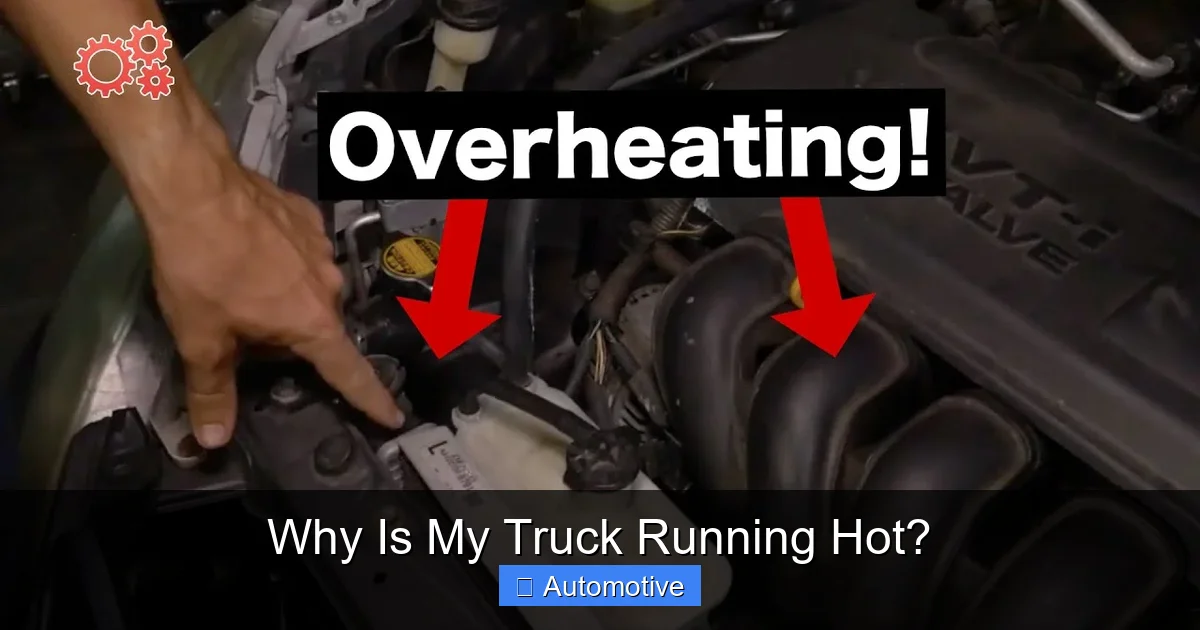
A simple visual check of the coolant reservoir can often reveal if levels are low. If the fluid is below the “MIN” line, it’s time to investigate. But don’t just top it off and assume the problem is solved. A consistent drop in coolant level usually indicates a leak that needs repair.
Faulty Thermostat
The thermostat is a small but critical component that acts like a gatekeeper for coolant flow. When the engine is cold, the thermostat stays closed, allowing the engine to warm up quickly. Once the engine reaches its optimal operating temperature (usually around 195°F to 220°F), the thermostat opens, allowing coolant to flow through the radiator.
If the thermostat gets stuck in the closed position, coolant can’t reach the radiator, and the engine overheats—even if there’s plenty of coolant in the system. This is especially common in older trucks or those with high mileage. Symptoms include rapid overheating shortly after starting the engine, especially in stop-and-go traffic.
Replacing a thermostat is relatively inexpensive and straightforward, but it’s often overlooked during routine maintenance. If your truck overheats quickly after a cold start, a faulty thermostat should be high on your list of suspects.
Radiator Issues
The radiator is where the magic happens—heat from the coolant is transferred to the air passing through its fins. But over time, radiators can become clogged with debris, rust, or mineral deposits from old coolant. External blockages, like leaves or dirt stuck in the fins, can also reduce airflow.
A clogged radiator can’t dissipate heat efficiently, causing the engine to run hot—especially under load or in hot weather. You might notice the temperature rising when driving uphill or towing a heavy trailer. In severe cases, coolant may even boil over, creating steam and a sweet-smelling vapor under the hood.
Regular radiator inspections and flushes can help prevent clogs. If you notice reduced cooling performance or visible damage, it may be time to clean or replace the radiator.
Water Pump Failure
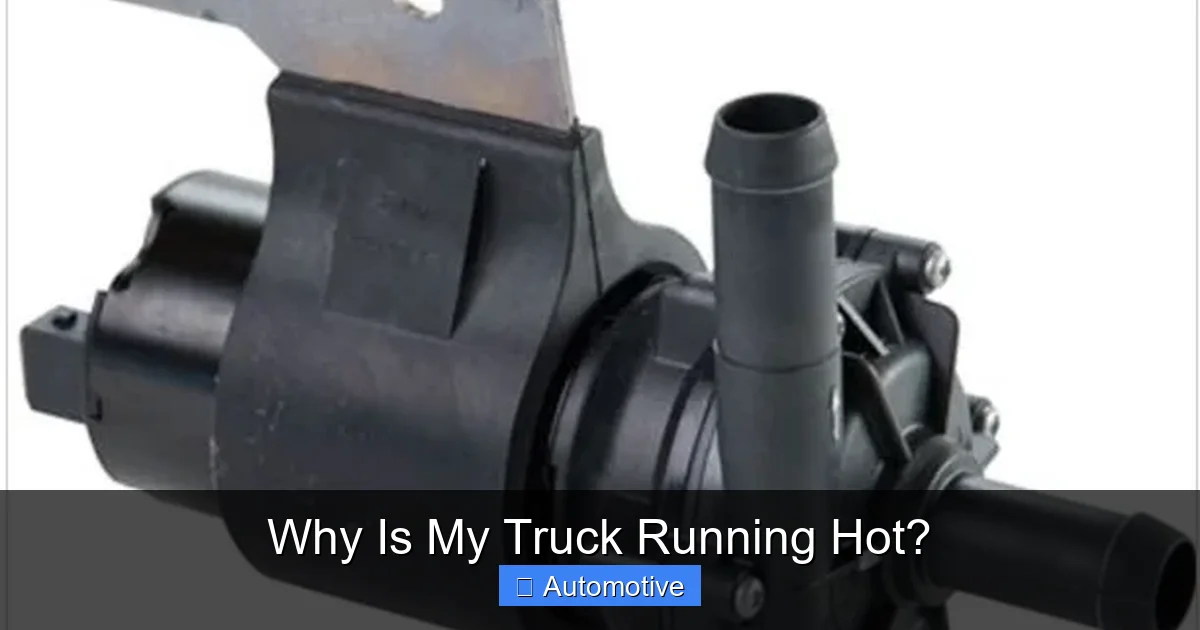
The water pump is the heart of the cooling system. It’s driven by a belt and circulates coolant throughout the engine and radiator. If the pump fails—due to a broken impeller, worn bearings, or a leaking seal—coolant stops flowing, and the engine heats up rapidly.
Signs of water pump failure include coolant leaks near the front of the engine, a whining or grinding noise from the pump area, or overheating that worsens at higher RPMs. In some cases, you might see steam or smell burning coolant.
Water pump replacement is more involved than some other repairs, but it’s essential. Ignoring a failing pump can lead to catastrophic engine damage.
Cooling Fan Problems
Your truck uses one or more cooling fans to pull air through the radiator when the vehicle isn’t moving fast enough to generate natural airflow—like when idling or driving in slow traffic. These fans can be electric or mechanically driven.
Electric fans are controlled by sensors and relays. If a sensor fails or a relay burns out, the fan might not turn on when needed. Mechanical fans, often driven by a clutch, can also fail if the clutch seizes or wears out.
If your truck runs fine on the highway but overheats in traffic, a cooling fan issue is likely. Listen for the fan kicking on when the engine is hot, and check fuses and relays if it doesn’t.
Hose and Belt Damage
Coolant hoses carry fluid between the engine, radiator, and other components. Over time, these rubber hoses can crack, swell, or develop leaks. A burst hose can cause a sudden loss of coolant and rapid overheating.
The serpentine belt (or drive belt) powers the water pump, alternator, and other accessories. If it breaks or slips, the water pump stops working, and the engine will overheat quickly.
Inspect hoses for cracks, bulges, or soft spots, and replace them every 5–7 years. Check belt tension and condition regularly, especially if you hear squealing or notice glazing.
Symptoms of an Overheating Truck
Visual guide about Why Is My Truck Running Hot?
Image source: 2carpros.com
Knowing the signs of overheating can help you act before serious damage occurs. Some symptoms are obvious; others are more subtle.
Dashboard Warning Lights
Most modern trucks have a temperature warning light or a gauge that shows engine temperature. If the light comes on or the gauge enters the red zone, pull over safely as soon as possible. Continuing to drive can cause irreversible engine damage.
Steam or Smoke from Under the Hood
Steam or white smoke is a clear sign that coolant is boiling or leaking onto hot engine parts. This is an emergency—stop the truck immediately and let it cool before opening the hood.
Sweet Smell
Coolant has a distinct sweet odor. If you smell it inside the cabin or near the engine, it could indicate a leak. Check for puddles under the truck or wet spots on hoses and the radiator.
Reduced Engine Performance
An overheating engine may run rough, lose power, or hesitate during acceleration. This happens because excessive heat can cause components to expand and interfere with proper operation.
Coolant Leaks
Puddles of green, orange, or pink fluid under your truck are a telltale sign of a coolant leak. Even small leaks can lead to low coolant levels and overheating over time.
High Temperature Readings
If your temperature gauge consistently reads higher than normal—even without warning lights—it’s a sign that your cooling system isn’t working efficiently. Don’t wait for the red zone to take action.
How Driving Conditions Affect Engine Temperature
Visual guide about Why Is My Truck Running Hot?
Image source: 2carpros.com
Your truck’s operating environment plays a big role in how hot it runs. Understanding these factors can help you prevent overheating before it starts.
Towing and Heavy Loads
Towing a trailer, hauling heavy cargo, or driving up steep grades puts extra strain on the engine. More fuel is burned, generating more heat. If your cooling system is already compromised—say, with low coolant or a weak fan—it may not keep up.
Always check your coolant level before a long trip with a load. Consider upgrading to a high-capacity radiator or auxiliary transmission cooler if you frequently tow.
Extreme Weather
Hot summer days can push your cooling system to its limits. High ambient temperatures reduce the radiator’s ability to shed heat. Combine that with stop-and-go traffic, and you’ve got a recipe for overheating.
Parking in the shade, using a windshield sunshade, and avoiding prolonged idling can help. If you live in a hot climate, consider a coolant with a higher boiling point or a radiator with better airflow.
Stop-and-Go Traffic
City driving with frequent stops and starts doesn’t allow for consistent airflow through the radiator. This is where cooling fans are most important. If your electric fan isn’t working, your truck is at high risk of overheating in traffic.
High Altitude
At higher elevations, air is thinner, which reduces the radiator’s cooling efficiency. Additionally, water boils at a lower temperature, which can affect coolant performance. If you frequently drive in mountainous areas, monitor your temperature gauge closely.
Preventive Maintenance to Keep Your Truck Cool
The best way to avoid overheating is to keep your cooling system in top shape. Regular maintenance can catch problems early and save you from costly repairs.
Check Coolant Levels Monthly
Pop the hood and inspect the coolant reservoir. The level should be between the “MIN” and “MAX” lines. If it’s low, top it off with the correct coolant mixture (usually 50/50 antifreeze and water). Never open the radiator cap when the engine is hot—it’s under pressure and can cause severe burns.
Flush the Cooling System
Over time, coolant breaks down and collects contaminants. Most manufacturers recommend a coolant flush every 30,000 to 50,000 miles, or every 2–5 years. This removes old fluid and replaces it with fresh coolant, improving heat transfer and preventing corrosion.
Inspect Hoses and Belts
Look for cracks, bulges, or leaks in coolant hoses. Replace any that show signs of wear. Check the serpentine belt for fraying, glazing, or looseness. A slipping belt can reduce water pump efficiency.
Test the Thermostat
If your truck overheats quickly after starting, consider testing or replacing the thermostat. A simple test involves placing the thermostat in a pot of water and heating it to see if it opens at the correct temperature.
Clean the Radiator
Use a soft brush or compressed air to remove dirt, bugs, and debris from the radiator fins. Be gentle—bent fins reduce airflow. If the radiator is clogged internally, a professional flush may be needed.
Check the Radiator Cap
The radiator cap maintains system pressure, which raises the coolant’s boiling point. A faulty cap can cause coolant to boil over even at normal temperatures. Replace it every few years or if it shows signs of wear.
Monitor the Cooling Fan
Turn on the A/C and let the engine idle. The cooling fan should kick on when the engine gets hot. If it doesn’t, check fuses, relays, and sensors.
What to Do If Your Truck Overheats
If your truck starts running hot, don’t panic—but do act quickly.
Pull Over Safely
As soon as it’s safe, pull over and turn off the engine. Continuing to drive can cause severe damage. Turn on your hazard lights and stay clear of traffic.
Let the Engine Cool
Wait at least 15–30 minutes before opening the hood. Hot coolant and steam can cause serious burns. Use gloves and a towel if you must open the radiator cap.
Check Coolant Level
Once the engine is cool, check the coolant reservoir. If it’s low, add coolant or water (in an emergency) to get you to a service station. Never add coolant to a hot engine.
Look for Leaks
Inspect hoses, the radiator, water pump, and heater core for signs of leaks. A temporary fix like a radiator sealant can help in a pinch, but it’s not a long-term solution.
Call for Help
If you can’t identify the problem or don’t feel comfortable fixing it, call a tow truck or roadside assistance. Driving with an overheating engine is never worth the risk.
Get It Repaired
Once at a shop, have a professional diagnose the issue. They can test the thermostat, water pump, radiator, and other components to find the root cause.
Conclusion
So, why is your truck running hot? The answer usually lies in the cooling system—whether it’s low coolant, a faulty thermostat, a clogged radiator, or a failing water pump. While overheating can be alarming, most causes are preventable with regular maintenance and attention to warning signs.
Your truck is a workhorse, and it deserves care. By checking coolant levels, inspecting hoses and belts, and staying aware of how driving conditions affect engine temperature, you can keep your truck running cool and reliable. Don’t wait for the temperature gauge to hit red. Be proactive, stay informed, and your truck will thank you with years of dependable service.
Frequently Asked Questions
Why is my truck running hot even with full coolant?
This could indicate a faulty thermostat stuck in the closed position, a failing water pump, or air trapped in the cooling system. Even with full coolant, restricted flow can cause overheating.
Can I drive my truck if it’s overheating?
No. Driving with an overheating engine can cause severe damage like warped cylinder heads or a blown head gasket. Pull over immediately and let the engine cool.
How often should I check my coolant level?
Check your coolant level at least once a month, and before long trips. Low coolant is one of the most common causes of overheating.
What causes a radiator to clog?
Radiators can clog from internal buildup of rust, scale, or old coolant, or from external debris like leaves and dirt blocking the fins.
Can a bad radiator cap cause overheating?
Yes. A faulty radiator cap can’t maintain proper system pressure, causing coolant to boil at lower temperatures and potentially leading to overheating.
Is it safe to use water instead of coolant in an emergency?
Only as a temporary fix. Water lacks the anti-corrosion and anti-freeze properties of coolant and can damage the system if used long-term.