Why Is My Toyota Camry Check Engine Light On

Contents
- 1 Key Takeaways
- 2 📑 Table of Contents
- 3 Why Is My Toyota Camry Check Engine Light On?
- 4 What Does the Check Engine Light Mean?
- 5 Common Causes of the Check Engine Light in a Toyota Camry
- 6 When Should You Worry About the Check Engine Light?
- 7 DIY Fixes vs. Professional Help
- 8 How to Prevent the Check Engine Light from Coming On
- 9 Conclusion
- 10 Frequently Asked Questions


If your Toyota Camry check engine light is on, it’s usually signaling an issue with the engine, emissions system, or sensors. While some causes are minor—like a loose gas cap—others may require professional diagnosis. Don’t ignore it: early attention can prevent costly repairs and keep your Camry running smoothly.
Key Takeaways
- Loose or faulty gas cap: One of the most common and easily fixable causes of the check engine light.
- Oxygen (O2) sensor failure: Affects fuel efficiency and emissions; replacing it can improve gas mileage.
- Catalytic converter issues: Often caused by neglected maintenance or engine problems; expensive to replace if ignored.
- Mass airflow (MAF) sensor problems: Can cause rough idling, poor acceleration, and reduced performance.
- Spark plug or ignition coil failure: Leads to misfires, reduced power, and increased emissions.
- EVAP system leaks: Small leaks in the fuel vapor system can trigger the light but are often simple to fix.
- When to see a mechanic: If the light is flashing or you notice performance issues, get it checked immediately.
📑 Table of Contents
Why Is My Toyota Camry Check Engine Light On?
You’re driving your reliable Toyota Camry—maybe on your way to work, picking up the kids, or heading out on a weekend road trip—when suddenly, a yellow or orange light appears on your dashboard. It looks like a tiny engine outline, and it’s blinking or glowing steadily. That’s your check engine light, and it’s trying to tell you something.
Don’t panic. While the check engine light can be alarming, it doesn’t always mean your car is about to break down. In fact, many triggers are minor and easy to fix. But ignoring it? That’s a risk. The check engine light is part of your Camry’s onboard diagnostics system (OBD-II), designed to monitor engine performance, emissions, and key components. When something goes outside normal parameters, the system flags it with this warning.
The good news? Your Toyota Camry is built with durability and reliability in mind. But like any vehicle, it needs regular care. The check engine light is your car’s way of saying, “Hey, something’s not quite right—let’s take a look.” Whether it’s a loose gas cap or a failing sensor, understanding what could be causing the light to come on can save you time, money, and stress down the road.
What Does the Check Engine Light Mean?

Visual guide about Why Is My Toyota Camry Check Engine Light On
Image source: toyotacheckenginelight.com
The check engine light, also known as the malfunction indicator lamp (MIL), is your Camry’s built-in early warning system. It’s connected to a network of sensors and computers that constantly monitor everything from fuel mixture and ignition timing to exhaust emissions and engine temperature.
When a sensor detects a problem—like a drop in oxygen levels in the exhaust or a misfire in one of the cylinders—it sends a signal to the engine control unit (ECU). The ECU then stores a diagnostic trouble code (DTC) and triggers the check engine light.
There are two main types of check engine light signals:
- Steady (solid) light: This usually indicates a non-urgent issue that should be checked soon, like a faulty sensor or emissions problem.
- Flashing light: This is serious. It typically means the engine is misfiring badly, which can damage the catalytic converter. Pull over safely and call for help.
It’s important to note that the check engine light doesn’t tell you exactly what’s wrong—only that something is. That’s why a diagnostic scan is needed to read the trouble codes and pinpoint the issue.
How the OBD-II System Works
Your Toyota Camry uses the OBD-II (On-Board Diagnostics II) system, a standardized system used in all vehicles made since 1996. It monitors key components like the engine, transmission, and emissions controls.
When a problem is detected, the system logs a five-character code—like P0420 or P0171—that corresponds to a specific issue. These codes can be read using an OBD-II scanner, available at most auto parts stores or from a mechanic.
For example:
– P0420 means “Catalyst System Efficiency Below Threshold”—often related to the catalytic converter.
– P0171 means “System Too Lean (Bank 1)”—usually caused by a vacuum leak or faulty oxygen sensor.
Understanding these codes helps mechanics—and even DIYers—diagnose problems quickly and accurately.
Common Causes of the Check Engine Light in a Toyota Camry
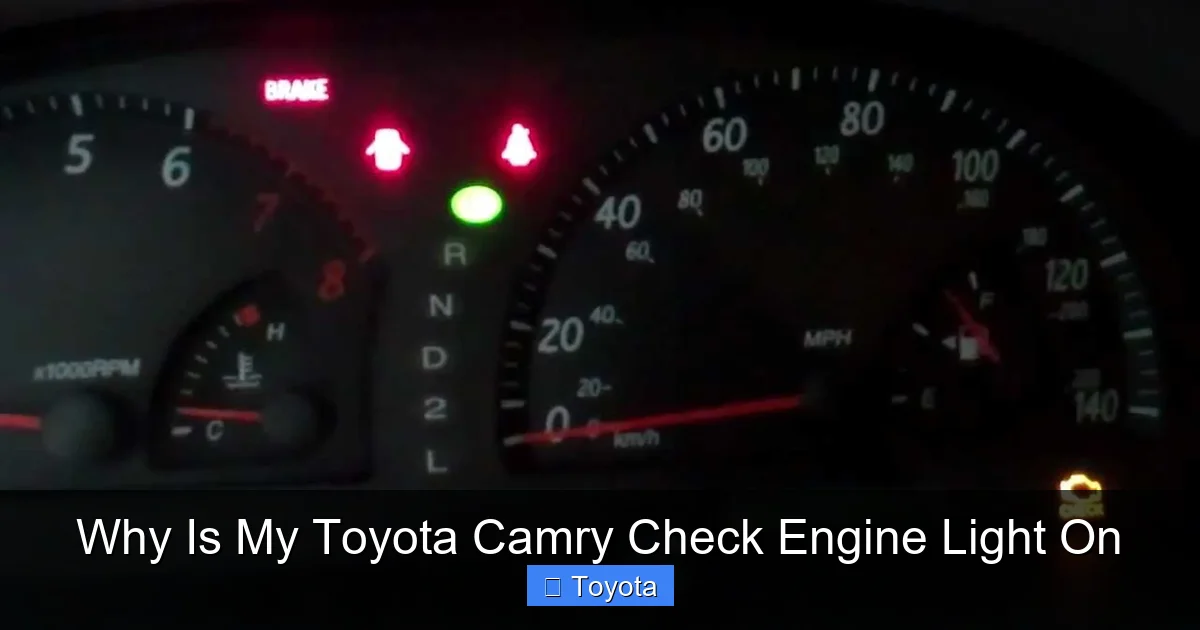
Visual guide about Why Is My Toyota Camry Check Engine Light On
Image source: img.toyotask.com
Now that you know what the light means, let’s dive into the most common reasons it might be on in your Toyota Camry. Many of these issues are preventable with regular maintenance, while others are simply part of normal wear and tear.
1. Loose or Faulty Gas Cap
Believe it or not, one of the top reasons the check engine light comes on is something as simple as a loose, damaged, or missing gas cap. The gas cap seals the fuel system, preventing fuel vapors from escaping into the atmosphere. If it’s not tightened properly after filling up, or if it’s cracked or worn, the system detects a leak in the evaporative emissions (EVAP) system.
What to do: After fueling, make sure the gas cap clicks three to five times when tightened. If the light comes on shortly after filling up, try tightening the cap and driving a few miles. The light may turn off on its own after a few drive cycles.
If the cap is damaged, replace it with a genuine Toyota part or a high-quality aftermarket cap designed for your Camry’s year and model.
2. Oxygen (O2) Sensor Failure
Your Camry has one or more oxygen sensors located in the exhaust system. These sensors measure the amount of unburned oxygen in the exhaust and help the engine control unit adjust the air-fuel mixture for optimal combustion.
When an O2 sensor fails, the engine may run rich (too much fuel) or lean (too little fuel), leading to poor fuel economy, increased emissions, and reduced performance.
Signs of a bad O2 sensor:
– Decreased gas mileage
– Rough idle
– Engine hesitation or surging
– Failed emissions test
What to do: O2 sensors typically last 60,000 to 100,000 miles. If your Camry is older or has high mileage, consider replacing the sensor. A mechanic can test it and confirm if it’s faulty.
3. Catalytic Converter Problems
The catalytic converter is a critical part of your Camry’s emissions system. It converts harmful gases like carbon monoxide and nitrogen oxides into less harmful substances before they exit the tailpipe.
Over time, the converter can become clogged or damaged—often due to engine misfires, oil burning, or coolant leaks. A failing catalytic converter will trigger the check engine light, usually with codes like P0420.
Signs of a bad catalytic converter:
– Reduced engine power
– Rotten egg smell from exhaust
– Rattling noise under the car
– Poor fuel economy
What to do: A clogged converter can’t be cleaned—it must be replaced. This is a costly repair ($1,000–$2,500), so it’s best to address underlying issues (like misfires) early to prevent damage.
4. Mass Airflow (MAF) Sensor Issues
The mass airflow (MAF) sensor measures how much air is entering the engine. This data helps the ECU determine how much fuel to inject for the right air-fuel ratio.
If the MAF sensor is dirty, damaged, or malfunctioning, your Camry may experience:
– Rough idling
– Hesitation during acceleration
– Stalling
– Poor fuel economy
Dirt, oil, or debris on the sensor’s wire or plate can interfere with readings. Sometimes, simply cleaning the sensor with MAF cleaner can fix the problem.
What to do: Locate the MAF sensor (usually between the air filter and throttle body), remove it carefully, and spray it with MAF cleaner. Let it dry completely before reinstalling. If cleaning doesn’t help, the sensor may need replacement.
5. Spark Plug or Ignition Coil Failure
Spark plugs ignite the air-fuel mixture in the engine’s cylinders. Ignition coils provide the high voltage needed to create the spark. Over time, spark plugs wear out, and coils can fail—especially in higher-mileage Camrys.
When a spark plug or coil fails, the engine may misfire, causing the check engine light to come on (often with codes like P0301–P0306, indicating a misfire in a specific cylinder).
Signs of ignition problems:
– Engine shaking or vibrating
– Loss of power
– Rough idle
– Increased fuel consumption
What to do: Spark plugs should be replaced every 60,000 to 120,000 miles, depending on the type (copper, platinum, or iridium). Ignition coils may last longer but should be inspected if a misfire is detected. Replacing them promptly prevents damage to the catalytic converter.
6. EVAP System Leaks
The evaporative emissions (EVAP) system captures fuel vapors from the gas tank and prevents them from escaping into the air. It includes components like the gas cap, purge valve, vent valve, and charcoal canister.
A small leak—such as a cracked hose or faulty valve—can trigger the check engine light with codes like P0442 (small EVAP leak) or P0455 (large EVAP leak).
What to do: Check all EVAP hoses for cracks or disconnections. Ensure the gas cap is tight and in good condition. If the issue persists, a smoke test can help locate the leak.
When Should You Worry About the Check Engine Light?
Visual guide about Why Is My Toyota Camry Check Engine Light On
Image source: toyotacheckenginelight.com
Not every check engine light means a major repair is looming. But knowing when to act can save you from bigger problems.
Solid Light vs. Flashing Light
– Solid (steady) light: This usually means a non-critical issue. You can continue driving, but schedule a diagnostic scan soon. Common causes include a loose gas cap, O2 sensor issue, or minor EVAP leak.
– Flashing light: This is urgent. It typically indicates a severe engine misfire that can damage the catalytic converter within minutes. Pull over safely, turn off the engine, and call a tow truck or roadside assistance.
Performance Issues to Watch For
Even if the light is steady, pay attention to how your Camry is running. If you notice any of the following, get it checked immediately:
– Engine shaking or vibrating
– Loss of power or acceleration
– Rough idle or stalling
– Unusual smells (like rotten eggs or burning)
– Loud noises from the engine or exhaust
These symptoms suggest a more serious problem that could worsen if ignored.
When to See a Mechanic
You should visit a qualified mechanic or Toyota service center if:
– The check engine light is flashing
– You notice performance problems
– The light stays on after tightening the gas cap
– You’ve tried basic fixes (like cleaning the MAF sensor) with no improvement
– Your Camry fails an emissions test
A professional diagnostic scan will read the trouble codes and help determine the exact cause. Many auto parts stores offer free code reading, but a mechanic can interpret the results and recommend the best repair.
DIY Fixes vs. Professional Help
Many check engine light issues can be resolved at home with basic tools and knowledge. But some problems require professional expertise.
DIY Fixes You Can Try
- Tighten or replace the gas cap: Simple, inexpensive, and often effective.
- Clean the MAF sensor: Use MAF cleaner and follow instructions carefully.
- Replace spark plugs: If you’re comfortable with basic engine work, this is doable at home.
- Check EVAP hoses: Inspect for cracks or loose connections.
Always disconnect the battery before working on electrical components, and consult your owner’s manual or a repair guide for your Camry’s specific year and engine.
When to Call a Professional
Some repairs are best left to experts:
– Replacing oxygen sensors (may require special tools)
– Diagnosing and repairing catalytic converter issues
– Fixing complex EVAP system leaks
– Addressing transmission or engine control module problems
A certified Toyota technician has access to factory tools, software, and training to accurately diagnose and repair your Camry.
How to Prevent the Check Engine Light from Coming On
An ounce of prevention is worth a pound of cure—especially when it comes to your Toyota Camry.
Follow the Maintenance Schedule
Your Camry’s owner’s manual includes a recommended maintenance schedule. Stick to it. Regular oil changes, air filter replacements, and spark plug changes keep the engine running smoothly and reduce the risk of sensor failures.
Use Quality Fuel and Parts
Fill up at reputable gas stations to avoid contaminated fuel. Use genuine Toyota parts or high-quality aftermarket equivalents for repairs.
Don’t Ignore Small Issues
A rough idle, strange noise, or drop in fuel economy might seem minor—but they can be early signs of a problem that will eventually trigger the check engine light. Address them early.
Keep the Engine Clean
Dirt and debris can affect sensors and airflow. Periodically clean the engine bay (with care) and ensure the air filter is clean.
Drive Responsibly
Avoid aggressive driving, excessive idling, and overloading your Camry. These habits put extra stress on the engine and emissions system.
Conclusion
The check engine light in your Toyota Camry is a helpful warning system—not a cause for panic. While it can indicate anything from a loose gas cap to a failing catalytic converter, most issues are manageable with timely attention.
By understanding the common causes, knowing when to act, and staying on top of maintenance, you can keep your Camry running reliably for years to come. Don’t ignore the light. Whether you tackle simple fixes yourself or visit a trusted mechanic, addressing the issue early saves money, prevents breakdowns, and keeps your Camry—and you—on the road.
Remember: your Camry is designed to last. With a little care and attention, that check engine light will stay off where it belongs.
Frequently Asked Questions
Can I drive my Toyota Camry with the check engine light on?
Yes, if the light is steady and the car is running normally, you can drive it short distances. However, you should get it checked as soon as possible to avoid potential damage.
How much does it cost to fix a check engine light issue?
Costs vary widely. A loose gas cap is free to fix, while replacing a catalytic converter can cost over $2,000. Most common repairs (like O2 sensors or spark plugs) range from $100 to $400.
Will the check engine light turn off on its own?
Sometimes, yes—especially if the issue was temporary, like a loose gas cap. The light may turn off after a few drive cycles if the problem is resolved.
Can a bad battery cause the check engine light to come on?
Yes, a weak or failing battery can cause electrical issues that trigger the light. Have your battery and charging system tested if the light appears unexpectedly.
Do I need a mechanic to read the check engine light code?
No—many auto parts stores offer free code reading. However, a mechanic can interpret the code and recommend the best repair.
Is it safe to ignore the check engine light?
No. While some causes are minor, ignoring the light can lead to serious engine damage, reduced fuel economy, and failed emissions tests. Always investigate the cause.