Why Is My Subaru Overheating

Contents

Portable Work Light

Windshield Cleaning Tool

Radiator Coolant

Reflective Stickers
If your Subaru is overheating, it’s often due to coolant leaks, a faulty thermostat, or a failing water pump. Ignoring the problem can lead to serious engine damage, so early diagnosis and repair are crucial.
Key Takeaways
- Low coolant levels are a top cause: Leaks or evaporation can reduce coolant, leading to overheating. Always check the reservoir and radiator.
- A stuck thermostat blocks coolant flow: If the thermostat fails to open, coolant can’t circulate, causing the engine to overheat.
- The water pump keeps coolant moving: A worn or leaking water pump won’t circulate coolant properly, leading to heat buildup.
- Radiator issues reduce cooling efficiency: Clogs, leaks, or damaged fins prevent proper heat dissipation from the radiator.
- Head gasket failure is serious and costly: A blown head gasket can let coolant leak into the engine, causing overheating and white exhaust smoke.
- Electrical problems affect the cooling fan: A faulty fan relay or sensor can stop the radiator fan from turning on when needed.
- Regular maintenance prevents overheating: Flushing coolant, inspecting hoses, and checking belts can catch problems early.
📑 Table of Contents
Why Is My Subaru Overheating? A Complete Guide to Diagnosis and Repair
You’re driving down the highway, enjoying the smooth ride of your Subaru, when suddenly the temperature gauge starts creeping into the red zone. Your heart skips a beat. Is your Subaru overheating? It’s a scary moment—especially if you’re far from home or a mechanic. Overheating isn’t just an inconvenience; it can lead to serious engine damage if ignored. But don’t panic. Understanding why your Subaru is overheating is the first step toward fixing it and preventing future issues.
Subaru vehicles are known for their reliability, all-wheel drive capability, and boxer engine design. But like any car, they’re not immune to mechanical problems. Overheating can happen to any Subaru model—whether it’s an Outback, Forester, Impreza, or WRX. The good news? Most overheating issues are preventable and fixable with the right knowledge. In this guide, we’ll walk you through the most common causes of Subaru overheating, how to spot the warning signs, and what you can do to get your car back to running cool and smooth.
Common Causes of Subaru Overheating
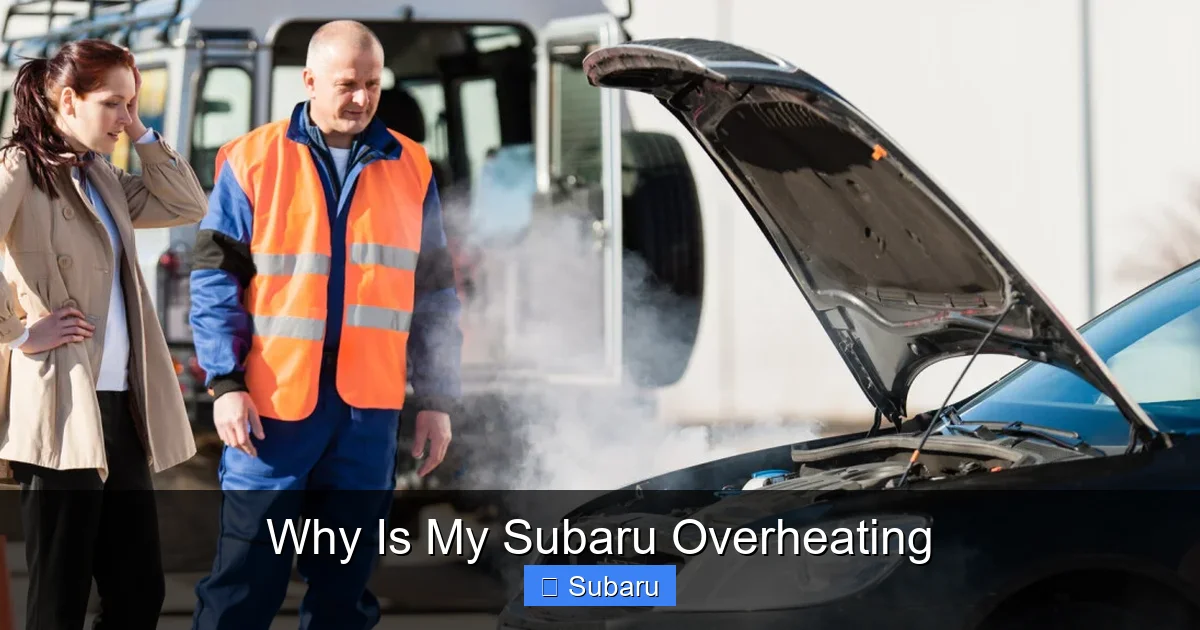
When your Subaru starts running hot, it’s usually because the cooling system isn’t doing its job. The cooling system is made up of several components working together: the radiator, water pump, thermostat, coolant, hoses, and fan. If any part fails or gets clogged, heat builds up in the engine. Let’s look at the most common culprits behind Subaru overheating.
Visual guide about Why Is My Subaru Overheating
Image source: dealerinspire-image-library-prod.s3.us-east-1.amazonaws.com
Low Coolant Levels
Coolant—also called antifreeze—is the lifeblood of your engine’s cooling system. It absorbs heat from the engine and carries it to the radiator, where it’s released into the air. If your coolant level is low, there isn’t enough fluid to do this job, and the engine overheats.
Low coolant can result from leaks or evaporation over time. Common leak spots include the radiator, hoses, water pump, and heater core. You might notice a sweet-smelling puddle under your car or see coolant dripping from the front of the engine. Even small leaks can add up over time, so it’s important to check your coolant regularly.
Tip: Check your coolant reservoir when the engine is cold. The level should be between the “MIN” and “MAX” marks. If it’s low, top it off with the correct type of coolant (usually a 50/50 mix of antifreeze and distilled water). But don’t stop there—find and fix the leak to prevent it from happening again.
Faulty Thermostat
The thermostat is a small but critical part that controls when coolant flows through the engine. When the engine is cold, the thermostat stays closed, allowing the engine to warm up quickly. Once it reaches operating temperature, the thermostat opens, letting coolant circulate.
If the thermostat gets stuck closed, coolant can’t flow, and the engine overheats—even if there’s plenty of coolant. This is a common issue in older Subarus or those with high mileage. You might notice the temperature gauge rising quickly, especially during stop-and-go traffic or idling.
Example: A 2012 Subaru Forester owner noticed their car overheating in city driving but running fine on the highway. After inspection, the mechanic found a stuck thermostat. Replacing it solved the problem immediately.
Tip: If you suspect a thermostat issue, have it tested or replaced. It’s a relatively inexpensive part, and replacing it can save you from costly engine repairs down the road.
Water Pump Failure
The water pump is like the heart of the cooling system. It uses an impeller to push coolant through the engine and radiator. If the pump fails, coolant stops circulating, and the engine heats up rapidly.
Signs of a failing water pump include coolant leaks near the front of the engine, a whining or grinding noise from the pump area, or overheating that happens even when coolant levels are normal. In some Subarus, the water pump is driven by the timing belt, so if the belt is old or damaged, it can affect the pump’s performance.
Tip: If your Subaru has a timing belt-driven water pump, consider replacing both at the same time during scheduled maintenance. This can prevent unexpected failures and save on labor costs.
Radiator Problems
The radiator is where coolant releases heat to the outside air. If the radiator is clogged, damaged, or leaking, it can’t cool the coolant effectively, leading to overheating.
Common radiator issues include debris blocking the fins (like leaves or bugs), internal corrosion, or physical damage from road debris. You might also notice coolant leaking from the radiator or see steam coming from under the hood.
Example: A Subaru Outback driven in rural areas picked up mud and grass in the radiator, blocking airflow. The owner didn’t notice until the car started overheating on a hot day. Cleaning the radiator and replacing a damaged hose fixed the issue.
Tip: Inspect your radiator regularly, especially after driving in dusty or muddy conditions. Use a garden hose to gently clean the fins from the back to avoid bending them.
Blown Head Gasket
A blown head gasket is one of the most serious causes of overheating. The head gasket seals the engine block and cylinder head, keeping coolant and oil separate. If it fails, coolant can leak into the combustion chamber or oil passages.
Symptoms include white smoke from the exhaust (steam from burning coolant), milky oil on the dipstick, overheating, and loss of power. This is a major repair that often requires engine disassembly.
Warning: If you suspect a blown head gasket, stop driving immediately. Continuing to run the engine can cause warped cylinder heads or cracked engine blocks—repairs that can cost thousands.
Tip: Regular coolant changes and avoiding overheating can help prevent head gasket failure. If your Subaru has a history of overheating, have the head gasket inspected during major services.
Electrical and Sensor Issues
Modern Subarus rely on sensors and electrical systems to manage engine temperature. If these components fail, the cooling system might not respond properly, leading to overheating.

Visual guide about Why Is My Subaru Overheating
Image source: wheelsjoint.com
Cooling Fan Not Working
The radiator fan helps pull air through the radiator when the car is idling or moving slowly. If the fan doesn’t turn on, heat builds up, especially in traffic.
Common causes include a blown fuse, faulty relay, bad temperature sensor, or a burned-out motor. You might notice the fan not spinning when the engine is hot or hear no noise from the fan area.
Tip: Check the fuses and relays first—they’re easy and cheap to replace. If those are fine, have the fan motor and sensor tested by a mechanic.
Faulty Temperature Sensor
The engine coolant temperature (ECT) sensor tells the car’s computer how hot the engine is. If the sensor gives a false reading, the computer might not activate the fan or adjust fuel mixture correctly.
This can cause the engine to run too hot or too cold. You might see erratic temperature gauge readings or the check engine light coming on.
Tip: Use an OBD2 scanner to check for trouble codes related to the ECT sensor. Replacing the sensor is usually straightforward and affordable.
Preventing Subaru Overheating
The best way to deal with overheating is to stop it before it starts. Regular maintenance and smart driving habits can go a long way in keeping your Subaru cool.
Visual guide about Why Is My Subaru Overheating
Image source: comeanddriveit.com
Regular Coolant Flushes
Coolant breaks down over time and loses its ability to transfer heat and prevent corrosion. Subaru recommends flushing and replacing coolant every 30,000 to 60,000 miles, depending on the model and driving conditions.
During a flush, old coolant is drained, and the system is cleaned before adding fresh coolant. This removes rust, scale, and contaminants that can clog the radiator or water pump.
Tip: Use only the coolant specified in your owner’s manual. Mixing different types can cause chemical reactions that damage the cooling system.
Inspect Hoses and Belts
Coolant hoses can crack, swell, or leak over time. The serpentine belt or timing belt (depending on your model) drives the water pump and other components. If a belt slips or breaks, the water pump stops working.
Check hoses for soft spots, bulges, or leaks. Look for cracks or fraying on belts. Replace them if they show signs of wear.
Tip: Replace belts and hoses during major services or if your car has high mileage. It’s cheaper than dealing with a breakdown.
Monitor the Temperature Gauge
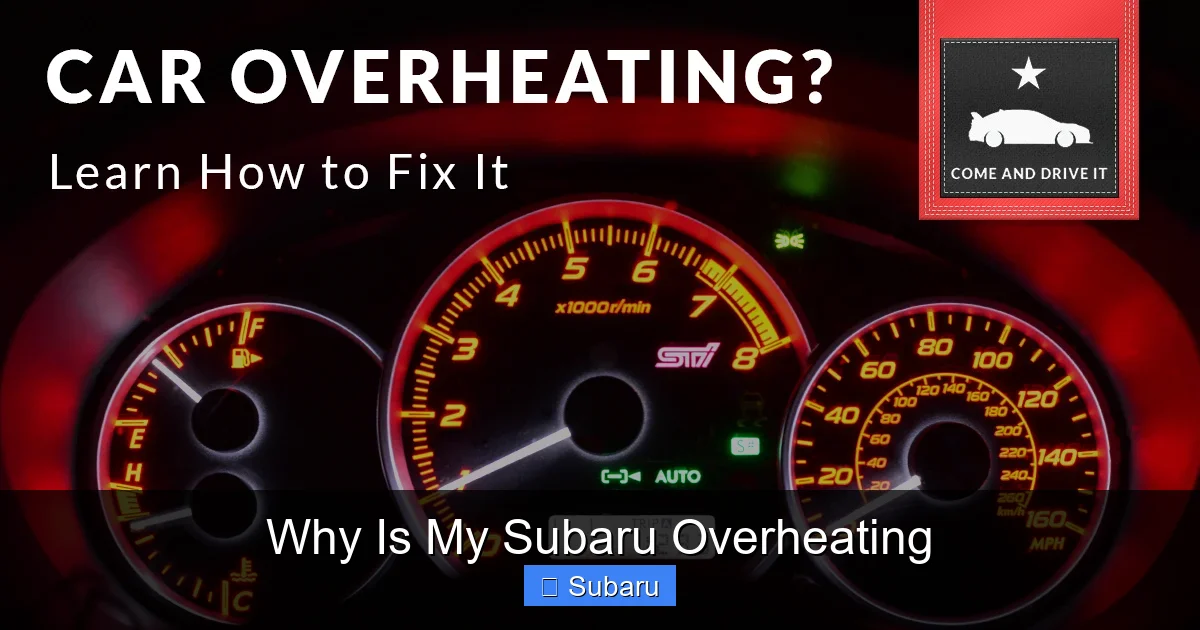
Most Subarus have a digital temperature display or a gauge on the dashboard. Get familiar with what “normal” looks like. If the temperature starts to rise, pull over safely and turn off the engine.
Don’t ignore warning lights or gauges. Early action can prevent major damage.
Tip: If you’re driving in hot weather or towing, keep an extra eye on the temperature. These conditions put extra strain on the cooling system.
When to See a Mechanic
Some overheating issues are easy to fix at home, like topping off coolant or replacing a fuse. But others require professional diagnosis and repair.
See a mechanic if:
- The temperature gauge stays in the red even after adding coolant
- You see steam or smell burning coolant
- The check engine light is on
- You notice white exhaust smoke or milky oil
- The cooling fan doesn’t turn on when the engine is hot
A trained technician can perform a pressure test to find leaks, check the head gasket with a combustion leak test, or scan for diagnostic trouble codes.
Tip: Choose a mechanic familiar with Subarus. Their boxer engines and all-wheel drive systems have unique designs that not all shops understand.
Conclusion
Why is your Subaru overheating? The answer usually lies in the cooling system—whether it’s low coolant, a stuck thermostat, a failing water pump, or a more serious issue like a blown head gasket. While overheating can be alarming, most causes are preventable with regular maintenance and attention to warning signs.
By checking coolant levels, inspecting hoses and belts, and responding quickly to temperature changes, you can keep your Subaru running cool and reliable for years to come. And if you do run into trouble, don’t delay—addressing overheating early can save you from expensive repairs and keep you safely on the road.
Frequently Asked Questions
Why is my Subaru overheating when the coolant is full?
Even with full coolant, your Subaru can overheat if the thermostat is stuck closed, the water pump isn’t circulating fluid, or the radiator fan isn’t working. Electrical issues or a blown head gasket can also cause overheating despite adequate coolant levels.
Can low oil cause a Subaru to overheat?
Low oil doesn’t directly cause overheating, but it can lead to increased engine friction and heat. In severe cases, especially with a blown head gasket, oil and coolant can mix, reducing cooling efficiency and contributing to overheating.
How often should I change the coolant in my Subaru?
Subaru recommends coolant changes every 30,000 to 60,000 miles, depending on the model and driving conditions. Check your owner’s manual for the exact interval and use the specified coolant type.
Is it safe to drive a Subaru that’s overheating?
No. Driving while overheating can cause serious engine damage, including warped cylinder heads or a cracked block. Pull over safely, turn off the engine, and call for assistance.
Why does my Subaru overheat in traffic but not on the highway?
This often points to a cooling fan issue. At highway speeds, airflow cools the radiator naturally, but in traffic, the fan is needed to pull air through. If the fan isn’t working, overheating occurs at low speeds.
Can a clogged radiator cause overheating?
Yes. A clogged radiator can’t release heat effectively, causing coolant to stay hot and the engine to overheat. Debris, rust, or internal corrosion can block airflow or coolant flow.