Why Is My Car Battery Sparking When Connecting
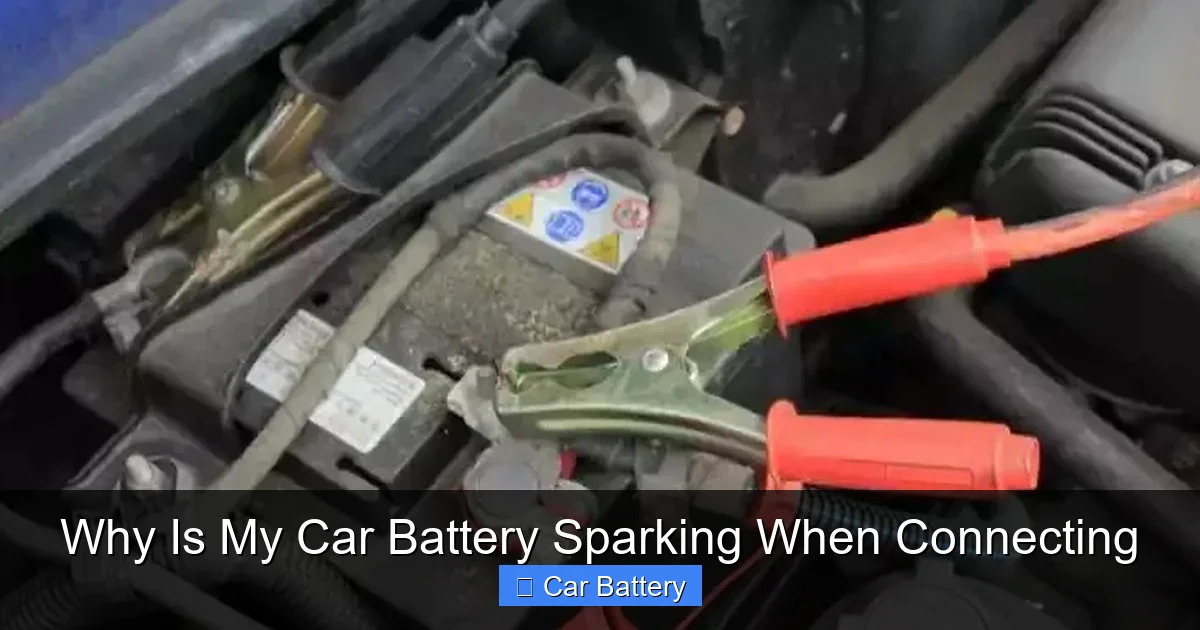
Seeing sparks when connecting your car battery can be alarming, but it’s often normal—especially if the connection is made with the positive terminal first. However, excessive or continuous sparking may signal a deeper electrical issue. Understanding the causes and taking proper precautions ensures safety and protects your vehicle’s electrical system.
In This Article
- 1 Key Takeaways
- 2 📑 Table of Contents
- 3 Why Is My Car Battery Sparking When Connecting?
- 4 Understanding How Car Batteries Work
- 5 Common Causes of Battery Sparking
- 6 Safety Risks of Battery Sparking
- 7 How to Safely Connect a Car Battery
- 8 When to Worry: Signs of a Serious Problem
- 9 Maintenance Tips to Prevent Sparking
- 10 Conclusion
- 11 Frequently Asked Questions
Key Takeaways
- Normal inrush current: A small spark when connecting the battery is common due to the sudden flow of electricity as capacitors and systems power up.
- Reverse polarity danger: Connecting cables in the wrong order (negative first or reversed terminals) can cause dangerous sparks and damage electronics.
- Short circuits are risky: Loose tools or crossed cables can create a direct short, leading to intense sparking, heat, and potential fire.
- Parasitic drain may be present: A continuous draw on the battery when the car is off can increase sparking and indicate a faulty component.
- Corrosion increases resistance: Dirty or corroded terminals can cause arcing and inconsistent connections, leading to visible sparks.
- Always follow proper sequence: Connect positive first, then negative—and reverse the order when removing—to minimize sparking and risk.
- Safety gear is essential: Wear gloves and eye protection when handling car batteries to prevent injury from acid or sudden sparks.
📑 Table of Contents
Why Is My Car Battery Sparking When Connecting?
You’re under the hood, ready to jump-start your car or replace a dead battery. You connect the positive cable, then the negative—and suddenly, a bright spark jumps between the terminal and the clamp. Your heart skips a beat. Is this normal? Should you be worried?
The short answer? A small spark is usually nothing to panic about. But understanding why it happens—and when it might signal a problem—can save you from costly repairs or even personal injury. Car batteries store a lot of energy, and when that energy suddenly flows into a circuit, it can create a visible spark. However, not all sparks are created equal. Some are harmless, while others point to serious electrical issues.
In this guide, we’ll break down the science behind battery sparking, explore the most common causes, and give you practical tips to stay safe. Whether you’re a weekend mechanic or just trying to get your car running again, knowing what’s normal—and what’s not—will help you handle your battery with confidence.
Understanding How Car Batteries Work
Visual guide about Why Is My Car Battery Sparking When Connecting
Image source: cobbtire.com
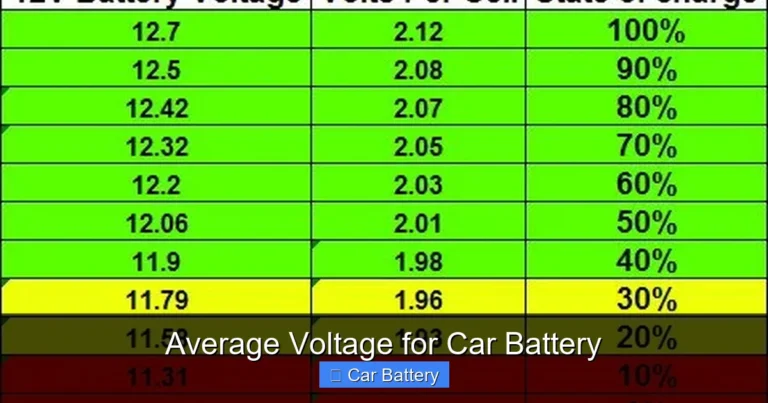
Before diving into why your battery sparks, it helps to understand how a car battery functions. At its core, a car battery is a rechargeable power source that stores chemical energy and converts it into electrical energy. Most vehicles use a 12-volt lead-acid battery, which consists of six cells connected in series. Each cell produces about 2 volts, adding up to the standard 12 volts needed to start your engine and power electrical components.
When you turn the key, the battery sends a surge of electricity to the starter motor, which cranks the engine. Once the engine is running, the alternator takes over, recharging the battery and powering the car’s systems. But even when the engine is off, the battery supplies power to things like the clock, security system, and onboard computers.
This constant state of readiness means the battery is always connected to a complex web of circuits. When you disconnect and reconnect the battery, you’re essentially interrupting and re-establishing this flow of electricity. And that’s where sparking can occur.
The Role of Inrush Current
One of the main reasons you see a spark is due to something called inrush current. Think of it like turning on a garden hose that’s been sitting empty. When you first open the valve, water rushes out quickly before settling into a steady flow. Similarly, when you reconnect a battery, the electrical system “wakes up” and draws a sudden burst of current to charge capacitors, power modules, and reset systems.
This initial surge is normal and expected. It’s especially noticeable in modern cars with advanced electronics—like infotainment systems, sensors, and control units—that require a quick power-up sequence. The spark you see is simply the visual result of electrons jumping the gap between the terminal and the clamp as the circuit closes.
Why Modern Cars Spark More
Older vehicles with simpler electrical systems tended to have less noticeable sparking. But today’s cars are packed with technology. Features like keyless entry, automatic climate control, and digital dashboards all rely on constant power. When the battery is disconnected, these systems go into a low-power or standby mode. Reconnecting the battery wakes them up all at once, increasing the likelihood of a visible spark.
Additionally, some vehicles have capacitors in the audio system or alarm system that store a small charge. When the battery is reconnected, these capacitors rapidly draw current to recharge, contributing to the spark.
So, if you’ve noticed more sparking in your newer car compared to an older model, it’s likely due to the increased electrical demand—not a fault.
Common Causes of Battery Sparking
Visual guide about Why Is My Car Battery Sparking When Connecting
Image source: autohitch.com
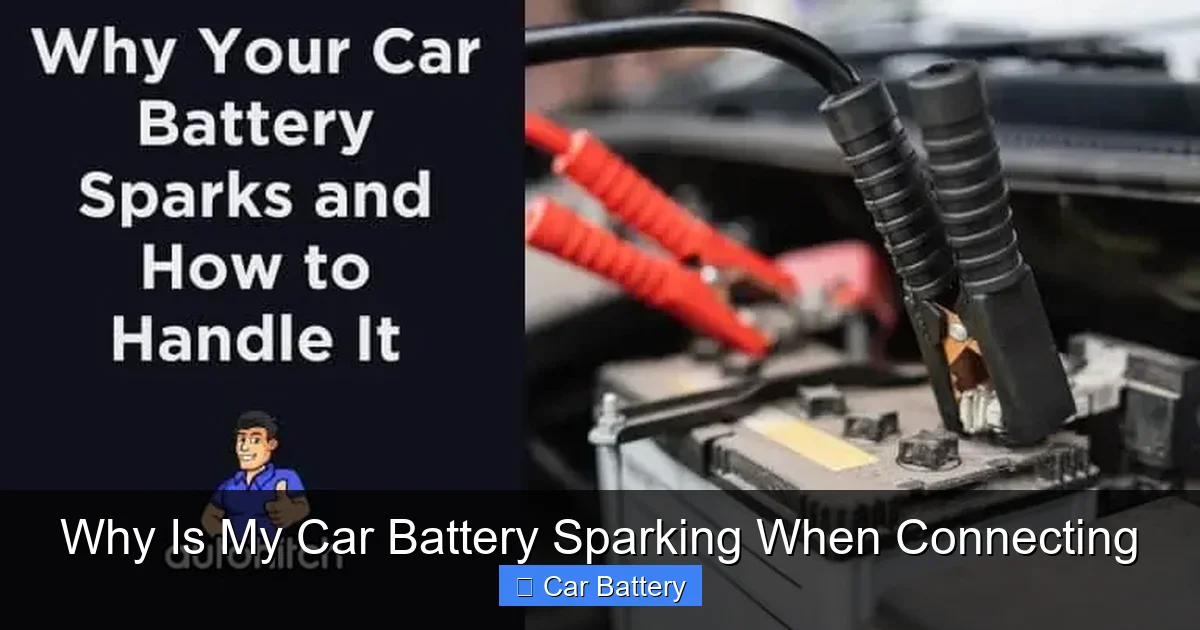
While a small spark is normal, excessive or repeated sparking can indicate an underlying issue. Let’s look at the most common causes—and how to tell the difference between harmless and hazardous.
1. Normal Electrical Surge
As mentioned, the most common cause of sparking is the normal inrush of current when the battery is reconnected. This is especially true if you connect the positive terminal first, which is the recommended sequence. The spark occurs because the electrical system is suddenly energized after being offline.
For example, if you’ve just replaced your battery or jump-started your car, a brief spark when attaching the final cable is typical. It’s the system’s way of “waking up” and drawing power to initialize components.
2. Reverse Polarity Connection
This is a big one—and potentially dangerous. If you accidentally connect the cables in the wrong order (negative to positive terminal or vice versa), you create a reverse polarity situation. This can cause a massive spark, smoke, or even an explosion in extreme cases.
Why? Because the battery is now feeding power backward into the system. Modern cars have diodes and fuses designed to protect against this, but they can still be damaged. You might notice a loud pop, a burning smell, or blown fuses if this happens.
Always double-check your connections: red cable to positive (+), black cable to negative (–). And remember: connect positive first, then negative.
3. Short Circuit
A short circuit occurs when the positive and negative terminals are accidentally connected through a conductive path—like a metal tool or a loose cable. This creates a direct flow of electricity with little resistance, leading to intense sparking, heat, and potentially a fire.
For instance, if you drop a wrench across both battery terminals while working, it can complete the circuit instantly. The result? A bright flash, possible damage to the tool, and risk of injury.
To avoid this, always keep tools away from the battery terminals and use insulated handles. Never place metal objects on top of the battery.
4. Parasitic Drain
A parasitic drain happens when something in your car continues to draw power from the battery even when the engine is off. Common culprits include faulty relays, stuck interior lights, or aftermarket devices like dash cams or alarms.
When you reconnect the battery, the parasitic load immediately begins drawing current, which can increase the intensity of the spark. If you notice a strong spark every time you reconnect—even after a short disconnection—it could be a sign of a hidden drain.
To test for this, use a multimeter to check the current draw with the car off. A normal draw is usually under 50 milliamps. Anything higher suggests a problem.
5. Corroded or Loose Terminals
Corrosion on battery terminals—often appearing as a white, green, or blue powdery substance—increases electrical resistance. When you reconnect the cable, the current has to “jump” through the corrosion, which can cause arcing and visible sparks.
Similarly, loose or poorly fitted clamps don’t make solid contact. This creates a gap where electricity can arc, leading to sparking and potential damage over time.
Regular maintenance, like cleaning terminals with a baking soda and water solution and tightening clamps, can prevent this issue.
Safety Risks of Battery Sparking
Visual guide about Why Is My Car Battery Sparking When Connecting
Image source: motorsvibe.com
While a small spark is usually harmless, ignoring the signs can lead to serious consequences. Understanding the risks helps you take the right precautions.
Fire and Explosion Hazards
Car batteries produce hydrogen gas during charging—especially when overcharged or damaged. This gas is highly flammable. A spark near the battery can ignite it, leading to an explosion.
This is why you should never smoke, use open flames, or create sparks near a battery. Always work in a well-ventilated area and avoid touching both terminals at the same time with a metal object.
Damage to Electronics
Modern vehicles rely on sensitive electronics. A large spark or reverse polarity can send a power surge through the system, damaging the ECU (engine control unit), sensors, or infotainment system. Repairs can be expensive—sometimes costing hundreds or even thousands of dollars.
Even a brief short circuit can fry circuit boards or blow fuses. That’s why it’s crucial to follow proper connection procedures and use surge protectors when working on electrical systems.
Personal Injury
Battery acid is corrosive and can cause chemical burns. If a spark leads to a rupture or leak, you could be exposed to sulfuric acid. Additionally, the force of an explosion can send battery fragments flying.
Always wear safety goggles and gloves when handling batteries. If acid gets on your skin, rinse immediately with plenty of water and seek medical attention if necessary.
How to Safely Connect a Car Battery
Now that you know the risks, let’s talk about how to connect your battery safely—and minimize sparking.
Step-by-Step Connection Guide
Follow this sequence every time:
- Turn off the ignition and remove the key. This ensures no power is flowing when you start.
- Put on safety gear. Wear gloves and eye protection.
- Inspect the battery and terminals. Look for corrosion, cracks, or damage. Clean if necessary.
- Connect the positive cable first. Attach the red clamp to the positive (+) terminal. Tighten securely.
- Connect the negative cable second. Attach the black clamp to the negative (–) terminal. This is where you’re most likely to see a spark—and that’s okay if it’s brief.
- Start the vehicle. Turn the key and let the engine run for a few minutes to allow the alternator to recharge the battery.
When disconnecting, reverse the order: remove negative first, then positive. This reduces the risk of short circuits.
Tips to Reduce Sparking
- Use a battery maintainer: If you’re storing a car or working on it for a long time, use a trickle charger or maintainer to keep the battery charged without disconnecting it.
- Touch the clamp gently: Instead of slamming the clamp onto the terminal, lower it slowly and let it make contact. This reduces the chance of a large arc.
- Check for accessories: Turn off all lights, radios, and accessories before connecting. This reduces the initial load on the battery.
- Use insulated tools: This prevents accidental shorts if a tool slips.
When to Worry: Signs of a Serious Problem
Not all sparking is equal. Here’s how to tell if you should be concerned.
Excessive or Continuous Sparking
If the spark is large, lasts more than a second, or keeps happening even after the connection is secure, it could indicate a short circuit or faulty component. Stop immediately and inspect the cables, terminals, and nearby wiring.
Battery Swelling or Leaking
A swollen battery case or visible acid leaks are red flags. This could mean the battery is overcharged, damaged, or nearing the end of its life. Do not attempt to reconnect it—replace it safely.
Burning Smell or Smoke
If you smell burning plastic or see smoke, disconnect the battery immediately and move away. This could signal an electrical fire or internal battery failure.
Repeated Dead Batteries
If your battery keeps dying and sparks heavily when reconnected, you may have a parasitic drain or a failing alternator. Have a mechanic perform a load test and electrical system check.
Maintenance Tips to Prevent Sparking
Prevention is always better than repair. Regular maintenance can reduce the likelihood of sparking and extend your battery’s life.
Clean Terminals Regularly
Use a mixture of baking soda and water to neutralize acid and remove corrosion. Scrub with a wire brush, rinse with water, and dry thoroughly. Apply a thin layer of petroleum jelly or terminal protector to prevent future buildup.
Tighten Connections
Loose clamps cause poor contact and arcing. Check them monthly and tighten as needed—but don’t over-tighten, as this can damage the terminal.
Inspect Cables and Fuses
Frayed cables or blown fuses can contribute to electrical issues. Replace damaged components promptly.
Test the Battery and Charging System
Most auto parts stores offer free battery and alternator testing. Get it checked annually, especially before winter, when cold weather stresses the battery.
Conclusion
Seeing a spark when connecting your car battery can be unsettling, but in most cases, it’s a normal part of the electrical process. The key is understanding what’s typical and what’s not. A brief spark when attaching the negative cable? Probably fine. A loud pop, smoke, or continuous arcing? That’s a sign to stop and investigate.
By following safe connection practices, maintaining your battery, and knowing the warning signs, you can protect yourself, your vehicle, and your wallet. Remember: when in doubt, consult a professional. Your safety is always worth the extra caution.
With the right knowledge and habits, you’ll handle your car battery with confidence—spark or no spark.
Frequently Asked Questions
Is it normal for a car battery to spark when connecting?
Yes, a small spark is normal, especially when connecting the negative terminal last. It’s caused by the sudden flow of electricity as the system powers up. However, large or continuous sparks may indicate a problem.
Can sparking damage my car’s electronics?
Yes, excessive sparking or reverse polarity can send power surges through sensitive electronics, potentially damaging the ECU, sensors, or infotainment system. Always follow proper connection procedures.
What should I do if my battery sparks a lot?
Stop immediately and inspect for loose cables, corrosion, or short circuits. If the sparking is intense or accompanied by smoke or smell, disconnect the battery and seek professional help.
Why does my battery spark even when the car is off?
This could be due to a parasitic drain—something in the car drawing power when it shouldn’t. Use a multimeter to check for abnormal current draw and have the system inspected.
Can I prevent battery sparking?
You can reduce sparking by connecting cables in the correct order (positive first), cleaning terminals, and ensuring tight connections. Avoid dropping tools across terminals.
Is it safe to touch the battery terminals?
It’s safe if the battery is disconnected and you’re not touching both terminals at once. Always wear gloves and eye protection to guard against acid and accidental sparks.