Why Is Mazda So Cheap?

Contents
- 1 Key Takeaways
- 2 📑 Table of Contents
- 3 The Manufacturing Masterclass: Doing More With Less
- 4 Brand Positioning: The “Premium Accessible” Gamble
- 5 Skyactiv: The Engineering Engine of Value
- 6 Design & Interior: The Perception Game
- 7 Resale Value & Long-Term Ownership: The True Cost of “Cheap”
- 8 Comparison Time: Mazda vs. The Giants
- 9 The Bottom Line: It’s Not Cheap, It’s Smart
- 10 Frequently Asked Questions
Wiper Blade Refills

Car Mud Flaps (Universal)

Car Jump Starter

LED Emergency Road Flares
Mazda’s seemingly low prices aren’t about cutting corners—they’re a strategic choice. By focusing on efficient manufacturing, targeted branding, and innovative engineering like Skyactiv technology, Mazda delivers vehicles that feel far more expensive than they are. This approach means you get exceptional driving dynamics, upscale interiors, and strong reliability without the luxury tax. So, when you see a Mazda priced below rivals, remember: it’s smart value, not cheap quality.
You’re scrolling through new car listings, comparing SUVs in your budget. The Mazda CX-5 catches your eye. Its sleek lines, rich interior, and sporty driving demo feel like they belong in a higher price bracket. Then you see the sticker price. It’s thousands less than the similarly sized Honda CR-V or Toyota RAV4 you were just looking at. Your brain short-circuits. Why is Mazda so cheap? Is there a catch? Are they cutting corners? In 2026, this question is more relevant than ever as Mazda continues to punch far above its weight class. Let’s pop the hood on Mazda’s pricing strategy and discover why “cheap” might be the wrong word entirely.
The immediate assumption is that lower price equals lower quality. But with Mazda, the opposite is often true. The company has masterfully engineered a business and production model that allows it to inject a dose of “more” into every dollar you spend. “More” driving fun. “More” premium materials. “More” innovative tech. They achieve this not by being the biggest, but by being one of the most focused and efficient. So, let’s dive into the real reasons behind Mazda’s compelling value proposition.
Key Takeaways
- Efficiency Over Excess: Mazda’s manufacturing and design philosophy prioritizes lean, effective processes that reduce waste and cost without sacrificing core quality.
- Strategic Brand Positioning: Mazda consciously competes in the “premium accessible” space, offering near-luxury experiences at prices just below brands like BMW or Audi.
- Skyactiv Technology is a Cost-Saver: Its unified engineering approach (engines, transmissions, chassis) simplifies production and improves fuel economy, passing savings to consumers.
- Design & Interior as Value Drivers: Stunning Kodo design and high-quality cabin materials create a perception of value that justifies the price point psychologically.
- Focused Model Lineup: Mazda sells fewer models than giants like Toyota or Honda, allowing concentrated R&D and production efficiency.
- Resale Value is Solid: While not always the highest, Mazdas hold value well due to their strong reliability and desirable driving characteristics, protecting your investment.
- Ownership Costs are Low: Good fuel economy, reasonable maintenance costs, and strong reliability mean the “cheap” price extends to long-term affordability.
📑 Table of Contents
- The Manufacturing Masterclass: Doing More With Less
- Brand Positioning: The “Premium Accessible” Gamble
- Skyactiv: The Engineering Engine of Value
- Design & Interior: The Perception Game
- Resale Value & Long-Term Ownership: The True Cost of “Cheap”
- Comparison Time: Mazda vs. The Giants
- The Bottom Line: It’s Not Cheap, It’s Smart
The Manufacturing Masterclass: Doing More With Less
At its heart, Mazda is a smaller, more nimble company than its Japanese rivals. While Toyota and Honda operate on a global, massive scale, Mazda’s production volume is a fraction of theirs. This isn’t a weakness—it’s a strategic advantage. Smaller scale allows for greater agility and less bureaucratic overhead.
Lean Production and the “Monozukuri” Philosophy
Mazda embraces a philosophy called “Monozukuri,” which translates to “the art of making things.” It’s a deep commitment to craftsmanship, continuous improvement (Kaizen), and eliminating waste (Muda) in every single process. This isn’t just an assembly line efficiency play; it’s a cultural mindset. Workers are empowered to solve problems and refine methods on the fly. This relentless focus on efficiency means Mazda can build a vehicle with the same—or better—fit and finish as a larger competitor but at a lower operational cost. There’s less red tape, faster decision-making, and a tighter feedback loop between design, engineering, and factory floor.
For example, Mazda’s Hiroshima plant is renowned for its quality and efficiency. The company invests heavily in flexible manufacturing systems that can switch between models with minimal downtime. This flexibility is crucial for a smaller brand that can’t afford to dedicate entire factories to one low-volume model for years. It keeps their production smart and responsive to market changes, avoiding the costly overproduction that can sometimes force deep discounting at larger automakers.
Strategic Partnerships and Shared Platforms
While fiercely independent in design and driving dynamics, Mazda isn’t afraid of smart partnerships. Its long-standing technology partnership with Toyota is a prime example. This collaboration allows Mazda to access certain hybrid and electric vehicle technology without the immense R&D cost of developing it alone. It’s a cost-sharing model that accelerates their path to electrification—a critical move for 2026 and beyond—without breaking the bank.
Similarly, Mazda has historically collaborated with other manufacturers on specific components. Sharing development costs for things like infotainment hardware or advanced safety sensor suites with a partner spreads the financial burden. This allows Mazda to offer competitive tech features (like their excellent Mazda Connect system) without the sole burden of development. If you’re troubleshooting a Mazda app issue, you’re interacting with tech that benefits from this kind of collaborative engineering.
Brand Positioning: The “Premium Accessible” Gamble
This is perhaps the most critical strategic reason. Mazda isn’t trying to be a mainstream value brand like some of its competitors. Its goal for over a decade has been to become a “premium” brand. But not a luxury brand like Mercedes-Benz. Instead, Mazda targets the sweet spot: the “premium accessible” or “near-luxury” segment. Think of it as the automotive equivalent of a high-end fashion brand selling directly to consumers (DTC) at a fraction of the boutique price.

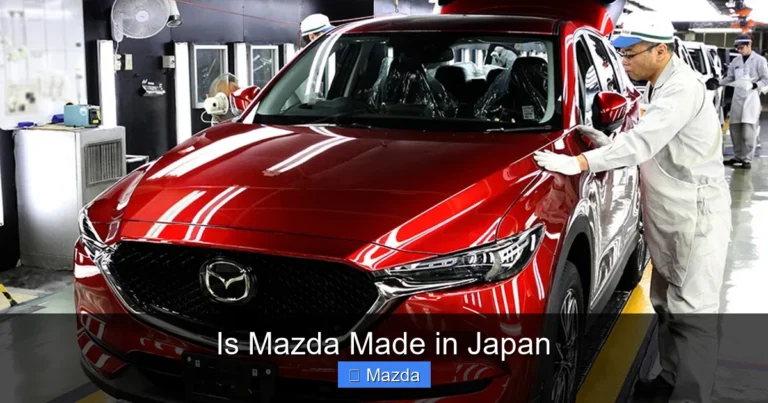
Visual guide about Why Is Mazda So Cheap?
Image source: yourgreatcar.com
Creating an Experience, Not Just a Car
Walk into a Mazda dealership in 2026. The atmosphere is more lounge than showroom. The cars inside are presented with care. The marketing focuses on “Jinba Ittai” (horse and rider as one)—the harmonious connection between driver and car. This is a premium narrative. Mazda is selling an emotional experience, a sense of driver purity and design elegance, that competitors often gloss over in favor of pure practicality or tech specs.
By positioning itself here, Mazda can command prices higher than a bare-bones value brand but still significantly lower than the established German luxury marques. The consumer gets a huge portion of the luxury feel—sumptuous Nappa leather, real wood trim, brilliant gauge cluster design, sublime steering feel—for a price that feels like a steal. The “cheap” perception comes from comparing it to the luxury giants, not from comparing its actual content to its segment peers.
The Risk and Reward of Focus
Mazda’s model lineup is refreshingly focused. You want a compact SUV? CX-5. A midsize? CX-50 or CX-90. A sedan? The stunning Mazda3 or Mazda6 (in markets where it remains). There’s no sprawling portfolio of niche crossovers and redundant sedans. This focus allows Mazda to pour its best technology, design language, and engineering into each model. The CX-90, for instance, isn’t a half-hearted entry; it’s a flagship with a new platform, inline-six engine, and premium interior meant to go toe-to-toe with an Audi Q7. Because they aren’t spreading resources thin across 20 different nameplates, the cost per vehicle for R&D and tooling is more manageable. This focused excellence, rather than diluted breadth, is a key to their value.
Skyactiv: The Engineering Engine of Value
You cannot discuss Mazda’s value without diving into Skyactiv. It’s not a single feature; it’s a holistic engineering philosophy that touches every core component of the vehicle. Launched over a decade ago, Skyactiv is the secret sauce that makes Mazda’s performance and efficiency possible at its price point.

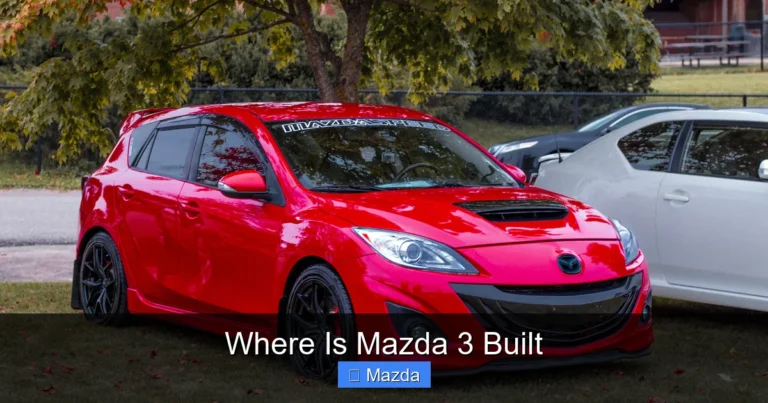
Visual guide about Why Is Mazda So Cheap?
Image source: vehiclefreak.com
One Philosophy, Many Parts
Skyactiv encompasses high-compression gasoline engines (like the 2.5L in the CX-5), smooth and efficient diesel engines (in select markets), lightweight yet rigid vehicle platforms, precise manual and automatic transmissions, and optimized chassis systems. The genius is in the integration. These components aren’t just bolted together; they’re designed from the ground up to work in perfect harmony.
Take the engine. Skyactiv-G engines use a high compression ratio to extract more power from less fuel. This means a 2.5L four-cylinder can produce power similar to a larger, less efficient V6 from a competitor, but with better fuel economy. Better economy means it can be marketed as a fuel-sipper, appealing to a wider audience without the need for costly hybrid systems (though those are coming). The transmission is designed to match the engine’s power band perfectly, further enhancing efficiency and drivability. This unified approach reduces the complexity and cost of making disparate systems play nice together—a major savings for the manufacturer.
Performance Without the Premium Price Tag
The result for the driver is a car that feels quick, responsive, and connected. The steering is wonderfully weighted, the chassis is taut, and the powertrain feels cohesive. You get a sports-car-like driving experience in a family SUV. Competitors often achieve similar dynamics only in their top, most expensive trims, or not at all. Mazda democratizes driving pleasure. The engineering cost of developing this cohesive system is high, but by applying it across its entire lineup—from the Mazda3 to the CX-90—the per-vehicle cost is amortized. It’s a brilliant investment that pays dividends in brand perception and value.
Design & Interior: The Perception Game
Human psychology plays a huge role in how we perceive value. Mazda is a master of this game. Its Kodo (Soul of Motion) design language makes every vehicle look like it’s moving even when parked. There’s a fluidity, a sense of tension and elegance, that belies the price tag. The exterior surfaces are clean, with minimal harsh lines, and the proportions are perfectly balanced. A CX-50 looks rugged and purposeful; a CX-90 looks stately and imposing. They look like cars that cost $50,000+.
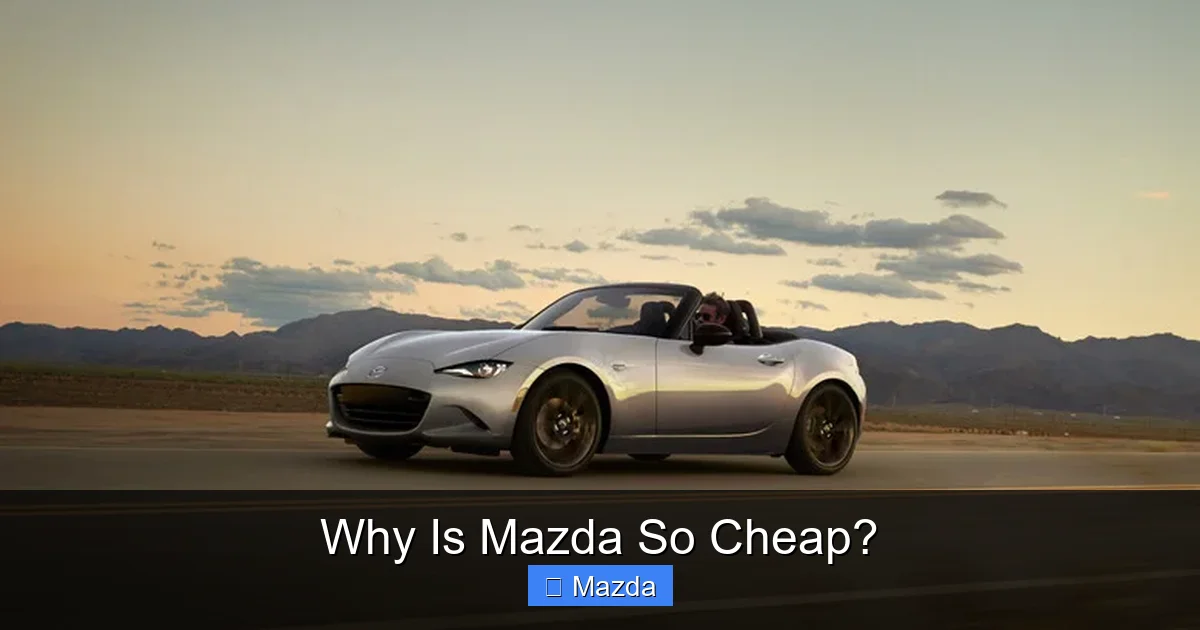
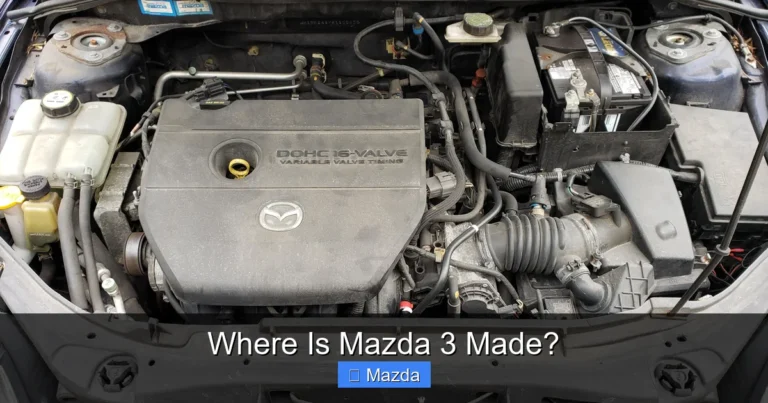
Visual guide about Why Is Mazda So Cheap?
Image source: slashgear.com
An Interior That Defies Its Price
Step inside a current Mazda. The materials are consistently impressive. Soft-touch plastics, available genuine wood and aluminum trim, impeccably stitched leather, and a driver-centric cockpit layout create an ambiance that shocks first-time buyers. The gauge cluster is a beautiful, analog-style digital display. The HVAC vents are hidden as stylish horizontal slits. The overall aesthetic is minimalist, clean, and upscale—reminiscent of a Scandinavian living room or a high-end watch face.
This interior quality is a direct result of Mazda’s design-first philosophy and its manufacturing efficiency. They source materials shrewdly and apply design flair to make standard features look luxurious. The perceived quality is so high that it immediately narrows the mental gap between the Mazda’s price and a luxury brand’s price. You feel like you’re getting a bargain, which reinforces the idea that Mazda is “cheap.” In reality, they’re just spending their material and design budget much more wisely than competitors who rely on gaudy plastics or cheap-feeling switches.
Resale Value & Long-Term Ownership: The True Cost of “Cheap”
A low purchase price is only part of the equation. True affordability is measured in total cost of ownership. Here, Mazda continues to surprise skeptics.
Holding Value Strongly
Mazdas have historically held their resale value very well, consistently ranking near the top of their segments in Kelley Blue Book and Edmunds retention studies. Why? It circles back to the core strengths: desirable design, strong driving dynamics, and solid reliability. A used car buyer in 2028 looking for a fun, reliable, good-looking compact SUV will have the Mazda CX-5 high on their list. This strong demand in the used market means when you sell, you’ll recoup a larger percentage of your original investment than with many rivals. That initial “cheap” price is protected over time.
Reliability and Maintenance
Mazda’s reliability ratings are excellent, typically earning top marks from J.D. Power and Consumer Reports. Their Skyactiv engines are simple, proven designs with no major widespread reliability issues. This translates to lower maintenance and repair costs over the life of the vehicle. No costly turbocharger failures, no complex hybrid battery replacements to worry about (yet). Basic services like oil changes, brakes, and tires are comparable to any other Japanese brand. For a deeper dive into long-term costs, you might compare this to why Toyota is so reliable, but Mazda’s record is stellar in its own right. You’re not saving money upfront only to spend it all on repairs later.
Furthermore, parts availability is good, and Mazda’s global network ensures components are reasonably priced. Even something like a catalytic converter replacement follows industry norms. The ownership experience is predictably low-stress and low-cost, making the initial low price a true indicator of long-term affordability.
Comparison Time: Mazda vs. The Giants
To fully understand the “why,” we must compare. Let’s line up Mazda against its closest rivals in 2026: Toyota/Honda and the Korean twins, Hyundai/Kia.
vs. Toyota & Honda: The Reliability Kings
Toyota and Honda are the undisputed kings of bulletproof reliability and resale value. They also typically command a small price premium over Mazda. Why? Primarily due to brand perception and sheer volume. Toyota’s reputation is built on decades of unstoppable durability. Honda has its legendary engines and cult following. Mazda, while very reliable, doesn’t have that *exact* 50-year track record baked into the public consciousness yet. They compete on a different front: driving emotion and design. You pay a slight premium for Toyota’s “it’ll run forever” aura. You pay for Mazda’s “it’s a joy to drive” aura. For many, the driving experience Mazda provides at its price is a better value equation.
vs. Hyundai & Kia: The Warranty & Tech Warriors
Hyundai and Kia have exploded in popularity by offering fantastic warranties (10-year/100,000-mile powertrain), tons of standard tech, and aggressive pricing. They are often the value leaders on paper. So how does Mazda compete? Through driving dynamics and interior ambiance. A Hyundai Tucson is a great, competent, tech-packed SUV. A Mazda CX-5 is a great, *engaging* SUV with a more cohesive, driver-focused interior. Mazda trades some of the raw spec-sheet count (like Hyundai’s longer warranty) for a more integrated, premium feel. It’s a different value proposition: long-term warranty security vs. immediate driving pleasure and perceived quality. Neither is wrong; it’s a matter of priority.
You might also consider how a Toyota Land Cruiser’s price is justified by its legendary off-road capability and status—a completely different value metric than Mazda’s on-road sophistication.
The Bottom Line: It’s Not Cheap, It’s Smart
So, why is Mazda so cheap? The answer is a symphony of smart strategy, not a single cost-cutting move. They are cheap compared to luxury brands because they don’t carry that brand tax. They are often priced competitively with mainstream brands because they use efficient manufacturing, a focused lineup, and brilliant engineering (Skyactiv) to maximize the content per dollar. They invest in the things drivers feel—steering, chassis balance, interior touchpoints—and are more frugal with things drivers don’t notice as much, like bloated model ranges or unnecessary complexity.
The “cheap” label does Mazda a disservice. A more accurate term is “value-dense.” You are getting a higher concentration of driving enjoyment, design artistry, and material quality per dollar spent than almost anyone else in the industry. In 2026, as automotive technology becomes increasingly complex and expensive, Mazda’s focused, human-centric approach remains a beacon of accessible excellence. The next time you see a Mazda’s price tag, don’t think “cheap.” Think “incredible value.” Your best next step? Go test drive a Mazda3 or CX-5. Experience the Jinba Ittai for yourself. The driving smile on your face will tell you everything you need to know about where your money really went.
Frequently Asked Questions
Is Mazda really less reliable than Toyota or Honda?
No. Mazda consistently ranks at or near the top of reliability studies from J.D. Power and Consumer Reports, often beating or matching Toyota and Honda. Their Skyactiv powertrains are simple, proven, and durable. The perception gap exists more from historical brand reputation than current reality.
Does the lower price mean Mazdas have more mechanical issues?
Not at all. The lower price is a result of strategic manufacturing and branding, not inferior parts. Maintenance and repair costs for Mazdas are typically on par with other Japanese brands. Common issues are rare and not widespread, making ownership costs predictable and low.
Why do Mazdas feel so much more luxurious than their price suggests?
Mazda invests heavily in design, materials, and driving dynamics—the sensory experiences drivers interact with daily. Their Kodo design and premium interiors create a high perceived quality. They also engineer their vehicles for cohesive, sporty driving feel (Jinba Ittai), which competitors often reserve for higher trims or separate models.
Are Mazdas expensive to insure?
Mazda insurance rates are generally average for their class. They are not typically considered high-risk or high-theft vehicles. Factors like your driving record, location, and the specific model (e.g., a high-performance Mazda MX-5 may cost more to insure than a base Mazda3) will have a larger impact than the brand itself. For general tips, you can read why car insurance might be high for any driver.
Do Mazdas hold their resale value well?
Yes, very well. Mazdas consistently rank at or near the top of their segments for resale value. Strong initial quality, desirable design, excellent driving dynamics, and good reliability all contribute to high demand in the used car market, protecting your investment over time.
Is buying a Mazda a better value than a Hyundai or Kia?
It depends on your priorities. Hyundai/Kia often offer more standard tech and longer warranties. Mazda offers superior driving dynamics, a more cohesive and upscale interior feel, and a more engaging ownership experience. If you prioritize the joy of driving and premium ambiance, Mazda provides exceptional value. If you prioritize maximum warranty coverage and tech list-reading, Hyundai/Kia may edge ahead. Both are excellent value propositions.