Why Does My Car Temperature Go Up and Down

Contents



If your car temperature gauge is constantly fluctuating, it’s often a sign of an underlying cooling system issue. From low coolant levels to faulty thermostats and air pockets, several factors can cause erratic temperature readings. Understanding these causes and taking prompt action can prevent engine damage and keep your vehicle running smoothly.
Key Takeaways
- Low or leaking coolant is a top cause of temperature swings: Insufficient coolant reduces the system’s ability to regulate engine heat effectively.
- A faulty thermostat can get stuck open or closed: This disrupts the flow of coolant, leading to overheating or overcooling.
- Air pockets in the cooling system trap heat: Improper bleeding after coolant changes can cause hot spots and erratic gauge readings.
- A failing water pump reduces coolant circulation: Without proper flow, heat builds up in the engine, causing temperature spikes.
- Radiator issues like clogs or leaks impair cooling: A damaged radiator can’t dissipate heat efficiently, leading to inconsistent temperatures.
- Electrical problems with the temperature sensor or gauge can give false readings: Even if the engine is fine, a bad sensor may make the gauge behave erratically.
- Regular maintenance helps prevent temperature fluctuations: Routine checks of coolant, belts, hoses, and the radiator can catch problems early.
📑 Table of Contents
Why Does My Car Temperature Go Up and Down?
You’re driving along, enjoying your favorite playlist, when suddenly you notice something odd—your car’s temperature gauge is bouncing between normal and hot, then back down again. It’s unsettling, to say the least. You might think, “Is my engine about to blow up?” or “Did I forget to check the coolant again?” Don’t panic. While fluctuating temperature readings can be alarming, they’re often symptoms of fixable issues rather than catastrophic engine failure.
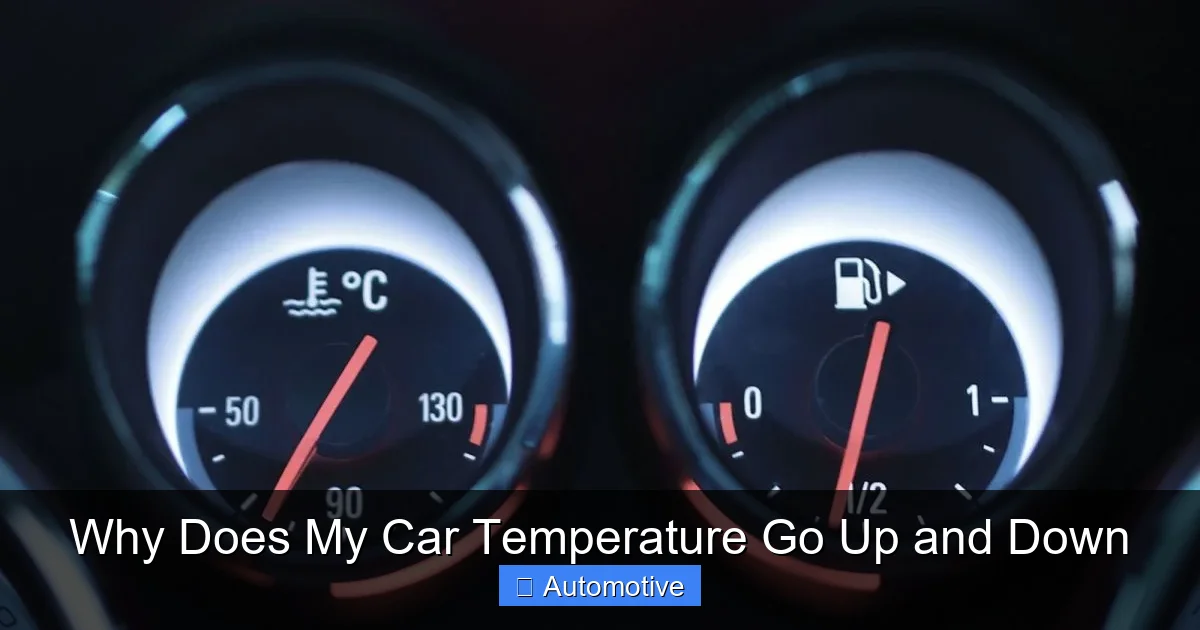
The temperature gauge in your car is designed to monitor the engine’s operating temperature. Ideally, it should stay in the middle range—neither too hot nor too cold—during normal driving conditions. When it starts going up and down, it’s your car’s way of saying, “Hey, something’s not right with the cooling system.” The cooling system is like your car’s air conditioning for the engine. It keeps the engine from overheating by circulating coolant (a mix of antifreeze and water) through the engine block and radiator. If any part of this system fails or becomes inefficient, the temperature can swing unpredictably.
Understanding why your car temperature goes up and down is crucial. Ignoring it could lead to serious engine damage, costly repairs, or even a breakdown on the side of the road. But the good news? Most causes are preventable and often easy to fix—especially if you catch them early. In this guide, we’ll walk you through the most common reasons for temperature fluctuations, how to identify them, and what you can do to fix them. Whether you’re a seasoned DIYer or someone who just wants to avoid a mechanic bill, this article will help you keep your engine cool and your drives stress-free.
Understanding Your Car’s Cooling System
Visual guide about Why Does My Car Temperature Go Up and Down
Image source: images.saymedia-content.com
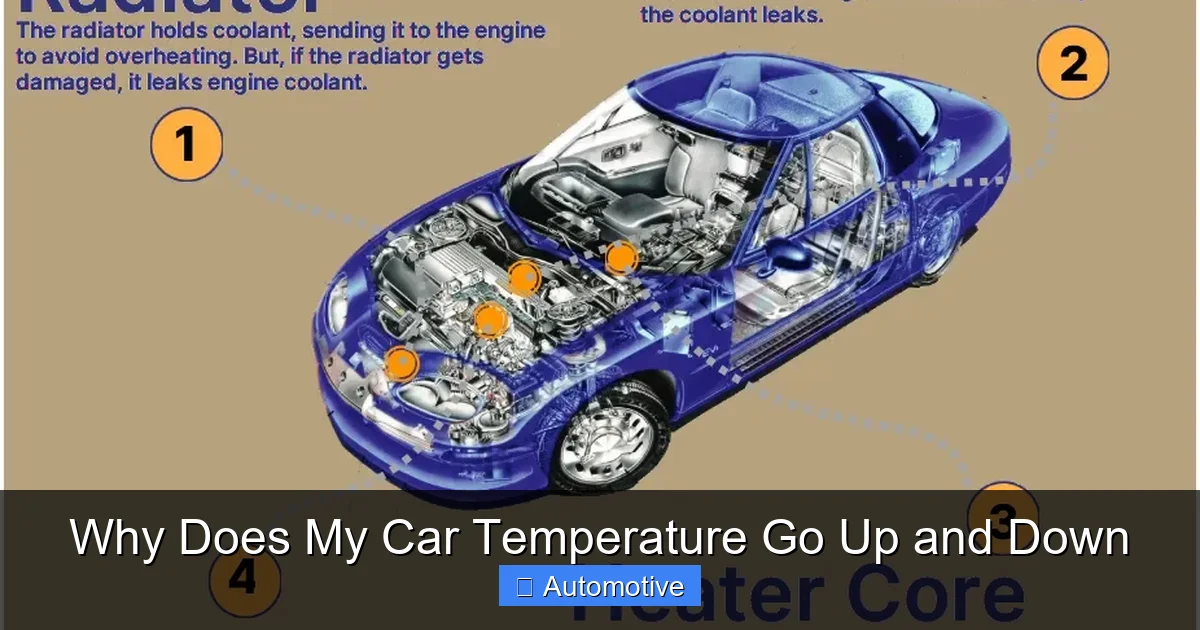
Before diving into the causes of temperature fluctuations, it helps to understand how your car’s cooling system works. Think of it as the engine’s personal cooling team, working behind the scenes to keep everything running at the right temperature. The system includes several key components: the radiator, water pump, thermostat, coolant, hoses, and the temperature sensor.
The process starts with the water pump, which pushes coolant through the engine block. As the engine runs, it generates a lot of heat—enough to melt metal if left unchecked. The coolant absorbs this heat and carries it away from the engine to the radiator. The radiator, usually located at the front of the car, has thin fins and tubes that allow air to flow through as you drive, cooling the hot coolant. Once cooled, the coolant returns to the engine to repeat the cycle.
The thermostat acts like a gatekeeper. When the engine is cold, it stays closed, allowing the engine to warm up quickly. Once the engine reaches its ideal operating temperature (usually around 195°F to 220°F), the thermostat opens, letting coolant flow into the radiator. This helps maintain a stable temperature.
The temperature sensor monitors the coolant’s temperature and sends that information to the dashboard gauge. If any of these components fail or malfunction, the entire system can become unbalanced, leading to temperature spikes and drops.
For example, imagine you’re driving in stop-and-go traffic on a hot summer day. The engine is working hard, and the cooling system is under stress. If the radiator is clogged with dirt or the coolant level is low, the system can’t keep up. The temperature rises. Then, when you hit the highway and airflow increases, the radiator cools the engine quickly, causing the temperature to drop. This back-and-forth is a classic sign that something’s off.
Understanding this system helps you see why even small issues—like a loose hose or a worn-out thermostat—can have a big impact. It’s not just about one part failing; it’s about how all the parts work together. When one piece is out of sync, the whole system suffers.
Common Causes of Temperature Fluctuations
Visual guide about Why Does My Car Temperature Go Up and Down
Image source: images.saymedia-content.com
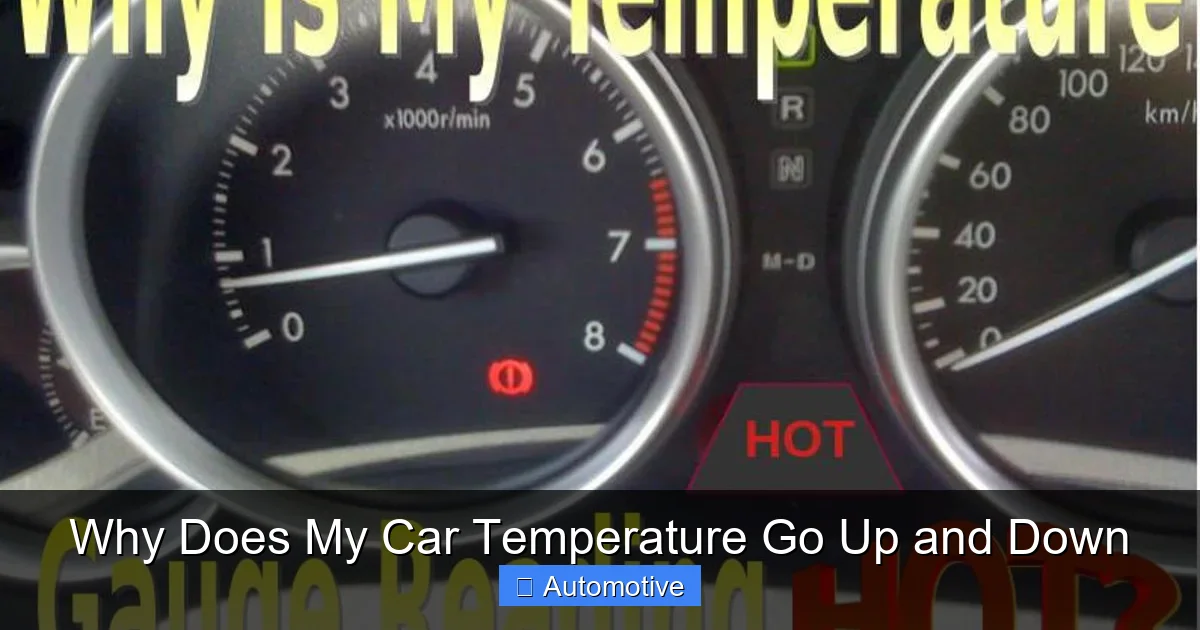
Now that you know how the cooling system works, let’s look at the most common reasons your car temperature goes up and down. These issues range from simple fixes to more complex repairs, but all are manageable with the right knowledge.
Low or Leaking Coolant
Coolant is the lifeblood of your cooling system. Without enough of it, the engine can’t stay cool. Low coolant levels are one of the top reasons for temperature swings. You might notice the gauge rising when you’re idling or driving slowly, then dropping when you speed up. That’s because at higher speeds, more airflow helps cool the engine temporarily—but it’s not a real solution.
Coolant can get low for several reasons. The most obvious is a leak. Check under your car for puddles of green, orange, or pink fluid. Coolant is brightly colored, so it’s usually easy to spot. Leaks can come from hoses, the radiator, the water pump, or even the heater core inside your dashboard. A cracked radiator or a loose hose clamp can let coolant escape slowly over time.
Another cause is evaporation. Over time, especially in older vehicles, coolant can evaporate from the reservoir. This is more common in hot climates or if the radiator cap is worn out. The cap is designed to maintain pressure in the system, which raises the boiling point of the coolant. If it’s not sealing properly, coolant can boil off and escape as steam.
If you find your coolant is low, don’t just top it off and forget about it. That’s treating the symptom, not the cause. You need to find and fix the leak. A mechanic can pressure-test the system to locate the source. In the meantime, keep an eye on the coolant level and top it off with the correct type of coolant (check your owner’s manual). Never open the radiator cap when the engine is hot—it’s under pressure and can cause serious burns.
Faulty Thermostat
The thermostat is a small but mighty component. When it works right, it keeps the engine at the perfect temperature. When it fails, it can cause big problems. A thermostat that’s stuck closed won’t let coolant flow into the radiator, causing the engine to overheat. But a thermostat that’s stuck open can also cause issues—it keeps the engine too cool, especially in cold weather, and can lead to temperature fluctuations.
You might notice your car takes a long time to warm up, or the temperature gauge stays low even after driving for a while. That’s a sign the thermostat is stuck open. On the flip side, if the engine overheats quickly, especially at idle, the thermostat might be stuck closed.
Replacing a thermostat is usually a straightforward job. It’s located near the engine, often where the upper radiator hose connects. Most thermostats are inexpensive (around $10–$30), and you can replace them yourself with basic tools. Just make sure to use the correct thermostat for your vehicle—different engines require different temperature ratings.
Air Pockets in the Cooling System
After adding coolant or performing repairs, air can get trapped in the system. These air pockets act like insulation, preventing coolant from reaching certain parts of the engine. This can cause hot spots and erratic temperature readings. You might see the gauge spike suddenly, then drop when the air moves or gets pushed out.
Air pockets are common after a coolant change or if the system wasn’t properly bled. To fix this, you need to “burp” the cooling system. This involves running the engine with the radiator cap off (when cool) and letting air escape as the coolant circulates. Some cars have a bleed valve or a specific procedure outlined in the owner’s manual. If you’re not comfortable doing this, a mechanic can help.
Failing Water Pump
The water pump keeps coolant moving through the system. If it fails, coolant stops flowing, and the engine heats up fast. A failing pump might make a whining or grinding noise, or you might see coolant leaking from the weep hole near the pulley. In some cases, the pump impeller (the part that moves the coolant) can corrode or break, reducing flow even if the pump still spins.
Replacing a water pump is more involved and usually requires removing the serpentine belt and other components. It’s best left to a professional unless you’re experienced.
Radiator Problems
The radiator dissipates heat from the coolant. If it’s clogged with debris, rust, or scale, it can’t cool the coolant effectively. This leads to overheating, especially at low speeds. You might also notice coolant leaks or a sweet smell (from burning coolant).
Cleaning or replacing a radiator can be costly, but regular maintenance—like flushing the coolant every 30,000 to 50,000 miles—can prevent clogs.
Electrical and Sensor Issues
Visual guide about Why Does My Car Temperature Go Up and Down
Image source: image6.slideserve.com
Sometimes, the problem isn’t mechanical—it’s electrical. The temperature gauge relies on a sensor to read the coolant temperature. If the sensor is faulty, it can send incorrect signals, making the gauge behave erratically. You might see the temperature spike for no reason, or the gauge might not move at all.
A bad sensor can be tricky to diagnose. Mechanics use a scan tool to check the sensor’s readings against the actual temperature. Replacing the sensor is usually quick and inexpensive.
Wiring issues can also cause problems. Corroded or loose connections can interrupt the signal, leading to false readings. Check the wiring harness near the sensor for damage or corrosion.
When to See a Mechanic
While some issues can be fixed at home, others require professional help. If you notice steam, a burning smell, or the temperature gauge in the red, pull over immediately. Continuing to drive can cause severe engine damage.
Also, if you’ve tried topping off coolant, checking hoses, and inspecting the radiator but the problem persists, it’s time to see a mechanic. They can perform a pressure test, check for leaks, and diagnose electrical issues.
Prevention and Maintenance Tips
The best way to avoid temperature fluctuations is regular maintenance. Check your coolant level monthly. Inspect hoses for cracks or bulges. Replace the thermostat every 50,000 to 100,000 miles. And always use the correct coolant for your vehicle.
Keeping your cooling system in top shape ensures your engine runs smoothly and lasts longer.
Conclusion
If your car temperature goes up and down, don’t ignore it. While it’s often a sign of a minor issue, it can escalate quickly. By understanding the cooling system and knowing the common causes, you can take action before serious damage occurs. Regular maintenance, prompt repairs, and staying alert to warning signs will keep your engine cool and your drives worry-free.
Frequently Asked Questions
Why does my car temperature go up and down when idling?
This often happens due to low coolant, a failing water pump, or a clogged radiator. At idle, there’s less airflow through the radiator, so any cooling system weakness becomes more apparent. Check your coolant level and look for leaks.
Can a bad radiator cap cause temperature fluctuations?
Yes. A worn or faulty radiator cap can’t maintain proper pressure, causing coolant to boil off and leading to erratic temperature readings. Replace the cap if it’s old or damaged.
Is it safe to drive with a fluctuating temperature gauge?
Not for long. While short-term driving might be okay, continued use can lead to overheating and engine damage. Pull over if the gauge hits the red and have your car inspected.
How often should I check my coolant level?
Check it monthly, especially before long trips. Also inspect it after any cooling system repairs or if you notice temperature changes.
Can weather affect my car’s temperature gauge?
Yes. Extreme heat or cold can stress the cooling system. In summer, ensure your radiator is clean and coolant is fresh. In winter, a stuck-open thermostat can keep the engine too cool.
What does it mean if my temperature gauge drops too low?
A consistently low reading usually means the thermostat is stuck open, preventing the engine from reaching optimal temperature. This can reduce fuel efficiency and increase emissions.