
Why Does My Car Overheat When the Ac Is On

Your car may overheat with the AC on due to added engine load, low coolant, or a failing radiator fan. Understanding these triggers helps prevent damage and keeps you safe on the road.
Key Takeaways
- Increased Engine Load: Running the AC puts extra strain on the engine, especially at idle or low speeds, which can push a borderline cooling system over the edge.
- Low Coolant Levels: Insufficient coolant reduces the system’s ability to absorb and transfer heat, making overheating more likely when the AC is active.
- Faulty Radiator Fan: The radiator fan helps cool the condenser and radiator; if it’s not working, airflow drops and temperatures rise quickly.
- Clogged or Leaking Cooling System: Blockages in the radiator, hoses, or water pump restrict coolant flow, reducing efficiency under added AC load.
- Worn or Slipping Serpentine Belt: A loose or damaged belt can prevent the water pump and AC compressor from spinning properly, leading to overheating.
- Overworked Compressor: A failing AC compressor can draw excessive power, increasing engine heat output and stressing the cooling system.
- High Ambient Temperatures: Hot weather combined with AC use amplifies heat buildup, especially in older or poorly maintained vehicles.
📑 Table of Contents
Why Does My Car Overheat When the AC Is On?
You’re cruising down the highway on a scorching summer day, windows up, air conditioning blasting—life is good. But then, out of nowhere, your temperature gauge starts creeping into the red zone. You panic. Is your engine about to give up? You quickly turn off the AC, and within minutes, the needle drops back to normal. Sound familiar?
This frustrating scenario is more common than you might think. Many drivers experience their car overheating specifically when the air conditioning is running. It’s not just an inconvenience—it’s a warning sign that something in your vehicle’s cooling system isn’t functioning as it should. While the AC itself doesn’t directly cause engine overheating, it significantly increases the workload on your engine and cooling components. When those components are already weakened or compromised, the added strain can push the system past its limits.
In this guide, we’ll explore the real reasons behind this issue, from mechanical failures to maintenance oversights. You’ll learn how the AC system interacts with your engine’s cooling system, what symptoms to watch for, and—most importantly—how to fix the problem before it leads to costly repairs or a breakdown on the side of the road. Whether you’re a weekend mechanic or just trying to keep your daily driver running smoothly, this article will give you the knowledge you need to stay cool—both inside and under the hood.
How the AC System Affects Engine Temperature
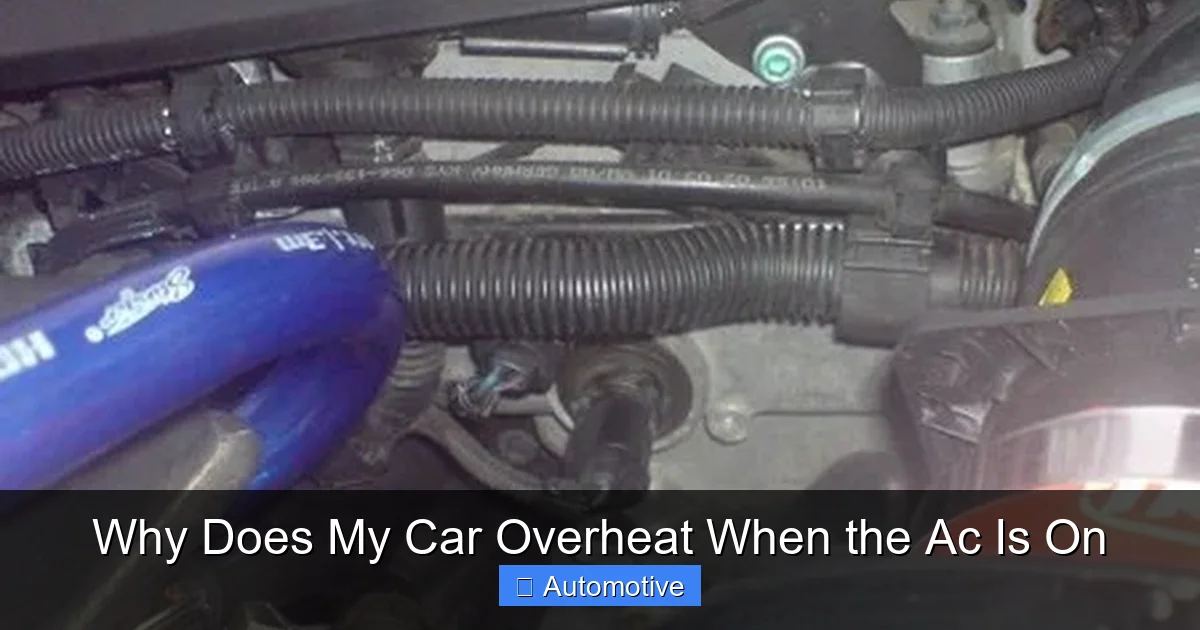
To understand why your car overheats when the AC is on, it helps to know how the air conditioning system works—and how it connects to your engine’s cooling system. The AC isn’t just a comfort feature; it’s a complex piece of machinery that draws power directly from your engine. When you turn on the AC, the compressor kicks in, pressurizing refrigerant and sending it through a series of coils to cool the air inside your cabin. But all that work comes at a cost.
Visual guide about Why Does My Car Overheat When the Ac Is On
Image source: whydoes.org
The AC Compressor Adds Load to the Engine
The AC compressor is belt-driven, meaning it’s physically connected to your engine via the serpentine belt. When you activate the AC, the compressor clutch engages, and the engine has to spin this additional component. This increases the engine’s workload, especially at idle or low speeds. Think of it like pedaling a bike with a trailer attached—you have to work harder to maintain the same speed. In your car, that extra effort generates more heat.
For a healthy engine with a fully functional cooling system, this added load is manageable. But if your cooling system is already struggling—due to low coolant, a weak water pump, or poor airflow—the extra heat from the AC compressor can be the final straw. This is why overheating often happens only when the AC is running, particularly in stop-and-go traffic or on hot days.
Heat Exchange Between AC and Engine Cooling Systems
Another key factor is the physical proximity of the AC condenser and the radiator. Both are located at the front of your vehicle, behind the grille. The radiator cools the engine coolant, while the condenser cools the hot refrigerant from the AC system. They rely on the same airflow—created by the radiator fan and forward motion—to dissipate heat.
When the AC is on, the condenser becomes hot and needs to release that heat. If the radiator fan isn’t working properly, or if the condenser is clogged with dirt and debris, it can block airflow to the radiator. This reduces the radiator’s ability to cool the engine coolant, leading to higher engine temperatures. In short, the AC system and the engine cooling system are sharing the same cooling resources—and when one is compromised, the other suffers.
Increased Idle Load and Reduced Airflow
At idle or low speeds, your car isn’t moving fast enough to generate significant airflow through the radiator and condenser. This is when the radiator fan becomes critical. If the fan isn’t kicking on when it should, heat builds up quickly—especially when the AC is running and both systems are trying to cool down.
For example, imagine you’re stuck in traffic on a 95°F day with the AC on full blast. Your engine is idling, the compressor is working hard, and the radiator fan should be spinning to pull air through the condenser and radiator. But if the fan is faulty or the coolant temperature sensor isn’t triggering it, the heat has nowhere to go. The result? Your engine temperature spikes, and you’re left sweating—even with the AC on.
Common Causes of Overheating When AC Is On
Now that you understand how the AC system impacts engine temperature, let’s dive into the most common reasons your car might overheat when the air conditioning is running. These issues range from simple maintenance oversights to more serious mechanical failures. Identifying the root cause early can save you time, money, and a potential engine disaster.
Visual guide about Why Does My Car Overheat When the Ac Is On
Image source: whydoes.org
Low Coolant Levels
Coolant—also known as antifreeze—is the lifeblood of your engine’s cooling system. It circulates through the engine block, absorbing heat, and then flows to the radiator where it’s cooled before returning. If your coolant level is low, there simply isn’t enough fluid to absorb and transfer heat effectively. This becomes especially problematic when the AC is on, as the engine is generating more heat than usual.
Low coolant can result from leaks in the radiator, hoses, water pump, or heater core. It can also happen gradually over time due to evaporation or minor seepage. A simple visual inspection under the hood can often reveal wet spots or crusty residue around coolant connections. If you notice your temperature gauge rising when the AC is on, checking the coolant level should be your first step.
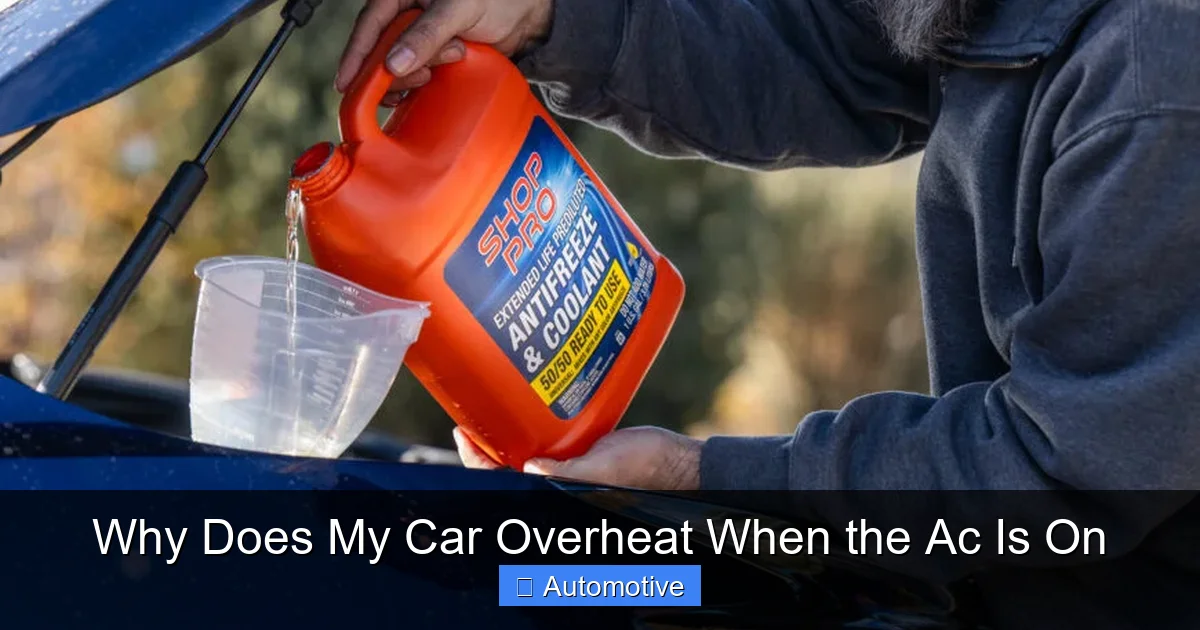
Tip: Always check coolant when the engine is cool. Remove the radiator cap (or reservoir cap, depending on your vehicle) and ensure the level is between the “min” and “max” marks. Top it off with the correct type of coolant if needed—never use plain water, as it can cause corrosion and freeze in cold weather.
Faulty Radiator Fan
The radiator fan is one of the most critical components in preventing overheating, especially when the AC is running. It kicks on when the engine reaches a certain temperature or when the AC is activated, pulling air through the radiator and condenser to dissipate heat. If the fan isn’t working, airflow drops dramatically, and temperatures can soar—even at highway speeds.
There are several reasons why the radiator fan might fail. It could be a blown fuse, a faulty relay, a bad motor, or a malfunctioning temperature sensor. In some vehicles, there are two fans—one for the radiator and one for the AC condenser. If only one is working, it may not be enough to handle the combined heat load.
How to test: With the engine running and the AC turned on, let the car idle for 10–15 minutes. The fan should kick on when the engine warms up. If it doesn’t, listen for a humming sound or check if the fan spins freely by hand (with the engine off). If it’s silent and stiff, it likely needs replacement.
Clogged Radiator or Condenser
Over time, the radiator and AC condenser can become clogged with dirt, bugs, leaves, and debris. This buildup restricts airflow, reducing the system’s ability to cool the engine and refrigerant. A clogged radiator is especially problematic because it limits the cooling of engine coolant, while a dirty condenser prevents the AC system from releasing heat efficiently.
You might not notice a gradual clog until you turn on the AC and the engine starts overheating. This is because the AC increases the heat load, and the compromised airflow can’t keep up. In severe cases, the radiator fins may be bent or crushed, further reducing efficiency.
Cleaning the radiator and condenser is relatively simple. Use a garden hose with a gentle spray to rinse away debris from the front. For tougher buildup, a specialized radiator cleaner can help dissolve grime. Be careful not to use high-pressure water, as it can damage the delicate fins.
Worn or Slipping Serpentine Belt
The serpentine belt powers several key components, including the water pump, alternator, power steering pump, and AC compressor. If the belt is worn, cracked, or loose, it can slip or fail to turn the water pump at the correct speed. This reduces coolant circulation, leading to overheating—especially under the added load of the AC.
A slipping belt often produces a high-pitched squealing sound, especially when the AC is first turned on. You may also notice the battery warning light flickering or the power steering feeling stiff. Inspect the belt for cracks, fraying, or glazing. If it looks worn, replace it promptly. Also, check the belt tension—most modern vehicles use an automatic tensioner, but older models may require manual adjustment.
Failing Water Pump
The water pump is responsible for circulating coolant through the engine and radiator. If it’s failing—due to a worn impeller, leaking seal, or bearing failure—it won’t move coolant effectively. This leads to hot spots in the engine and eventual overheating, particularly when the AC increases the thermal load.
Symptoms of a bad water pump include coolant leaks near the front of the engine, a whining or grinding noise from the pump area, or steam coming from the radiator. In some cases, the pump may still circulate coolant but not at full capacity, causing intermittent overheating that worsens with AC use.
Replacing a water pump is a more involved repair, often requiring removal of the serpentine belt and timing components (in some engines). If you suspect a failing water pump, it’s best to have a mechanic inspect it before it leads to engine damage.
Overworked or Failing AC Compressor
A malfunctioning AC compressor can draw excessive power from the engine, increasing heat output and straining the cooling system. For example, if the compressor clutch is stuck or the internal components are seizing, it may resist turning, causing the engine to work harder and generate more heat.
You might notice the AC blowing warm air, strange noises from under the hood, or the compressor cycling on and off rapidly. In severe cases, the compressor can lock up completely, causing the serpentine belt to break or the engine to stall.
While a failing compressor won’t directly cause overheating, it contributes to the problem by increasing engine load. If your car overheats only when the AC is on, and the compressor shows signs of failure, it’s worth having it checked by a professional.
Symptoms to Watch For
Recognizing the early signs of overheating can prevent serious engine damage. While the most obvious symptom is the temperature gauge climbing into the red zone, there are other warning signs to watch for—especially when the AC is running.
Visual guide about Why Does My Car Overheat When the Ac Is On
Image source: acguided.com
Temperature Gauge Rising
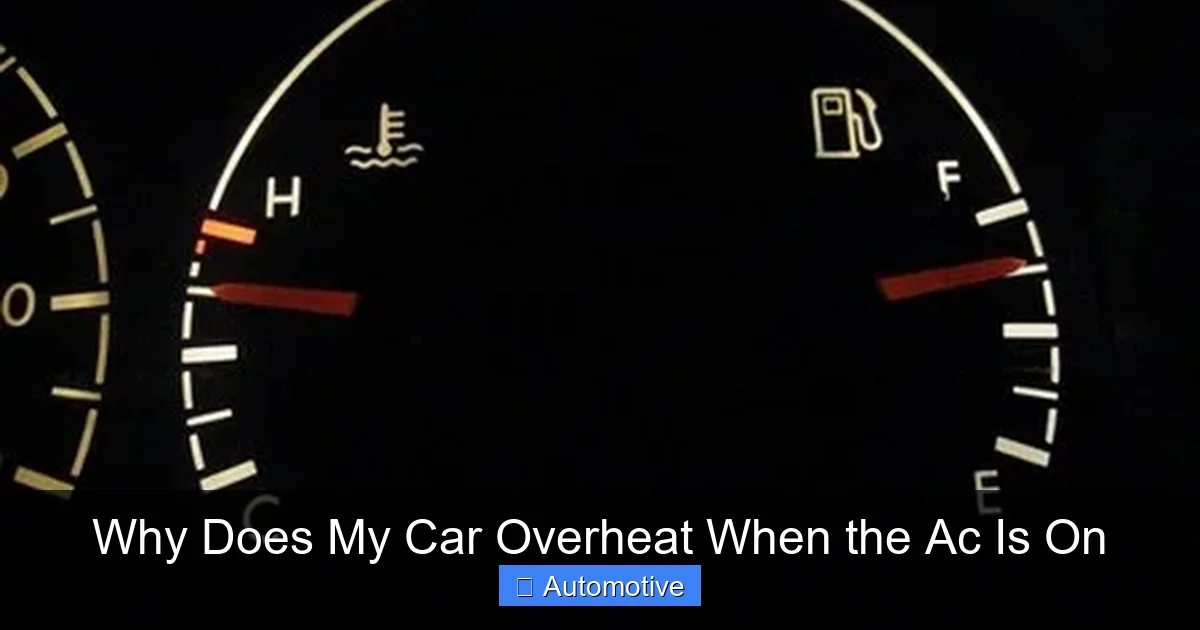
The most direct indicator is the temperature gauge on your dashboard. If it starts climbing when you turn on the AC—particularly at idle or low speeds—it’s a clear sign that your cooling system is under stress. Don’t ignore it. Pull over safely, turn off the AC, and let the engine cool before checking coolant levels or calling for help.
Steam or Smoke from the Hood
Steam or smoke coming from under the hood is a serious warning. It usually indicates coolant is boiling over or leaking onto hot engine parts. This can happen when the cooling system is overwhelmed by the added heat from the AC. If you see steam, stop the car immediately and turn off the engine to prevent further damage.
Sweet Smell or Coolant Leaks
Coolant has a distinct sweet smell. If you notice this odor inside the cabin or under the hood, it could mean a leak in the heater core or radiator. Puddles of green, orange, or pink fluid under your car are another sign. Low coolant due to leaks reduces the system’s capacity to handle the extra heat from the AC.
Reduced AC Performance
If your AC starts blowing warm air or takes longer to cool the cabin, it could be related to overheating. When the engine gets too hot, some vehicles automatically shut off the AC compressor to reduce load. This is a safety feature, but it also means your cooling system is already in trouble.
Engine Knocking or Pinging
Excessive engine heat can cause pre-ignition, where fuel burns too early in the combustion cycle. This produces a knocking or pinging sound, especially under acceleration. If you hear this noise when the AC is on, it’s a sign the engine is running too hot and needs immediate attention.
How to Prevent Overheating When Using the AC
The good news is that most causes of overheating when the AC is on are preventable with regular maintenance and smart driving habits. Here are some practical tips to keep your engine cool and your AC running smoothly.
Maintain Proper Coolant Levels
Check your coolant level at least once a month, especially during hot weather. Keep the reservoir filled to the recommended level and inspect for leaks. Flush and replace the coolant according to your vehicle’s maintenance schedule—typically every 30,000 to 50,000 miles.
Inspect and Clean the Radiator and Condenser
Regularly clean the front of your radiator and condenser to remove dirt and debris. A clean system allows for better airflow and more efficient heat dissipation. Do this at least twice a year, or more often if you drive on dusty roads.
Test the Radiator Fan
Make it a habit to check if the radiator fan turns on when the engine is warm and the AC is running. If it doesn’t, have the fan, relay, and sensor inspected. Replace any faulty components promptly.
Replace the Serpentine Belt on Schedule
Follow your manufacturer’s recommended interval for serpentine belt replacement—usually every 60,000 to 100,000 miles. A worn belt can slip and reduce the efficiency of the water pump and AC compressor.
Use the AC Wisely
On extremely hot days, consider using the AC in moderation. At idle, turn it off periodically to give the engine a break. Also, use the “recirculate” mode to reduce the workload on the compressor.
Park in the Shade
Whenever possible, park in the shade or use a sunshade to keep the interior cooler. This reduces the initial load on the AC when you start driving, helping the engine stay cooler.
When to See a Mechanic
While some overheating issues can be resolved with basic maintenance, others require professional diagnosis and repair. Don’t delay if you notice any of the following:
- The temperature gauge consistently rises when the AC is on, even after checking coolant and fans.
- You see steam, smoke, or coolant leaks under the hood.
- The radiator fan doesn’t turn on when the engine is warm.
- You hear unusual noises from the engine or AC compressor.
- The AC blows warm air or cycles on and off rapidly.
A certified mechanic can perform a pressure test to check for leaks, inspect the water pump and thermostat, and diagnose electrical issues with the fan or compressor. Early intervention can prevent costly engine repairs down the road.
Conclusion
Your car overheating when the AC is on is more than just an annoyance—it’s a signal that your cooling system is under strain. While the AC itself doesn’t cause overheating, it increases the engine’s workload and heat output, pushing a weakened cooling system to its limits. Common culprits include low coolant, a faulty radiator fan, clogged components, or a worn serpentine belt.
The good news is that most of these issues are preventable with regular maintenance and awareness. By keeping your coolant topped off, cleaning the radiator, and ensuring the fan works properly, you can enjoy cool, comfortable drives all summer long—without the fear of overheating.
Don’t wait for a breakdown to take action. If your car overheats when the AC is on, address it promptly. Your engine—and your peace of mind—will thank you.
Frequently Asked Questions
Can the AC cause my car to overheat?
The AC doesn’t directly cause overheating, but it increases engine load and heat output. If your cooling system is already compromised, this added strain can lead to overheating.
Why does my car only overheat when the AC is on at idle?
At idle, airflow through the radiator is low, and the AC compressor adds significant load. If the radiator fan isn’t working or coolant levels are low, the engine can overheat quickly.
Is it safe to drive with the AC on if the engine is overheating?
No. Driving with an overheating engine can cause severe damage, including warped cylinder heads or a blown head gasket. Turn off the AC, pull over, and let the engine cool.
How often should I check my coolant level?
Check your coolant level at least once a month, especially during hot weather or before long trips. Top it off if needed and inspect for leaks.
Can a dirty air filter cause overheating when the AC is on?
A dirty cabin air filter won’t cause overheating, but a clogged engine air filter can reduce engine efficiency and increase heat. Replace it as recommended.
Should I turn off the AC if my car starts to overheat?
Yes. Turning off the AC reduces engine load and can help lower temperatures. Pull over safely, turn off the engine, and let it cool before checking coolant or calling for help.