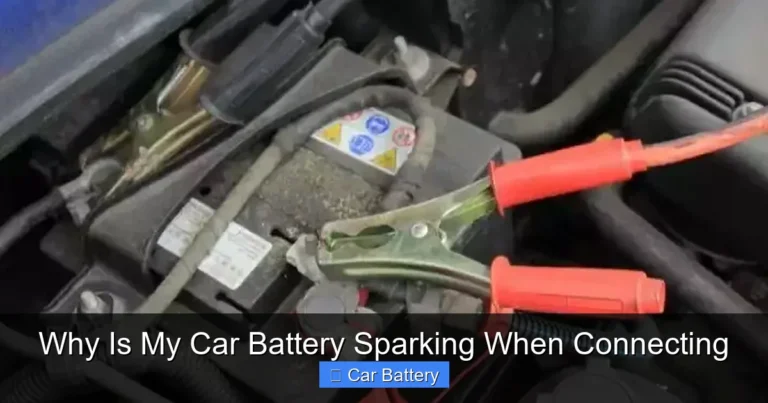
Top Reasons Your Car Battery Goes Bad
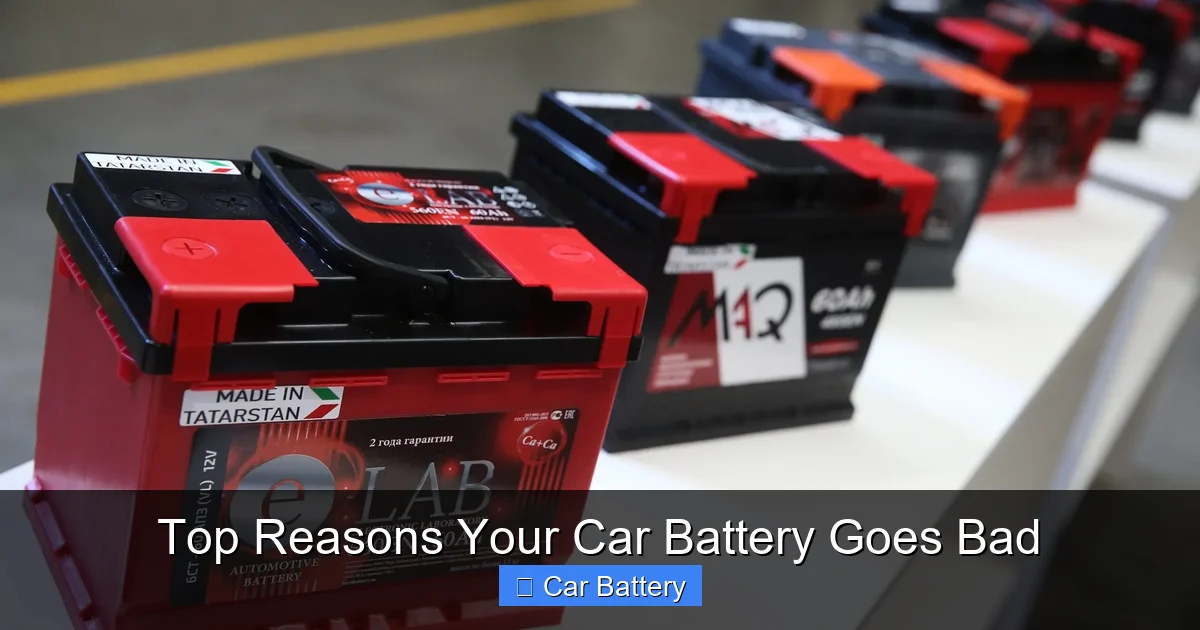
A car battery goes bad primarily due to chemical breakdown, lack of use, and extreme temperatures. The most common culprits are internal sulfation, parasitic drain, and overcharging. Regular maintenance and understanding these failure modes are key to maximizing your battery’s lifespan and avoiding unexpected breakdowns.
In This Article
- 1 Key Takeaways
- 2 📑 Table of Contents
- 3 Introduction: The Heartbeat of Your Car
- 4 1. The Inevitable March of Time: Chemical Breakdown
- 5 2. The Silent Energy Thief: Parasitic Drain
- 6 3. The Weathering Storm: Extreme Temperatures
- 7 4. The Support System Failure: Charging Problems
- 8 5. The Lifestyle Factor: How You Use Your Car
- 9 6. Physical Abuse and Neglect
- 10 Conclusion: Empowerment Through Knowledge
- 11 Frequently Asked Questions
Key Takeaways
- Chemical Breakdown is Inevitable: All batteries degrade over time due to internal sulfation and plate corrosion, with a typical lifespan of 3-5 years.
- Parasitic Drain is a Silent Killer: Modern electronics constantly draw tiny amounts of power, which can deeply discharge and damage a battery if the car sits unused.
- Extreme Temperatures Accelerate Failure: Heat speeds up chemical reactions and fluid loss, while cold thickens oil and makes starting harder, straining an already weakened battery.
- Charging System Problems are a Major Cause: An overcharging alternator cooks the battery, while an undercharging one leaves it perpetually starved, both leading to premature death.
- Lack of Use is Damaging: Short trips prevent the alternator from fully recharging the battery, leading to a chronic state of undercharge known as “acid stratification.”
- Physical Damage and Loose Connections Matter: Vibration can shake plates loose, while corroded or loose terminals create high resistance, preventing proper charging and starting.
- Prevention is Possible: Regular testing, keeping terminals clean, ensuring secure mounting, and using a maintainer for infrequently driven cars can significantly extend battery life.
📑 Table of Contents
- Introduction: The Heartbeat of Your Car
- 1. The Inevitable March of Time: Chemical Breakdown
- 2. The Silent Energy Thief: Parasitic Drain
- 3. The Weathering Storm: Extreme Temperatures
- 4. The Support System Failure: Charging Problems
- 5. The Lifestyle Factor: How You Use Your Car
- 6. Physical Abuse and Neglect
- Conclusion: Empowerment Through Knowledge
Introduction: The Heartbeat of Your Car
You turn the key. You hear that familiar click-click-click, or worse, just a single, sad clunk. Your car won’t start. It’s a modern-day nightmare, and nine times out of ten, the culprit is a dead or dying car battery.
But why does this happen? It feels sudden, but a car battery’s failure is almost always a slow, silent process. It’s not just an old box of acid and lead. It’s a sophisticated chemical power plant. And like any machine, it wears out.
Understanding why a car battery goes bad is the first step to preventing it. This knowledge saves you time, money, and a whole lot of frustration. Let’s pop the hood and look at the top reasons your battery calls it quits.
1. The Inevitable March of Time: Chemical Breakdown
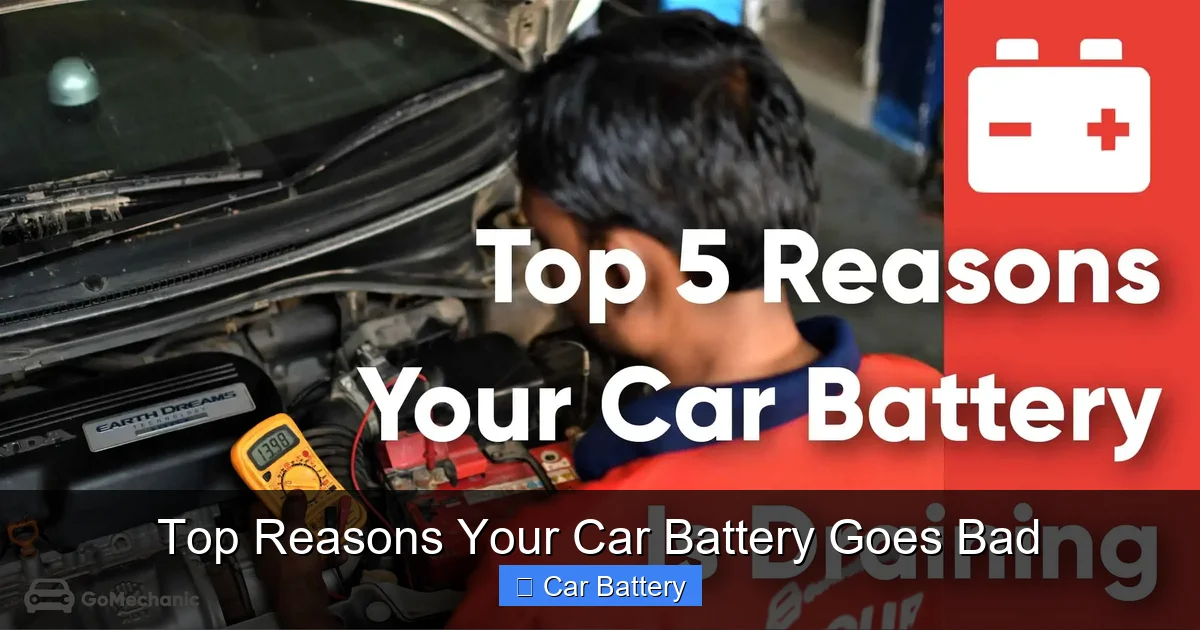
First, let’s be clear. Every car battery has a finite lifespan. Think of it like a loaf of bread. It’s fresh for a while, but it will eventually go stale, no matter what you do. For most car batteries, that lifespan is 3 to 5 years.
Visual guide about Top Reasons Your Car Battery Goes Bad
Image source: i2.wp.com
The Sulfation Saga
This is the number one natural killer of batteries. Inside your battery, lead plates are submerged in an electrolyte solution (sulfuric acid and water). When you use the battery, a chemical reaction creates lead sulfate crystals on the plates. When you recharge the battery (via the alternator), these crystals are supposed to break down.
But if the battery is left in a discharged state, even partially, for too long, these crystals harden. They become permanent. This is called “sulfation.” These hard crystals act like insulation. They block the chemical reactions needed to produce power. The battery’s capacity shrinks. Eventually, it can’t hold a charge at all.
Plate Corrosion and Grid Growth
The positive plates inside the battery slowly corrode over time. This is a normal part of the charge/discharge cycle. As they corrode, the conductive material turns into lead dioxide, which is less efficient. The grids that hold the active material can also physically grow and distort from repeated heating and cooling cycles. This can cause internal short circuits or simply reduce the amount of active material available for reactions.
Practical Tip: You can’t stop time, but you can plan for it. Note the date of purchase on your battery with a marker. If it’s approaching the 3-year mark, start getting it tested regularly, especially before winter.
2. The Silent Energy Thief: Parasitic Drain
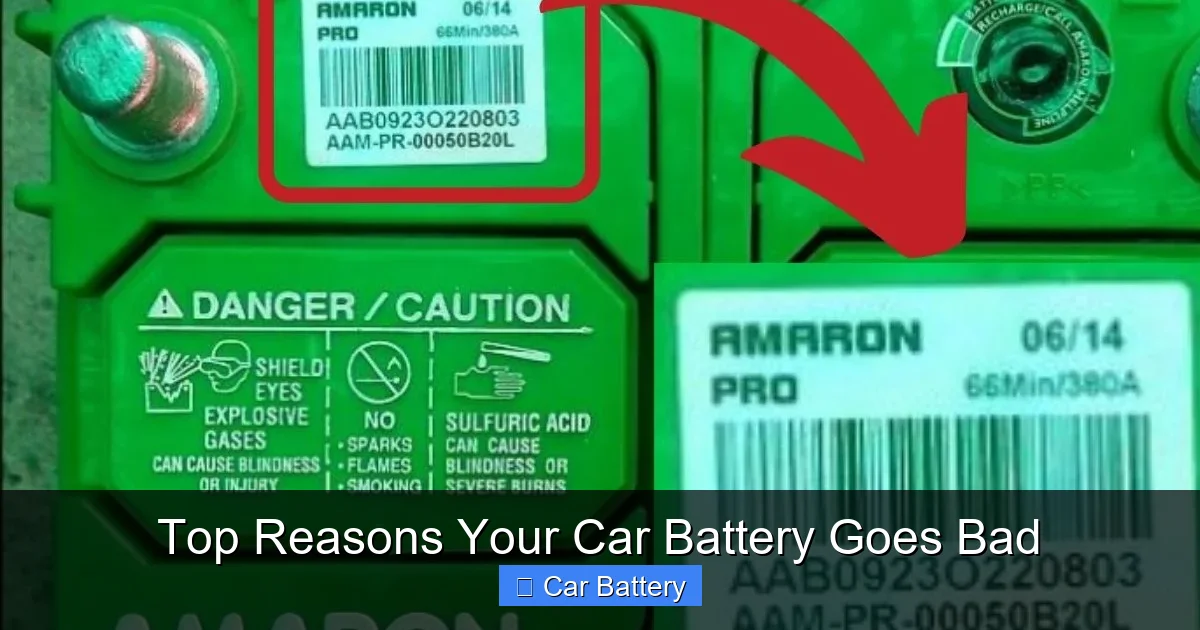
Your car is never truly “off.” Modern vehicles are packed with computers, clocks, alarm systems, and keyless entry modules. These need a tiny bit of power to stay alive and remember their settings. This constant, small draw is called “parasitic drain.”
Visual guide about Top Reasons Your Car Battery Goes Bad
Image source: motoroctane.com
When a Trickle Becomes a Flood
A normal parasitic drain is very small, maybe 50 milliamps (0.05 amps). A healthy battery can handle this for weeks. The problem starts when something goes wrong. A faulty module, a glove box light that doesn’t turn off, or an aftermarket stereo installed incorrectly can create a much larger drain—200, 500, even 1000 milliamps.
This “parasitic flood” can drain a battery from full to dead in a matter of days or even overnight. Each time a battery is deeply discharged, it suffers damage and accelerates sulfation.
The Infrequent Driver’s Dilemma
This is a huge issue for people who don’t drive their car daily. The car sits, the parasitic drain works away, and the battery slowly dies. You might go to start it after two weeks and find it completely dead.
Practical Tip: If you don’t drive for more than a week at a time, invest in a battery maintainer (also called a trickle charger). It plugs into a wall outlet and keeps the battery at an optimal charge level without overcharging it. It’s a lifesaver for seasonal vehicles, classics, or daily drivers that sit a lot.
3. The Weathering Storm: Extreme Temperatures
Your battery hates weather extremes. Both blistering heat and freezing cold are its sworn enemies, but they attack in different ways.
Visual guide about Top Reasons Your Car Battery Goes Bad
Image source: asfaautocare.com.au
Heat: The Internal Accelerant
Heat is the single biggest environmental factor in battery death. High temperatures speed up all the chemical reactions inside the battery. This sounds good, but it’s not. It accelerates the corrosion of the positive plates we talked about. It also causes the electrolyte fluid to evaporate faster.
In sealed batteries, this lost water cannot be replaced. The plates become exposed to air, which ruins them. Even in hot climates, a battery’s lifespan can be shortened to 2-3 years. The heat under your hood on a summer day is far worse than the ambient air temperature.
Cold: The Performance Killer
Cold doesn’t kill a battery directly, but it reveals a weak one. Cold temperatures slow down the chemical reactions. This reduces the battery’s available cranking power (Cold Cranking Amps, or CCA). At the same time, your engine oil thickens, making the engine harder to turn over (crank).
A battery that starts your car easily in July might fail in January because it simply can’t deliver the massive burst of power needed. The cold is like a stress test for your battery.
Practical Tip: In summer, check your battery more often for signs of swelling or corrosion. In winter, before the cold hits, get your battery and charging system tested. A battery at 80% capacity in the fall is a dead battery waiting to happen in the winter.
4. The Support System Failure: Charging Problems
Your battery is just one part of a team. The alternator and voltage regulator are its partners. If they fail, they take the battery down with them.
The Danger of Overcharging
If the voltage regulator fails, it can cause the alternator to send too much voltage to the battery—sometimes 15 volts or more instead of the ideal 13.5-14.5 volts. This “cooks” the battery. The excess voltage causes excessive gassing and rapid electrolyte loss. It warps the plates and causes severe internal heat damage. An overcharged battery may even swell or leak.
The Peril of Undercharging
The opposite problem is just as bad. A weak alternator, a slipping serpentine belt, or a bad connection won’t provide enough charge. Every time you start the car, you use battery power. The alternator is supposed to replenish it and run the car’s electronics. If it’s not putting out enough juice, the battery is constantly being drained a little more than it’s being filled.
This leads to a chronic state of undercharge, which, you guessed it, causes sulfation. You’re essentially slowly starving the battery to death.
Practical Tip: If your headlights pulse in brightness with engine RPM, or your battery keeps dying even after replacement, have your entire charging system tested. Replacing a battery killed by a bad alternator is just throwing money away.
5. The Lifestyle Factor: How You Use Your Car
Your driving habits have a direct impact on your battery’s health.
The Short Trip Syndrome
This is a classic battery killer. Starting your car uses a tremendous amount of battery power—anywhere from 5 to 10% of its total charge. The alternator needs time to put that energy back. If your daily commute is only 10 minutes, the alternator may only have 5-7 minutes of actual charging time at speed. This is often not enough to fully recharge the battery used during startup.
Over weeks and months of short trips, the battery lives in a perpetually undercharged state. This again leads to—say it with me—sulfation. It also causes “acid stratification,” where the heavy acid sinks to the bottom of the battery cells, weakening the chemical reaction.
Excessive Electrical Load at Idle
Sitting in your car with the engine off but the radio, lights, and heater fan on is a surefire way to drain a battery quickly. Modern cars with powerful stereos and DVD players can drain a battery in under an hour. Even with the engine idling, the alternator’s output at low RPM is minimal and may not keep up with a huge electrical demand.
Practical Tip: If you primarily take short trips, make a point of taking a longer drive (30+ minutes on the highway) at least once every two weeks. This gives the alternator time to fully recharge the battery and “mix” the electrolyte.
6. Physical Abuse and Neglect
Sometimes, the problem is purely mechanical.
Vibration and Shock
A battery that is not securely mounted can bounce and vibrate as you drive. Over time, this vibration can shake the active material right off the internal plates (a process called “shedding”) or even cause internal connections to break. This is especially common in off-road vehicles or on rough roads.
The Corroded Connection
Look at your battery terminals. See that white, blue, or green crusty stuff? That’s corrosion. It’s caused by battery acid vapors reacting with the metal. This corrosion creates high resistance at the connection point.
High resistance is like a kink in a garden hose. It prevents the full flow of electricity. This means your alternator can’t charge the battery effectively, and the starter can’t get all the power it needs to crank the engine. A perfectly good battery can appear dead because of filthy terminals.
Practical Tip: Once a year, disconnect the battery cables (negative first!). Clean the terminals and cable ends with a mixture of baking soda and water and a wire brush. Apply a small amount of petroleum jelly or commercial anti-corrosion spray to the clean terminals before reconnecting (negative last!). Also, ensure the battery hold-down clamp is tight.
Conclusion: Empowerment Through Knowledge
A dead battery doesn’t have to be a surprise. By understanding these top reasons—chemical aging, parasitic drain, extreme temperatures, charging system faults, poor usage patterns, and physical neglect—you move from being a victim to being in control.
Treat your battery as part of your car’s routine health check. Test it seasonally. Keep it clean and secure. Be mindful of your driving habits. And invest in a simple battery maintainer if your car sits.
Your battery’s job is to start your journey reliably. With a little knowledge and care, you can ensure it does just that for years to come. Listen to your car, pay attention to slow cranking, and act before you’re left stranded. Stay charged up out there!
Frequently Asked Questions
Can a completely dead car battery be revived?
Sometimes, but it depends on the cause. A battery deeply discharged from leaving lights on can often be fully recharged with a slow, proper charger. However, a battery with severe internal sulfation or physical damage (like a warped plate from overcharging) is usually beyond repair and must be replaced.
How often should I replace my car battery?
There’s no single timeline, but you should plan for replacement every 3 to 5 years. The best approach is to have it tested professionally once a year after it hits the 3-year mark. Proactive replacement based on test results is cheaper than an emergency tow and new battery.
Does jumping a car damage the battery?
Jump-starting itself does not typically damage a healthy battery. The risk comes from incorrect connections, which can cause electrical spikes damaging sensitive electronics, or from repeatedly jump-starting a battery that is failing due to internal problems. A battery that needs frequent jumps needs to be tested or replaced.
What does it mean if my battery is swollen or bloated?
A swollen battery case is a serious warning sign, usually caused by extreme overcharging or excessive internal heat. The buildup of gases has caused the case to distort. You should stop using it immediately, as it can be a safety hazard (risk of leakage or rupture). Have it safely disconnected and replaced.
Why does my new car battery keep dying?
If a new battery dies repeatedly, the problem is almost certainly not the battery itself. The most likely culprits are a faulty alternator that isn’t charging it, a significant parasitic drain (like a stuck relay or bad module), or poor electrical connections at the battery terminals.
Is it okay to drive immediately after a jump start?
Yes, but you must drive for a substantial amount of time—at least 20-30 minutes of continuous driving, preferably on a highway. This gives the alternator enough time to recharge the battery. Simply idling the engine or taking a short trip will not put enough charge back in and the battery may die again once you stop.