Why Did My Car Insurance Go Up in Florida?

Contents
- 1 Key Takeaways
- 2 📑 Table of Contents
- 3 Why Did My Car Insurance Go Up in Florida?
- 4 Florida’s Unique Insurance Challenges
- 5 Rising Claims and Repair Costs
- 6 Extreme Weather and Natural Disasters
- 7 Insurance Fraud: A Hidden Cost Driver
- 8 Personal Factors That Affect Your Premium
- 9 How to Lower Your Car Insurance in Florida
- 10 Conclusion
- 11 Frequently Asked Questions

Digital Tire Pressure Gauge
Waterless Car Wash Spray

Parking Sensor Kit

Solar Car Battery Maintainer
If your car insurance went up in Florida, you’re not alone—rates have surged across the state due to rising claims, fraud, and extreme weather. Understanding these factors can help you take control and find ways to lower your premium.
Key Takeaways
- Florida has the highest average car insurance rates in the U.S.: Due to high population density, frequent accidents, and rampant insurance fraud, Florida consistently ranks as one of the most expensive states for auto coverage.
- Increased claims drive up premiums: More accidents, thefts, and weather-related damage mean insurers pay out more, leading to higher rates for all drivers.
- Hurricanes and extreme weather are major cost factors: Florida’s vulnerability to storms increases repair and replacement costs, which insurers pass on to policyholders.
- Insurance fraud is widespread: Staged accidents and inflated claims cost the industry billions annually, directly impacting your premium.
- Your personal driving record matters: Tickets, accidents, or late payments can trigger rate hikes, even if you’re not at fault.
- Credit scores influence pricing in most Florida counties: Insurers use credit-based insurance scores to assess risk, and lower scores often mean higher premiums.
- Shopping around and adjusting coverage can save money: Comparing quotes and optimizing your policy can help offset rising costs.
📑 Table of Contents
Why Did My Car Insurance Go Up in Florida?
If you’ve opened your latest car insurance bill in Florida and felt a jolt of surprise—or even frustration—you’re definitely not alone. Over the past few years, Florida drivers have seen their auto insurance premiums climb steadily, and in some cases, dramatically. Whether you’ve been a safe driver for decades or just renewed your policy, you might be wondering: *Why did my car insurance go up in Florida?*
The short answer? A perfect storm of economic, environmental, and regulatory factors is driving costs higher across the Sunshine State. From skyrocketing repair bills to rampant insurance fraud, the reasons are complex—but understanding them can help you make smarter decisions about your coverage. In this guide, we’ll break down the top reasons your car insurance increased, how personal factors play a role, and what you can do to keep your premiums manageable.
Let’s dive in and unpack the truth behind Florida’s rising auto insurance rates.
Florida’s Unique Insurance Challenges
Visual guide about Why Did My Car Insurance Go Up in Florida?
Image source: cheepinsurance.ca
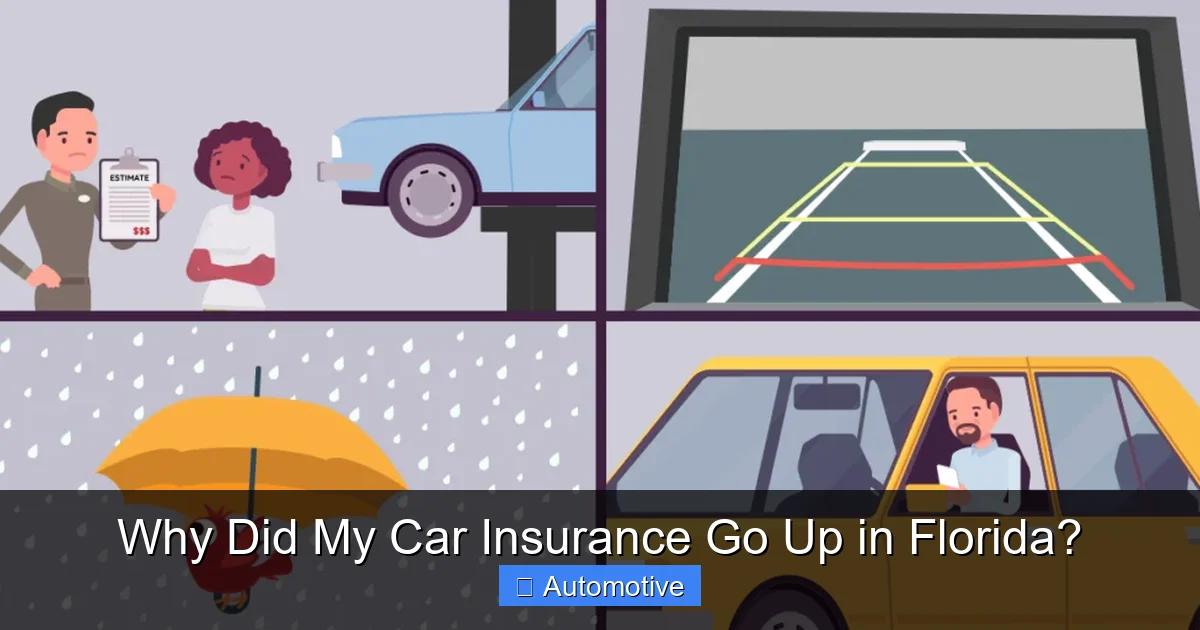
Florida isn’t just known for its beaches, theme parks, and year-round sunshine—it’s also infamous for having some of the highest car insurance rates in the country. In fact, according to recent data from the National Association of Insurance Commissioners (NAIC), Florida consistently ranks as one of the top three most expensive states for auto insurance, often surpassing even California and New York.
But why is Florida such a high-cost state for car insurance? It’s not just one thing—it’s a combination of unique challenges that make insuring drivers here more expensive than almost anywhere else.
High Population Density and Traffic Congestion
Florida is home to over 22 million residents, with major urban centers like Miami, Orlando, Tampa, and Jacksonville experiencing heavy traffic congestion. More cars on the road mean more opportunities for accidents. According to the Florida Department of Highway Safety and Motor Vehicles (FLHSMV), there were over 400,000 traffic crashes in the state in 2022 alone—averaging more than 1,000 per day.
With so many vehicles sharing limited road space, the likelihood of fender benders, rear-end collisions, and multi-car pileups increases significantly. And each accident means an insurance claim, which drives up costs for insurers—and ultimately, for you.
Mandatory Personal Injury Protection (PIP) Coverage
One of the biggest contributors to Florida’s high insurance costs is its no-fault insurance system, which requires all drivers to carry Personal Injury Protection (PIP) coverage. Under Florida law, you must have at least $10,000 in PIP coverage to legally drive.
While the idea behind no-fault insurance is to reduce lawsuits by allowing drivers to file claims with their own insurer regardless of who caused the accident, it has led to unintended consequences. Because PIP covers medical expenses and lost wages up to the policy limit, it’s become a prime target for fraud. Unscrupulous medical providers and clinics often bill insurers for unnecessary treatments or inflate claims, costing the industry hundreds of millions each year.
This fraud doesn’t just hurt insurers—it raises premiums for honest drivers like you. When insurers pay out more in fraudulent claims, they have to recoup those losses by increasing rates across the board.
Lack of Competition in Some Areas
Another factor driving up costs is the limited competition among insurers in certain parts of Florida. While major companies like GEICO, State Farm, and Progressive operate statewide, some rural or less densely populated areas have fewer options. When there are fewer insurers competing for customers, prices tend to rise due to lack of market pressure.
Additionally, some smaller regional insurers have exited the Florida market in recent years due to financial instability, further reducing consumer choice and driving up prices.
Rising Claims and Repair Costs
Visual guide about Why Did My Car Insurance Go Up in Florida?
Image source: einsurance.com
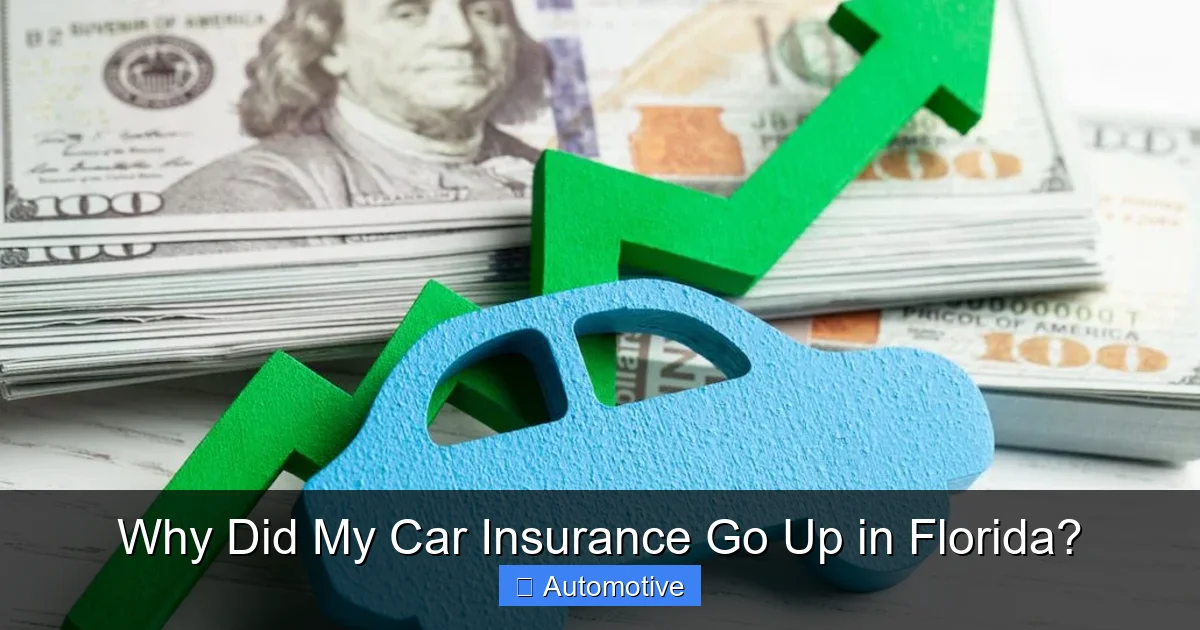
Even if you haven’t had an accident, your car insurance might still go up—and a big reason is the rising cost of claims and vehicle repairs. Across the U.S., auto repair costs have been climbing for years, and Florida is no exception.
Inflation and Supply Chain Issues
The pandemic disrupted global supply chains, leading to shortages of auto parts, especially for newer vehicles with advanced technology. This scarcity has driven up the cost of repairs. For example, replacing a damaged bumper or windshield on a modern car with sensors and cameras can cost thousands of dollars—far more than it would have a decade ago.
Insurers have to pay these higher repair bills, and they pass those costs on to policyholders through increased premiums. Even minor claims can now result in significant payouts, which affects everyone’s rates.
Increased Frequency of Severe Accidents
It’s not just the cost of repairs that’s rising—it’s also the severity of accidents. With more people driving larger vehicles like SUVs and trucks, collisions are often more damaging. These heavier vehicles cause more destruction in crashes, leading to higher medical bills, more extensive vehicle damage, and longer recovery times.
Additionally, distracted driving—especially texting while driving—remains a major problem in Florida. According to the FLHSMV, distracted driving was a factor in over 50,000 crashes in 2022. These incidents often result in serious injuries and costly claims.
Theft and Vandalism Are on the Rise
Car theft is another growing concern in Florida. In 2022, the state reported over 20,000 vehicle thefts, with cities like Miami and Tampa among the hardest hit. High-theft areas often see higher insurance premiums because insurers anticipate more claims.
Even if your car isn’t stolen, vandalism—such as broken windows, slashed tires, or keyed paint—can lead to claims that increase your risk profile. If you live in or frequently drive through high-crime areas, your insurer may adjust your rates accordingly.
Extreme Weather and Natural Disasters
Visual guide about Why Did My Car Insurance Go Up in Florida?
Image source: livewell.com
Florida’s tropical climate is one of its biggest draws—but it’s also a major factor in rising insurance costs. The state is highly vulnerable to hurricanes, flooding, and other extreme weather events, all of which can cause widespread vehicle damage.
Hurricane Damage and Flood Claims
Hurricane season in Florida runs from June to November, and each year brings the threat of powerful storms. Hurricanes like Ian (2022) and Michael (2018) caused billions in damage, including to vehicles. High winds can flip cars, floodwaters can ruin engines and electronics, and flying debris can shatter windows and dent bodies.
Even if your car isn’t directly damaged, insurers often raise rates across entire regions after a major storm to cover the surge in claims. This means you might see a premium increase even if your vehicle was safely stored during the hurricane.
Flooding and Saltwater Corrosion
Coastal flooding is a growing problem in Florida due to rising sea levels and intense rainfall. Saltwater is especially damaging to vehicles, causing corrosion in electrical systems, brakes, and undercarriages. Repairing saltwater damage is expensive, and many insurers are reluctant to cover older vehicles after flood exposure.
If you live in a flood-prone area—such as South Florida, the Keys, or the Gulf Coast—your insurer may classify you as high-risk, leading to higher premiums.
Increased Frequency of Storms
Climate change is contributing to more frequent and intense storms in the Atlantic. Scientists predict that hurricane activity will continue to increase in the coming decades, which means more claims and higher costs for insurers. As a result, many companies are adjusting their risk models and raising rates proactively to prepare for future disasters.
Insurance Fraud: A Hidden Cost Driver
One of the most surprising—and frustrating—reasons your car insurance went up in Florida is insurance fraud. While it might seem like a victimless crime, fraud costs the industry billions each year, and those costs are passed directly to consumers.
Staged Accidents and Fraudulent Claims
Florida has long been known as a hotspot for staged accidents, where individuals deliberately cause collisions to file false injury claims. These “crash for cash” schemes often involve multiple parties—drivers, passengers, and even medical providers—who work together to inflate claims.
For example, a common tactic is the “swoop and squat,” where one car cuts off another, causing a rear-end collision. The at-fault driver then claims whiplash or other soft-tissue injuries, leading to expensive medical bills and settlements.
Because PIP coverage pays out regardless of fault, it’s especially vulnerable to this type of fraud. In fact, studies suggest that up to 20% of PIP claims in Florida may be fraudulent or exaggerated.
Medical Provider Fraud
Another major issue is medical provider fraud. Some clinics and chiropractors bill insurers for treatments that were never performed or were unnecessary. They may also use “runners” to recruit accident victims and encourage them to seek treatment, even if they weren’t injured.
These fraudulent bills add up quickly. A single claim can include thousands of dollars in fake chiropractic visits, MRIs, or physical therapy sessions. Insurers have to pay these claims to avoid lawsuits, but the financial burden ultimately falls on policyholders.
What’s Being Done About It?
In response to the fraud crisis, Florida lawmakers have passed several reforms in recent years. For example, the state now requires medical providers to be licensed and limits the types of treatments that can be billed under PIP. There are also stricter penalties for fraud, including jail time and license revocation.
However, enforcement remains a challenge, and fraud continues to drive up costs. Until the problem is fully addressed, honest drivers will continue to pay the price.
Personal Factors That Affect Your Premium
While external factors like fraud and weather play a big role, your personal driving profile also influences your insurance rate. Even if you’re a safe driver, certain life changes or habits can trigger a rate increase.
Your Driving Record
Your driving history is one of the most important factors insurers consider. A clean record with no accidents or tickets can help keep your premiums low. But even a single speeding ticket or at-fault accident can cause your rate to jump.
For example, if you were recently involved in a fender bender—even if it was minor—your insurer may classify you as a higher risk. This could result in a 20% to 50% increase in your premium, depending on the severity and your insurer’s policies.
Credit-Based Insurance Scores
In most Florida counties, insurers are allowed to use your credit score to determine your premium. This practice, known as credit-based insurance scoring, is based on the idea that people with better credit are less likely to file claims.
If your credit score has dropped due to late payments, high credit card balances, or a recent bankruptcy, your insurer may raise your rate. Even if you’ve never had an accident, a poor credit score can make you appear riskier in the eyes of the insurer.
Changes in Your Vehicle
Upgrading to a newer, more expensive car—or even a different model—can affect your insurance cost. High-performance vehicles, luxury cars, and models with advanced safety features often cost more to insure because they’re more expensive to repair or replace.
For example, insuring a Tesla Model 3 will typically cost more than insuring a Toyota Corolla, even if both are driven by the same person. Similarly, adding modifications like tinted windows, custom rims, or aftermarket electronics can increase your premium.
Life Changes and Policy Updates
Major life events can also trigger rate changes. Getting married, moving to a new ZIP code, or adding a teenage driver to your policy can all impact your premium.
For instance, if you recently moved from a rural area to downtown Miami, your insurer may raise your rate due to higher traffic density and crime rates. Similarly, adding a 16-year-old driver—even with a clean record—can double or triple your premium because young drivers are statistically more likely to be involved in accidents.
How to Lower Your Car Insurance in Florida
Despite rising costs, there are steps you can take to reduce your car insurance premium and protect your wallet.
Shop Around and Compare Quotes
One of the most effective ways to save is to shop around. Insurance rates can vary significantly between companies, even for the same coverage. Use online comparison tools or work with an independent agent to get quotes from multiple insurers.
For example, you might find that GEICO offers a lower rate than State Farm for the same coverage. Or, a smaller regional insurer might provide better pricing in your area. Don’t assume your current insurer is giving you the best deal—check every year.
Increase Your Deductible
Raising your deductible—the amount you pay out of pocket before insurance kicks in—can lower your premium. For instance, increasing your deductible from $500 to $1,000 could reduce your rate by 10% to 20%.
Just make sure you can afford the higher deductible if you ever need to file a claim. It’s a trade-off between lower monthly payments and higher upfront costs.
Take Advantage of Discounts
Many insurers offer discounts that can significantly reduce your premium. Common discounts include:
- Safe driver discount (for maintaining a clean record)
- Multi-policy discount (bundling auto and home insurance)
- Good student discount (for teens with high grades)
- Low-mileage discount (for driving fewer miles per year)
- Anti-theft device discount (for vehicles with alarms or tracking systems)
Ask your insurer about available discounts and make sure you’re getting credit for all the ones you qualify for.
Maintain a Good Credit Score
Since credit scores affect your rate in most of Florida, improving your credit can lead to lower premiums. Pay bills on time, reduce credit card balances, and check your credit report for errors.
Even a small improvement in your score—say, from 650 to 700—can result in noticeable savings.
Consider Usage-Based Insurance
Some insurers offer usage-based programs that track your driving habits through a mobile app or device. If you drive safely—avoiding hard braking, speeding, and late-night trips—you may qualify for a discount.
These programs are especially helpful for low-mileage drivers or those with a clean record who want to prove they’re low-risk.
Review Your Coverage Annually
As your life changes, so do your insurance needs. If you’ve paid off your car loan, you might no longer need comprehensive and collision coverage. Or, if you’ve moved to a safer neighborhood, you might qualify for a lower rate.
Review your policy each year and adjust your coverage to match your current situation. Removing unnecessary coverage can save you hundreds of dollars.
Conclusion
So, why did your car insurance go up in Florida? The answer is multifaceted. From rising repair costs and extreme weather to widespread fraud and personal factors like driving history and credit score, many forces are driving premiums higher across the state.
But while you can’t control hurricanes or insurance fraud, you *can* take steps to manage your costs. By shopping around, maintaining a clean driving record, improving your credit, and taking advantage of discounts, you can keep your premium as low as possible.
Remember, car insurance is a necessary expense—but it doesn’t have to break the bank. Stay informed, stay proactive, and don’t hesitate to switch insurers if you find a better deal. With the right approach, you can drive confidently in Florida without worrying about sky-high insurance bills.
Frequently Asked Questions
Why is car insurance so expensive in Florida?
Florida has the highest average car insurance rates in the U.S. due to high population density, frequent accidents, mandatory PIP coverage, rampant insurance fraud, and vulnerability to hurricanes and flooding. These factors combine to drive up costs for all drivers.
Will my insurance go up if I move within Florida?
Yes, moving to a different ZIP code can affect your premium. Urban areas with higher traffic and crime rates typically have higher insurance costs than rural areas. Even moving from one neighborhood to another can trigger a rate change.
Can I avoid rate increases after an accident?
It depends on the insurer and the circumstances. Some companies offer accident forgiveness programs that prevent your rate from increasing after your first at-fault accident. However, not all insurers offer this, and it may come at an extra cost.
Does my credit score really affect my car insurance in Florida?
Yes, in most Florida counties, insurers use credit-based insurance scores to assess risk. A lower credit score can lead to higher premiums, even if you have a clean driving record.
How often should I shop for car insurance?
It’s a good idea to compare quotes at least once a year, especially when your policy is up for renewal. Rates change frequently, and you might find a better deal by switching insurers.
What can I do if my insurance company keeps raising my rates?
If your rates keep increasing without a clear reason, contact your insurer to ask for an explanation. If you’re not satisfied, consider switching to a different company. You can also file a complaint with the Florida Office of Insurance Regulation if you believe the rate hike is unfair.