Why Can’t I Turn the Key in My Car

If you can’t turn the key in your car, it’s often due to a locked steering wheel, low battery, or worn ignition components. Understanding these issues helps you troubleshoot quickly and avoid costly repairs.
In This Article
- 1 Key Takeaways
- 2 📑 Table of Contents
- 3 Why Can’t I Turn the Key in My Car? Understanding the Frustration
- 4 Common Causes of a Stuck Ignition Key
- 5 Step-by-Step Troubleshooting Guide
- 6 Preventing Future Ignition Problems
- 7 When to Call a Professional
- 8 Real-Life Examples and User Experiences
- 9 Conclusion: Don’t Let a Stuck Key Derail Your Day
- 10 Frequently Asked Questions
- 10.1 Why won’t my car key turn even though the battery is fine?
- 10.2 Can cold weather cause my key to get stuck?
- 10.3 Is it safe to use WD-40 in the ignition?
- 10.4 Why does my key turn but the car won’t start?
- 10.5 How often should I clean my ignition slot?
- 10.6 Can a locksmith fix my ignition without the original key?
Key Takeaways
- Steering wheel lock is a common culprit: If the wheels are turned after shutting off the engine, the steering column may lock, preventing the key from turning.
- A dead or weak battery can stop ignition: Even if lights work, low voltage may not power the ignition system enough to turn the key.
- Worn ignition cylinders cause resistance: Over time, internal parts wear down, making it hard to insert or turn the key.
- Debris or dirt in the ignition slot blocks movement: Dust, lint, or broken key fragments can jam the mechanism.
- Faulty shift interlock systems affect automatic cars: If the car isn’t in Park, the key won’t turn—check the gear selector.
- Extreme temperatures impact performance: Cold weather can stiffen components; heat may warp parts slightly.
- Professional help is wise for electrical issues: If basic fixes fail, a mechanic or locksmith can diagnose deeper problems safely.
📑 Table of Contents
Why Can’t I Turn the Key in My Car? Understanding the Frustration
We’ve all been there—you’re running late, coffee in hand, keys jingling with confidence… only to find that the key won’t budge in the ignition. You wiggle it, jiggle it, maybe even whisper a plea to the car gods. But nothing. The key just sits there, stubborn and unmoving. It’s one of those moments that instantly turns a good day sour.
This problem isn’t just annoying—it can be downright stressful, especially if you’re stranded somewhere unfamiliar or in bad weather. The good news? In most cases, the reason your key won’t turn isn’t a sign of a major breakdown. More often than not, it’s something simple, fixable, and surprisingly common. Whether you drive a 10-year-old sedan or a brand-new SUV, ignition issues can happen to anyone.
Understanding why this happens is the first step toward solving it. From mechanical locks to electronic systems, modern cars use a mix of old-school engineering and high-tech safeguards. When these systems don’t align—literally or figuratively—your key gets stuck. But don’t panic. With a little knowledge and some practical troubleshooting, you can often get your car started again without calling a tow truck.
Common Causes of a Stuck Ignition Key
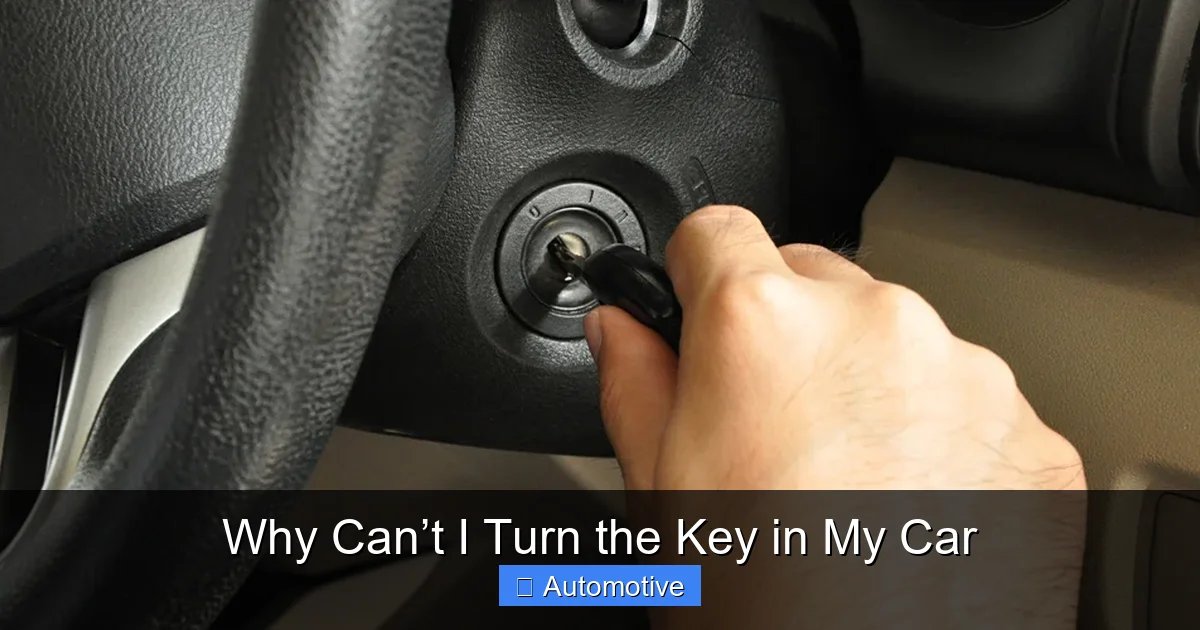
Visual guide about Why Can’t I Turn the Key in My Car
Image source: unitedlocksmith.net
There are several reasons why your car key might refuse to turn. Some are mechanical, others electrical, and a few are due to simple user error. Let’s break down the most frequent causes so you can identify what’s going on under the dashboard.
1. Steering Wheel Lock Engagement
One of the most common—and easily overlooked—reasons your key won’t turn is the steering wheel lock. Many cars are designed with a safety feature that locks the steering column when the key is removed, especially if the wheels are turned at an angle. This prevents the car from being steered without the key, adding a layer of theft deterrence.
Here’s what happens: When you park, especially on a hill or uneven surface, you might turn the wheels to face the curb. When you shut off the engine and remove the key, the steering column engages a lock. The next time you try to start the car, the lock is still active, and the ignition won’t release unless the steering wheel is straightened.
How to fix it: Gently wiggle the steering wheel left and right while simultaneously trying to turn the key. You should feel a slight release as the lock disengages. Once the wheel moves freely, the key should turn normally. This trick works on most vehicles with manual ignition locks.
2. Dead or Weak Car Battery
You might think a dead battery only affects starting the engine—but it can also prevent the key from turning. Modern cars use electronic systems to control the ignition. Even if your dashboard lights come on, the battery might not have enough power to activate the ignition solenoid or release the steering lock.
For example, if your headlights are dim or your radio flickers, that’s a red flag. A weak battery may allow some electronics to function but not enough to power the ignition mechanism fully.
How to fix it: Try jump-starting your car or replacing the battery. If the key turns after a jump, the battery was likely the issue. Keep a portable jump starter in your glove box for emergencies.
3. Worn Ignition Cylinder
Over time, the ignition cylinder—the part where you insert the key—can wear down. Dirt, repeated use, and metal fatigue cause internal components to degrade. When this happens, the key may not align properly with the tumblers inside, making it hard to turn.
Signs of a worn cylinder include:
– The key feels loose or wobbly in the ignition
– It takes multiple attempts to get the key to turn
– The key gets stuck in one position
This is especially common in older vehicles or cars with high mileage. If you’ve had your car for 10+ years and notice increasing difficulty turning the key, wear and tear could be the culprit.
How to fix it: A locksmith or mechanic can replace the ignition cylinder. While it’s not a DIY job for most people, it’s usually affordable and takes less than an hour.
4. Debris or Obstructions in the Ignition Slot
Dust, dirt, lint, and even small bits of broken key can accumulate inside the ignition cylinder. Over time, this buildup creates resistance, making it hard to insert or turn the key. This is more common in cars driven in dusty environments or if the keychain is heavy and jostles the key repeatedly.
Imagine trying to fit a key into a lock filled with sand—it just won’t go. The same principle applies here.
How to fix it: Use a can of compressed air to blow out the ignition slot. Avoid using water or oil, as they can cause corrosion or electrical issues. If that doesn’t work, a small amount of graphite-based lubricant (not WD-40) can help. Spray a tiny bit into the keyhole and insert/remove the key several times to work it in.
5. Faulty Shift Interlock System (Automatic Transmissions)
In automatic cars, the ignition is often linked to the gear selector. Most vehicles won’t allow the key to turn unless the car is in Park. This is a safety feature called the shift interlock system. If the car isn’t fully in Park—or if the sensor is malfunctioning—the key won’t turn.
Sometimes, the gear selector feels like it’s in Park, but it’s actually slightly in Neutral. Or, the brake pedal interlock (which requires you to press the brake to shift out of Park) might be faulty.
How to fix it: Make sure the car is fully in Park. Try shifting to Neutral and back to Park. If that doesn’t work, check if the brake lights come on when you press the brake. If they don’t, the brake switch might be broken, preventing the interlock from releasing.
6. Extreme Weather Conditions
Temperature extremes can affect your car’s mechanical systems. In cold weather, metal contracts and lubricants thicken, making moving parts stiffer. This can cause the ignition cylinder to seize up temporarily.
In hot weather, plastic components may warp slightly, and electronic sensors can behave unpredictably. Humidity can also lead to condensation inside the ignition, causing rust or short circuits.
How to fix it: In winter, try warming up the car with a block heater or by sitting in it with the heater on for a few minutes. In summer, park in the shade and use a windshield sunshade to reduce interior heat. If the key is stuck due to cold, gently warming the ignition area with a hairdryer (on low heat) might help—just don’t overheat it.
Step-by-Step Troubleshooting Guide
Visual guide about Why Can’t I Turn the Key in My Car
Image source: i.ytimg.com
When your key won’t turn, don’t panic. Follow this simple step-by-step guide to diagnose and fix the issue safely.
Step 1: Check the Steering Wheel
Before doing anything else, look at your steering wheel. Is it turned to one side? If so, gently wiggle it left and right while trying to turn the key. You should feel a “click” or release when the lock disengages.
Pro tip: Always straighten your wheels before turning off the engine to prevent this issue in the future.
Step 2: Test the Battery
Turn on your headlights. Are they bright? Do the dashboard lights illuminate fully? If they’re dim or flickering, your battery may be weak.
Try starting the car. If it cranks slowly or not at all, the battery is likely the problem. Use jumper cables or a portable jump starter to give it a boost.
Step 3: Inspect the Key and Ignition Slot
Look at your key. Is it bent, cracked, or worn? A damaged key can jam the ignition. Try using a spare key if you have one.
Next, examine the ignition slot. Is there visible dirt or debris? Use compressed air to clean it out. Avoid using metal tools, as they can scratch the cylinder.
Step 4: Check the Gear Selector
Make sure your car is in Park (for automatics). Wiggle the gear selector slightly to ensure it’s fully engaged. If it feels loose, the linkage might be worn.
Also, press the brake pedal firmly. If the brake lights don’t come on, the brake switch may be faulty, preventing the key from turning.
Step 5: Try a Lubricant (Carefully)
If the key is stiff but not stuck, apply a small amount of graphite lubricant to the key and insert it several times. Never use oil-based lubricants like WD-40—they attract dirt and can gum up the mechanism.
Step 6: Call for Help if Needed
If none of these steps work, it’s time to call a professional. A locksmith can often extract a stuck key or replace the ignition cylinder on the spot. A mechanic can diagnose electrical issues or problems with the immobilizer system.
Preventing Future Ignition Problems
Visual guide about Why Can’t I Turn the Key in My Car
Image source: i.ytimg.com
An ounce of prevention is worth a pound of cure—especially when it comes to car troubles. Here are some practical tips to keep your ignition working smoothly.
Use a Light Keychain
Heavy keychains put extra strain on the ignition cylinder every time you turn the key. Over time, this can wear down the internal components. Switch to a lightweight key fob or keep your keys on a simple ring.
Keep the Ignition Clean
Every few months, use compressed air to blow out dust and debris from the ignition slot. This simple habit can prevent jams and extend the life of your cylinder.
Replace Worn Keys
If your key is visibly worn or bent, get a new one made. Most dealerships and locksmiths can duplicate your key using the VIN or original code.
Park on Level Ground
Whenever possible, park on flat surfaces. This reduces the chance of the steering wheel locking at an angle, which can make it harder to turn the key the next time.
Maintain Your Battery
Have your battery tested annually, especially before winter. Replace it every 3–5 years, depending on climate and usage. A healthy battery ensures all electronic systems—including the ignition—work properly.
Service the Ignition System
If you notice recurring issues, have a mechanic inspect the ignition system. They can check for worn tumblers, faulty sensors, or electrical problems before they leave you stranded.
When to Call a Professional
While many ignition issues can be resolved at home, some problems require expert attention. Here’s when you should call a mechanic or locksmith.
The Key is Physically Stuck
If the key won’t move at all—even after trying all troubleshooting steps—it may be jammed due to internal damage. Forcing it could break the key inside the cylinder, making the situation worse.
A locksmith has specialized tools to extract broken keys and repair or replace the ignition cylinder safely.
Electrical or Immobilizer Issues
Modern cars use transponder keys with built-in chips that communicate with the engine control unit (ECU). If the immobilizer system malfunctions, the car won’t start—even if the key turns.
Symptoms include:
– The key turns but the engine won’t crank
– A flashing security light on the dashboard
– The car starts intermittently
These issues often require diagnostic tools and programming, which only a dealership or certified technician can perform.
Repeated Ignition Problems
If you’re constantly dealing with a stiff or stuck key, it’s a sign of underlying wear. Ignoring it could lead to complete failure at the worst possible time.
A mechanic can inspect the entire ignition system, including the cylinder, switch, and wiring, to identify the root cause.
Real-Life Examples and User Experiences
Sometimes, hearing how others solved the same problem can be incredibly reassuring. Here are a few real-world scenarios.
Case 1: The Hill Parking Mishap
Sarah parked her SUV on a steep hill and turned the wheels toward the curb. When she returned the next morning, the key wouldn’t turn. She tried wiggling the key, but nothing worked. After 10 minutes of frustration, she remembered reading about the steering lock. She gently rocked the steering wheel side to side while turning the key—and it clicked right into place. Lesson learned: always straighten the wheels before shutting off.
Case 2: The Weak Battery Surprise
Tom’s car had been sitting in the garage for a week while he was on vacation. When he returned, the key wouldn’t turn. The dashboard lights were dim, and the engine wouldn’t crank. He jumped the battery, and the key turned immediately. A new battery fixed the issue permanently.
Case 3: The Broken Key Fragment
Maria’s key broke off in the ignition while she was trying to start her car. She panicked, but a local locksmith arrived in 20 minutes, extracted the fragment, and made a new key on the spot. The cost? Just $75—far less than a tow and dealership visit.
These stories show that most ignition problems have solutions. The key is staying calm and trying the right steps.
Conclusion: Don’t Let a Stuck Key Derail Your Day
Finding that your key won’t turn in the ignition is frustrating, but it’s rarely a sign of a major breakdown. In most cases, the issue stems from something simple—like a locked steering wheel, a weak battery, or a bit of dirt in the ignition. With the right knowledge and a few troubleshooting steps, you can often get your car started again without professional help.
Remember: prevention is key. Keep your ignition clean, use a light keychain, and park on level ground when possible. And if the problem persists or seems electrical, don’t hesitate to call a professional. Your safety and peace of mind are worth it.
So the next time you can’t turn the key in your car, take a deep breath. Check the steering wheel, test the battery, and try a little wiggle. More often than not, that stubborn key will cooperate—and you’ll be back on the road in no time.
Frequently Asked Questions
Why won’t my car key turn even though the battery is fine?
The issue might be mechanical, such as a locked steering wheel or a worn ignition cylinder. Even with a good battery, these physical obstructions can prevent the key from turning.
Can cold weather cause my key to get stuck?
Yes, cold temperatures can cause metal parts to contract and lubricants to thicken, making the ignition stiffer. Warming the car slightly or using a graphite lubricant can help.
Is it safe to use WD-40 in the ignition?
No, WD-40 is oil-based and can attract dirt, leading to more jams. Use a dry graphite lubricant instead, which won’t gum up the mechanism.
Why does my key turn but the car won’t start?
This could be due to a faulty immobilizer system, a bad starter, or a fuel issue. The key turning means the ignition is working, but another system is preventing startup.
How often should I clean my ignition slot?
Every 3–6 months, or whenever you notice stiffness. Use compressed air to remove dust and debris—this simple maintenance can prevent future problems.
Can a locksmith fix my ignition without the original key?
In many cases, yes. Locksmiths can decode the ignition cylinder or use the VIN to create a new key, especially if the original is lost or broken.