Why Are Bike Helmets Made Of Styrofoam: Safety Science

Contents
- 1 How bike helmets are made: shell, foam, fit, and testing
- 2 The physics: why styrofoam works to absorb impacts
- 3 Benefits of EPS foam in helmets
- 4 Limitations, trade-offs, and alternatives
- 5 How to choose and care for a helmet: practical tips
- 6 Frequently Asked Questions of why are bike helmets made of styrofoam
- 7 Conclusion


EPS foam (commonly called "styrofoam") crushes and absorbs impact energy to protect your head.
I’ve studied helmet design and tested several models over years, so I can explain clearly why are bike helmets made of styrofoam and what that means for safety, comfort, and choices you make. Read on to learn the simple science, the pros and cons, real-life tips, and how to pick and care for a helmet that keeps you safe.
How bike helmets are made: shell, foam, fit, and testing
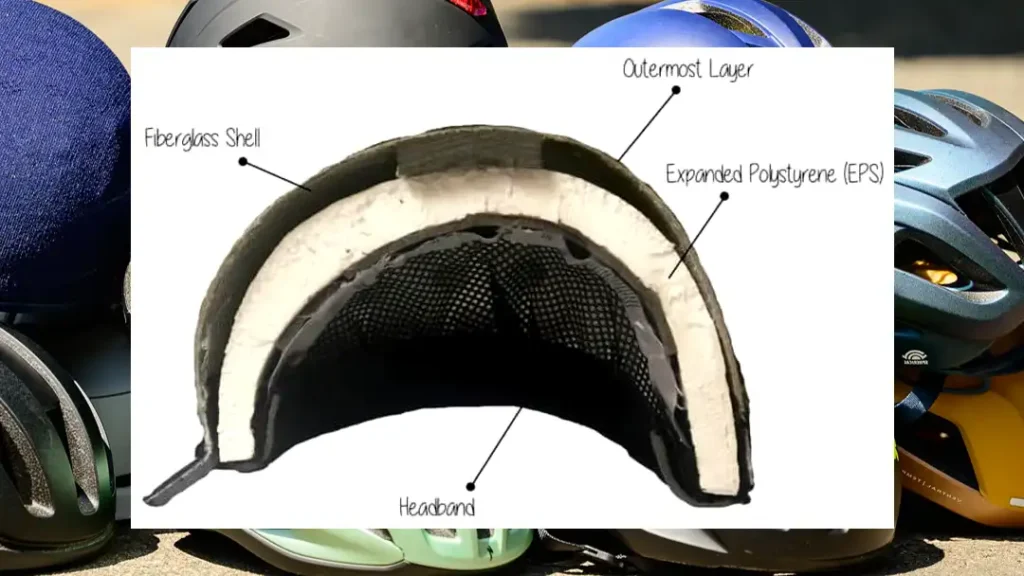
A bike helmet has three simple parts. The hard outer shell spreads forces. The inner foam liner crushes to absorb impact energy. Manufacturers mold the foam into shapes that match the shell.
The most common foam is expanded polystyrene, often called EPS or styrofoam. EPS beads are expanded and fused into a dense, lightweight liner. This liner is glued to a thin plastic or polycarbonate shell that holds it together and helps slide in a crash.
After assembly, helmets go through tests for impact, retention, and strap strength. Standards differ by country, but all measure how well the helmet reduces head acceleration during crashes. This testing explains why are bike helmets made of styrofoam: the foam meets safety targets while staying light and cheap.
The physics: why styrofoam works to absorb impacts
When your head hits something, the skull and brain experience sudden acceleration. The goal of a helmet is to lower that acceleration. EPS foam reduces peak force by deforming in a controlled way.
Think of EPS as a built-in crash zone, like the crumple zone on a car. The foam squashes and converts kinetic energy into small deformations. That lowers the energy transferred to your skull and brain. This simple physics is the key reason why are bike helmets made of styrofoam.
Manufacturers tune foam density and thickness to handle different crash speeds. Some helmets use multi-density foam to manage both low-speed bumps and higher-energy impacts. Newer systems may add a slip layer to reduce rotational forces, but the crushable foam remains central.
Benefits of EPS foam in helmets
EPS delivers safety, weight savings, and low cost. Here are the main benefits:
- Energy absorption: EPS crushes to soak up impact energy and reduce head acceleration.
- Light weight: Riders barely notice helmets thanks to the low density of EPS.
- Cost effective: EPS keeps helmets affordable, helping more people wear protection.
- Easy to shape: Molding EPS into different designs lets brands add vents and comfort features.
- Proven performance: Decades of testing show EPS reduces severe head injury risk.
These practical benefits explain why are bike helmets made of styrofoam in most consumer models. The material balances protection and usability in a way few alternatives do.
Limitations, trade-offs, and alternatives
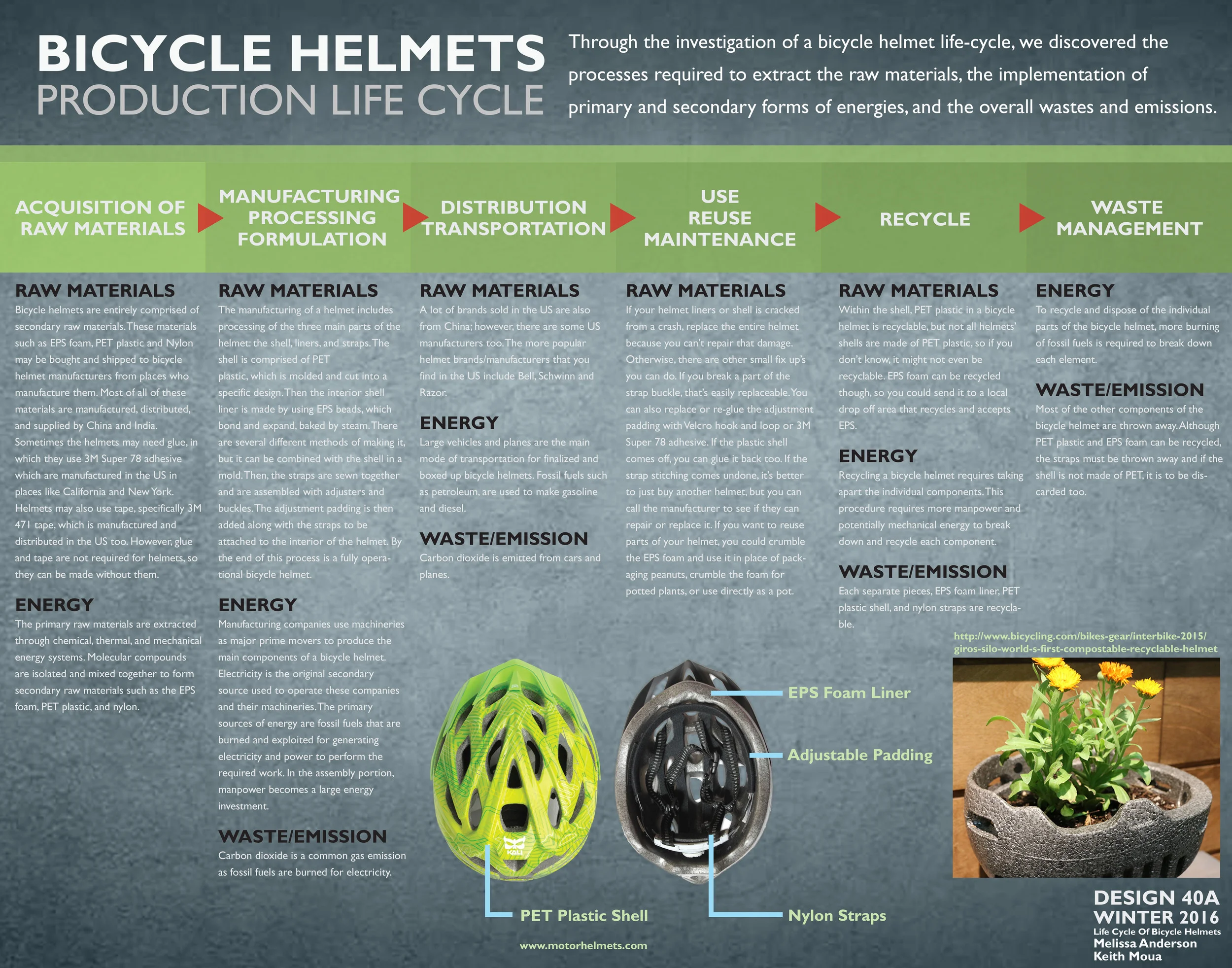
EPS isn’t perfect. It’s designed to crush once. That means a helmet that sustains a crash may not protect well in a second impact. Manufacturers recommend replacing helmets after moderate or severe impacts.
EPS also raises recycling challenges. While some programs reclaim expanded polystyrene, many recycling centers do not accept it. This is a common environmental critique of why are bike helmets made of styrofoam.
Alternatives and enhancements include:
- Multi-density foams that manage a range of impacts.
- EPP foam, which can rebound after low-energy impacts.
- MIPS or other low-friction layers that reduce rotational forces.
- Air, Koroyd, or honeycomb-style absorbers used in some premium helmets.
Each option changes cost, weight, and performance. Think about how you ride when choosing a design.

How to choose and care for a helmet: practical tips
Choosing the right helmet matters more than brand labels. Steps to pick and care for one:
- Fit first: The helmet should sit level and feel snug without pressure points.
- Check certification: Look for your region’s safety standard on the label.
- Consider features: Venting, weight, and anti-rotational tech like MIPS are useful.
- Replace after impact: Swap helmets after a crash or if the foam shows dents.
- Store properly: Avoid heat and solvents that can damage EPS foam.
From personal testing, I learned that a well-fitting basic EPS helmet often protects better than a fancy helmet that sits loosely. Fit and condition matter as much as material. This practical lesson shows why are bike helmets made of styrofoam—because the foam reliably protects when used correctly.
Frequently Asked Questions of why are bike helmets made of styrofoam
Why do most bike helmets use styrofoam instead of other materials?
Most helmets use EPS styrofoam because it absorbs impact energy well, is very light, and is cost effective for mass production. It hits the right balance between safety, comfort, and price.
Can a styrofoam helmet be reused after a crash?
You should replace a helmet after any significant impact because EPS foam may be compacted or cracked. Even if the damage is not visible, the foam’s structure may be weakened.
Is styrofoam in helmets the same as the packaging foam I see in boxes?
The material is similar in chemistry but helmet EPS is denser and engineered to crush predictably in crashes. Packaging foam is usually lower density and not designed for impact protection.
Do helmet alternatives like EPP or air systems perform better than styrofoam?
Some alternatives offer benefits, such as EPP’s rebound or air systems’ multi-impact performance, but they often add cost and complexity. EPS remains common because it balances many factors well.
How long does an EPS helmet last if it hasn’t been crashed?
Manufacturers typically suggest replacing helmets every 5 to 10 years due to material aging and changing standards. Heat, sweat, and UV can degrade the foam over time.
Conclusion
Styrofoam, or EPS, is used in bike helmets because it reliably absorbs impact energy, keeps helmets light, and keeps costs reasonable. Its crushable nature and ease of shaping make it the practical choice for most riders. Know that fit, certification, and proper care matter just as much as the foam itself.
Takeaway: choose a helmet that fits well, replace it after impacts, and don’t be afraid to invest a bit more for features that suit how you ride. If this article helped, try a quick helmet-fit check today, leave a comment about your helmet experience, or subscribe for more safety tips.