
Who Makes Toyota Transmission Fluid?

Toyota transmission fluid is manufactured by Toyota Genuine Parts, developed in-house to meet strict OEM specifications. While third-party brands may offer compatible fluids, only genuine Toyota fluid guarantees full compatibility, performance, and warranty protection.
When it comes to maintaining your Toyota, few components are as critical—and often misunderstood—as the transmission. And at the heart of a healthy transmission is the right kind of fluid. But here’s a question many Toyota owners quietly wonder: *Who actually makes Toyota transmission fluid?* It’s not just a matter of branding. Understanding the source, formulation, and purpose of this specialized fluid can mean the difference between a smooth, long-lasting ride and costly repairs down the road.
You might assume that because Toyota is a car manufacturer, they also produce every single part and fluid that goes into their vehicles. While Toyota designs and rigorously tests their transmission fluid, the actual manufacturing is often handled by specialized chemical companies under strict licensing and quality control. Still, every drop of genuine Toyota transmission fluid is developed to meet exacting OEM (Original Equipment Manufacturer) standards. This ensures compatibility, performance, and protection across millions of Toyota vehicles worldwide.
In this article, we’ll dive deep into the world of Toyota transmission fluid—who makes it, how it’s formulated, why it matters, and what happens when you use the wrong kind. Whether you’re a DIY mechanic, a first-time Toyota owner, or just someone who wants to keep their car running like new, this guide will give you the knowledge you need to make informed decisions about your vehicle’s care.
Key Takeaways
- Toyota designs and specifies its own transmission fluid: The formulation is engineered specifically for Toyota transmissions to ensure smooth shifting, cooling, and long-term durability.
- Manufactured by Toyota Genuine Parts: The fluid is produced under Toyota’s supervision, often by trusted chemical partners, but always to Toyota’s exact standards.
- Not all “compatible” fluids are equal: Aftermarket fluids may claim compatibility but often lack the precise additives and viscosity required for Toyota transmissions.
- Using non-genuine fluid can void warranty: Toyota recommends only genuine fluid to maintain warranty coverage and prevent potential transmission damage.
- Available in multiple formulations: Toyota offers different types, such as WS (World Standard) for automatics and DW-1 for manuals, each tailored to specific models.
- Check your owner’s manual: Always verify the correct fluid type for your vehicle model and year to avoid costly mistakes.
- Regular maintenance is key: Even with the right fluid, timely changes are essential to prevent wear, overheating, and transmission failure.
📑 Table of Contents
- What Is Toyota Transmission Fluid?
- Who Manufactures Toyota Transmission Fluid?
- Types of Toyota Transmission Fluid
- Why Genuine Toyota Fluid Matters
- How to Identify Genuine Toyota Transmission Fluid
- When and How to Change Toyota Transmission Fluid
- Common Myths About Toyota Transmission Fluid
- Conclusion
What Is Toyota Transmission Fluid?
Before we answer who makes it, let’s first understand *what* Toyota transmission fluid actually is. At its core, transmission fluid is a specialized lubricant designed to perform multiple functions within your vehicle’s transmission system. Unlike engine oil, which primarily lubricates moving parts, transmission fluid does a lot more. It acts as a hydraulic fluid, a coolant, a friction modifier, and a protective coating—all at once.
In automatic transmissions, the fluid transfers power from the engine to the transmission through torque converters. It also helps engage and disengage gears smoothly by controlling clutch packs and bands. In manual transmissions, it lubricates gears, bearings, and synchronizers to reduce friction and wear. Without the right fluid, your transmission can overheat, slip, shudder, or even fail entirely.
Toyota’s transmission fluid is not a one-size-fits-all product. Over the years, the company has developed several formulations to match the evolving technology in their vehicles. For example, older models might use Type T-IV fluid, while newer automatics often require Toyota Genuine ATF WS (World Standard). Each type is engineered with specific viscosity, friction characteristics, and additive packages to match the design of Toyota’s transmissions.
One of the key features of genuine Toyota fluid is its stability under extreme conditions. It resists oxidation, foaming, and thermal breakdown—common issues that can degrade cheaper fluids over time. This stability ensures consistent performance, even in hot climates or during heavy towing. Additionally, Toyota’s fluid is formulated to protect seals and gaskets, preventing leaks and maintaining proper pressure within the transmission.
Who Manufactures Toyota Transmission Fluid?
Visual guide about Who Makes Toyota Transmission Fluid?
Image source: i.ytimg.com
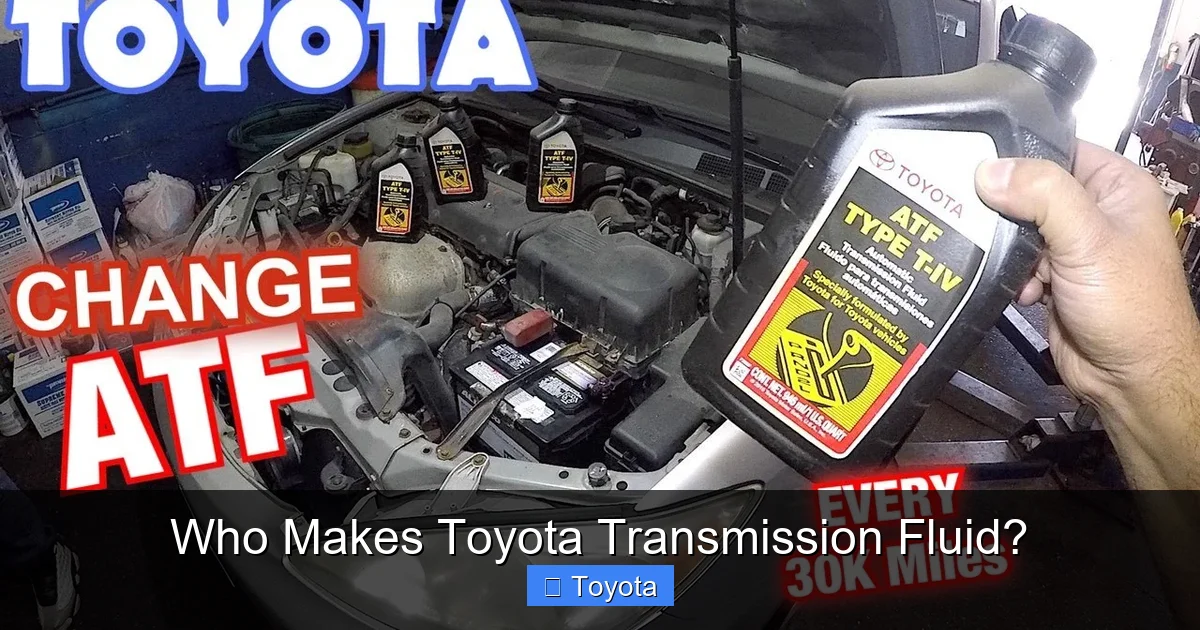
Now, to the central question: Who makes Toyota transmission fluid? The short answer is that Toyota does—but not in the way you might think. Toyota doesn’t operate its own chemical plants to produce transmission fluid. Instead, the company develops the specifications and works with trusted third-party manufacturers to produce the fluid under the Toyota Genuine Parts brand.
These manufacturers are typically large, reputable chemical companies with expertise in automotive lubricants. Companies like Idemitsu Kosan, Chevron, and ExxonMobil have been known to produce fluids that meet or exceed Toyota’s standards. However, the key difference is that every batch of genuine Toyota transmission fluid is tested and approved by Toyota engineers before it reaches dealerships and service centers.
This process ensures that the fluid meets Toyota’s strict performance criteria, including viscosity, friction modifiers, anti-wear additives, and compatibility with transmission materials. Even though the fluid may be bottled by a third party, it carries the Toyota name because it’s been validated as meeting OEM requirements.
It’s also worth noting that Toyota Genuine Parts are distributed globally through authorized dealerships and certified retailers. This means that whether you’re in Tokyo, Texas, or Toronto, the transmission fluid you buy from a Toyota dealer should be consistent in quality and formulation.
Why Doesn’t Toyota Make It In-House?
You might wonder why Toyota doesn’t manufacture the fluid themselves. After all, they design the engines, transmissions, and even the software that controls them. The reason comes down to specialization and efficiency. Producing high-performance lubricants requires advanced chemical engineering, large-scale production facilities, and continuous R&D—areas where specialized chemical companies have a competitive edge.
By partnering with these experts, Toyota can focus on what it does best: designing and building reliable vehicles. At the same time, they maintain tight control over the final product through rigorous testing and quality assurance. This collaborative approach allows Toyota to deliver a superior product without the overhead of running a chemical manufacturing division.
The Role of OEM Specifications
Another important aspect is that Toyota doesn’t just hand over a recipe to a manufacturer. Instead, they provide detailed OEM specifications that cover every aspect of the fluid’s performance. These specs include:
– Viscosity at various temperatures
– Friction characteristics for smooth shifting
– Anti-wear and anti-corrosion properties
– Compatibility with seals, gaskets, and clutch materials
– Resistance to oxidation and thermal breakdown
Manufacturers must prove their fluid meets these standards through extensive lab and real-world testing. Only then is it approved for use in Toyota vehicles and labeled as “Toyota Genuine ATF.”
Types of Toyota Transmission Fluid
Visual guide about Who Makes Toyota Transmission Fluid?
Image source: rav4resource.com
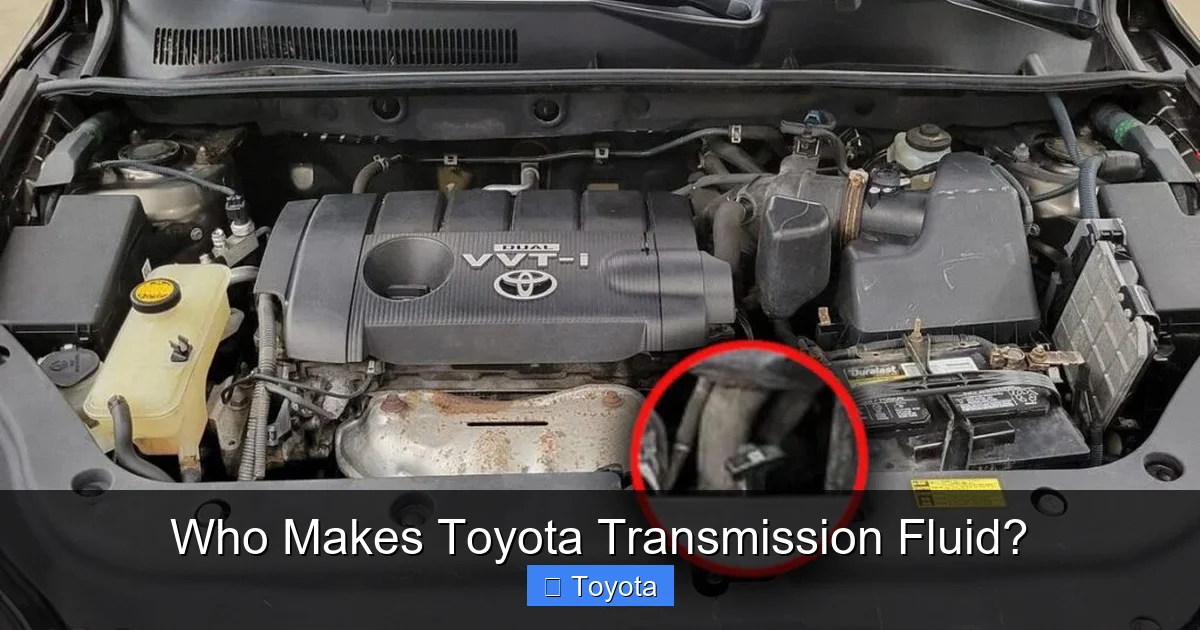
Not all Toyota transmission fluids are the same. Over the decades, Toyota has introduced several formulations to keep up with advancements in transmission technology. Using the wrong type can lead to poor performance, increased wear, and even transmission damage. Here’s a breakdown of the most common types:
Toyota Genuine ATF Type T-IV
Introduced in the late 1990s, Type T-IV was the standard for many Toyota and Lexus vehicles with automatic transmissions. It replaced earlier formulations like Type II and Type III, offering improved friction stability and longer service life. Vehicles that typically use T-IV include older Camrys, Corollas, RAV4s, and some Lexus models from the 2000s.
One of the key features of T-IV is its balanced friction modifiers, which prevent shuddering during gear shifts. It also has excellent shear stability, meaning it maintains its viscosity even under high stress. However, it’s not compatible with newer transmissions designed for WS fluid.
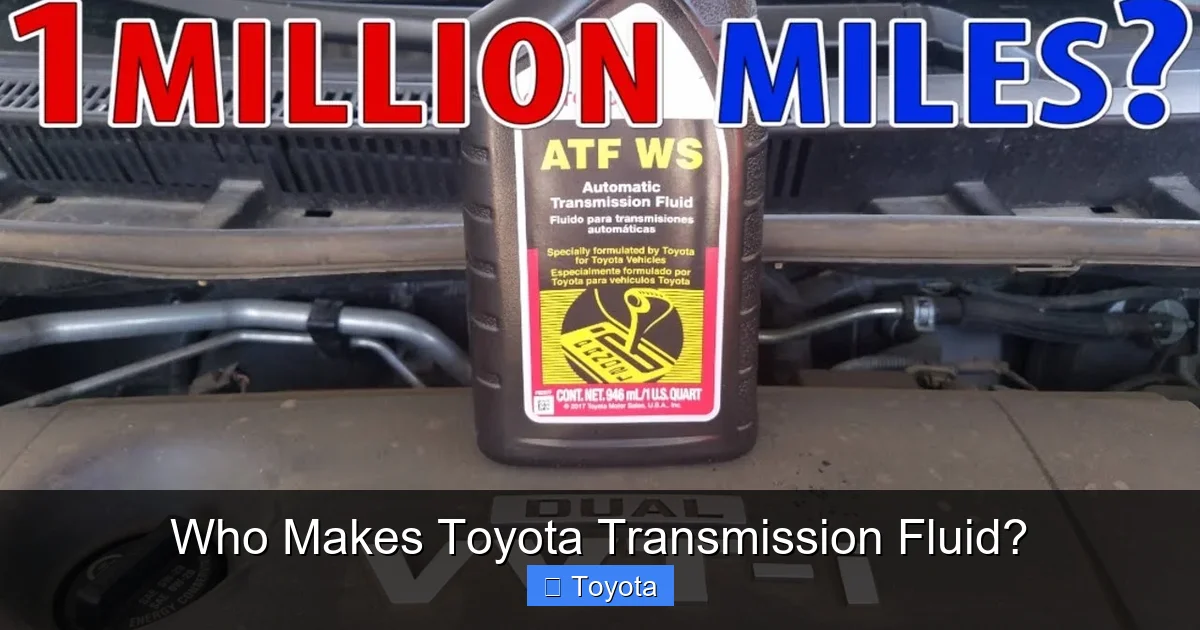
Toyota Genuine ATF WS (World Standard)
As transmissions became more advanced—featuring electronic controls, tighter tolerances, and higher efficiency—Toyota developed the WS (World Standard) fluid. This low-viscosity formula is used in most modern Toyota automatics, including those in the Corolla, Camry, Highlander, and Prius.
WS fluid is designed to reduce internal drag, improve fuel economy, and provide smoother, faster shifts. It also has enhanced thermal stability and longer service intervals—some models can go up to 100,000 miles between changes, though Toyota still recommends checking it regularly.
Because of its low viscosity, WS fluid is very sensitive to contamination and degradation. That’s why it’s crucial to use only genuine Toyota WS fluid and to avoid mixing it with other types.
Toyota Genuine MTF DW-1
For manual transmissions, Toyota uses a different fluid: MTF DW-1 (Manual Transmission Fluid). This gear oil is thicker than automatic transmission fluid and is formulated to handle the high pressures and shear forces inside manual gearboxes.
DW-1 provides excellent protection for synchronizers, which help gears mesh smoothly during shifts. It also resists foaming and maintains lubrication at high temperatures. Vehicles like the Toyota 86, older MR2s, and some Tacoma models use DW-1.
It’s important not to substitute DW-1 with regular gear oil or automatic transmission fluid, as this can lead to poor shifting, increased wear, and premature failure.
Other Specialty Fluids
In addition to the main types, Toyota has developed specialty fluids for hybrid and continuously variable transmissions (CVTs). For example, the Toyota Hybrid Synergy Drive system uses a unique fluid that’s compatible with both the electric motor and the planetary gearset. Similarly, CVTs require fluids with specific friction and shear properties to prevent belt slippage and ensure smooth operation.
Always consult your owner’s manual or a Toyota dealer to confirm the correct fluid for your specific model and year.
Why Genuine Toyota Fluid Matters
Visual guide about Who Makes Toyota Transmission Fluid?
Image source: i.ytimg.com
With so many aftermarket options available, you might be tempted to save money by using a cheaper, “compatible” transmission fluid. But here’s why that’s a risky move.
Engineered for Precision
Toyota transmissions are precision instruments. Every component—from the torque converter to the valve body—is designed to work with a specific fluid formulation. Genuine Toyota fluid is engineered to match these exact requirements, ensuring smooth operation, optimal fuel economy, and long-term reliability.
Aftermarket fluids may claim compatibility, but they often lack the precise balance of additives and viscosity needed for Toyota’s systems. Even small deviations can cause problems like delayed shifts, slipping, or overheating.
Warranty Protection
Using non-genuine fluid can void your vehicle’s warranty—especially if transmission damage occurs. Toyota’s warranty terms typically require the use of genuine parts and fluids for maintenance. If you bring your car in with a transmission issue and the service history shows non-OEM fluid was used, the claim may be denied.
This isn’t just theoretical. There are documented cases where dealerships have refused warranty coverage due to the use of aftermarket fluids, even if the fluid appeared to be high quality.
Long-Term Cost Savings
While genuine Toyota fluid may cost more upfront, it can save you money in the long run. A transmission rebuild or replacement can cost thousands of dollars—far more than the price difference between genuine and aftermarket fluid.
By using the right fluid and following the recommended maintenance schedule, you extend the life of your transmission and avoid costly repairs. It’s a small investment that pays big dividends.
Real-World Example: The 2010 Camry Transmission Issue
In the late 2000s, some Toyota Camry owners reported transmission shuddering and delayed shifts. Investigations revealed that many of these vehicles had been serviced with non-genuine or incorrect fluid. Once the transmission was flushed and filled with genuine Toyota ATF WS, the symptoms often disappeared.
This case highlights the importance of using the right fluid—not just any fluid that “looks similar.”
How to Identify Genuine Toyota Transmission Fluid
Not all bottles labeled “Toyota ATF” are created equal. Here’s how to make sure you’re getting the real deal:
Look for the Toyota Genuine Parts Logo
Genuine Toyota fluids are sold under the “Toyota Genuine Parts” brand. The packaging will clearly display the Toyota logo, part number, and fluid type (e.g., ATF WS, MTF DW-1).
Check the Part Number
Each type of fluid has a unique part number. For example:
– ATF WS: 00289-ATFWS
– MTF DW-1: 00289-MTFDW1
– Type T-IV: 00289-ATFT4
You can verify these numbers on Toyota’s official parts website or by asking a dealer.
Buy from Authorized Retailers
Purchase fluid from Toyota dealerships, certified parts stores, or reputable online retailers like ToyotaPartsDeal.com or Amazon (sold and shipped by authorized sellers). Avoid unknown brands or suspiciously low prices.
Inspect the Label and Bottle
Genuine Toyota fluid comes in high-quality, clearly labeled bottles with tamper-evident seals. The fluid itself should be clean, free of debris, and have a consistent color (usually red or pink for ATF).
When and How to Change Toyota Transmission Fluid
Even the best fluid degrades over time. Heat, contamination, and normal wear break down additives and reduce viscosity. That’s why regular changes are essential.
Recommended Intervals
Toyota’s recommendations vary by model and fluid type:
– ATF WS: Typically every 60,000 to 100,000 miles (check your manual)
– Type T-IV: Every 30,000 to 60,000 miles
– MTF DW-1: Every 30,000 to 50,000 miles
However, if you frequently drive in severe conditions—such as towing, stop-and-go traffic, or extreme temperatures—you may need to change it more often.
DIY vs. Professional Service
Changing transmission fluid can be done at home, but it’s more complex than an oil change. Most modern Toyotas require a flush machine to fully replace the fluid in the torque converter and cooler lines. A simple drain-and-fill only replaces about 40–50% of the fluid.
For best results, consider having the service done at a Toyota dealership or trusted mechanic with the proper equipment. They can also check for leaks, worn parts, and proper fluid level.
Tips for a Successful Change
– Always use the correct fluid type.
– Warm up the transmission before draining (fluid flows better when warm).
– Replace the transmission filter if applicable.
– Check the dipstick (if equipped) or use the fill plug method to ensure proper level.
– Reset the maintenance reminder if your vehicle has one.
Common Myths About Toyota Transmission Fluid
There are many misconceptions about transmission fluid. Let’s clear up a few:
Myth: All Red Fluids Are the Same
Just because a fluid is red doesn’t mean it’s compatible with your Toyota. Color is not a reliable indicator of quality or compatibility. Always check the specifications.
Myth: You Can Mix Different Types
Never mix different types of transmission fluid. Even small amounts of the wrong fluid can alter viscosity and friction characteristics, leading to poor performance.
Myth: “Lifetime” Fluid Never Needs Changing
Some manufacturers claim their fluid is “lifetime,” but this is misleading. All fluids degrade over time. Toyota recommends regular inspections and changes based on driving conditions.
Myth: Aftermarket Fluids Are Just as Good
While some aftermarket brands offer high-quality products, only genuine Toyota fluid is guaranteed to meet OEM specs. The risk of using alternatives isn’t worth the potential savings.
Conclusion
So, who makes Toyota transmission fluid? While the actual production may be handled by specialized chemical companies, the fluid is developed, tested, and approved by Toyota to meet strict OEM standards. It’s sold under the Toyota Genuine Parts brand and is engineered specifically for Toyota transmissions.
Using genuine Toyota transmission fluid ensures smooth shifting, optimal performance, and long-term reliability. It protects your warranty, prevents costly repairs, and gives you peace of mind knowing your vehicle is getting the care it deserves.
Whether you’re driving a hybrid Prius, a rugged Tacoma, or a family-friendly Highlander, the right fluid makes all the difference. Don’t cut corners when it comes to something as important as your transmission. Stick with genuine Toyota fluid, follow the maintenance schedule, and your Toyota will keep running strong for years to come.
Frequently Asked Questions
Can I use any transmission fluid in my Toyota?
No, you should only use the transmission fluid specified in your owner’s manual. Using the wrong type can cause shifting problems, overheating, and transmission damage.
Is Toyota transmission fluid synthetic?
Yes, genuine Toyota transmission fluids like ATF WS and Type T-IV are fully synthetic, offering superior performance, stability, and longevity compared to conventional fluids.
How do I know which Toyota transmission fluid my car needs?
Check your owner’s manual or look for a label inside the transmission dipstick tube. You can also ask a Toyota dealer to confirm the correct fluid for your model and year.
Can I mix Toyota ATF WS with Type T-IV?
No, never mix different types of transmission fluid. They have different viscosities and additive packages, which can lead to poor performance or damage.
Where can I buy genuine Toyota transmission fluid?
You can purchase it from Toyota dealerships, authorized parts retailers, or reputable online stores that sell genuine Toyota parts.
How often should I change my Toyota transmission fluid?
It depends on the fluid type and driving conditions. Generally, ATF WS can go 60,000–100,000 miles, while Type T-IV and MTF DW-1 should be changed every 30,000–60,000 miles.