
Who Makes Car Keys?

Car keys are made by a mix of automakers, specialized key manufacturers, locksmiths, and tech companies. From basic metal keys to advanced smart fobs, each type involves unique production and programming processes.
Have you ever lost your car keys and wondered, “Who even makes these things?” You’re not alone. Most drivers assume that car keys come straight from the dealership or are made by the car manufacturer—and that’s partly true. But the truth is, the world of car key production is far more complex and fascinating than most people realize. From tiny electronic chips to high-tech fobs that unlock your car with a touch, the journey of a car key involves a network of companies, technologies, and skilled professionals.
Car keys today are no longer just simple metal pieces that turn in an ignition. They’ve evolved into sophisticated devices that communicate with your vehicle’s computer system. Some keys can start your engine with the push of a button, while others let you unlock your car from your smartphone. This evolution means that making a car key isn’t just about cutting metal—it’s about engineering, software, and security. And behind every key you hold is a chain of manufacturers, suppliers, and service providers working together to keep your car secure and accessible.
Key Takeaways
- Automakers design and supply original keys: Car manufacturers like Toyota, Ford, and BMW create and distribute keys specifically for their vehicle models, often through dealerships.
- Specialized key manufacturers produce blanks and components: Companies like Ilco, Strattec, and JMA supply key blanks, transponders, and electronic components used by dealers and locksmiths.
- Automotive locksmiths cut and program keys: Licensed locksmiths use advanced tools to duplicate and program keys, often offering faster and cheaper alternatives to dealerships.
- Tech companies drive innovation in keyless systems: Firms like Bosch, Continental, and Tesla develop smart keys, key fobs, and app-based entry systems using cutting-edge technology.
- Aftermarket brands offer affordable alternatives: Brands like KeylessOption and Car Keys Express provide replacement keys and fobs at lower prices, though compatibility varies.
- Key programming requires specialized equipment: Modern keys often need diagnostic tools and software to sync with a vehicle’s immobilizer system.
- Security and convenience drive key evolution: From mechanical cuts to biometric access, car keys continue to evolve for better safety and user experience.
📑 Table of Contents
Who Makes Car Keys? The Key Players Explained
So, who exactly makes car keys? The answer isn’t one company—it’s a collaboration of several key players, each with a specific role in the process. Let’s break down the main contributors.
Automakers: The Original Key Designers
Car manufacturers like Toyota, Ford, Honda, BMW, and Tesla are the starting point for most car keys. When a new vehicle rolls off the assembly line, it comes with a set of keys designed specifically for that model. These keys are engineered to match the vehicle’s ignition system, door locks, and security features.
For example, a 2023 Honda Accord might come with a smart key fob that allows keyless entry and push-button start. This fob is designed and supplied by Honda, often manufactured under contract by specialized electronics firms. The automaker controls the design, functionality, and distribution of these original keys, usually through authorized dealerships.
But here’s the catch: automakers don’t always make the physical keys themselves. Instead, they partner with third-party manufacturers to produce the components. This brings us to the next group of key makers.
Specialized Key Manufacturers: The Unsung Heroes
Behind the scenes, companies like Ilco, Strattec, JMA, and Keyline are hard at work producing the blanks, transponders, and electronic parts that go into car keys. These manufacturers supply both automakers and independent locksmiths with the raw materials needed to create functional keys.
For instance, Ilco is one of the largest suppliers of automotive key blanks in the world. They produce thousands of different key shapes and cuts to match nearly every vehicle on the road. When a locksmith needs to duplicate a key for a 2015 Ford F-150, they’ll likely use an Ilco blank that’s pre-cut to the correct profile.
Strattec, another major player, focuses on electronic components. They make transponder chips—tiny devices embedded in keys that communicate with the car’s immobilizer system. Without these chips, modern cars won’t start, even if the key fits perfectly in the ignition.
These companies don’t sell directly to consumers. Instead, they work with dealerships, locksmiths, and repair shops to ensure that replacement keys are available when needed.
Automotive Locksmiths: The Key Experts on the Ground
When you lose your keys or need a spare, you’ll likely turn to an automotive locksmith. These professionals are trained to cut, program, and repair car keys of all types—from basic metal keys to advanced smart fobs.
Unlike dealerships, which can take days and charge hundreds of dollars, locksmiths often provide same-day service at a lower cost. They use portable key-cutting machines and diagnostic tools to duplicate keys on the spot. For example, if you’ve lost the key to your 2018 Nissan Altima, a locksmith can read the vehicle’s immobilizer system, program a new transponder chip, and cut a matching key—all in under an hour.
Many locksmiths also carry aftermarket key fobs and can reprogram them to work with your car. This is especially helpful for older vehicles where original fobs are no longer available.
Tech Companies: Innovators in Keyless Access
As cars become more connected, tech companies are stepping in to redefine what a “key” can be. Firms like Bosch, Continental, and even Apple and Google are developing digital keys that use Bluetooth, NFC, or smartphone apps to unlock and start vehicles.
Tesla, for example, allows drivers to use their smartphones as keys. The Tesla app communicates with the car via Bluetooth, enabling keyless entry and remote start. Similarly, BMW and Mercedes-Benz offer digital key features that let you share access with family members or valet services through a mobile app.
These innovations are made possible by advanced software and secure communication protocols. While traditional key manufacturers still play a role, the future of car access is increasingly digital—and tech companies are leading the charge.
How Are Car Keys Made? From Design to Delivery
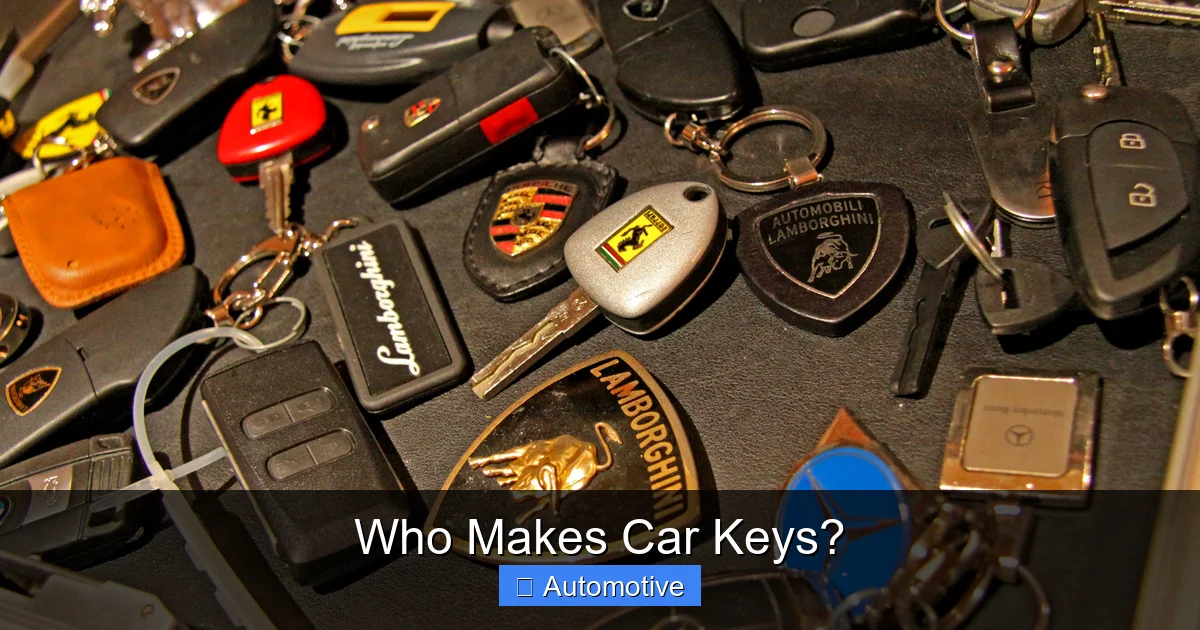
Visual guide about Who Makes Car Keys?
Image source: edbolian.com
Now that we know who makes car keys, let’s explore how they’re actually made. The process varies depending on the type of key, but it generally involves design, manufacturing, programming, and distribution.
Design and Engineering
The first step in making a car key is design. Automakers work with engineers and security experts to create a key that’s both functional and secure. For mechanical keys, this means designing a unique cut pattern that matches the vehicle’s locks. For electronic keys, it involves developing a transponder chip and fob that can communicate with the car’s onboard computer.
Security is a top priority. Modern keys use rolling codes—changing encryption signals that prevent thieves from copying or hacking the signal. This requires sophisticated software and hardware integration.
Manufacturing the Components
Once the design is finalized, production begins. Mechanical key blanks are stamped from brass or steel using precision machinery. These blanks are then cut to the correct shape using laser or mechanical cutters.
For electronic keys, the process is more complex. Transponder chips are manufactured using semiconductor technology, similar to computer processors. These chips are then embedded into the key fob or blade. The fob itself is assembled with buttons, circuit boards, and batteries, often in cleanroom environments to prevent contamination.
Companies like Strattec and JMA handle much of this manufacturing, often under contract for automakers. They ensure that each component meets strict quality and security standards.
Programming and Activation
A key isn’t useful until it’s programmed to work with a specific vehicle. This is where diagnostic tools come in. When a new key is made, it must be synced with the car’s immobilizer system—a process that requires specialized equipment.
For example, if you get a replacement key for your 2020 Chevrolet Silverado, a locksmith or dealer will use a tool like the Autel MaxiIM or Advanced Diagnostics T-Tool to program the transponder chip. The tool communicates with the car’s computer, registers the new key, and ensures it can start the engine.
Some vehicles allow DIY programming using a sequence of ignition turns and button presses, but most modern cars require professional tools.
Distribution and Service
Once programmed, the key is ready for use. Original keys are distributed through dealerships, while replacement keys are available from locksmiths, online retailers, and auto parts stores.
Aftermarket companies like KeylessOption and Car Keys Express sell pre-cut fobs and blades that can be programmed at home or by a professional. These are often cheaper than OEM (original equipment manufacturer) keys but may not include all features, such as remote start or panic buttons.
Types of Car Keys and Who Makes Them
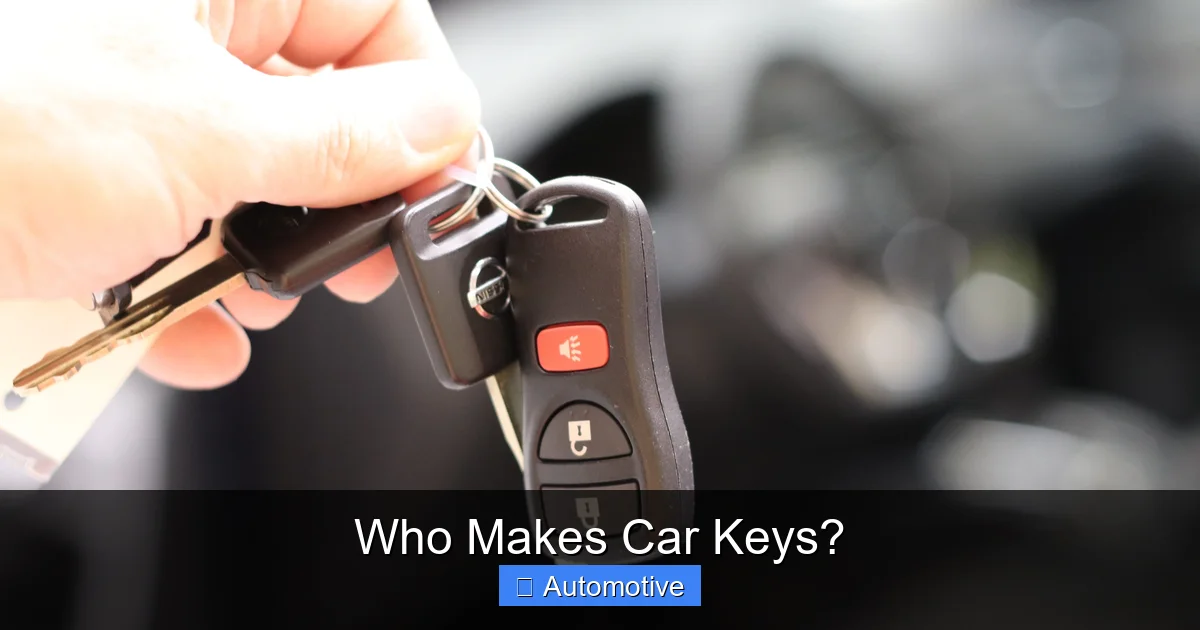
Visual guide about Who Makes Car Keys?
Image source: digileaders.com
Not all car keys are created equal. Over the years, they’ve evolved from simple metal blades to high-tech devices. Let’s look at the main types and who’s behind their production.
Traditional Metal Keys
The oldest and simplest type, these keys are made of brass or steel and feature a unique cut pattern. They’re used to unlock doors and turn the ignition. While less common in new cars, they’re still used in older models and as backup keys for modern vehicles.
Manufacturers like Ilco and Keyline produce the blanks, while locksmiths cut them to match the original. These keys require no programming—just a precise cut.
Transponder Keys
Introduced in the 1990s, transponder keys contain a small chip that emits a radio signal. When inserted into the ignition, the chip communicates with the car’s immobilizer system. If the signal matches, the engine starts.
These keys are made by companies like Strattec and JMA, often under contract for automakers. Programming is required, usually done by a dealer or locksmith.
Remote Key Fobs
Also known as keyless entry remotes, these fobs allow you to lock, unlock, and sometimes start your car from a distance. They use radio frequency (RF) signals to communicate with the vehicle.
Fobs are manufactured by electronics firms and supplied to automakers. Aftermarket versions are available from brands like KeylessOption. Programming varies by model—some can be done at home, others require professional tools.
Smart Keys and Proximity Fobs
Smart keys, like those used in Toyota’s Smart Key system or BMW’s Comfort Access, allow keyless entry and push-button start. The fob remains in your pocket or bag—sensors detect its presence and unlock the car when you approach.
These systems are developed by automakers in partnership with tech firms like Bosch and Continental. They’re more secure and convenient but also more expensive to replace.
Digital and App-Based Keys
The newest innovation, digital keys use smartphones or wearable devices to access and start vehicles. Tesla, BMW, and Hyundai offer apps that turn your phone into a key.
These systems rely on Bluetooth, NFC, or ultra-wideband (UWB) technology. Apple and Google are also getting involved, with Apple CarKey allowing iPhone users to unlock compatible cars.
Where to Get Replacement Car Keys

Visual guide about Who Makes Car Keys?
Image source: esle.io
Losing your keys is stressful, but knowing where to get replacements can save time and money. Here are your main options.
Dealerships
The most reliable but often most expensive option. Dealerships can provide OEM keys that match your vehicle exactly. They have access to your car’s VIN and can order keys directly from the manufacturer.
However, dealerships may charge $200–$500 for a single key, and you may need to wait several days for delivery.
Automotive Locksmiths
A faster and more affordable alternative. Locksmiths can cut and program keys on the spot, often for 30–50% less than dealerships. They carry a wide range of blanks and tools to handle most vehicles.
Look for licensed, insured locksmiths with good reviews. Many offer mobile services, coming to your location to make keys.
Online Retailers
Websites like Amazon, eBay, and specialized key shops sell aftermarket keys and fobs. These are usually cheaper but require self-programming or professional installation.
Be cautious—some keys may not work with your car, or may lack important features. Always check compatibility before buying.
DIY Programming
Some vehicles allow you to program a new key yourself. This usually involves inserting an existing key, turning the ignition, and pressing buttons in a specific sequence.
Check your owner’s manual or online forums for instructions. Not all cars support DIY programming, and attempting it incorrectly can lock you out of the system.
The Future of Car Keys: What’s Next?
As technology advances, the concept of a “car key” is changing. Here’s what to expect in the coming years.
Biometric Access
Fingerprint and facial recognition could replace traditional keys. Some luxury cars already offer fingerprint scanners to start the engine. In the future, your face or fingerprint might be all you need to drive.
Cloud-Based Key Sharing
Imagine lending your car to a friend by sending a digital key via text message. BMW and Hyundai already offer this feature, allowing temporary access through an app.
Integration with Smart Homes
Your car key could soon sync with your smart home. Unlock your car, and your lights turn on, your thermostat adjusts, and your garage door opens—all automatically.
Enhanced Security
With rising car thefts, especially keyless relay attacks, manufacturers are developing stronger encryption and motion-sensing fobs that deactivate when not in use.
The future of car keys is digital, connected, and smarter than ever. But no matter how advanced they get, the need for reliable key makers—whether automakers, locksmiths, or tech firms—will remain.
Conclusion
So, who makes car keys? The answer is a network of automakers, specialized manufacturers, locksmiths, and tech companies, all working together to keep your vehicle secure and accessible. From the humble metal key to the smartphone in your pocket, car keys have come a long way—and they’re only getting more advanced.
Whether you’re replacing a lost key or curious about how they work, understanding the key-making process helps you make smarter decisions. Next time you press that button to unlock your car, remember: there’s a whole industry behind that simple click.
Frequently Asked Questions
Who makes car keys for most vehicles?
Car keys are primarily designed by automakers like Toyota, Ford, and BMW, but they’re often manufactured by specialized companies such as Ilco, Strattec, and JMA under contract.
Can a locksmith make a car key?
Yes, licensed automotive locksmiths can cut and program most types of car keys, including transponder and remote fobs, often faster and cheaper than dealerships.
Are aftermarket car keys reliable?
Many aftermarket keys work well, but quality varies. Choose reputable brands and ensure compatibility with your vehicle to avoid issues with programming or functionality.
Do I need a dealership to program a new key?
Not always. While dealerships can program OEM keys, many locksmiths and some DIY methods can program replacement keys using diagnostic tools or built-in procedures.
How much does it cost to make a car key?
Costs range from $20 for a basic metal key to $500+ for a smart fob from a dealership. Locksmiths and aftermarket options are usually more affordable.
Can I use my phone as a car key?
Yes, many modern vehicles support digital keys via smartphone apps. Brands like Tesla, BMW, and Hyundai offer this feature using Bluetooth or NFC technology.
