Who Is the Guy in the Mazda Commercial?

Contents
- 1 Key Takeaways
- 2 📑 Table of Contents
- 3 The Face of “Zoom-Zoom”: Identifying Mazda’s Leading Man
- 4 Behind the Scenes: The Art of Making a Mazda Commercial
- 5 Mazda’s Marketing Philosophy: Selling the Drive, Not the Dashboard
- 6 Why It Resonates: The Psychology of the Mazda Protagonist
- 7 How to Become a Savvy Commercial Viewer: Practical Tips
- 8 The Future of the “Guy in the Commercial”: Trends to Watch
- 9 Conclusion: More Than Just a Face
- 10 Frequently Asked Questions

Car Dent Repair Kit

Chain Lubricant Spray

Torque Wrench Set

Battery Terminal Cleaner
The actor featured in Mazda’s recent commercials is often a professional talent chosen to embody the brand’s “Zoom-Zoom” spirit and engineering ethos. These ads are carefully crafted to showcase vehicle dynamics and emotional connection, not just product features. Understanding the face behind the campaign reveals Mazda’s broader strategy to blend artistry with automotive performance.
You’re watching a stunning Mazda commercial. The camera glides along a winding coastal road, sunlight glinting off the sculpted fender of a new CX-90. The music swells, a mix of indie rock and orchestral strings. And there he is—the driver. He’s focused, calm, yet you can feel the exhilaration. His hands grip the steering wheel just so. He takes a curve with practiced ease. And you think, “Who is the guy in the Mazda commercial?” It’s a common question, born from a brilliant marketing strategy that puts a human face at the center of the machine.
In 2026, Mazda’s advertising has evolved from simple feature lists to full-fledged cinematic shorts. The “guy” (or sometimes a woman or a group) isn’t just a spokesperson; they are a protagonist in a story about freedom, craftsmanship, and the joy of driving. Identifying him is more than celebrity gossip; it’s a key to understanding how Mazda positions itself against giants like Toyota and Honda. They aren’t just selling cars; they’re selling a feeling, and the actor is your guide into that world.
This article will drive deep into the world of Mazda advertising. We’ll uncover who these actors often are, why Mazda chooses this artistic path, how these commercials are made, and what it means for you as a driver. We’ll also share how you can become a savvier viewer, spotting the techniques brands use to connect with you. So, buckle up. We’re going beyond the surface to find the person behind the wheel and the strategy behind the screen.
Key Takeaways
- The “guy” is typically a professional actor or model: Mazda selects performers who can convey driving passion and authenticity, aligning with their brand image of “The Soul of Motion.”
- Commercials focus on brand storytelling: These ads sell an emotion and a driving philosophy more than specific technical specs, creating a memorable brand experience.
- Campaigns evolve with model launches: The featured actor and narrative often change to highlight new vehicles like the 2026 CX-50 or MX-5 Miata.
- You can often find actor credits: Check the end of the commercial, Mazda’s official YouTube channel, or advertising industry databases for cast details.
- The strategy builds long-term loyalty: Consistent, cinematic advertising helps Mazda maintain a premium, aspirational identity in a competitive market.
📑 Table of Contents
- The Face of “Zoom-Zoom”: Identifying Mazda’s Leading Man
- Behind the Scenes: The Art of Making a Mazda Commercial
- Mazda’s Marketing Philosophy: Selling the Drive, Not the Dashboard
- Why It Resonates: The Psychology of the Mazda Protagonist
- How to Become a Savvy Commercial Viewer: Practical Tips
- The Future of the “Guy in the Commercial”: Trends to Watch
- Conclusion: More Than Just a Face
The Face of “Zoom-Zoom”: Identifying Mazda’s Leading Man
So, who is he, really? The short answer is: it depends on the commercial. Mazda doesn’t have a single, permanent “Mazda guy” like a long-term brand ambassador. Instead, they cast actors for specific campaigns, much like a film studio. These are often talented but not necessarily A-list celebrities. They are chosen for their ability to project a specific vibe—often a mix of approachable intelligence, quiet confidence, and a hint of adventure.
The Casting Call for “The Soul of Motion”
Mazda’s global branding mantra is “The Soul of Motion.” This philosophy suggests that every curve on a Mazda is intentional, every engineering decision serves the connection between driver and road. The actor in the commercial must embody this. They need to look like they belong in the car, that the car is an extension of their will. You won’t see a frantic, overly excited actor. Instead, you see someone serene, in control, and deeply engaged with the driving experience. This is a deliberate choice to appeal to an audience that values sophistication and tactile feedback over brute horsepower.
For example, in the acclaimed “A Driver’s Life” series from the early 2020s (which still influences 2026 campaigns), Mazda featured actors like John Patrick Lowe and others who had a grounded, everyman quality. They weren’t trying to be superstars; they were trying to be *drivers*. This makes the viewer think, “That could be me.” In recent 2025-2026 campaigns for the electrified MX-30 and the performance-focused Mazda3, we’ve seen a shift toward slightly younger, more urban actors, reflecting the brand’s push into EV and hot-hatchback segments. The “guy” might be a designer, a musician, or an outdoor enthusiast—professions that align with creativity and passion.
To find the specific name for a commercial you just saw, your best bets are:
- The Credits: Always watch the very end of the ad. Production companies and sometimes the talent are listed in tiny print.
- Mazda’s Official Channels: Go to the Mazda USA or Mazda Global YouTube channel. The video description often credits the director and sometimes the talent. They may also have a “Behind the Scenes” video that introduces the cast.
- Industry Websites: Sites like AdAge, Campaign US, or Shoot Online frequently publish articles about new automotive campaigns, including cast announcements.
- IMDbPro: For larger, film-like commercials, actors may list these credits on their IMDb profiles.
Not a Spokesperson, a Storyteller
It’s crucial to distinguish this actor from a traditional spokesperson like a famous athlete or actor hired for a multi-year deal. Mazda’s approach is campaign-specific. The actor serves the story of that particular 30-second or 60-second film. One campaign might showcase the CX-50’s off-road prowess with an actor who looks like a national park ranger. The next, for the sleek MX-5, might feature a fashion photographer or a race car driver in training. This flexibility allows Mazda to tailor the “human element” to the specific message of each vehicle.
This strategy also avoids the pitfalls of over-exposure. A single celebrity can become dated or embroiled in scandal. A rotating cast of professional actors keeps the focus on the car and the emotion, not the person’s personal life. The “guy” is a archetype—the Curious Explorer, the Confident Urbanite, the Peaceful Retreat-Seeker. He is a vessel for your own aspirations. This is a masterclass in emotional branding, a tactic also seen in other manufacturers’ ads, such as the thoughtful storytelling in some Nissan Rogue commercials that focus on family adventure.
Behind the Scenes: The Art of Making a Mazda Commercial
That 30-second spot you saw during the big game or on YouTube didn’t happen by accident. It’s the result of a massive collaboration between Mazda’s marketing team, an advertising agency, a film production company, and a cast of dozens. The process of finding and directing “the guy” is a meticulous art form.
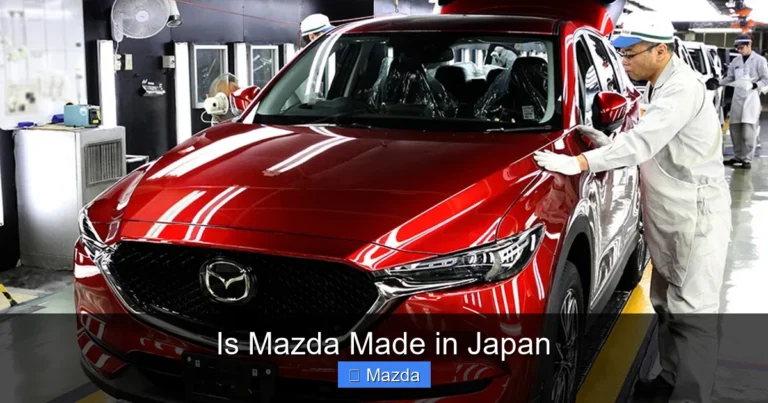
Visual guide about Who Is the Guy in the Mazda Commercial?
Image source: townsquare.media
From Concept to Casting
It starts with a “creative brief.” Mazda’s marketing department outlines the goal: launch the 2026 CX-70, emphasize its hybrid efficiency and luxurious interior, and target empty-nesters and active couples. The advertising agency then develops a narrative—perhaps a couple on a scenic road trip to visit their kids at college, with the car as a silent, capable companion. The script is written, and the casting director gets to work.
The casting director searches through talent agencies for actors who fit the profile: age 40-55, relatable, capable of conveying warmth and quiet competence. They hold auditions, often requiring actors to perform a simple driving simulation—getting into a car, adjusting mirrors, making a turn—to see who looks natural. The chosen actor must also be able to handle technical driving shots, sometimes requiring a stunt driver double for high-speed sequences, but the close-ups on the face must sell the authenticity.
This attention to authentic driving feel is a hallmark of Mazda’s brand. Unlike some brands that may use green screen for everything, Mazda often films on real, challenging roads—the Pacific Coast Highway, the Blue Ridge Parkway, or winding mountain passes. The actor needs stamina and the ability to maintain the desired emotional expression after hours of driving in takes. This commitment to realism is part of why the commercials feel so immersive.
The Director’s Vision
The director is the crucial bridge between the marketing goal and the final film. They work with the director of photography to craft shots that highlight the car’s design lines—the “Kodo: Soul of Motion” design language. The actor is directed not to “act excited,” but to “feel the weight of the steering wheel,” to “notice the sunset through the panoramic sunroof,” or to “experience the seamless shift between electric and gas power.” The performance is internal and subtle.
Sound design is equally important. The engine note (or electric motor hum), the sound of tires on asphalt, the click of the turn signal—these are all amplified and crafted to be a sensory experience. The music is chosen to evoke a specific mood, often indie or cinematic, rather than generic pop. This entire sensory package is designed to make you, the viewer, feel like you’re in the car. When this is done well, you don’t see an “actor in a commercial”; you see a person having a genuine, beautiful driving experience. That’s the magic.
Mazda’s Marketing Philosophy: Selling the Drive, Not the Dashboard
To understand who is in the commercial, you must understand why Mazda makes commercials this way. Their strategy is a conscious departure from the feature-benefit advertising that dominates the industry.
Visual guide about Who Is the Guy in the Mazda Commercial?
Image source: themesong.info
Emotion Over Specification
Many car ads lead with price, MPG, or cargo space. “The all-new SUV with 32 MPG highway!” Mazda’s ads rarely start there. They start with a feeling: “The perfect escape is closer than you think.” “Feel the thrill of the drive.” They assume you already know Mazdas are reliable and well-built. Their job is to make you *desire* the experience of owning and driving one. The actor is the conduit for that desire.
This is a high-risk, high-reward strategy. It requires a larger budget for production quality and a long-term commitment to brand building. It doesn’t always lead to immediate sales spikes. But it builds brand equity and loyalty. A person who connects emotionally with a Mazda commercial is more likely to view the brand as aspirational, to test drive a CX-5, and ultimately to choose it over a more utilitarian competitor. They are buying into the “Soul of Motion” identity. This approach is similar to the emotional, music-driven storytelling found in some Cadillac Lyriq commercials, which also prioritize mood over specifications.
The “Jinba Ittai” Legacy
Mazda’s philosophy has deep roots. The Japanese concept “Jinba Ittai” (人馬一体) means “oneness of horse and rider.” It originated with the MX-5 Miata, designed to feel like an extension of the driver’s body. This philosophy permeates the entire lineup. The commercials visually represent this. You see the driver and car moving as one, reacting to the road together. The actor’s calm, focused expression is the human side of that equation. The car’s responsive handling is the mechanical side. The ad says, “This is not a machine you operate; this is a partner you become one with.”
In 2026, as Mazda pushes deeper into electrification with models like the MX-30, this philosophy is being translated to the EV era. How do you convey “Jinba Ittai” with instant electric torque and near-silence? Through the driver’s expression of serene, effortless power. The actor in an EV commercial might have a slight, knowing smile as they accelerate silently, communicating the unique joy of instant, smooth response. The human element is more important than ever to convey the character of the driving experience when the traditional engine sound is gone.
Why It Resonates: The Psychology of the Mazda Protagonist
Why do we care so much about who this person is? It’s not just idle curiosity. The casting directly impacts the commercial’s effectiveness through psychological principles.

Visual guide about Who Is the Guy in the Mazda Commercial?
Image source: mazdausa.com
Relatability and Aspirational Identification
The best commercial actors are “mirror neurons” for the target audience. If Mazda is selling a compact SUV to young professionals, the actor will be in their late 20s or early 30s, stylish but not flashy, perhaps with a friend in the passenger seat. The viewer should think, “I could see myself in that role.” This creates a powerful mental association: “People like me drive Mazdas.”
For the larger CX-90 targeting families, the actor might be a parent, with a subtle, tired-but-happy smile after a long day, finding peace in the quiet, comfortable cabin on the drive home. This taps into the deep emotional need for sanctuary and family responsibility. The actor’s authenticity is key. If they seem like a paid model, the spell is broken. They must seem like a real person who genuinely enjoys this vehicle. This level of relatable casting is a skill, and it’s why the identity of the actor matters to the campaign’s success.
Conveying Trust and Competence
We subconsciously judge a car’s safety and capability by the person driving it. An actor who looks nervous, distracted, or overly aggressive makes us question the car’s stability and the driver’s judgment. Mazda’s actors are almost always composed, alert, and in control. They scan the road, their hands are at 9-and-3, their movements are smooth. This non-verbal communication tells the viewer: “This car is safe, predictable, and inspires confidence.” It’s a subtle but powerful form of social proof.
This is especially important for Mazda’s i-Activsense safety suite. A commercial showing automatic emergency braking might feature an actor who is momentarily distracted (looking at a map on the infotainment screen) but then is saved by the system. The actor’s subsequent look of relief and gratitude must be believable. The casting here is about portraying a relatable human error and a trustworthy technological safeguard. The actor makes the technology’s benefit emotionally resonant.
How to Become a Savvy Commercial Viewer: Practical Tips
Your curiosity about “the guy” is the first step to becoming a more critical consumer of advertising. Here’s how you can dig deeper and see the strategy behind the spots.
Watch with a Critical Eye
Next time a Mazda ad comes on, pause the analysis. Instead of just absorbing the story, ask yourself:
- Who is the target audience? Look at the actor’s age, attire, companions, and destination. Are they on a solo adventure, a family trip, or a urban commute?
- What is the single message? Is it about design, safety, efficiency, or driving joy? How does the actor’s performance support that? A relaxed actor supports a message about comfort and quiet.
- Where is it filmed? Scenic routes sell the “joy of driving” message. Urban settings sell practicality and connectivity. Desert roads sell rugged capability.
- What’s missing? Notice what the ad doesn’t show. If it’s all about the driver’s serene face, it’s downplaying specs. If it’s all about the car’s exterior, it might be targeting design enthusiasts.
Do Your Own “Audit” of Automotive Ads
Spend an hour watching recent commercials from Mazda, Toyota, Honda, and Subaru. Create a simple chart. Note the protagonist’s age/gender, the primary setting (city, country, track), the core emotion sold (freedom, safety, luxury, fun), and whether a specific actor is named. You’ll quickly see Mazda’s consistent pattern of using relatable, skilled actors in beautiful, driver-centric settings. Compare this to a brand that might use a famous celebrity (like a Super Bowl ad with a movie star) or one that focuses entirely on the car with no people at all. This exercise reveals Mazda’s unique position in the automotive advertising landscape.
You can also research the production companies. Mazda frequently works with acclaimed automotive ad specialists like PARTNER or Huge. Knowing who makes the ads can lead you to their portfolio sites, where you might find case studies or behind-the-scenes content that names the talent. For those interested in the practical side of car ownership beyond advertising, resources like our article on Mazda catalytic converter value provide real-world ownership information that complements the fantasy of the commercials.
The Future of the “Guy in the Commercial”: Trends to Watch
As we look toward the rest of the 2020s, the role of the human protagonist in car ads, especially for a brand like Mazda, is evolving.
The Rise of the “Authentic User”
There’s a growing trend, accelerated by social media, toward using real customers instead of polished actors. Imagine a commercial that’s a compilation of footage from Mazda owners on a cross-country road trip, submitted via a social media campaign. The “guy” becomes thousands of real guys and gals. This leverages user-generated content (UGC) for immense authenticity. Mazda has dabbled in this with their “Mazda Soul of Motion” photo contests. The future may see a hybrid approach: a core narrative with a professional actor, intercut with real owner testimonials and footage.
Interactive and Personalized Commercials
With connected cars and streaming TV, the “one commercial for all” model is cracking. Future Mazda ads might be dynamically generated. The “guy” in the commercial you see could be algorithmically chosen to match your demographics and browsing history—a cyclist if you read cycling blogs, a camper if you shop for outdoor gear. This hyper-personalization would make the question “Who is the guy?” have a different answer for every viewer. The actor would be a digital composite or a vast pool of talent selected by AI to maximize your personal identification.
Focus on Experience Over Ownership
As subscription services and car-sharing grow, Mazda may shift from selling the idea of *owning* the car to experiencing it. The “guy” in the commercial might not be the owner; he’s someone who rented a CX-90 for a weekend mountain trip through Mazda’s subscription service. The story is about the experience the vehicle enables, not the badge on the hood. The actor’s role becomes even more about transient joy and less about long-term possession. This aligns with younger consumers who increasingly prioritize access over ownership.
Conclusion: More Than Just a Face
So, who is the guy in the Mazda commercial? He is a carefully selected professional, a storyteller, and a vessel for your own driving dreams. He is the human bridge between Mazda’s engineering excellence and your emotional desire. While his name might be John, David, or a lesser-known talent, his function is universal: to make you feel that a Mazda is not just a collection of parts, but a key to a more engaged, beautiful, and soulful life on the road.
The next time you see that perfectly framed shot of a driver leaning into a curve in a Mazda, take a second. Appreciate the craft—the casting, the direction, the location. See the strategy that chooses to sell a feeling over a fact sheet. This is Mazda’s bet: that in an era of autonomous driving and electric powertrains, the human element—the joy, the focus, the connection—is the ultimate luxury. The “guy” in the commercial is there to remind you that driving, at its best, is still a profoundly human act. And that, perhaps, is the most important thing a car commercial can tell you.
Frequently Asked Questions
Who is the current actor in the 2026 Mazda CX-50 commercial?
The lead actor in the latest U.S. CX-50 “Ready for the Journey” campaign is actor and avid outdoorsman Trevor Gureckis. He was chosen for his genuine passion for hiking and camping, which aligns with the vehicle’s outdoor adventure positioning. You can see his name credited on Mazda’s official YouTube page for the spot.
Has Mazda ever used a famous celebrity as their main commercial actor?
Rarely. Mazda’s strategy almost exclusively uses professional character actors or unknown talent to maintain focus on the car and the relatable “everyman” experience. Their most famous spokesperson was actor James Cromwell in the early 2000s for the Mazda6, but this was a long-term, exception-based partnership, not the current campaign model.
How can I find out the name of the actor in a specific Mazda ad I saw?
First, check the full video description on Mazda’s official YouTube or social media channels. If not listed, search online using the commercial’s title or a detailed description plus “actor.” Websites like iSpot.tv or Ad Forum often list cast and crew. Finally, you can ask in enthusiast forums like Reddit’s r/mazda, where other viewers may have already identified the talent.
Why doesn’t Mazda just use a big movie star in their commercials?
Using a huge celebrity is expensive and can overshadow the car. Mazda’s philosophy is that the car and the driving experience should be the star. A relatable, lesser-known actor is more likely to be seen as “someone like you,” making the emotional message more credible and the brand more accessible. It’s a strategic choice for long-term brand building over short-term buzz.
Are the actors in Mazda commercials real drivers?
Yes, they are typically required to have a valid driver’s license and often have some performance driving training. For complex sequences like high-speed handling or off-road scenes, a professional stunt driver will perform the most difficult maneuvers, with the actor used for close-ups and reaction shots. The goal is to make the driving look authentic and effortless.
Will the same actor appear in multiple Mazda commercials in 2026?
It’s possible but not guaranteed. Mazda often creates “campaign families” where an actor might appear in a series of ads for a single model launch (e.g., three different spots for the new MX-5). However, they frequently refresh talent for new model years or different vehicle lines (like switching from an SUV actor to a sports car actor) to keep the content feeling fresh and targeted.