Which Subaru Forester Years to Avoid

Contents

Portable Air Pump

Engine Flush Cleaner

Car Mud Flaps (Universal)

Car Seat Organizer
Not every Subaru Forester is created equal—some model years have serious reliability issues that can cost you time and money. This guide breaks down the worst Forester years, common problems, and how to spot a solid used model so you can drive with confidence.
So you’re thinking about buying a Subaru Forester—smart move. Known for their rugged capability, standard all-wheel drive, and family-friendly interiors, Foresters have been a favorite among outdoor enthusiasts, commuters, and growing families for decades. But here’s the thing: not all Forester years are created equal. While Subaru has built a reputation for reliability, certain model years have earned a less-than-stellar track record due to recurring mechanical issues, design flaws, and manufacturing oversights.
Whether you’re shopping for a used Forester or just curious about the model’s history, it’s crucial to know which years to avoid. A bad choice could mean expensive repairs, frequent trips to the mechanic, and frustration that takes the fun out of owning such a capable vehicle. The good news? With the right knowledge, you can steer clear of trouble and find a Forester that’s as dependable as it is versatile. In this guide, we’ll walk you through the problematic years, explain the most common issues, and give you practical tips to make a smart purchase.
Key Takeaways
- Avoid 2014–2015 models: These years are plagued by excessive oil consumption, head gasket failures, and CVT transmission issues.
- 2011–2013 Foresters have head gasket risks: While generally reliable, many of these models suffer from premature head gasket failure due to poor gasket design.
- 2019–2020 models saw early CVT concerns: Some owners reported jerky shifting and software glitches, though most were resolved with updates.
- Always check maintenance records: A well-maintained Forester can outlast problematic years, so service history matters more than model year alone.
- Pre-2014 models may lack modern safety features: If advanced driver aids are important, consider 2016 or newer with EyeSight technology.
- 2021+ models are among the most reliable: Subaru improved build quality and addressed past issues, making recent Foresters strong buys.
- Get a pre-purchase inspection: Even in good years, a professional inspection can uncover hidden problems before you buy.
📑 Table of Contents
Why Some Subaru Forester Years Are Problematic
Subaru has made significant improvements over the years, but like any automaker, it’s had its share of missteps. The Forester, introduced in 1997, has evolved through multiple generations, each with its own strengths and weaknesses. Some years stand out for high failure rates in key components like the engine, transmission, or cooling system. These issues often stem from design choices, cost-cutting measures, or rushed production timelines.
One of the biggest factors behind problematic years is Subaru’s use of the 2.5-liter naturally aspirated and turbocharged boxer engines. While these engines are known for their smooth operation and durability when properly maintained, certain versions have been prone to oil consumption, head gasket leaks, and timing belt failures. Additionally, the introduction of the Continuously Variable Transmission (CVT) in the mid-2010s brought fuel efficiency gains but also new reliability concerns for some owners.
Common Issues Across Multiple Model Years
Before diving into specific years, it’s helpful to understand the recurring problems that have affected the Forester lineup. These include:
- Head gasket failures: A notorious issue in early 2000s and early 2010s models, often due to poor gasket material that degraded over time.
- Excessive oil consumption: Some 2.5-liter engines burn oil at a rate that requires frequent top-offs, sometimes exceeding one quart per 1,000 miles.
- CVT transmission problems: Early CVT units in 2014–2016 models were known for jerky shifting, overheating, and premature wear.
- Suspension and wheel bearing wear: Foresters are driven on rough terrain, leading to faster wear on suspension components, especially in older models.
- Electrical glitches: Some model years experienced issues with the infotainment system, dashboard warnings, or sensor malfunctions.
Understanding these patterns helps you assess risk when shopping for a used Forester. Now, let’s look at the specific years you should approach with caution.
The Worst Subaru Forester Years to Avoid
If you’re looking to buy a used Forester, there are a few model years that consistently appear on “avoid” lists from mechanics, consumer reports, and owner forums. These years have higher-than-average repair rates and are more likely to leave you stranded—or at least out of pocket.

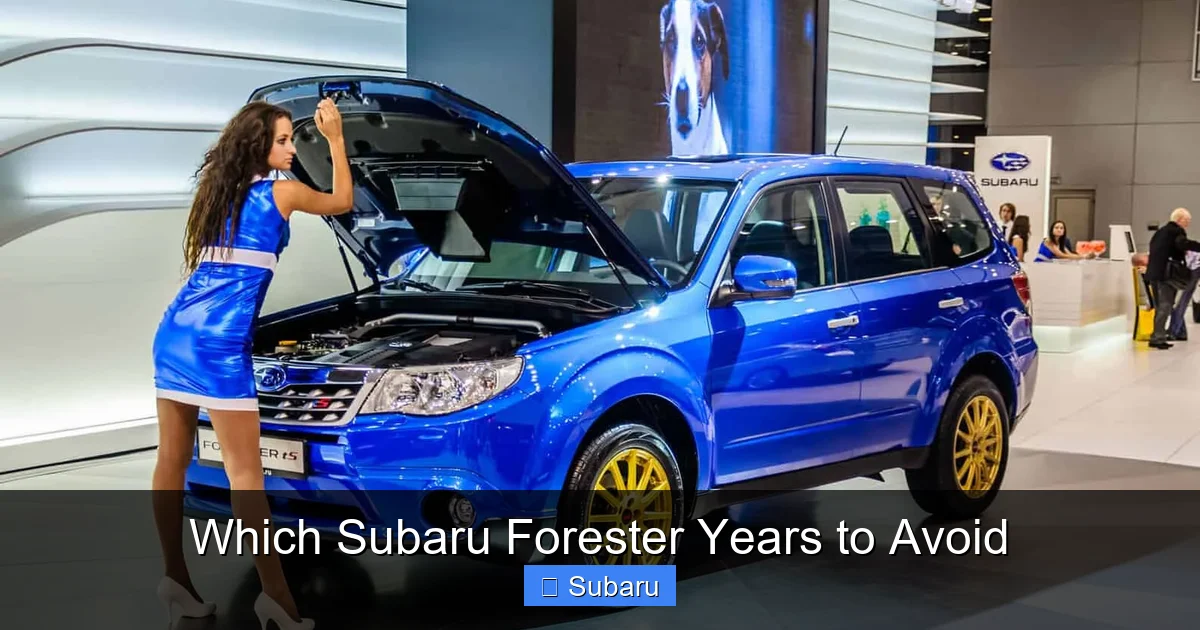
Visual guide about Which Subaru Forester Years to Avoid
Image source: autocareaids.com
2014–2015 Subaru Forester: The Oil Guzzlers
The 2014 and 2015 Subaru Forester models are widely regarded as some of the worst in the lineup—and for good reason. These years were the first to feature Subaru’s new-generation 2.5-liter FB-series engine and the optional Lineartronic CVT transmission. While the updates brought improved fuel economy and smoother power delivery, they also introduced serious reliability concerns.
The most notorious issue with these models is excessive oil consumption. Many owners reported their engines burning through a quart of oil every 1,000 to 1,500 miles—far beyond what’s considered normal. Subaru eventually acknowledged the problem and extended the powertrain warranty to 8 years or 100,000 miles for affected vehicles, but only if owners could prove they’d been consistently topping off oil. This was a major hassle and a red flag for long-term ownership.
In addition to oil consumption, the 2014–2015 Foresters suffered from CVT transmission issues. Some drivers experienced jerky acceleration, delayed shifts, and even complete transmission failure. The CVT control software was often blamed, and while Subaru released updates, not all problems were resolved. There were also reports of head gasket leaks, though less frequent than in earlier models.
Bottom line: Unless you’re getting a 2014 or 2015 Forester at a steep discount and are prepared to monitor oil levels religiously, it’s best to skip these years. Even with the warranty extension, the risk of costly repairs is high.
2011–2013 Subaru Forester: Head Gasket Headaches
The 2011–2013 Subaru Forester models are generally more reliable than the 2014–2015 versions, but they come with their own set of concerns—primarily related to the head gasket. These models use the older EZ36 2.5-liter engine (in non-turbo versions), which, while robust, is notorious for head gasket failure due to a design flaw.
The issue stems from the use of a multi-layer steel (MLS) head gasket that, under certain conditions—especially in hot climates or with infrequent coolant changes—can fail prematurely. Symptoms include white smoke from the exhaust, coolant loss, overheating, and a sweet smell inside the cabin. Repairing a head gasket is a major job, often costing $1,500 to $2,500, and it’s not uncommon for these engines to need the repair twice over their lifespan.
That said, not every 2011–2013 Forester will have this problem. Many owners go 150,000+ miles without issues, especially if they follow Subaru’s maintenance schedule and use high-quality coolant. However, the risk is significant enough that these years should be approached with caution. Always ask for maintenance records and consider a compression test or leak-down test during inspection.
Another point to note: the 2011–2013 Foresters lack some of the advanced safety features found in newer models. If you’re looking for Subaru’s EyeSight driver-assist suite (adaptive cruise control, lane departure warning, pre-collision braking), you’ll need to look at 2016 or later models.
2019–2020 Subaru Forester: Early CVT and Software Glitches
The 2019 and 2020 Subaru Forester models marked the debut of the fifth-generation Forester, built on Subaru’s new Global Platform. These models brought significant improvements in ride quality, safety, and technology. However, being first-year models of a new generation, they came with some teething problems—especially with the CVT transmission and infotainment system.
Some owners reported jerky or hesitant shifting, particularly during low-speed maneuvers or when accelerating from a stop. Others experienced software glitches in the Starlink infotainment system, such as frozen screens, unresponsive touch controls, or Bluetooth connectivity issues. Subaru addressed many of these problems with over-the-air updates and dealership software flashes, but early adopters bore the brunt of the frustration.
Additionally, a small number of 2019–2020 Foresters were recalled for issues like faulty fuel pumps (which could cause stalling) and rear seatbelt latch problems. While recalls are common and usually resolved quickly, they’re a reminder that even newer models aren’t immune to flaws.
Overall, the 2019–2020 Foresters are much better than the problematic 2014–2015 models, but they’re not perfect. If you’re considering one, make sure all recalls have been addressed and ask about any software updates. These years are still a solid choice, especially if you want modern safety features and improved fuel economy.
Subaru Forester Years That Are Generally Safe Bets
Now that we’ve covered the years to avoid, let’s talk about the Forester models that offer the best balance of reliability, features, and value. While no car is 100% trouble-free, certain years stand out for their durability and owner satisfaction.
Visual guide about Which Subaru Forester Years to Avoid
Image source: m.media-amazon.com
2016–2018 Subaru Forester: The Sweet Spot
The 2016–2018 Subaru Forester models are often considered the “sweet spot” for used buyers. These years benefit from Subaru’s improvements to the FB-series engine and CVT transmission, addressing many of the oil consumption and shifting issues seen in earlier models. Head gasket problems are far less common, and overall reliability is strong.
One of the biggest advantages of these models is the inclusion of Subaru’s EyeSight driver-assist suite as standard or optional equipment. EyeSight includes features like adaptive cruise control, lane keep assist, pre-collision braking, and lane departure warning—technologies that significantly improve safety and reduce driver fatigue.
Owners consistently praise the 2016–2018 Foresters for their comfortable ride, spacious interior, and excellent visibility. Fuel economy is also impressive, with the 2.5-liter engine achieving around 26 mpg city and 32 mpg highway. Maintenance costs are reasonable, and parts are widely available.
If you’re looking for a used Forester that balances modern features with proven reliability, the 2016–2018 models are hard to beat. Just be sure to check the vehicle history report and get a pre-purchase inspection to catch any hidden issues.
2021–2024 Subaru Forester: The Most Reliable Yet
The latest generation of the Forester, starting in 2021, represents Subaru’s most refined and reliable iteration to date. Built on the improved Global Platform, these models offer better crash protection, a quieter cabin, and enhanced ride comfort. Subaru also made significant updates to the engine and transmission, further reducing the risk of oil consumption and CVT problems.
Safety is a major highlight, with all 2021+ Foresters earning top marks from the IIHS and NHTSA. EyeSight is now standard across the lineup, and higher trims add features like blind-spot monitoring, rear cross-traffic alert, and a 360-degree camera. The infotainment system has also been upgraded, with larger touchscreens, wireless Apple CarPlay and Android Auto, and faster response times.
While these models are more expensive than older used Foresters, they offer peace of mind and long-term value. If your budget allows, a certified pre-owned (CPO) 2021 or newer Forester is one of the best ways to get a nearly new vehicle with warranty coverage and thorough inspection.
How to Spot a Good Used Subaru Forester
Even in the best model years, a used Forester can have hidden problems if it hasn’t been well cared for. Here are some practical tips to help you find a reliable vehicle:
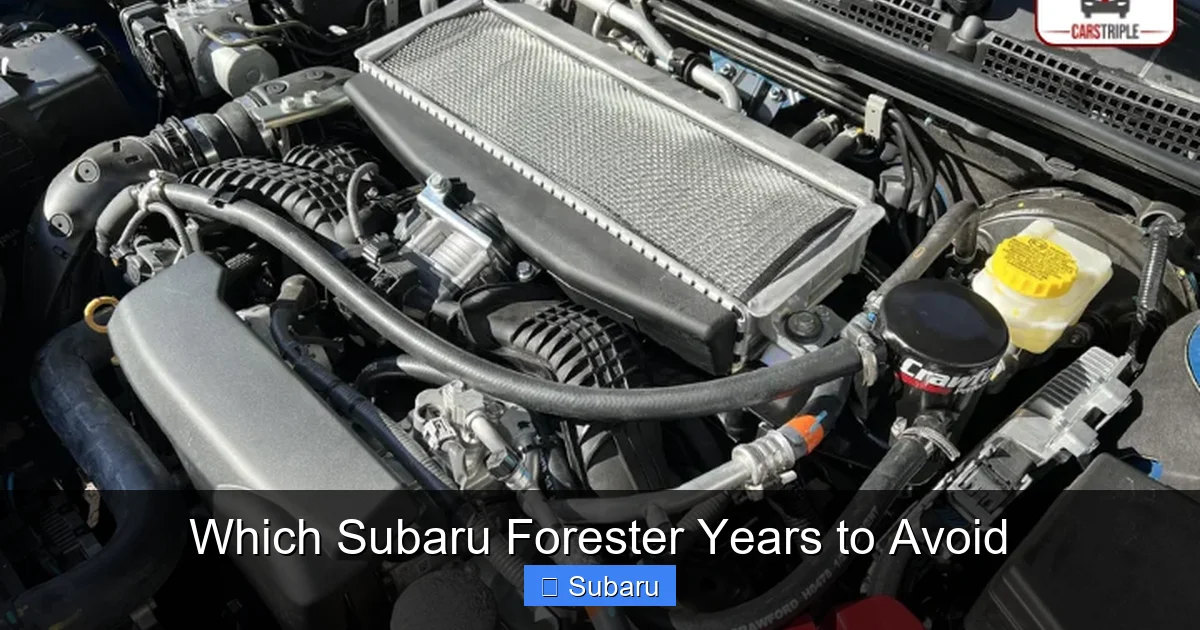
Visual guide about Which Subaru Forester Years to Avoid
Image source: carstriple.com
Check the Maintenance History
Ask for service records. A Forester that’s had regular oil changes, coolant flushes, and timing belt replacements (if applicable) is far more likely to be reliable. Look for evidence of oil top-offs—this could indicate excessive consumption, especially in 2014–2015 models.
Get a Pre-Purchase Inspection
Always have a trusted mechanic inspect the vehicle before buying. They can check for signs of head gasket failure, transmission wear, suspension issues, and frame damage. This small investment (usually $100–$150) can save you thousands down the road.
Test Drive Thoroughly
Pay attention to how the car drives. Listen for unusual noises, feel for jerky shifts, and test the brakes and steering. Take it on highways and back roads to assess ride quality and handling.
Review the Vehicle History Report
Use services like Carfax or AutoCheck to check for accidents, title issues, odometer rollback, and recall history. A clean report is a good sign, but it’s not a guarantee of mechanical health.
Consider Certified Pre-Owned (CPO)
Subaru’s CPO program includes a 7-year/100,000-mile powertrain warranty, 152-point inspection, and roadside assistance. While CPO vehicles cost more, they offer added protection and peace of mind.
Final Thoughts: Make an Informed Decision
Choosing the right Subaru Forester comes down to balancing your budget, needs, and risk tolerance. While certain years like 2014–2015 and 2011–2013 come with known issues, many Foresters from these years still provide reliable service—especially with proper maintenance. On the other hand, newer models like the 2021–2024 Foresters offer the latest technology and improved reliability, though at a higher price point.
The key is to do your homework. Research the specific model year, read owner reviews, and don’t skip the inspection. A little due diligence can go a long way in helping you avoid costly surprises and find a Forester that will serve you well for years to come.
Remember: the best Forester for you isn’t necessarily the newest or the cheapest—it’s the one that’s been well cared for and matches your lifestyle. Whether you’re hitting the trails or commuting to work, a reliable Forester can be a trusted companion. Just make sure you’re driving the right one.
Frequently Asked Questions
Which Subaru Forester year has the most problems?
The 2014 and 2015 Subaru Forester models are widely considered the worst due to excessive oil consumption, CVT transmission issues, and head gasket leaks. These problems led to a class-action lawsuit and a warranty extension from Subaru.
Are older Subaru Foresters reliable?
Older Foresters (pre-2010) can be reliable if well-maintained, but they often lack modern safety features and may have higher mileage. Models from 2006–2009 are generally solid, but watch for head gasket and suspension wear.
Is the 2016 Subaru Forester a good buy?
Yes, the 2016 Subaru Forester is an excellent used car choice. It offers improved reliability over earlier models, standard EyeSafety features on most trims, and strong fuel economy. It’s often seen as the best value in the used Forester market.
Do all Subaru Foresters burn oil?
No, not all Foresters burn oil excessively. However, some 2.5-liter engines—especially in 2014–2015 models—are known for high oil consumption. Regular oil level checks and top-offs can help manage the issue.
What year did Subaru fix the head gasket problem?
Subaru began improving head gasket design in the mid-2000s, but the issue persisted in some 2011–2013 models. By 2016, the problem was largely resolved with better materials and cooling system updates.
Should I avoid a used Subaru Forester with high mileage?
Not necessarily. A high-mileage Forester with a strong maintenance history can still be a great buy. Focus on service records, inspection results, and overall condition rather than mileage alone.